
Demand for outdoor gear continues to climb across global retail markets. Modern trail enthusiasts want technical gear that combines durability, light weight, and ergonomic comfort. To stay competitive, outdoor brands must deliver high-performing equipment consistently without inflating costs.
Developing a successful gear lineup requires a reliable manufacturing ally. Selecting an experienced factory for your ODM trekking bag line impacts your product quality, profit margins, and supply chain stability. Brands like Weierken help bridge the gap between creative design concepts and high-volume industrial production.
This guide breaks down the essential selection criteria for evaluating an ODM backpack supplier, helping you make a profitable and reliable decision for your outdoor brand.
5 Critical Factors for Choosing an ODM Trekking Bag Manufacturer
Original Design Manufacturing (ODM) requires far more expertise than simple contract sewing. An ODM factory builds complete products based on functional specifications, design templates, and material innovation. Here is what you should look for when auditing potential partners.
1. R&D and Innovative Design Capabilities
A capable trekking bag manufacturer does not just follow technical drawing sheets. They bring structural design insights and ergonomic solutions to the table. Outdoor packs carry heavy loads over long distances, making user comfort critical.
Your manufacturing partner must understand how internal frames, shoulder harness angles, and hip-belt padding interact. Evaluate whether their R&D team offers practical design innovations:
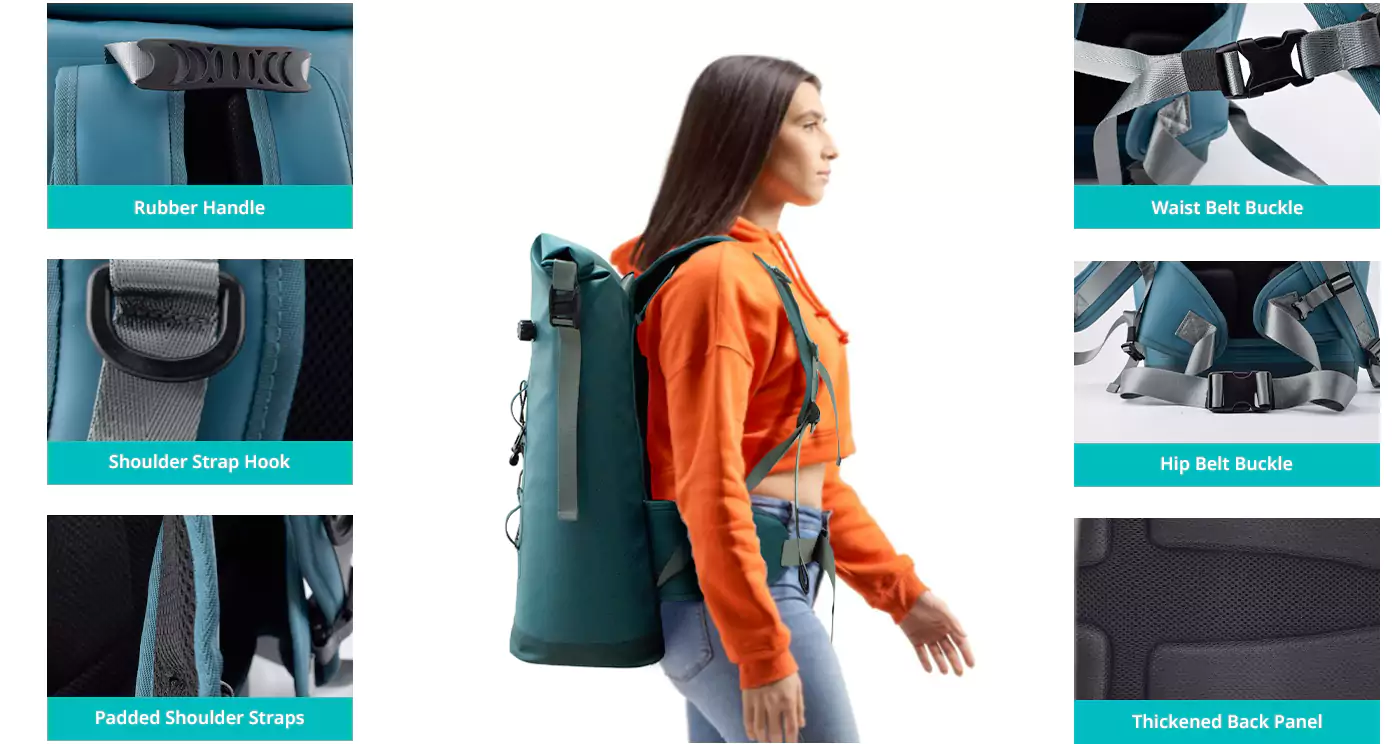
Ergonomic Support Systems: Integrated load lifters, adjustable torso suspensions, and ventilated air-mesh back panels.
Timeless Design Aesthetics: Clean, simple silhouette development that outlasts short-term trend cycles.
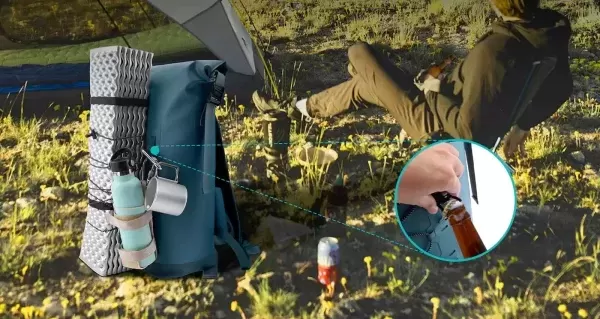
Functional Compartmentalization: Dedicated hydration bladder sleeves, quick-access hip pockets, and trekking pole attachment loops.
Ask prospective suppliers if they maintain an in-house design team that creates functional prototypes from scratch. An experienced R&D team shortens sample revision rounds and speeds up product launches.
2. Technical Fabrics and Sustainable Materials
Trekking backpacks must endure abrasive rock surfaces, heavy rain, and harsh UV exposure. A top-tier custom outdoor backpack supplier maintains strong relationships with technical textile mills to secure premium materials.
Review the factory's material expertise across key fabric categories:
High-Tenacity Synthetics: 210D/420D Ripstop Nylon, Cordura fabrics, and heavy-duty 600D Polyester with abrasion-resistant coatings.
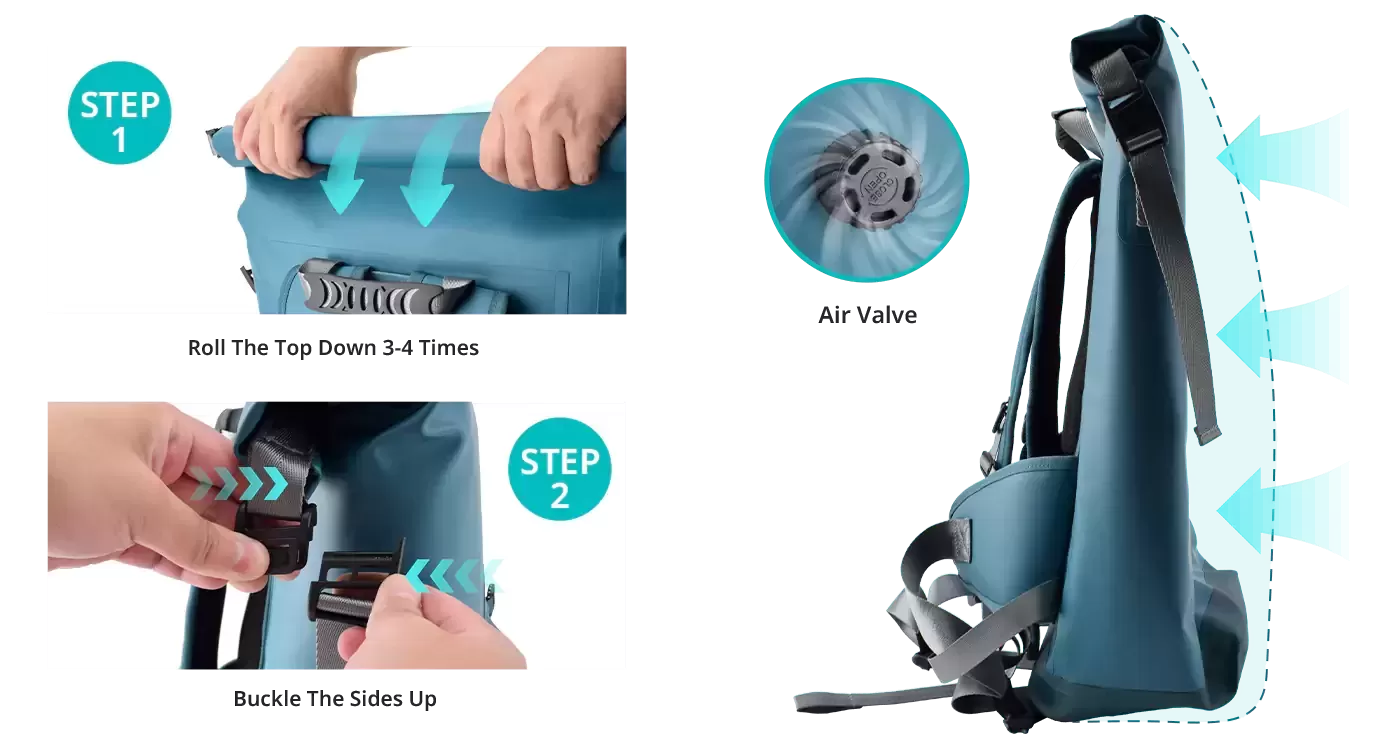
Waterproofing Technologies: Hydrostatic polyurethane (PU) backings, durable water repellent (DWR) face treatments, and TPU laminations for severe weather protection.
Reinforcement Craftsmanship: Heavy bar-tack stitching on main tension points, heavy-duty webbing, and outdoor-grade YKK zippers.
Sustainability has shifted from a niche feature to a core market requirement. Work with a sustainable outdoor bag factory that supplies Global Recycled Standard (GRS) certified rPET fabrics, Bluesign-approved materials, and PFC-free water-repellent finishes. Using eco-friendly materials enhances your brand reputation while reducing your environmental footprint.
3. Dual-Base Manufacturing and Tariff Advantages
Global trade regulations and import duties change quickly. Relying on a single manufacturing origin leaves your brand vulnerable to unexpected tariff hikes and shipping delays. Flexible brands prefer manufacturers with multi-country facilities.
A dual-base manufacturing strategy offers strategic benefits:
Tariff Mitigation: Shifting production to facilities in Southeast Asia, such as Cambodia, helps brands legally minimize import duties into Western markets like the US and Europe.
Supply Chain Resilience: Spreading production across multiple locations prevents factory shutdown risks and localized labor shortages.
Cost Optimization: Dual-sourcing combines efficient raw material access with competitive labor rates across different regions.
A supplier running dual production hubs allows your brand to pivot production allocation based on shifting trade policies and duty exemptions.
4. Scalable Capacity and Production Lead Times
Missed shipment deadlines mean missed seasonal retail windows. Your chosen supplier must offer the facility size and labor force needed to scale production during peak demand periods.
Audit the factory's physical scale and operational capacity directly:
Total Facility Size: Look for large manufacturing footprints capable of handling fabric cutting, sewing, inspection, and warehousing under one roof.
Workforce Size: Experienced line workers ensure stable stitch quality and consistent output rates across large volume orders.
Turnaround Speed: Efficient sample creation times (typically 7 to 14 days) and dependable mass production lead times (around 30 to 45 days).
Ask prospective suppliers about their monthly production capacity for technical packs to confirm they can easily handle your growth trajectories.
5. Rigorous Quality Control and Testing
A torn strap or blown zipper on a wilderness trail damages your customer's safety and ruins your brand's reputation. Quality control must occur at every stage of production, not just during final packing.
A trustworthy supplier enforces rigorous laboratory and inline testing protocols:
Tensile & Seam Strength Testing: Checking seam tear limits under extreme load stress.
Hydrostatic Pressure Testing: Verifying waterproof fabric ratings (e.g., 3,000mm to 10,000mm water column ratings).
Hardware Fatigue Testing: Testing zipper cycles, buckle retention, and strap slider friction over thousands of uses.
Load Drop Testing: Simulating real-world trail impact by dropping fully weighted packs repeatedly from set heights.
Check if the factory holds international compliance certifications such as ISO9001, BSCI, or SMETA to ensure ethical employment standards and repeatable product quality.
Why Weierken is Your Ideal ODM Trekking Bag Partner
For brands seeking a dependable manufacturing partner that checks every box, Weierken delivers proven experience and world-class manufacturing infrastructure.
Founded in 2006, Weierken brings 20 years of specialized manufacturing experience in the outdoor and technical bag industry. Over the past two decades, we have partnered with more than 2,000 global brands to turn innovative gear ideas into commercial successes.
Our operational footprint gives your brand a clear competitive edge:
Dual-Base Infrastructure: We operate 3 self-owned factories across China and Cambodia, covering over 80,000 square meters of production space.
Skilled Labor Force: Supported by over 3,000 skilled craftspeople, we deliver massive scalable capacity for high-volume wholesale hiking backpack orders.
Tariff Benefits: Our Cambodian facilities provide duty-free or reduced-tariff access to major European and North American markets, helping you save on import costs.
Design Philosophy: We build every product around four core values: Innovation, Timelessness, Simplicity, and Sustainability.
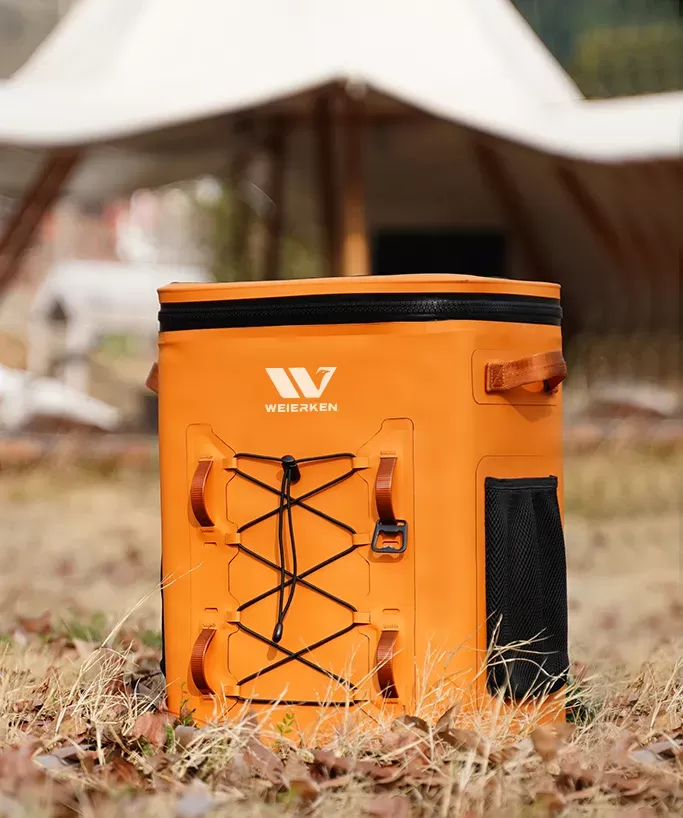
Weierken specializes in complete OEM and ODM technical services. Whether you want to develop an ergonomic ODM trekking bag, a waterproof dry pack, or a technical outdoor cooler bag, our internal R&D team provides rapid prototyping, material sourcing, and strict batch-to-batch quality control.
Conclusion & Strategic Takeaways
Selecting the right manufacturing partner shapes your brand's future market position. By evaluating suppliers based on design capabilities, material innovation, flexible multi-country production, capacity, and quality control, you protect your supply chain against disruption.
Working with an established leader like Weierken gives your outdoor brand access to 20 years of manufacturing expertise, strong R&D support, and duty-optimized global factories. Partnering with the right facility allows you to focus on marketing and brand growth while we handle manufacturing precision.
Are you ready to launch a high-performance, durable, and eco-friendly pack line for your outdoor brand? Contact the expert engineering team at Weierken today. Request a quote or start your custom ODM trekking bag development project now!
Frequently Asked Questions (FAQ)
1. What is the difference between OEM and ODM trekking bag manufacturing?
OEM (Original Equipment Manufacturer) means the factory builds a bag entirely based on your provided tech packs, patterns, and exact specifications. ODM (Original Design Manufacturer) means the factory provides pre-developed design concepts, structural patterns, and material options that you can customize with your branding, colors, and feature tweaks. ODM speeds up product development significantly.
2. What materials are best for a lightweight yet durable ODM trekking bag?
High-density Ripstop Nylon (such as 210D or 420D) offers the best strength-to-weight ratio for technical trail packs. For extreme abrasion resistance, Cordura or high-denier polyester with TPU coating works best. If your brand focuses on eco-friendly markets, GRS-certified recycled nylon or rPET fabrics provide excellent durability with lower environmental impact.
3. How does Weierken's Cambodia factory help reduce import tariffs?
Cambodia benefits from favorable trade agreements and lower duty rates when exporting goods to countries like the US, Canada, and European Union nations. By producing your bulk ODM trekking bag orders in our 80,000+ sqm Cambodian facilities, your brand can legally lower import tariff overheads compared to traditional direct shipments from China.
4. What is the typical lead time for custom ODM trekking bag development and mass production?
Sample development and prototype refinement typically take 7 to 14 business days, depending on fabric availability and feature complexity. Once samples receive final approval and bulk raw materials arrive, standard mass production takes roughly 30 to 45 days. Weierken offers fast turnaround schedules to meet key retail sales deadlines.
5. How do you test the waterproof capabilities of a technical outdoor backpack?
We test waterproof capabilities using hydrostatic head pressure machines to measure how much water pressure a fabric can withstand before leaking (measured in millimeters). We also inspect stress points by running seam-pull tests and conducting rain-chamber tests on fully sealed seams to guarantee zero moisture penetration on finished waterproof packs.
6. Can Weierken customize small design details like buckle systems and colorways?
Yes. Our complete ODM services let you customize feature details including buckle hardware, zipper pulls, custom webbing colors, reflective strips, internal pocket layouts, and logo application methods (such as rubber patches, screen printing, or embroidery).
Partner with Weierken for Your Next ODM Project
Looking for a reliable manufacturing partner to produce your next bestselling outdoor collection? Weierken provides turnkey design, sampling, and mass production solutions tailored to your brand's specifications.
Contact our product specialists today to request a competitive quote, discuss custom material options, or order your initial sample!