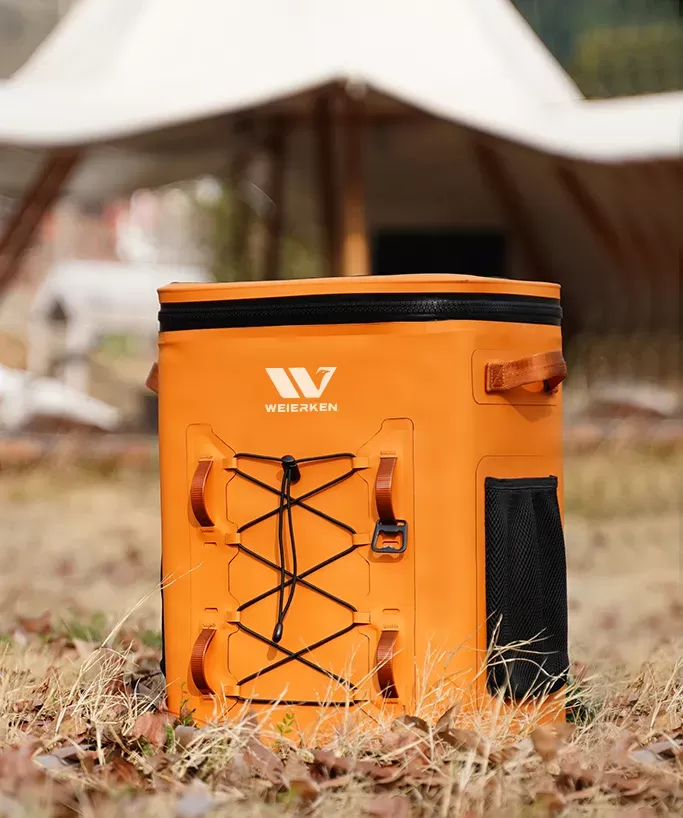

Managing a cold chain requires strict attention to detail. In food logistics, a small temperature shift can ruin an entire batch of fresh meat. This leads to high financial losses and safety risks. B2B buyers, including meat processors and grocery delivery brands, need reliable solutions to keep temperature-sensitive foods fresh.
As a professional packaging partner, weierken designs specialized thermal solutions for these problems. This article analyzes how a professional fresh meat thermal bag maker uses material science and custom design to solve four major cold chain challenges.
Challenge 1: Temperature Spikes During Last-Mile Cold Chain Delivery
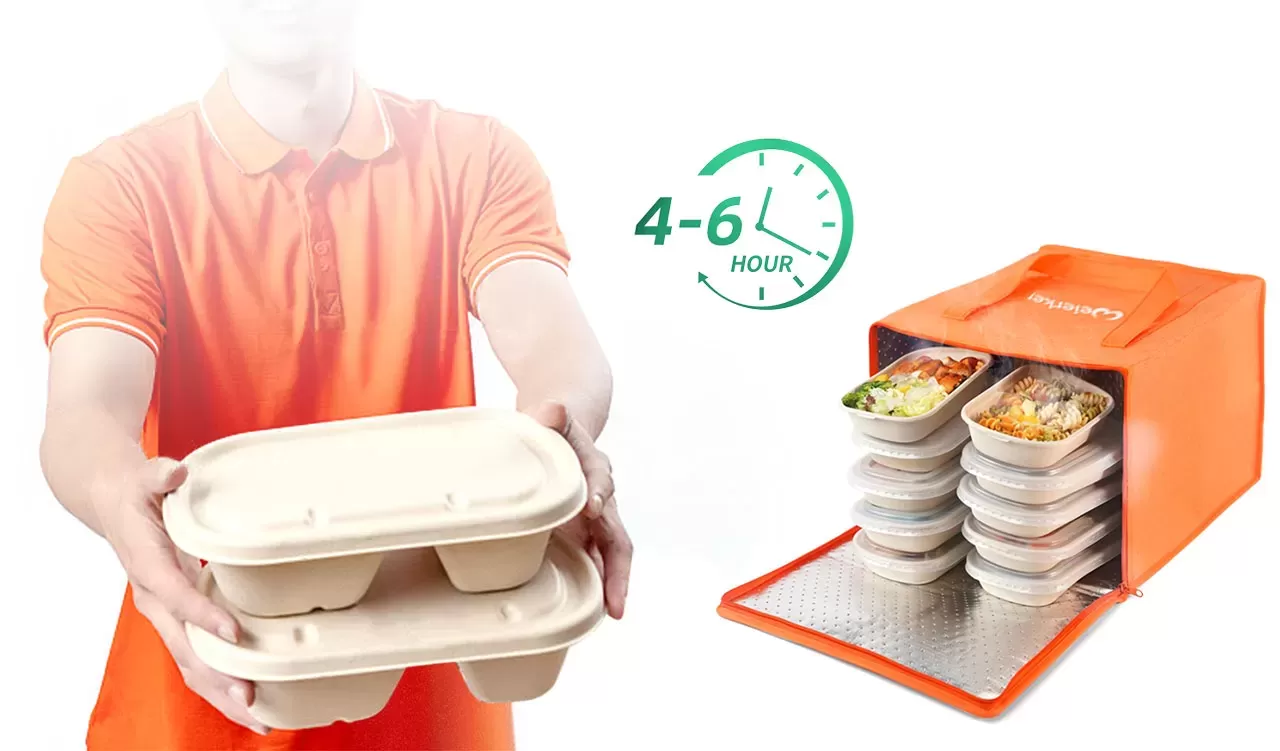
The final leg of delivery is often the most difficult part of the cold chain. Drivers open delivery van doors frequently, exposing packages to outside heat. Without proper insulation, the surface temperature of fresh beef, pork, or poultry rises quickly. This encourages bacterial growth and shortens shelf life.
Standard packaging often fails to resist these fast temperature changes. A specialized fresh meat thermal bag maker addresses this issue with multi-layer barrier materials that block heat transfer.
Advanced Barrier Materials
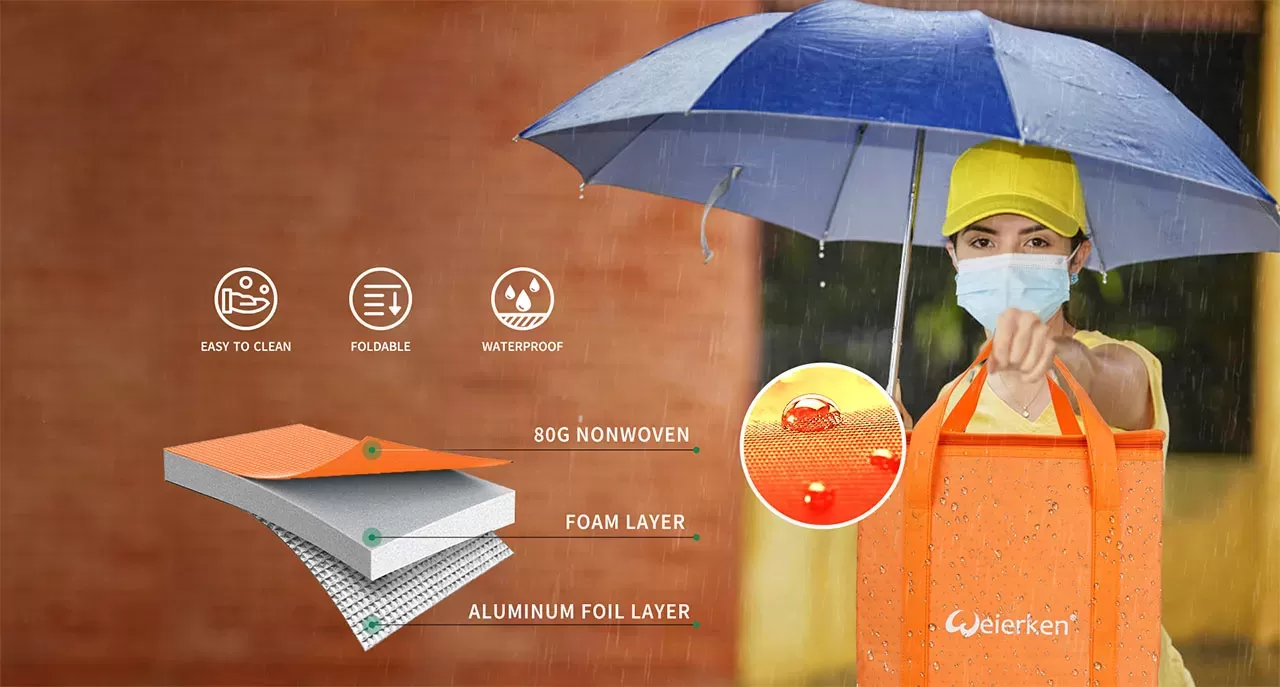
Modern insulation does not rely on a single layer of plastic. Manufacturers combine multiple materials to block different types of heat transfer:
Reflective Aluminum Foil: This outer layer reflects up to 97% of radiant heat, preventing sunlight and ambient warmth from penetrating the package.
Expanded Polyethylene (EPE) Foam or Bubble Lining: These inner layers trap air, which slows down conductive heat transfer.
Inner Co-extruded Films: These food-grade films protect the insulation layers from inner moisture and cold air escape.
Customized Thermal Performance
Different delivery models require different levels of thermal protection. A professional fresh meat thermal bag maker helps businesses balance costs by matching insulation thickness to delivery times:
2mm Thickness: Best for local 2-hour express deliveries.
3mm to 4mm Thickness: Designed for 6-hour to 12-hour regional shipping.
5mm and Above: Built for 24-hour to 48-hour long-distance courier transport.
By choosing a custom thickness, logistics managers can secure their last-mile cold chain delivery without overspending on packaging materials. This precise thermal control reduces food waste and ensures a safer consumer experience.
Working with a dedicated fresh meat thermal bag maker allows businesses to access temperature-controlled meat packaging tailored to their exact shipping windows. This keeps products safe during unexpected transit delays.
Challenge 2: High Storage and Shipping Costs of Bulky Packaging
Expanded Polystyrene (EPS) boxes, commonly known as Styrofoam, provide decent insulation but present major storage issues. These rigid boxes cannot fold, meaning they occupy the same space empty as they do full. For warehouses with limited space, storing empty Styrofoam boxes is highly inefficient.
Additionally, shipping carriers charge based on dimensional weight (DIM weight) rather than actual weight. Bulky boxes often incur high shipping surcharges, making them expensive for long-distance transport.
A smart fresh meat thermal bag maker like weierken offers space-saving designs to resolve these storage and shipping bottlenecks.
Flat-Pack Storage Solutions
Unlike rigid boxes, modern thermal bag liners and mailers ship flat. They arrive in compressed bundles, which greatly optimizes warehouse space:
90% Space Savings: A single pallet of flat-packed thermal bags can replace up to twenty pallets of assembled Styrofoam boxes.
Easier In-Plant Handling: Workers can move hundreds of flat-packed bags to packing stations in a single trip, reducing labor and material-handling costs.
Optimizing Shipping Volume
Flexible thermal mailers conform to the actual shape of the meat products, reducing empty space inside the package. This reduction in package volume lowers shipping costs.
Using a customized thermal insulation bag helps businesses lower their dimensional weight charges, leading to more cost-effective meat shipping across regional networks.
For operations with high shipping volumes, transitioning to flat-pack designs helps control warehouse expenses. Purchasing these materials through bulk thermal bag procurement programs also improves unit margins and eases supply chain bottlenecks.
Challenge 3: Liquid Leakage and Bone Punctures
Fresh meat naturally releases moisture and blood, known in the food industry as purge. If a thermal bag has weak seals, this purge can leak out. This spoils outer cardboard boxes, ruins neighboring packages, and creates sanitary hazards. In addition, sharp bones in products like pork ribs or T-bone steaks can easily puncture thin plastic linings.
A reliable fresh meat thermal bag maker uses strong raw materials and advanced sealing processes to prevent these structural failures.
High-Strength Seal Construction
Standard heat-sealing methods can fail under pressure. Industrial-grade manufacturers use specialized sealing technologies to ensure durability:
High-Frequency Heat Welding: This process fuses the multi-layer films together at the molecular level, creating leak-proof seams.
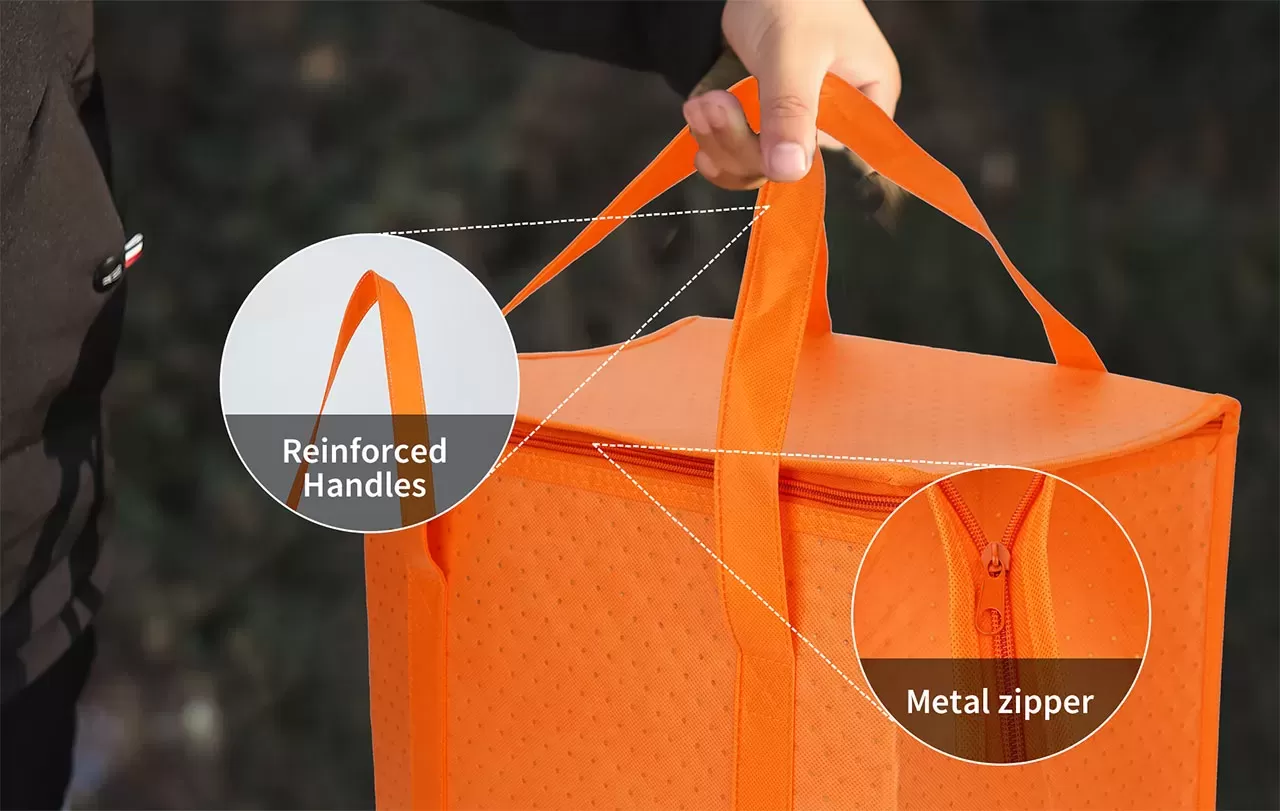
Reinforcing Bottom Gussets: Heavy-duty bags feature reinforced bottom seals that withstand the weight of heavy meat cuts without bursting.
Secure Self-Adhesive Closures: Strong, tamper-evident adhesive strips seal the top of the bag, keeping liquids in and warm air out.
Puncture-Resistant Multi-Layer Films
To handle sharp bone-in meats, manufacturers add heavy-duty materials to their designs. These multi-layer co-extruded films resist tearing and puncture, ensuring the package remains intact throughout transit.
This attention to physical strength ensures that leak-proof thermal packaging keeps raw meat isolated and secure, preventing cross-contamination in delivery vans.
By using puncture-resistant meat bags, food distributors can avoid claims for damaged goods. These food-grade insulated mailers protect both the food product and the outer shipping box from moisture damage.
Challenge 4: Meeting Environmental Regulations and Green Standards
Environmental regulations regarding single-use plastics are growing stricter worldwide. Many countries are phasing out EPS foam packaging due to recycling difficulties. B2B buyers must find eco-friendly alternatives that satisfy both government regulators and eco-conscious corporate clients.
A forward-thinking fresh meat thermal bag maker helps brands make this transition without sacrificing thermal performance.
Transitioning to Recyclable Materials
Modern material engineering has developed eco-friendly thermal barriers that perform well without damaging the environment:
Mono-Material Insulated Bags: By constructing the bag's exterior, interior, and insulation layers from the same polymer family (typically polyethylene), the entire bag can be recycled together in standard PE recycling streams.
Recycled PET (rPET) Insulation: Some thermal bag liners use fibers made from recycled plastic bottles, diverting waste from landfills.
Reusable Cold Chain Systems
For closed-loop B2B deliveries, such as shipping from central kitchens to local restaurants, single-use packaging is unnecessary. A professional manufacturer can design reusable thermal bags made from heavy-duty woven polypropylene or Oxford fabrics. These durable bags can be cleaned, sanitized, and reused dozens of times.
Adopting eco-friendly cold chain solutions helps food brands build trust with their customers. Using recyclable insulated bags allows companies to meet green standards while maintaining strict temperature control.
Using sustainable fresh meat packaging also helps businesses comply with regional packaging laws and lower their carbon footprint.
Choosing a Collaborative Cold Chain Partner
Choosing a fresh meat thermal bag maker is more than a simple purchasing decision; it is a step toward improving your cold chain. The right packaging partner helps you protect food safety, reduce shipping volumes, and lower total logistics costs.
By sourcing custom-designed, multi-layered thermal bags, you can safeguard your fresh meat shipments and improve your delivery metrics. weierken works closely with B2B clients to design and manufacture reliable thermal packaging tailored to their specific shipping needs.
If you want to protect your fresh meat shipments, contact our team today. Let us know your size, temperature, and shipping requirements, and we will help you find the right solution.
Are you ready to optimize your cold chain packaging? Inquire now to request custom samples and a direct quote for your business.
Frequently Asked Questions (FAQ)
1. How long can a product from a fresh meat thermal bag maker keep meat cold?
Depending on the materials, thickness, and external conditions, thermal bags can maintain safe temperatures for 2 to 48 hours. Performance can be further extended by adding gel packs or dry ice inside the bag.
2. Can these thermal bags be customized with our company logo and custom sizes?
Yes. A professional manufacturer can customize the dimensions, thickness, and printing to match your branding and product requirements. This includes surface printing with food-safe inks.
3. Are the inner linings of these thermal bags safe for direct food contact?
Yes. Reliable manufacturers use FDA-compliant, food-grade polyethylene (PE) or aluminum linings that are safe for direct contact with fresh meat, poultry, and seafood.
4. How do thermal bags compare to EPS (Styrofoam) boxes regarding storage space?
Thermal bags ship and store completely flat. They require up to 90% less warehouse space than pre-assembled Styrofoam boxes, which helps reduce warehousing and handling costs.
5. Can I get leak-proof designs for high-purge meat products?
Yes. You can choose thermal bags with reinforced bottom seams, high-frequency welded side seals, and industrial-strength adhesive tape to prevent leaks during shipping.