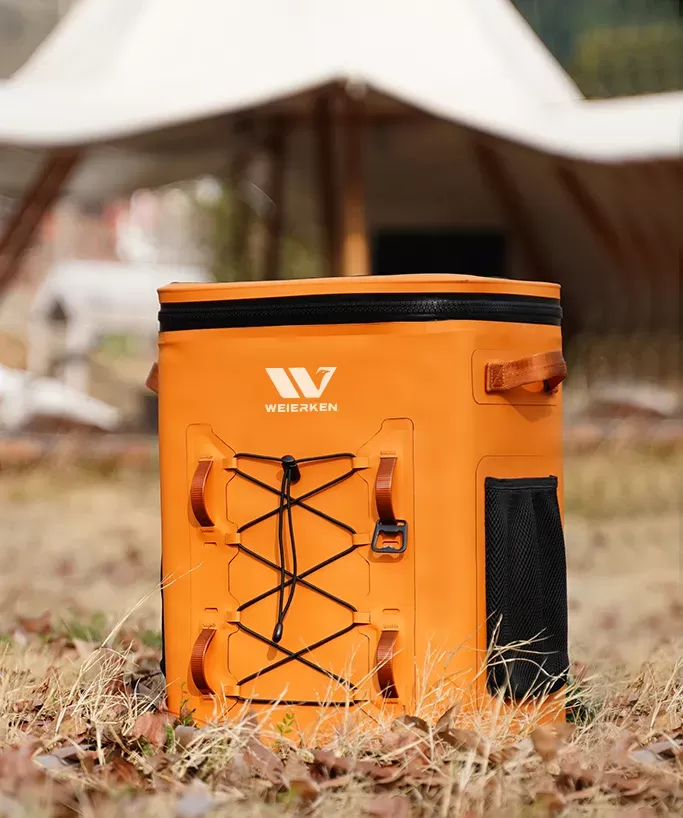


Fresh catch quality drops the moment a fish leaves the water. Core body heat and warm deck temperatures accelerate tissue degradation, causing spoilage within hours. To protect catch value, commercial fishing fleets, charter captains, and serious sports anglers rely on heavy-duty thermal kill bags.
Traditional rigid coolers present clear logistical drawbacks. They consume valuable deck space, add unnecessary weight, and cost a fortune to ship overseas. Heavy-duty insulated fish bags solve these issues by offering collapsible storage, lower freight costs, and superior thermal retention.
For outdoor brand managers and procurement heads, sourcing high-performance kill bags requires evaluating technical specs. Partnering with experienced fish bag manufacturers ensures your gear delivers leak-proof construction, high load capacity, and long-lasting cold insulation. Established OEM factories like Weierken provide the material expertise and RF welding tech required for commercial-grade gear.

Material Science Behind Heavy-Duty Insulated Fish Bags
A fish kill bag operates in abrasive, salty, and blood-soaked environments. The raw materials used for the inner liner, outer shell, and insulation core determine the bag's lifespan and safety rating.
1. Outer Shell & Inner Liner: TPU vs. PVC
The choice between Thermoplastic Polyurethane (TPU) and Polyvinyl Chloride (PVC) dictates performance, environmental compliance, and durability in sub-zero conditions.
Food-Grade TPU (840D / 1000D Base): TPU represents the premium standard for modern kill bags. Heavy 840D or 1000D nylon coated with TPU resists punctures from sharp dorsal fins, stays flexible in freezing weather, and meets strict FDA and EU food-contact standards.
Industrial PVC: Offers a cost-effective option for recreational bags. However, PVC stiffens in cold temperatures, adds weight, and contains plasticizers that face strict regulatory checks in European and North American markets.
Anti-Microbial Coatings: Interior liners must incorporate anti-bacterial and anti-mildew additives. This prevents blood and residue from soaking into the lining, eliminating foul odors and bacterial growth between uses.
2. Thermal Core Engineering: Closed-Cell Foam Technology
The insulation core preserves ice and holds target internal temperatures. Leading insulated fish bag manufacturer facilities exclusively use dense, closed-cell polyethylene (PE) or EVA foam.
Zero Water Absorption: Unlike cheap open-cell sponge foam that absorbs meltwater like a sponge, closed-cell foam features sealed gas pockets that never absorb liquid.
Structural Rigidity: Dense foam walls (ranging from 0.5 inches to 1.0 inch thick) help the bag maintain a free-standing shape on deck, making it easier to load heavy fish.
Extended Thermal Performance: A proper closed-cell foam core maintains a 1:1 ice-to-fish ratio for 48 to 72 hours, even under direct sunlight on hot boat decks.
Advanced Manufacturing and Construction Methods
Materials alone cannot prevent leaks if the factory uses weak assembly techniques. Heavy fish loads combined with sloshing meltwater demand specialized production machinery.
1. High-Frequency / Radio Frequency (RF) Seamless Welding
Standard needle stitching creates thousands of small perforations along every seam line. Needle holes will inevitably leak blood and meltwater onto boat decks or transport vehicles. Professional fish bag manufacturers use High-Frequency (RF) welding instead.
RF welders fuse the inner and outer TPU layers together using high-frequency electromagnetic energy. The process welds the coating at a molecular level, creating a 100% leak-proof and airtight seal that handles extreme internal liquid pressure.
2. Airtight & Water-Tight Zipper Integration
The zipper closure is often the main failure point on cheap cooler bags. High-end custom fish kill bag OEM designs incorporate heavy-duty airtight zippers (such as TIZIP or industrial pressure-proof closures).
To prevent meltwater seepage during transport, engineers add welded zipper garages and exterior storm flaps. This design blocks water from escaping when the bag lies flat in a vehicle trunk or boat fish box.
3. Heavy-Duty Load-Bearing Architecture
A 60-inch offshore kill bag filled with tuna, ice, and slurry can easily weigh over 100 kilograms. Carrying handles must hold this weight without tearing away from the main body.
Cross-Reinforced Webbing: Heavy nylon webbing straps wrap completely around the bottom of the bag, distributing weight across the entire structure rather than pulling on top seams.
Box-X and Bar-Tack Stitching: Handle anchor pads feature reinforced box-X stitching and heavy bar-tack welds backed by internal tear-proof patch plates.
Anti-Skid Bottom Pads: Abrasion-resistant, textured TPU skid pads molded to the underside protect the main body from rough non-skid fiberglass boat decks.
OEM/ODM Customization Capabilities for Brands
Commercial fishing operations and sports brands require tailored specs based on target fish species, vessel sizes, and branding strategies.
1. Size and Capacity Engineering
A reliable TPU fish cooler bag supplier builds custom sizing patterns matching specific market demands:
Kayak & Inshore Bags (30" to 40"): Tapered shapes engineered to fit into front bow hatches or rear cargo wells of fishing kayaks.
Offshore Sportfishing Bags (48" to 72"): Designed for pelagic species like mahi-mahi, kingfish, and wahoo, fitting flat along boat gunwales.
Commercial Longline Bags (80" to 120"+): Extra-large capacity bags built for giant bluefin tuna and swordfish, fitted with crane lifting loops.
2. Integrated Threaded Drain Valves
Melting ice increases bag weight and dilutes fish quality if left unmanaged. Direct factory assembly integrates flush, heat-welded threaded drain plugs near the bottom corner.
These drain valves allow users to connect standard garden hoses, drain dirty meltwater easily, and flush the interior with clean freshwater after a trip.
3. Custom Branding and Hardware Options
Differentiate your product line through custom color blocking, high-frequency debossed logos, laser-cut measurement rulers printed on the exterior, and reflective safety strips for night fishing.
Quality Control and Factory Compliance Standards
When selecting a manufacturing partner, review their internal quality assurance procedures to ensure low warranty claim rates.
1. Mandatory Physical Testing Protocols
In-house testing laboratories must run rigorous stress checks on production samples before clearing bulk shipments:
Drop Test with Ice & Weight: Drops a fully loaded bag from a height of 1.5 meters onto hard ground to verify seam weld integrity.
Hydrostatic Leak Testing: Fills the bag with water and subjects internal seams to continuous fluid pressure for 24 hours to detect micro-leaks.
Thermal Decay Chamber Test: Measures internal temperature rise over 48 hours in controlled thermal chambers set to 40°C (104°F).
2. International Factory Audits
To supply major international retail chains or global brands, factories should hold valid third-party certifications including ISO9001 quality management, BSCI social responsibility audits, and FDA food-grade compliance reports.
Working with audited producers like Weierken ensures that your products clear import inspections easily while adhering to global manufacturing ethics.
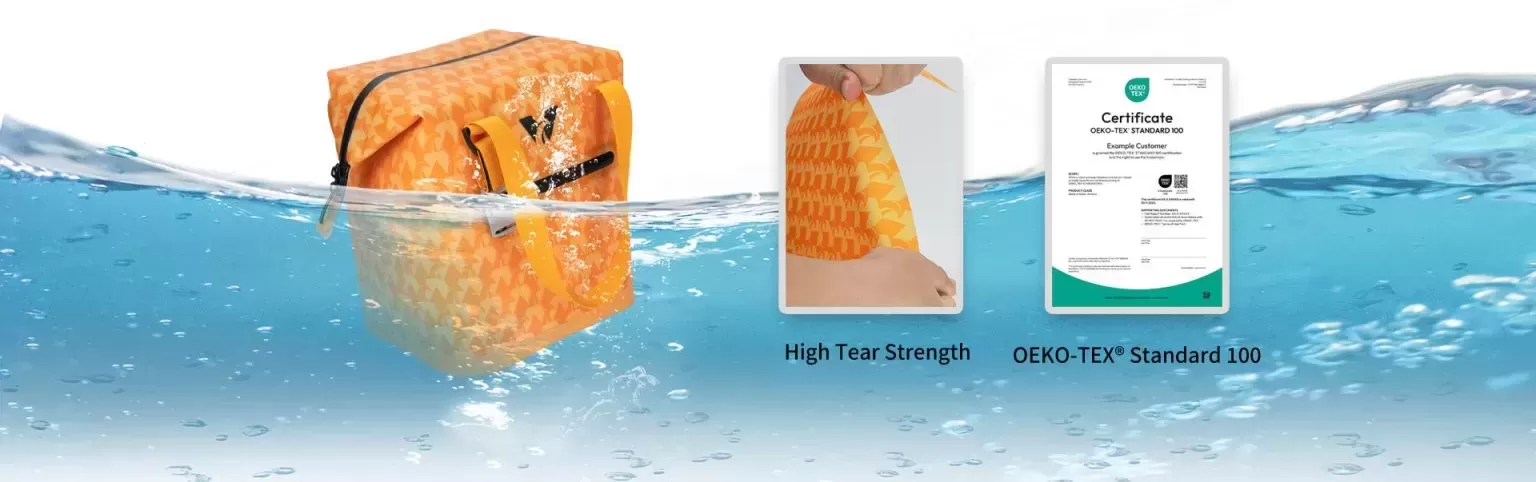
How to Evaluate a Fish Bag Manufacturer: B2B Buyer Checklist
Use this evaluation checklist when requesting proposals from potential OEM supply partners.
Minimum Order Quantity (MOQ): Check if the factory offers scalable MOQs for custom TPU colors or custom zipper prints.
Tooling and Sample Timelines: Confirm how quickly the factory can produce custom high-frequency welding dies for unique bag shapes.
Raw Material Traceability: Ensure the supplier maintains stable supply contracts with certified food-grade TPU and insulation foam vendors.
Frequently Asked Questions (FAQ)
1. Why choose insulated fish kill bags over traditional hard coolers?
Insulated fish bags offer better space efficiency because they collapse flat when empty, saving room on boat decks and in storage. They also weigh significantly less, feature drain plugs for easy cleaning, and cost less to ship overseas in bulk containers.
2. What fabric density is best for heavy-duty kill bags?
A base fabric density of 840D to 1000D nylon or polyester coated with food-grade TPU offers the ideal balance of puncture resistance, tear strength, and flexibility for large game fish.
3. How do manufacturers make fish bags 100% leak-proof?
Manufacturers use High-Frequency (RF) or hot-air welding to fuse TPU-coated fabrics without needle punctures. They combine welded seams with industrial airtight zippers and heat-sealed drain valves to ensure zero liquid escapes.
4. How long can a TPU fish cooler bag keep ice frozen?
With a 0.5-inch to 1.0-inch closed-cell PE foam core and a 1:1 ice ratio, a commercial-grade TPU kill bag holds ice and keeps internal temperatures below 4°C (39°F) for 48 to 72 hours.
5. What is the typical MOQ and lead time for custom fish kill bag OEM orders?
Standard OEM orders typically require a minimum order quantity (MOQ) of 300 to 500 units per size or color. Sample prototyping takes 10 to 14 days, while full bulk production usually takes 35 to 45 days after sample sign-off.
Partner with a Technical OEM Manufacturing Leader
Launching or scaling a commercial fish bag line requires an experienced manufacturing partner. Choosing a supplier that excels in TPU material sourcing, RF welding assembly, and strict thermal testing guarantees your gear satisfies demanding marine customers.
Bring your product line to life with industry-proven engineering. Contact the OEM specialists at Weierken today to review material swatches, request prototype development, or get a comprehensive price quote for your next production run.
Download Free Resource: "Fish Bag OEM Manufacturing Specification Sheet & Material Comparison Chart (PDF)." Submit your sourcing inquiry below to download our guide and request an immediate quote.
```