

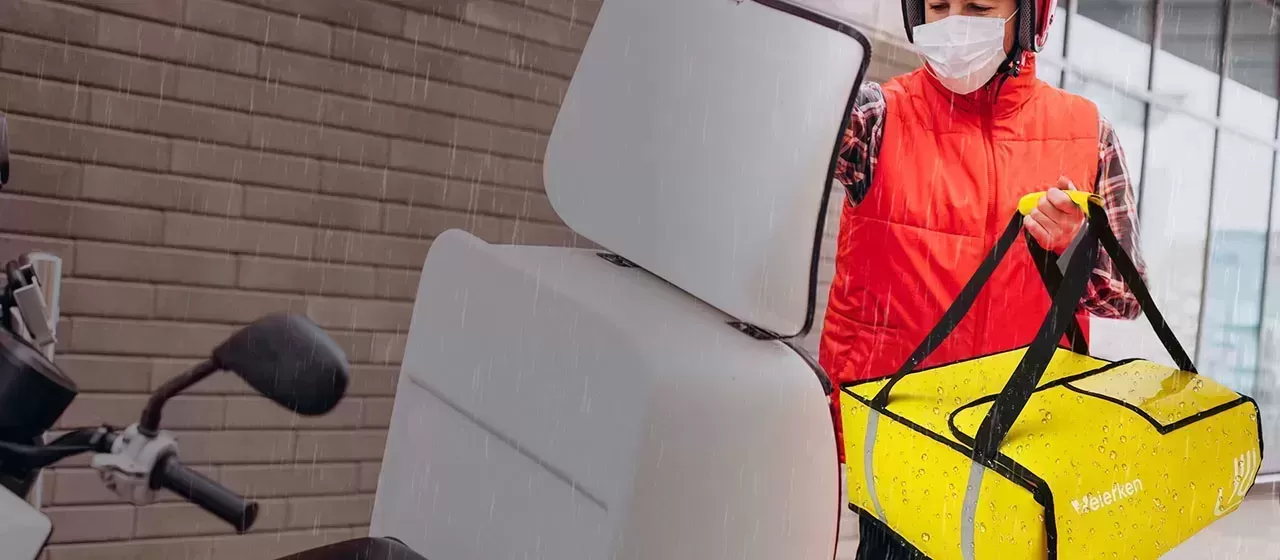
Transporting dairy products is a delicate logistics challenge. Fresh milk, yogurt, cream, and cheese require precise temperature management. Even a brief exposure to ambient heat can trigger bacterial growth, alter taste profiles, and shorten shelf life. Because of these risks, dairy companies cannot treat delivery bags as simple packaging materials.
Your delivery gear acts as the final thermal shield in the cold chain. Selecting the right dairy insulated bag maker ensures your inventory remains safe from the processing plant to the consumer's doorstep. As a specialist manufacturer, Weierken understands that procurement managers need to balance cost, performance, and compliance when choosing a long-term supply partner.
This guide provides six practical procurement tips to help you evaluate and choose a supplier that meets strict dairy distribution requirements.
1. Assess Insulation Performance and Multi-Layer Materials
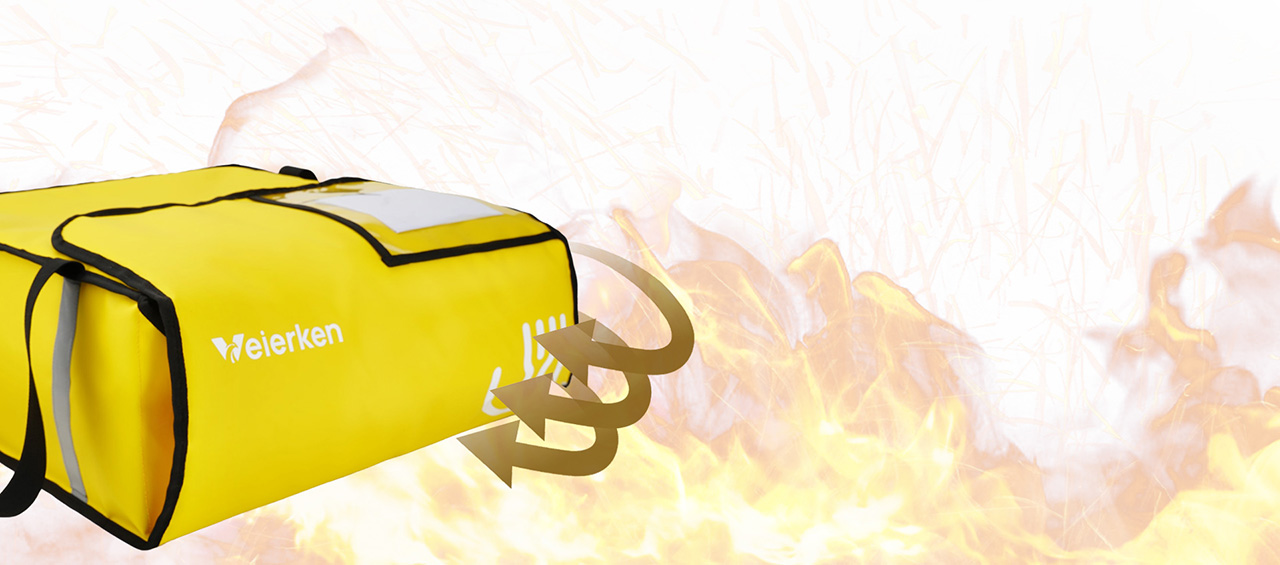
The core value of any insulated milk delivery bag lies in its thermal barrier. Dairy products generally need to remain between 2°C and 8°C during transport. To maintain this range, look for a multi-layer design that addresses conduction, convection, and radiation.
An effective thermal bag relies on three critical layers:
The Inner Lining: This layer must reflect radiant heat. Food-grade aluminum foil or high-quality PEVA is standard. Aluminum foil provides excellent heat reflection, while PEVA offers flexibility and easier cleaning.
The Insulation Core: This layer slows down heat transfer. Evaluate the thickness of the Expanded Polyethylene (EPE) foam or Polyurethane (PU) foam. For local milk delivery, we recommend a foam thickness of at least 5mm to 10mm.
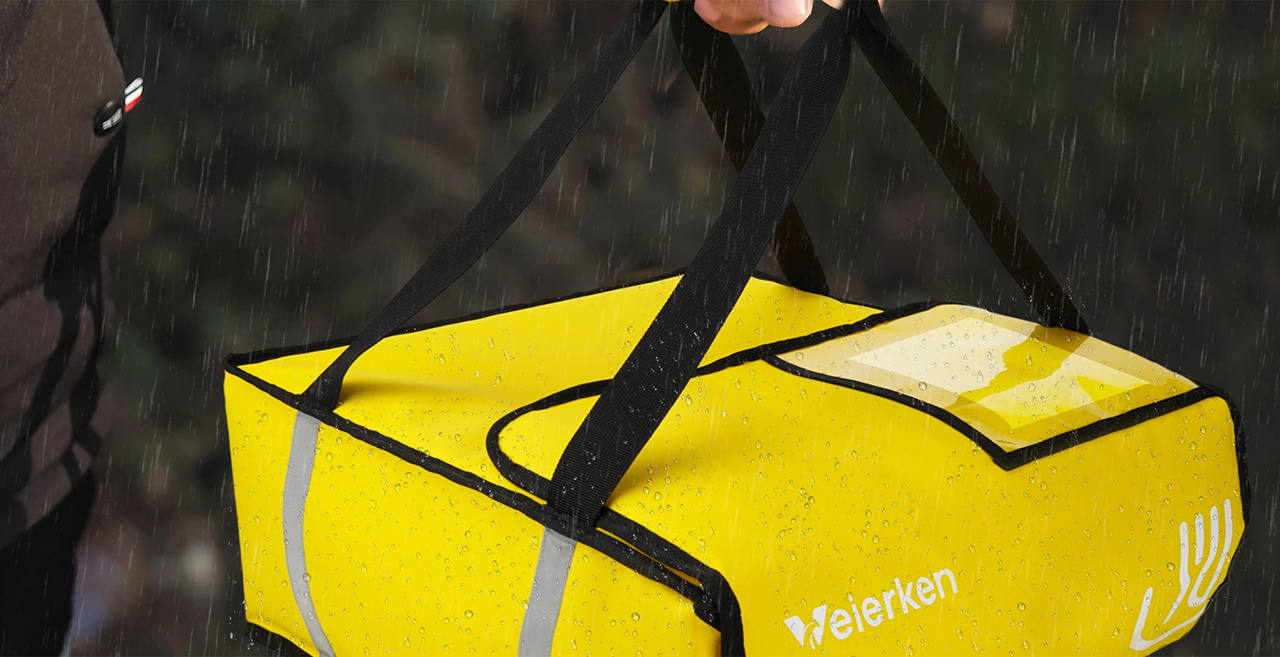
The Outer Shell: This layer protects the inner components from tearing and weathering. High-density materials like 600D or 1680D Oxford fabric, or heavy-duty TPU-coated materials, resist abrasion and water penetration.
When you contact a potential dairy thermal bag manufacturer, do not just accept verbal promises. Ask for temperature test reports. A reliable supplier should provide charts showing how their bags perform at different ambient temperatures over 4, 8, or 12 hours.
2. Verify Food-Grade Compliance and Safety Certificates
Dairy products are highly sensitive to chemical migration and odors. Since these bags operate in close proximity to food items, the materials must meet strict regulatory standards. Harmful substances in low-grade plastics can leach out under warm conditions or when exposed to condensation.
Your procurement team should demand specific compliance certificates from any prospective dairy insulated bag maker:
FDA & LFGB: Ensures that all interior materials, especially linings and zippers, are safe for food-contact environments.
REACH & RoHS: Confirms that the fabrics, foams, and plastics are free from heavy metals, phthalates, and restricted toxic substances.
ISO 9001 & BSCI: Demonstrates that the factory follows stable quality management processes and ethical manufacturing practices.
Additionally, pay close attention to odor control. Milk and butter easily absorb volatile organic compounds (VOCs) from their surroundings. Ask your manufacturer for documentation proving that their raw materials are non-toxic, food-safe, and odor-free.
3. Examine Leak-Proof Technology and Cleaning Protocols
Spills are inevitable in dairy distribution. A broken milk carton or a cracked yogurt tub can quickly ruin a delivery bag if the interior is not designed correctly. Traditional stitched seams allow liquids to seep into the insulation foam, creating a breeding ground for bacteria and mold.
To avoid sanitation issues, focus on the assembly methods used by the supplier:
| Assembly Method | Leak Risk | Sanitation Level | Best Suited For |
|---|---|---|---|
| Stitched Seams | High (Needle holes allow liquid penetration) | Difficult to clean; prone to mold in seams | Dry goods or short-distance, low-risk deliveries |
| Seamless Hot-Pressing | Zero (Heat-sealed joints prevent leakage) | Excellent; easy to wipe clean and sanitize | Fresh milk, liquid dairy, and ice-cream transport |
Work with a cold chain delivery bag supplier that uses high-frequency welding or hot-pressing for the inner lining. This creates a single, continuous barrier. In addition, ask if the lining material features antimicrobial coatings to prevent odor buildup between cleaning shifts.
4. Evaluate Customization Capabilities and Component Durability
Standard off-the-shelf bags rarely fit the exact dimensions of specialized milk bottles, crates, or cartons. Poorly fitted bags lead to wasted space, sliding containers, and product damage during transit. Customization is often necessary to optimize your logistics workflow.
A capable supplier should offer tailored structural options:
Adjustable Dividers: Internal velcro or foam dividers keep glass bottles upright and separated, preventing breakage.
Specialized Pockets: Dedicated compartments for eutectic gel plates or dry ice packs ensure even cooling without freezing the product.
Reinforced Hardware: Heavy-duty, water-resistant zippers, industrial-grade plastic buckles, and reinforced shoulder straps extend the bag's service life.
At Weierken, we collaborate closely with procurement managers to create custom prototypes. We analyze your specific bottle heights and crate dimensions to draft tailored technical files before starting mass production. This step prevents sizing errors and reduces total procurement risks.
5. Review Factory Capacity, MOQs, and Lead Times
The dairy market experiences seasonal demand fluctuations. Delivery volumes often spike during summer months or promotional campaigns. Your dairy insulated bag maker must have the production capacity to scale up manufacturing quickly when needed.
During your vendor evaluation, clarify the following logistics details:
Daily Production Capacity: How many units can the factory produce per day under normal operating conditions?
Sample Lead Time: How quickly can they deliver a physical prototype for field testing? (Standard times range from 5 to 7 days).
Minimum Order Quantity (MOQ): Is the MOQ reasonable for your initial pilot testing, and does it scale down for repeat orders?
Bulk Delivery Timeline: What is the typical turnaround time from purchase order approval to port delivery?
Choosing a manufacturer with modern, automated cutting and welding machinery helps minimize manual errors. Automated processes lead to consistent quality across large-volume orders and prevent unexpected shipment delays.
6. Focus on Sustainability and Long-Term Durability
Modern dairy corporations are under pressure to reduce their carbon footprints. Single-use packaging is increasingly phased out in favor of circular logistics solutions. Reusable, food-grade insulated bags play a significant role in meeting these green initiatives.
Discuss eco-friendly materials with your manufacturer. Many suppliers now offer exterior fabrics made from Recycled PET (RPET), which repurposes post-consumer plastic bottles. This helps align your supply chain with corporate sustainability targets.
However, the greenest bag is the one that lasts the longest. A cheap bag that wears out in three months generates more waste and higher long-term costs than a durable bag that lasts for two years. Calculate the total cost of ownership by dividing the unit price by the expected delivery cycles. Investing in high-quality materials and reinforced stitching ultimately lowers your cost-per-trip.
Choosing the Right Manufacturing Partner
Selecting a dairy insulated bag maker involves more than comparing unit prices. A low-cost bag that leaks, tears, or fails to maintain temperature will cost you much more in spoiled inventory and damaged customer relationships.
To secure your last-mile logistics, prioritize suppliers that offer food-grade certified materials, seamless leak-proof construction, and transparent thermal testing data. Partnering with an experienced manufacturer like Weierken ensures your fleet receives durable, high-performing equipment designed specifically for the dairy industry.
Ready to upgrade your cold chain delivery fleet? Contact our team at Weierken today to discuss your custom specifications, request physical material samples, or receive a detailed price estimate.
Frequently Asked Questions
1. What is the best inner lining material for a dairy insulated bag?
For fresh milk and dairy products, a food-grade PEVA or TPU lining is highly recommended. These materials are thick, highly leak-proof when heat-sealed, and easy to sanitize. While aluminum foil reflects heat well, it can tear more easily under heavy, repetitive use with sharp-edged milk crates.
2. Can these bags maintain temperatures below 4°C during hot summer days?
Yes, but the bag relies on passive cooling. To maintain temperatures below 4°C in hot weather, you must use gel ice packs or eutectic plates inside the bag. The multi-layer insulation (using 8mm to 10mm EPE/PU foam) prevents the external heat from rapidly melting the cold source, keeping the interior cold for hours.
3. How does high-frequency welding prevent bacterial growth?
Unlike traditional sewing, high-frequency welding fuses the lining panels together using heat and pressure. This eliminates needle punctures and stitched seams where spilled milk or condensation can pool. Without damp, unreachable crevices, bacteria cannot colonize the interior, making the bag safer for food transport.
4. What is the typical MOQ for a custom-sized insulated milk delivery bag?
MOQs vary depending on the level of customization. For standard shapes with custom logos, the MOQ often starts around 500 units. For fully customized structures requiring new tooling, molds, or specialized colors, MOQs generally range from 1,000 to 2,000 units. Weierken offers flexible options for initial trial phases.
5. How should our logistics staff clean and maintain the delivery bags?
Logistics staff should wipe the inner lining daily with a mild sanitizing solution or warm soapy water, then air-dry the bags completely before storage. Avoid machine washing or harsh chemical solvents, as these can degrade the heat-sealed seams, outer waterproof coatings, and thermal insulation foam.