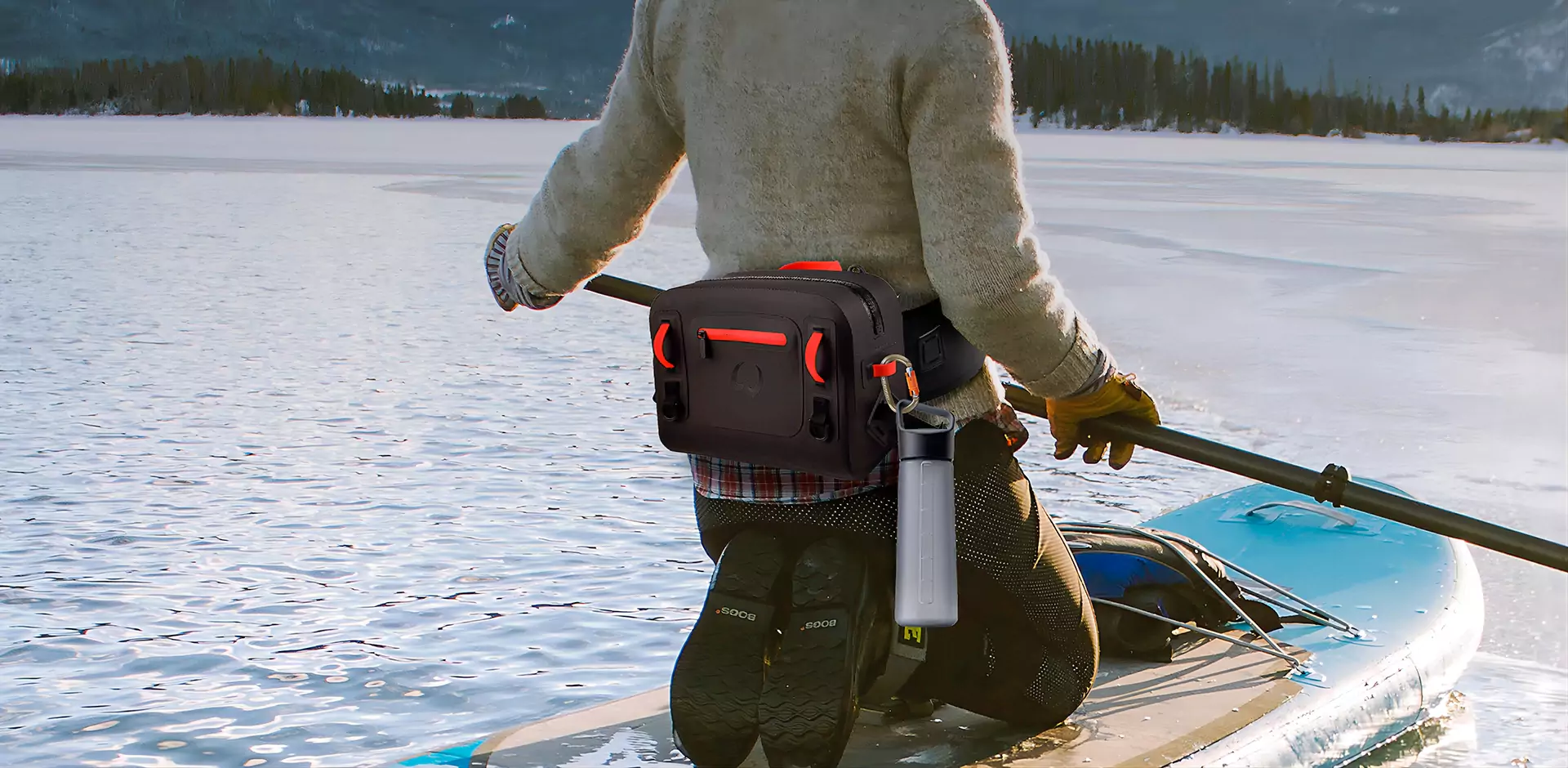
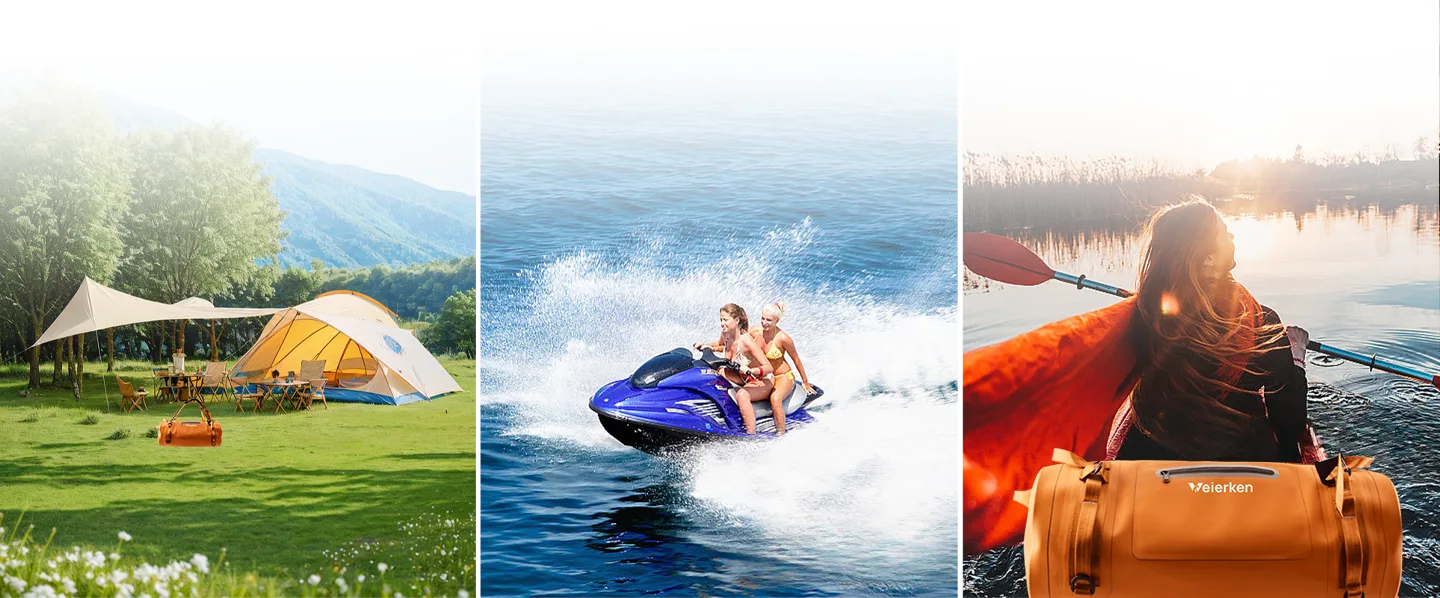
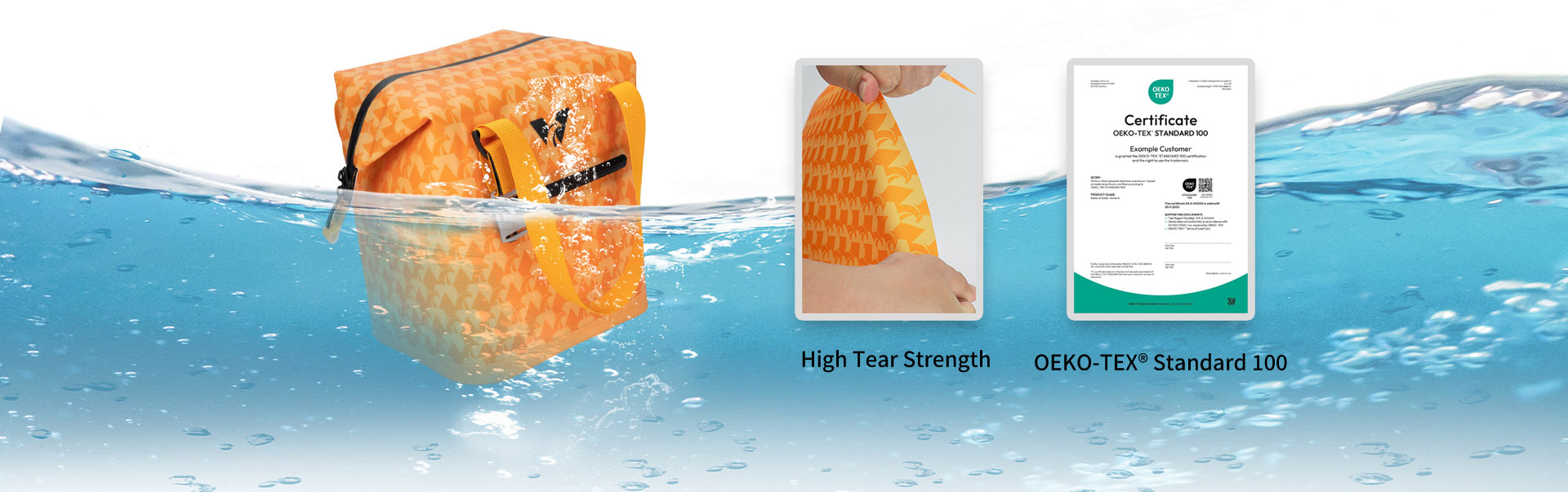
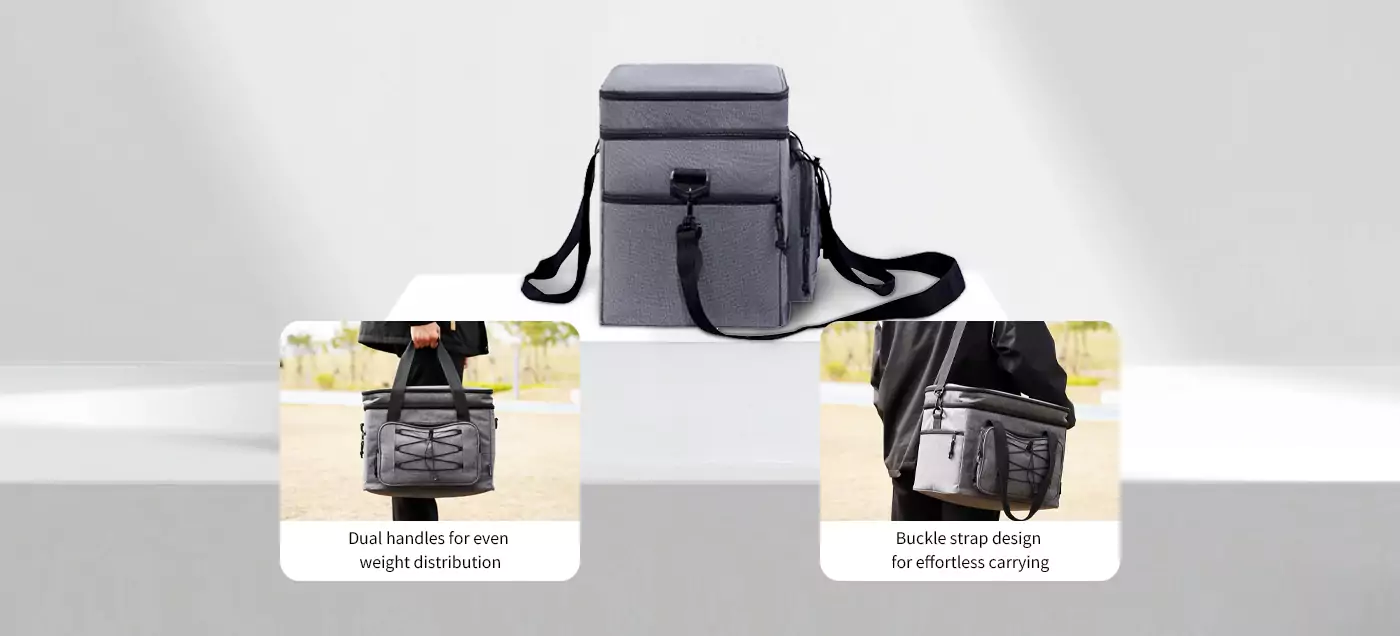
Kayaking puts outdoor gear through incredibly harsh conditions. Bags face constant sunlight, corrosive saltwater, intense humidity, and frequent abrasions from rocks and sand. You need products that survive these elements without failing.
As a B2B buyer, choosing the right kayaking bag fabricator determines your brand’s reputation. You cannot afford to cut corners on quality or safety. A single zipper failure or seam tear can ruin a customer’s equipment and destroy your brand trust.
At weierken, we know that meeting global manufacturing standards secures product reliability. Strict compliance also guarantees consumer safety and boosts your market competitiveness. You must hold your manufacturing partners accountable.
Here are the four essential global standards your custom dry bag supplier must meet to ensure top-tier production.
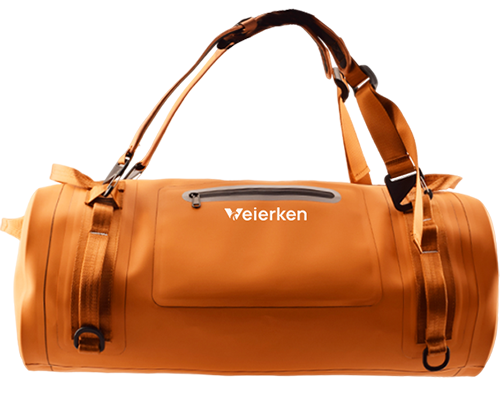
1. Waterproof Performance Standards: The IPX Rating System
The primary function of any kayak dry bag is protecting internal contents from water intrusion. Whether storing dry clothes, expensive electronics, or food, the bag must not leak.
The IPX rating system operates as the internationally recognized standard for measuring this waterproof capability. Defined by the IEC 60529 standard, it provides clear metrics for water resistance. You should never accept vague “waterproof” claims from a kayaking bag fabricator.
Core IPX Requirements for Kayak Bags
Different kayaking environments require different levels of protection. Your waterproof bag manufacturer should align their production with these specific ratings:
- IPX5 (Protection from water jets): The bag resists low-pressure water streams from any angle. This level suits daily paddling where minor splashes and short rain showers occur.
- IPX6 (Protection from powerful water jets): The bag withstands high-pressure water streams. You need this rating for rough weather conditions or heavy waves crashing over the kayak deck.
- IPX7 (Protection from temporary immersion): The bag survives submersion in 1 meter of water for exactly 30 minutes. This is critical for accidental capsizing or flooded kayak cabins.
Proof Required from Your Manufacturer
A professional kayaking bag fabricator will back up their claims with hard data. You must ask for physical proof before placing a bulk order.
- Request third-party testing reports based on the IEC 60529 standard that clearly state the achieved IPX rating.
- Ask for detailed explanations of their sealing techniques. They should use high-frequency welding or seamless tape sealing rather than standard stitching.
- Require technical drawings of vulnerable areas. Review their roll-top closure systems and waterproof zipper implementations.
2. Material Durability Standards: Anti-Hydrolysis and UV Resistance
Kayak bags spend hours exposed to blazing sun and heavy moisture. These environmental factors quickly degrade cheap materials.
Moisture causes hydrolysis, a process where water molecules break down the material’s polymer chains. Sunlight causes UV aging, which leads to color fading and severe brittleness. International standards provide clear testing methods to prevent these issues.
Core Durability Requirements
Your outdoor gear supplier must source fabrics that survive long-term exposure. B2B buyers should look for specific testing benchmarks.
- Anti-Hydrolysis Resistance: Fabrics must pass the ISO 1419 or ISO 2440 accelerated aging tests. After exposure to extreme heat and humidity, the material must retain at least 80% of its original strength.
- Anti-UV Aging: Materials must pass the ISO 4892-2 or ASTM G154 tests. These tests simulate hundreds of hours of direct sunlight (e.g., 500 or 1000 hours). The fabric should show minimal color fading and acceptable strength degradation.
Proof Required from Your Manufacturer
Do not trust visual inspections alone. Durability requires chemical engineering at the fabric level.
- Demand third-party laboratory reports for both anti-hydrolysis and UV aging tests.
- Ask the kayaking bag fabricator to declare the specific types and percentages of anti-hydrolysis agents used in the fabric.
- Verify the exact UV stabilizers mixed into the material coating during the production phase.
3. Eco-Friendly and Safety Standards: REACH & RoHS
Selling kayak bags in European and North American markets requires strict legal compliance. If your products contain banned chemicals, customs authorities will seize your shipments.
You also face massive fines and severe damage to your brand reputation. A responsible kayaking bag fabricator like weierken integrates these chemical checks early in the sourcing process. Compliance is non-negotiable for serious brands.
Core Chemical and Safety Requirements
Understanding regional laws helps you write better purchasing contracts. Your factory must understand these three major regulations:
- REACH Regulation (EU): Products must not contain Substances of Very High Concern (SVHC) exceeding 0.1% by weight. Restricted chemicals include phthalates, heavy metals, and polycyclic aromatic hydrocarbons (PAHs).
- RoHS Directive (EU): This restricts hazardous substances in electrical equipment. If your bag features built-in solar panels or electronic GPS pouches, the factory must avoid lead, mercury, cadmium, and hexavalent chromium.
- CA Prop 65 (USA): If you sell in California, the product must carry warning labels if it contains any chemicals known to cause cancer or reproductive toxicity.
Proof Required from Your Manufacturer
You need documented evidence to protect your business from legal liabilities.
- Obtain complete REACH screening reports for SVHCs from certified third-party labs like SGS or TÜV.
- Request RoHS compliance testing reports if the bags incorporate any electronic components.
- Collect a formal Material Declaration and a Declaration of Conformity (DoC) signed by the factory management.
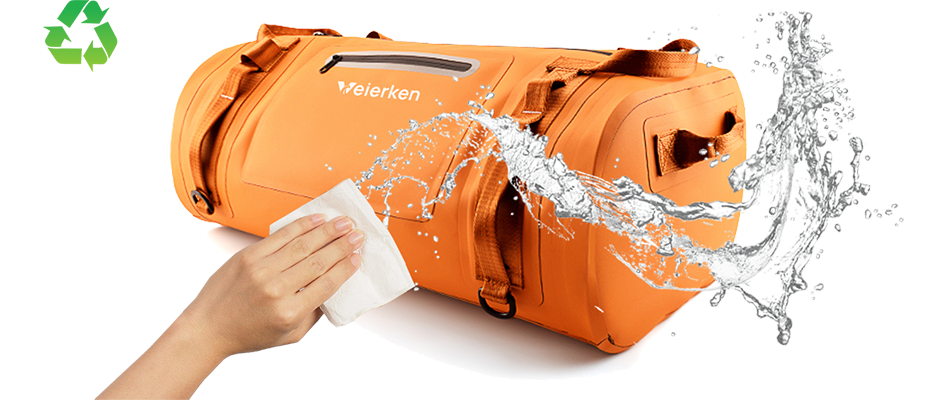
4. Social Responsibility Standards: BSCI / Sedex
Modern consumers care about who makes their products and how those workers are treated. Western brands place heavy emphasis on ethical supply chains.
Partnering with an audited kayaking bag fabricator ensures long-term business sustainability. It protects your brand from PR disasters associated with sweatshop labor. Ethical manufacturing also correlates directly with better product quality and lower staff turnover.
Core Social Compliance Requirements
Global auditing frameworks help you evaluate a factory’s working conditions objectively. Look for factories participating in these specific programs:
- BSCI (Business Social Compliance Initiative): This audits the factory on working hours, fair remuneration, child labor, forced labor, and occupational health. Buyers typically require a rating of C or higher.
- SMETA (Sedex Members Ethical Trade Audit): This framework covers labor standards, health and safety, environmental performance, and business ethics.
Proof Required from Your Manufacturer
Social responsibility requires ongoing transparency.
- Ask for a valid, up-to-date BSCI or SMETA audit report.
- Review the report to ensure the factory has zero critical non-compliance issues (such as child labor).
- If the auditor noted minor issues, demand to see the factory’s Corrective Action Plan (CAP) and proof of its completion.
Actionable Checklist for B2B Buyers
Managing a reliable supply chain requires strict oversight. You cannot assume a waterproof gear manufacturer will meet these standards automatically. Use this checklist to enforce quality and compliance during your procurement process.
- Verify Waterproofing: Ask the kayaking bag fabricator for IPX rating test reports. Perform your own random submersion tests on pre-production samples before approving the bulk run.
- Confirm Material Longevity: Collect anti-hydrolysis and UV aging reports. Confirm the fabric composition specifically suits long-term marine environments.
- Check Environmental Compliance: Mandate REACH and RoHS test reports. Have the factory sign a legally binding environmental compliance guarantee.
- Audit Social Responsibility: Request their latest BSCI or Sedex audit documents. Schedule a physical or third-party factory inspection if necessary.
- Lock in the Contract: Write all four global standards directly into your purchasing agreement. Clearly define the financial penalties and return mechanisms if the bulk order fails to meet these metrics.
Frequently Asked Questions (FAQs)
Q1: What happens if a kayaking bag fabricator fails the IPX7 submersion test?
If a bag fails IPX7 testing, it means water breaches the seams, zippers, or roll-top closure under pressure. You must reject the prototype. The factory needs to re-engineer the high-frequency welding process or source better waterproof zippers before you proceed with the order.
Q2: How often should my custom dry bag supplier update their REACH compliance reports?
The European Chemicals Agency (ECHA) updates the REACH SVHC list roughly twice a year. Your kayaking bag fabricator should provide new material testing reports annually, or whenever they change raw material suppliers, to ensure ongoing compliance.
Q3: Does adding UV resistance and anti-hydrolysis agents make the bag material heavier?
No, these agents are microscopic chemical additives integrated during the fabric coating process. They do not add noticeable weight to the material. They simply alter the polymer structure to resist degradation from sunlight and water exposure.
Q4: Why do I need BSCI reports if I only care about product quality?
Factory conditions directly impact product quality. Factories that mistreat workers suffer from high turnover, which leads to inexperienced staff operating complex high-frequency welding machines. An ethical kayaking bag fabricator retains skilled workers, resulting in consistent, high-quality production.
Q5: Can I request high-frequency welding from any standard bag factory?
No. High-frequency (HF) welding requires specialized machinery and technical expertise. Traditional cut-and-sew factories cannot produce truly waterproof dry bags. You must partner with a specialized kayaking bag fabricator that owns HF welding equipment and understands waterproof engineering.
Securing a high-quality product requires vigilance and strict adherence to global standards. By demanding IPX waterproof ratings, advanced material durability, chemical safety, and ethical labor practices, you protect your brand and your customers.
At weierken, we prioritize these standards to deliver premium, reliable waterproof gear to our B2B partners worldwide.
Ready to upgrade your product line with a certified manufacturing partner?
Contact us today for a detailed quotation and let us help you build industry-leading kayak bags. Send us your inquiry now!