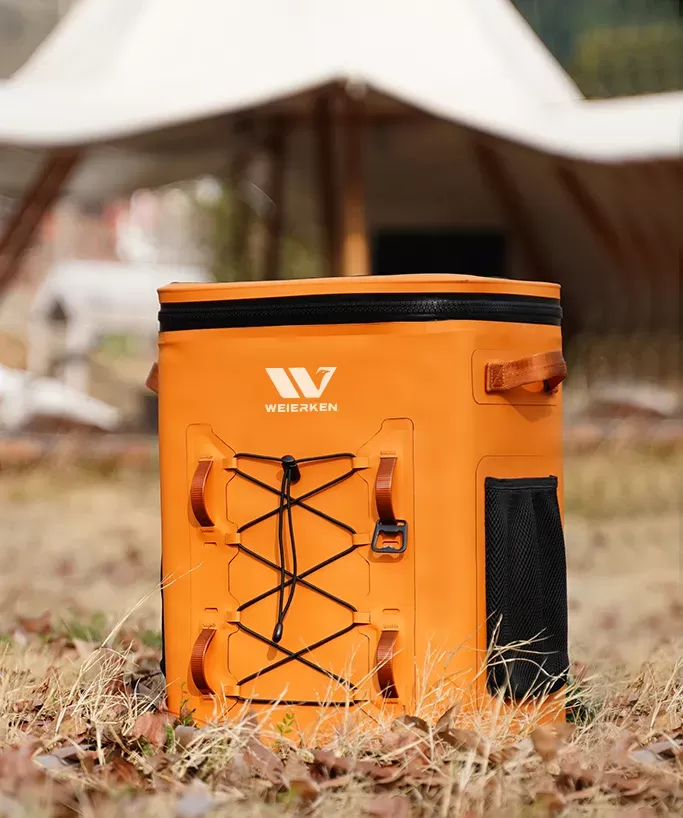

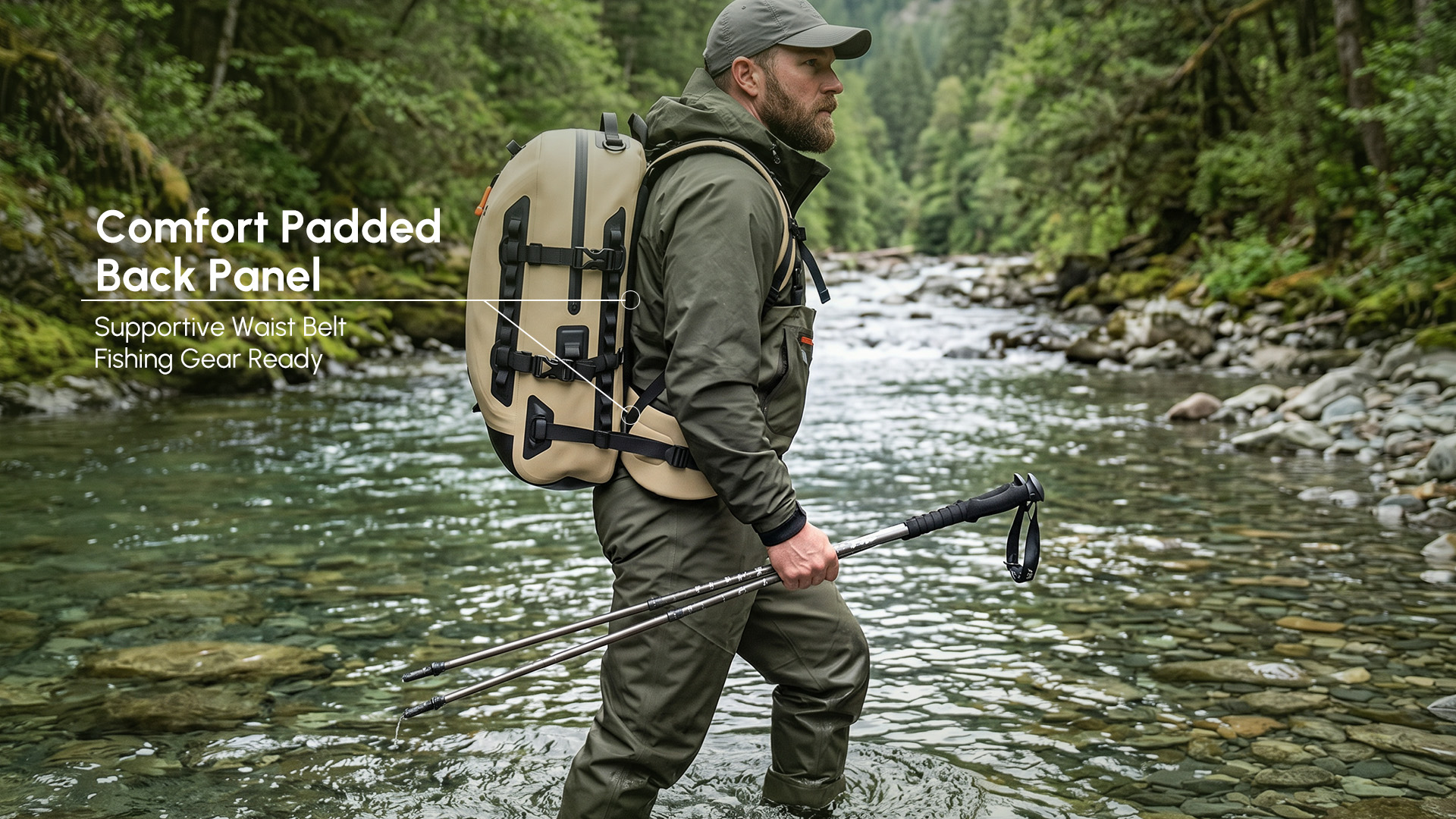
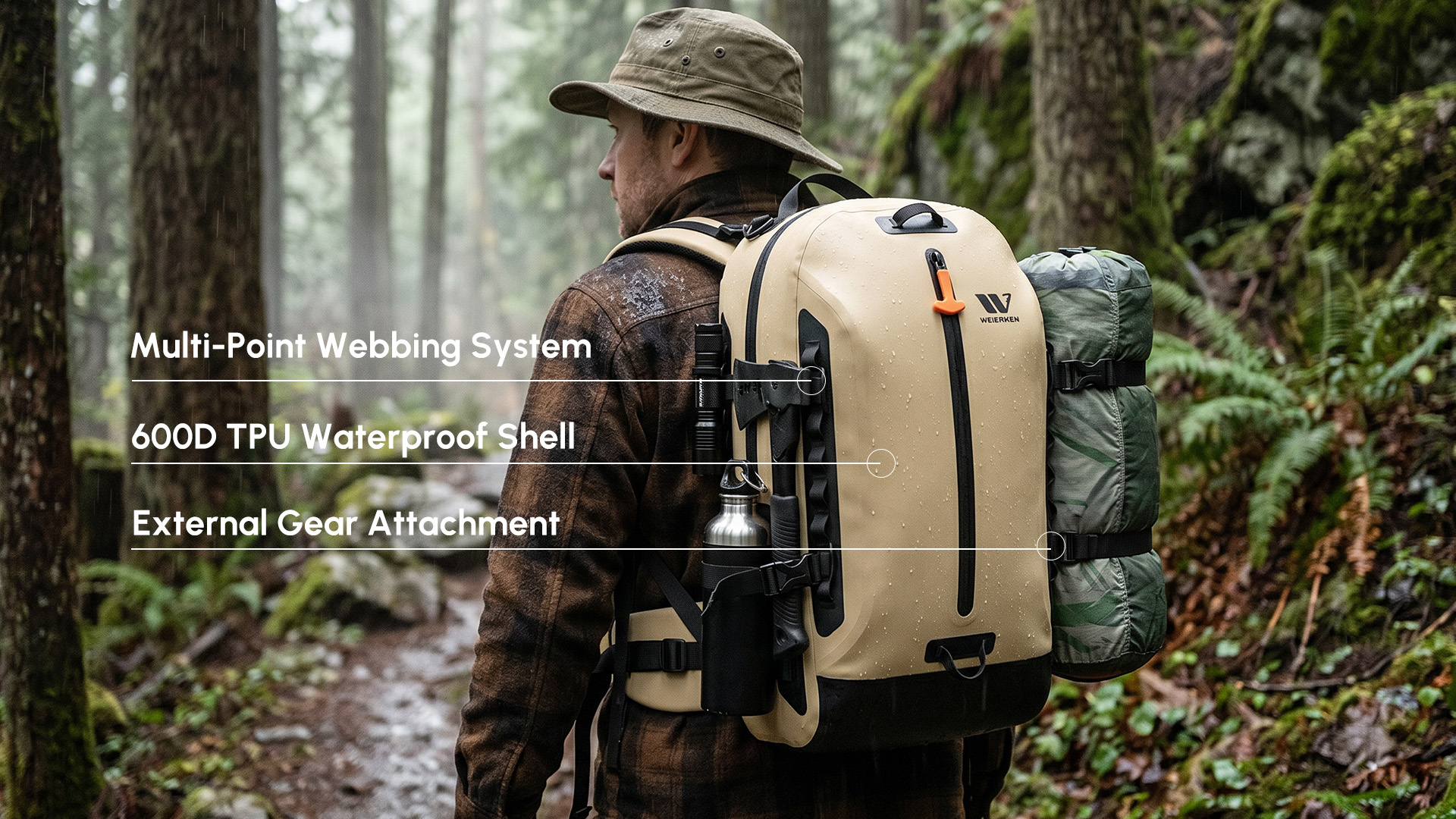
Marine gear bags endure severe conditions. Saltwater spray, harsh UV radiation, heavy loads, and rough boat decks quickly destroy low-grade equipment.
Building a high-performance deck bag, dry duffel, or diving gear pack requires precise manufacturing. High-frequency welding, airtight zipper assembly, and specialized TPU coatings demand genuine technical expertise.
Working through trading companies often creates communication breakdowns. Middlemen rarely understand welding temperatures or air-pressure tolerances, leading to costly product defects and delayed shipments.
Partnering directly with an established marine gear bag supplier gives your brand full control over product quality, production costs, and supply chain security. Below are four key benefits of going straight to the factory source.
1. Cost Optimization and Tariff Mitigation Strategies
Middlemen charge extra to cover their overhead. Working through third-party agents can add 15% to 30% to your final unit cost without adding real value to your product.
Direct factory relationships eliminate these markups. You deal straight with the manufacturer, locking in lower prices for raw materials like heavy-duty 840D TPU and waterproof hardware.
Global trade rules change constantly. Import duties and tariffs—such as Section 301 tariffs on goods manufactured in China—can severely hit margins for North American and European brands.
A direct factory partner with multi-country facilities offers a proven solution to trade barrier risks. Having flexible manufacturing bases allows you to ship goods without high tariff surcharges.
Weierken operates over 80,000 square meters of manufacturing space across three self-owned facilities in China and Cambodia. Sourcing your custom sailing equipment bag line directly from our Cambodia factory helps US buyers legally bypass Section 301 tariffs.
Direct factory pricing: Cuts out middleman margins to protect your retail profits.
Strategic tariff avoidance: Duty-free export capabilities from Cambodia to major Western markets.
Bulk material sourcing: Lower raw material costs passed directly down to your brand.
2. Direct Engineering Support and Deep R&D Customization
Marine bags require technical assembly rather than simple cut-and-sew operations. Waterproof bags rely on Radio Frequency (RF) high-frequency hot pressing to fuse fabric seams together permanently.
When you work through brokers, technical specs get lost in translation. Product managers end up playing telephone with foreign factories, leading to ruined prototypes and missed launch dates.
Direct access to a specialized marine gear bag supplier connects your product team straight with factory engineers. You can adjust TPU coating thicknesses, refine IPX8 airtight zipper placement, and tweak ergonomic harness points on the spot.
Weierken brings 20 years of technical bag manufacturing experience to every project. Our dedicated R&D team works directly with your technical designs to build functional prototypes quickly.
We deliver physical samples within 7 to 10 days. Our engineers review your concepts, suggest seam reinforcements, and help design products built specifically for harsh ocean environments.
7 to 10-day prototyping: Rapid sample creation speeds up your time-to-market.
Engineer-to-engineer collaboration: Direct technical talks eliminate costly design mistakes.
Advanced material choices: Access to durable TPU, PVC, and eco-friendly recyclable fabrics.
3. Traceable Quality Control and Rigorous Airtight Testing
A leak in a marine dry bag can ruin expensive electronic gear, satellite phones, or dry clothing. Water ingress on the ocean ruins brand reputations fast.
Trading vendors rarely run their own quality inspection facilities. They rely on basic third-party spot checks, which miss tiny pinholes or weak seam bonds that open up under load.
A direct factory partner enforces strict quality control at every stage of production. Incoming materials undergo thorough testing before cutting even begins.
Factory inspectors check fabric tensile strength, coating adhesion, and hardware salt-spray resistance before assembly. During production, automated RF machines maintain precise temperature and pressure settings across every seam line.
Weierken employs more than 3,000 skilled craftspeople across our facilities. Every single waterproof gear bag we build undergoes 100% inflation testing and seam pull testing before packing.
This systematic Quality Control setup ensures high seam strength, strict IPX8 submersion standards, and near-zero defect rates. You receive reliable products that build consumer trust and keep product return rates low.
100% inflation testing: Every dry bag gets pressure tested to prevent air leaks before dispatch.
Raw material inspection (IQC): Thorough testing of TPU coatings and zippers keeps material defects out of production lines.
Salt-spray testing: Metal and plastic hardware undergo testing to verify corrosion resistance in marine settings.
4. High-Volume Scalability and Supply Chain Visibility
The marine and outdoor watersports market experiences sharp seasonal spikes. Brands need vendors who can scale up output fast ahead of peak summer retail cycles.
Small sourcing agents rarely command reserved line capacity at contract manufacturing plants. When demand surges, your order gets pushed back while larger accounts take priority.
Direct relationships with large-scale factories give you guaranteed line space and scalable production output. You can increase order sizes confidently, knowing your supplier has the physical footprint to meet tight retail deadlines.
Working directly with the factory also gives you clear production tracking. You receive real-time updates directly from shop floor managers without non-factory intermediaries hiding delays.
With 80,000+ square meters of factory floor space, Weierken handles large-scale OEM orders smoothly. We serve over 2,000 global brands, maintaining line stability and reliable delivery schedules season after season.
Massive monthly capacity: Expansive floor space supports high-volume manufacturing runs during peak periods.
Clear progress tracking: Receive real-time production updates straight from factory managers.
Stable supply chains: Long-term raw material agreements keep lead times predictable year-round.
Sourcing Guide: How to Evaluate a Marine Gear Bag Supplier
Selecting the right custom dry bag factory requires careful verification. Look beyond basic sales presentations and evaluate a factory's technical setup directly.
Use this evaluation checklist when auditing potential manufacturing partners for your marine gear line:
RF high-frequency equipment: Confirm the factory owns dedicated high-frequency welding lines and airtight testing rooms rather than standard sewing gear alone.
Environmental certifications: Verify that materials meet international REACH, RoHS, or CA Prop 65 safety rules.
Multi-country footprint: Check if the manufacturer operates facilities outside high-tariff zones, like a dedicated Cambodia plant.
Proven OEM history: Review past work samples for top-tier water sports, diving, or outdoor equipment brands.
Build Your Product Line with a Proven Direct Partner
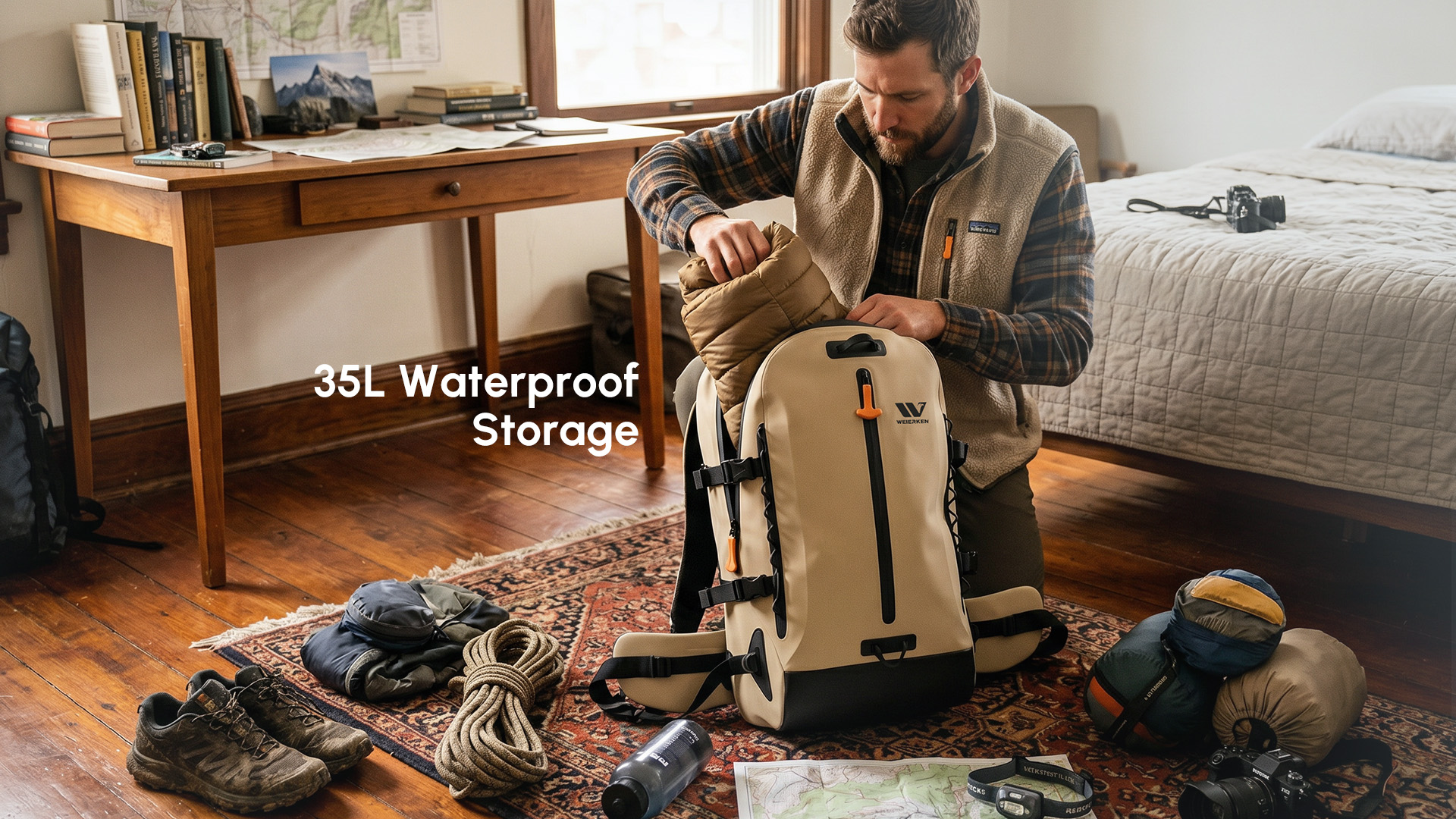
Sourcing your marine gear bags directly from a primary factory protects your business from unnecessary markups, hidden defects, and supply chain delays. Direct factory access gives your team full control over material choices, precise engineering specs, and quality standards.
In a competitive outdoor industry, working directly with an experienced marine dry bag manufacturer gives your product line a real operational advantage.
Looking for a reliable, factory-direct marine gear bag supplier? Partner with Weierken. With 20 years of OEM/ODM expertise, 3 self-owned factories in China and Cambodia, and trusted by over 2,000 global brands, we build high-performance marine bags that perform under pressure.
Frequently Asked Questions (FAQ)
1. Why should I choose a marine gear bag supplier with factories in Cambodia?
Working with a manufacturer that operates facilities in Cambodia helps North American and European buyers avoid heavy tariffs, such as Section 301 duties on Chinese exports. This dual-base setup offers lower labor costs, stable trade conditions, and lower overall unit prices while preserving high manufacturing standards.
2. What is the difference between RF welding and standard stitching for marine bags?
Standard stitching uses needles that punch thousands of tiny holes through fabric, requiring seam tape to block water. RF (Radio Frequency) high-frequency welding uses electromagnetic energy to melt TPU or PVC coatings together at the molecular level. This creates seamless, permanent, 100% waterproof bonds that resist heavy stress and submersion.
3. How does Weierken test the airtightness of custom dry bags?
We subject every waterproof bag to 100% inflation and pressure-hold testing before packing. Bags are fully inflated and monitored for pressure drops over set periods to catch tiny micro-pinholes, weak seams, or faulty airtight zipper seals before shipment.
4. What is the standard sample lead time for an OEM marine gear bag project?
At Weierken, our specialized R&D team delivers complete physical prototypes within 7 to 10 days. This rapid turnaround time lets you inspect build quality, test performance features, and approve design changes quickly before launching mass production.
5. Can custom marine gear bags meet strict environmental standards like REACH or RoHS?
Yes. As a global marine gear bag supplier, Weierken sources raw materials that comply strictly with REACH, RoHS, and California Proposition 65 regulations. We offer eco-friendly, non-toxic, and phthalate-free TPU options tailored specifically to your regional target market requirements.
6. What is the minimum order quantity (MOQ) when sourcing directly from your factory?
Our baseline OEM minimum order quantities depend on specific fabric custom colors and structural designs. However, our large production scale allows us to offer flexible MOQ tiers for growing brands while keeping bulk pricing advantages intact. Contact our team to discuss your project scale.