

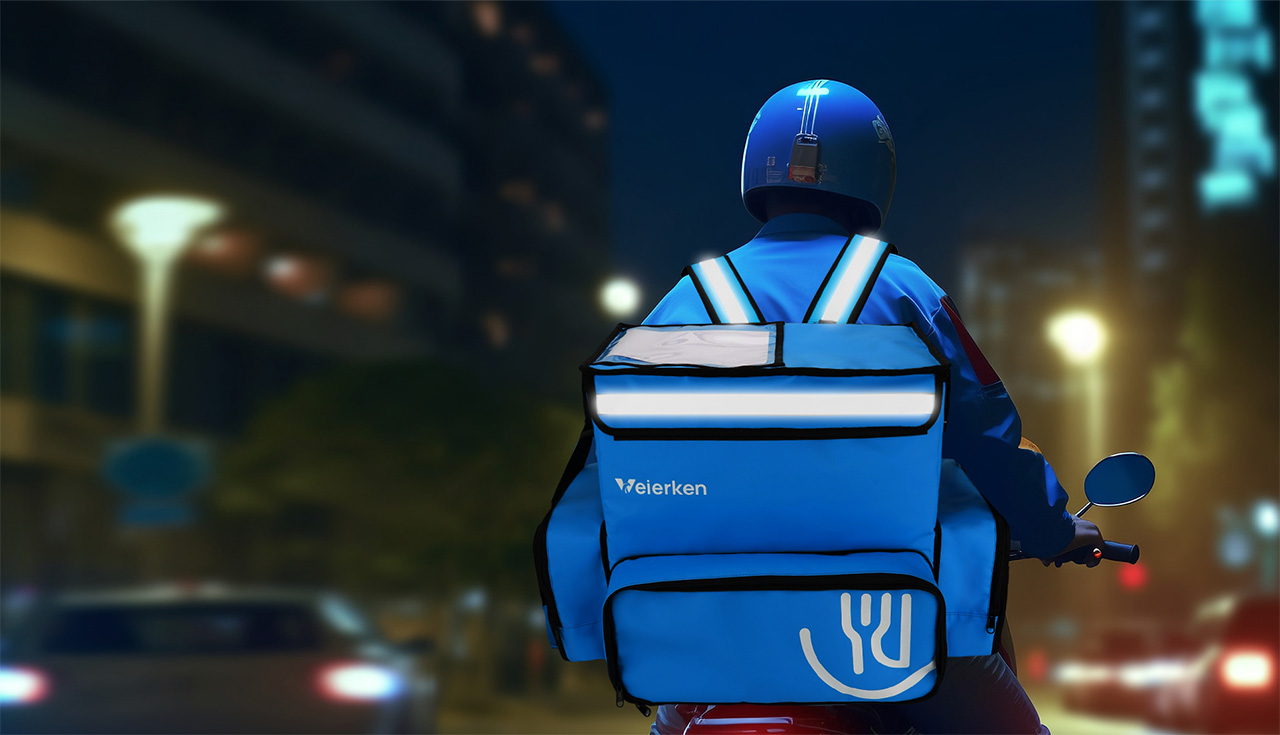
Dessert delivery is risky business. While a warm pizza can tolerate a bumpy ride, a delicate raspberry mousse or a tiered buttercream cake cannot. In the bakery sector, customer perception hinges entirely on how the product looks when the box opens.
Industry data shows that over 65% of negative reviews for bakery deliveries cite melted toppings, crushed corners, or collapsed fillings. When delicate pastries arrive ruined, customers do not blame the courier. They blame the bakery.
A takeaway carrier is not just a paper sack. It functions as a mobile micro-cold-chain unit and a walking billboard. Packaging manufacturers like Weierken build custom solutions to solve these logistical headaches. Before issuing your next purchase order for branded delivery bags for dessert shops, review these four reliable engineering specifications.
1. Thermal Insulation and Condensation Defense
Pastries, custards, and ice creams demand precise temperature management. Ambient humidity and outdoor heat rapidly degrade dairy emulsions and gelatin-based glazes. Standard single-layer kraft bags fail within fifteen minutes under direct summer sun.
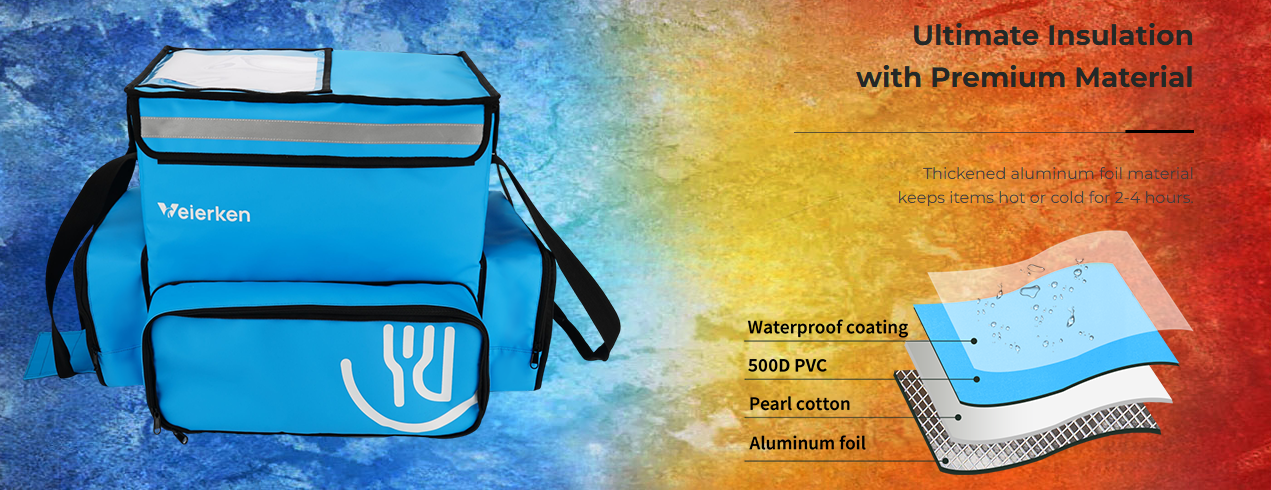
To preserve structural integrity and food safety, you must specify thermal composite layering.
Lamination Core: Insulated paper carriers must incorporate an aluminum foil interior bonded to Expanded Polyethylene (EPE) pearl cotton foam.
Optimal Thickness: A foam thickness between 2mm and 3mm provides the best balance between insulation performance and folding flexibility. This setup maintains interior temperatures below 8°C (46°F) for up to 120 minutes when packed with standard frozen gel packs.
Anti-Condensation Barriers: Ice packs generate condensation as they absorb ambient heat. Moisture softens standard unlined paper, causing bottoms to tear open mid-transit. A food-contact-grade metallized film prevents water penetration, keeping the paper exterior rigid and dry.
Without an effective thermal barrier, even the most artful packaging will fail its core mission: delivering edible, pristine desserts.
2. Wide-Base Stabilization and Structural Integrity
Standard retail paper bags feature narrow bases built for books, clothing, or upright meal containers. Bakeries require horizontal stability. Bento cakes, 8-inch celebration cakes, and tart assortments must sit flat.
Tilting ruins intricate piping work. A reliable delivery bag must eliminate horizontal shifting and base sagging.
Square-Bottom Geometry
Specify a wide, square-bottom (block-bottom) profile. The base width must equal or slightly exceed standard bakery box dimensions. Look for base measurements between 200mm and 260mm (8 to 10.5 inches). This allows cake boxes to slide directly to the bottom without catching on the side gussets.
Reinforced Insert Baseboards
Paper bows under concentrated weight. When the base curves, the cake box tilts, pressing delicate icing against the box lid. Demand a rigid insert baseboard made from 350gsm to 450gsm white coated cardboard.
This baseboard distributes weight across the entire bottom surface, keeping pastry boxes horizontal throughout the courier's journey.
High-Tensile Handle Anchoring
A dropped dessert is a total loss. Bags holding multiple pastry boxes can weigh between 2kg and 4kg. Standard twisted paper handles glued with water-soluble adhesive present a major point of failure.
Specify wide flat paper handles or heavy-duty woven polypropylene/cotton tape.
Ensure the handles feature cross-glued reinforcement patches using industrial hot-melt adhesives.
Require a certified tensile pull strength of at least 5kg (11 lbs) to survive sudden drops and abrupt courier handoffs.
3. Certified Food-Grade Substrates and Grease Barriers
High-end baking relies on butter, shortening, vegetable oils, and sugar syrups. Traditional uncoated paper absorbs these fats rapidly. Butter seepage leaves unsightly translucent spots across the bag exterior, undermining the perceived luxury of your brand.
Raw materials must comply with food-contact regulations while maintaining structural resilience.
Substrate Selection
Choose virgin kraft paper with a minimum substance weight of 120gsm to 150gsm. Virgin fibers provide higher tear resistance than recycled pulp, especially in damp conditions. Procuring FSC-certified (Forest Stewardship Council) paper signals clear environmental responsibility to conscious consumers.
Grease-Resistant Linings
Specify an inner surface treatment that halts fat migration without hindering recycling goals:
PLA Bio-Coating: Polylactic acid derived from cornstarch offers a petroleum-free grease barrier. It resists buttery seepage from croissants, brioches, and cookies while supporting commercial compostability.
Aqueous Barrier Coatings: Water-based dispersion coatings block oils and grease without forming a plastic film. This keeps the bag fully repulpable in standard municipal paper streams.
Regulatory Compliance: Verify that the finished composite holds direct-contact certification under FDA 21 CFR or European Regulation (EC) No 1935/2004.
At Weierken, material testing guarantees that barrier liners resist warm grease saturation without emitting chemical odors that could taint delicate pastry aromas.
4. Precision Printing, Premium Finishes, and Tamper-Evident Closures
Dessert dining is an emotional purchase driven heavily by social media sharing. The unboxing process begins the moment the customer receives the bag from the courier. Poor graphics or sloppy glue seams damage the bakery's image before the pastry box is even opened.
High-Fidelity Color Matching
Confectionery brands often rely on delicate pastel tones—blush pinks, sage greens, and soft creams. Flexographic printing on brown kraft paper frequently mutes these shades, shifting colors toward muddy gray.
Use white kraft paper combined with soy-based or water-based inks matched to the Pantone Matching System (PMS). This guarantees strict color accuracy across recurring print runs.
Surface Embellishments
Tactile finishes elevate the unboxing journey. Consider combining a soft-touch matte lamination with targeted spot UV gloss on your logo. This contrast creates a premium retail presentation that encourages customers to take photos and post their orders online.
Tamper-Evident Safety Mechanisms
Third-party courier delivery introduces hygiene concerns. Customers worry about drivers opening boxes or contaminating food in transit. An insecure bag leaves your business vulnerable to refund fraud and safety complaints.
Peel-and-Seal Adhesive Strips: Built-in double-sided adhesive strips along the top collar create a clean seal. The customer must rip the perforated paper strip to access the interior, providing immediate proof of tampering.
Custom Die-Cut Lock Tabs: Interlocking card tabs offer a mechanical seal that shows visible stress marks or tears if opened prematurely.
B2B Sourcing Strategies: Balancing MOQs and Storage Limits
Selecting the right technical specifications is only half the battle. Procurement managers must balance per-unit costs against storage constraints. Dessert shops and boutique bakeries frequently operate in dense urban areas with minimal back-of-house storage.
Managing Minimum Order Quantities (MOQ)
Fully bespoke flexographic manufacturing lines require long setup times, driving minimum orders to 5,000 or 10,000 units. For growing businesses or seasonal campaigns, this ties up cash flow and floor space.
Consider a tiered purchasing strategy:
Emerging Single-Store Boutiques: Select standardized, plain insulated carriers in bulk, then apply custom branding via precision screen-printing or high-adhesion labels at runs of 500 to 1,000 units.
Multi-Location Chains: Leverage automated roll-fed flexo printing at 10,000+ units to minimize unit costs, scheduling split shipments across quarterly delivery cycles.
Flat-Pack Efficiency and Logistics
Rigid cake carriers waste substantial transit space. Specify bags engineered with gusset pre-creasing that fold down completely flat. Flat-packed bags save up to 40% in shipping volume and backroom shelf space compared to semi-rigid delivery boxes.
Frequently Asked Questions
Q1: What foam thickness works best for frozen dessert delivery bags?
A1: An EPE foam core between 2mm and 3mm provides the ideal compromise. It insulates frozen products for 1 to 2 hours when paired with ice gel packs, yet folds flat enough for cost-effective shipping and compact storage.
Q2: How do square-bottom delivery bags prevent pastry boxes from sliding?
A2: Square-bottom bags feature equal side and base dimensions (ranging from 200mm to 260mm) matching standard square pastry boxes. The snug fit, combined with a 400gsm rigid cardboard base insert, prevents tilt and slide during transit.
Q3: Are branded delivery bags for dessert shops recyclable if they include thermal foil?
A3: Bags utilizing laminated aluminum foil and foam require specialized separation processes and cannot go into standard curbside paper recycling. However, newer alternatives using insulated paper-bubble linings or water-dispersed barrier coatings allow full curbside recycling.
Q4: Which printing process best captures soft pastel bakery colors?
A4: Offset printing or high-definition flexographic printing on bleached white virgin kraft paper produces the sharpest pastel reproduction. Specifying Pantone (PMS) spot colors avoids the shifting tones common in four-color CMYK process printing.
Q5: How can a bakery stop ice pack condensation from tearing the bag?
A5: Specify an interior lining made from metallized polyester film or an aqueous moisture barrier. This film blocks liquid from reaching the outer kraft paper layers, preserving the bag's bottom strength even when ice packs sweat.
Q6: What minimum tensile strength should we specify for pastry bag handles?
A6: Handles should carry a certified tensile rating of 3kg to 5kg. Ensure the handles use hot-melt adhesive patches or reinforced rivet backings to handle dynamic motion when couriers walk or ride scooters.
Secure Your Signature Confections in Transit
Every pastry leaving your kitchen represents your culinary skill and brand identity. Skimping on delivery packaging risks damaged products, wasted ingredients, and disappointed customers.
Investing in engineered branded delivery bags for dessert shops safeguards your goods through the final mile. Focus on four core parameters: composite insulation, wide reinforced bases, certified grease barriers, and secure closures. These features turn transit packaging into a powerful driver of customer retention.
Weierken engineers functional, eye-catching packaging designed for commercial bakeries and luxury dessert houses. Contact our engineering team today to review technical drawings, request a free sample kit, or receive a tailored quotation for your business.