
Dairy thermal bags are not standard, off-the-shelf items. Every business requires unique dimensions, specific holding times, and tailored branding. A cheese distributor needs different insulation properties than a home-delivery fresh milk service.
Working directly with a specialized dairy thermal bag factory allows you to build exactly what your fleet requires. Our team at weierken guides clients through this custom manufacturing process every day. This direct collaboration saves time and prevents mistakes during production.
Below is our transparent, four-step guide to customizing your commercial dairy bags safely and efficiently.
Step 1: Requirement Outlining and Initial Technical Consultation
The customization process begins with a conversation about your logistics setup. You share your transport goals, and our engineering team evaluates the feasibility. We need to understand your daily delivery environment to make accurate suggestions.
To start your consultation, we ask that you share several key details:
Your Product Type: Will you carry heavy glass milk bottles, plastic yogurt tubs, or heavy cheese blocks?
Thermal Performance Goals: What is your target holding temperature (e.g., keeping milk between 2°C and 8°C)? How long are your delivery routes (e.g., 4, 8, or 12 hours)?
Physical Dimensions: What internal volume or specific compartment layout do you require?
Branding and Safety: Do you need your corporate logo screen-printed, or do you require high-visibility reflective strips for night deliveries?
Utility Needs: Do you need external document pockets, trolley straps, adjustable shoulder pads, or dedicated ice pack dividers?
Once we gather this information, our bulk thermal bag manufacturer engineers suggest the right fabric, foam thickness, and inner lining. We then provide a preliminary cost estimate and generate a Custom Specification Sheet for your review.
Step 2: Prototyping and Real-World Sample Validation
You should never place a bulk commercial order without testing a physical prototype. Designing custom insulated delivery bags requires hands-on testing in your actual delivery trucks.
During the prototyping stage, we turn your approved specification sheet into a physical sample:
CAD Pattern Drafting: Our designers create precise digital templates for fabric cutting.
Sample Assembly: We build one or two prototypes using the exact fabrics, zippers, and foam densities specified in step one.
Physical Validation: We put the prototypes through loading tests, strap stress tests, and basic thermal trials inside our facility.
We then ship the sample to your team. We recommend loading it with your dairy products and placing it in your delivery vehicles or cold storage rooms. This real-world test verifies that the bag keeps your dairy items cold under actual weather conditions.
Developing a custom sample typically takes 5 to 10 working days. We charge a nominal sample fee to cover setup costs, which we credit back to your account when you place your bulk production order. Once you approve the sample, we label it as our "Golden Standard" to guide the production line.
Step 3: Contract Signing and Bulk Production Management
Once your team approves the sample, we transition into the mass production phase. We sign a formal commercial agreement that specifies product specifications, pricing, delivery dates, and quality standards.
With the paperwork complete, our dairy thermal bag factory schedules your production run:
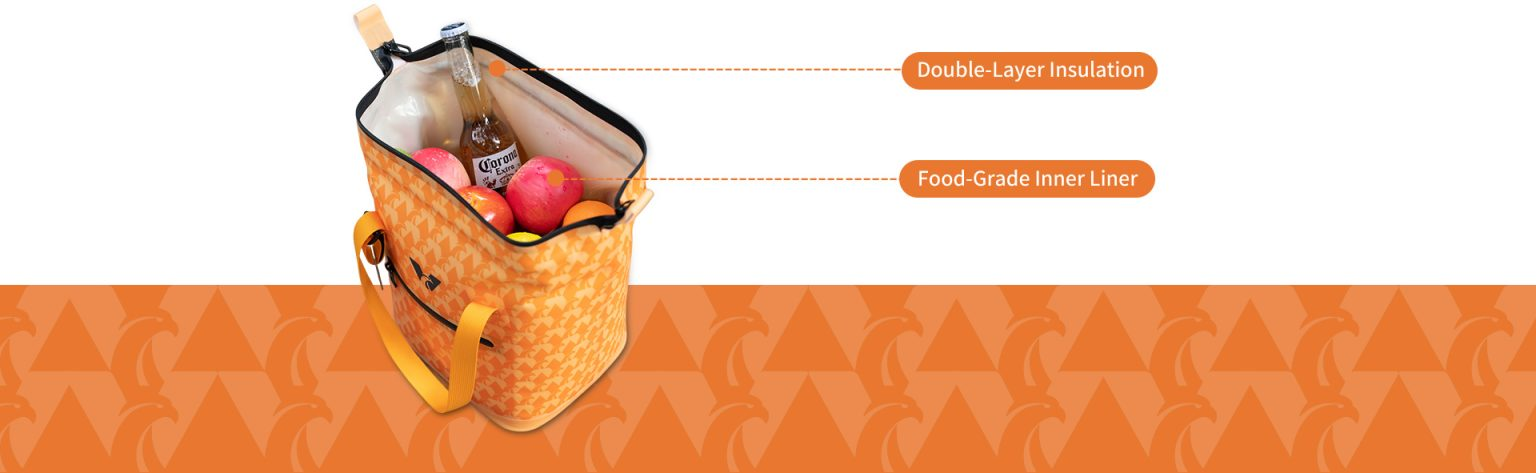
Raw Material Procurement: We order food-grade lining foil, heavy-duty Oxford fabrics, high-density insulating foam, and durable zippers. We check all raw materials for safety compliance.
Logo Printing and Plate Making: We set up the printing screens or molds for your custom branding.
Production Scheduling: We schedule your run on our assembly line. Mass production typically takes 15 to 30 working days, depending on order size and complexity.
In-Process Monitoring: Our quality assurance team checks sewing tolerances, zipper alignment, and insulation continuity at every station.
For your initial custom run, we recommend starting with a minimum order quantity (MOQ) of 500 to 1,000 units. This volume keeps your unit costs low while allowing you to gather driver and customer feedback before placing larger reorders.
Step 4: Quality Inspections, Packing, and Delivery
After our workers finish assembling your bags, the shipment must pass final inspection. We compare the finished products against the locked Golden Standard from step two.
Our quality control and shipping process includes several structured steps:
AQL 1.5 Inspection: We perform random physical sampling to check dimensions, stitch count, zipper strength, and thermal seal integrity.
Sanitary Packaging: We pack each bag inside a dustproof polybag to protect it during transit.
Clear Labeling: We mark every carton with your purchase order number, product description, unit count, and production batch code.
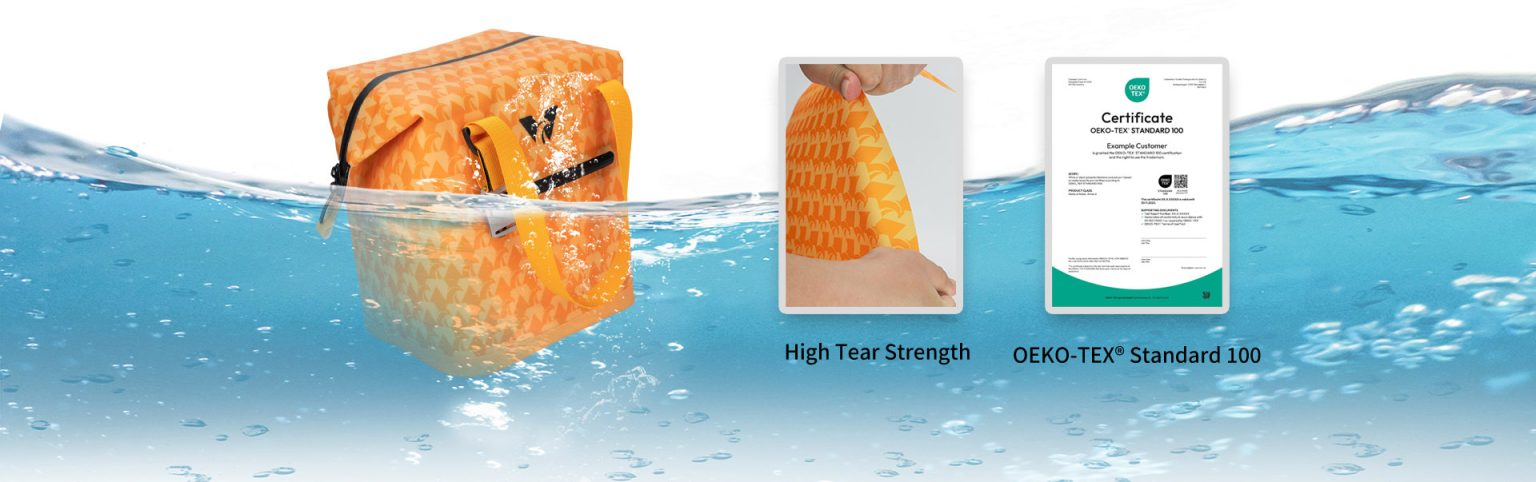
Documentation Support: We provide comprehensive quality inspection reports and material compliance declarations (such as food-safe certificates).
Logistics Coordination: We arrange sea freight, air cargo, or overland express transport directly to your fulfillment centers.
If you discover any manufacturing defects within 15 days of receiving your shipment, we offer immediate replacement support. For our long-term partners, we also establish priority manufacturing lanes to expedite urgent seasonal orders.
Customizing your delivery equipment does not have to be a complicated process. When you partner with a specialized manufacturer like weierken, you get a clear, step-by-step path from your initial idea to a high-performing delivery fleet.
Frequently Asked Questions
Q1: Can your factory print multi-color logos on our custom bags?
Yes. We offer silk-screen printing, sublimation printing, and rubber logo patches. For multi-color or complex logos, we typically recommend heat transfer or sublimation printing. These methods ensure your branding stays vibrant and does not peel off during daily cleaning.
Q2: Can we adjust the insulation thickness of our order?
Yes. Our standard insulated bags use 5mm to 8mm of foam insulation. If you operate in hot climates or have longer delivery windows, we can increase the foam thickness up to 10mm or 12mm. This adjustment helps your dairy cold chain packaging perform well under harsher conditions.
Q3: What is the typical setup fee for custom sizes?
We do not charge extra pattern-making fees for basic dimensional adjustments. However, if your design requires custom injection molds for plastic bases, specialized frames, or custom metal components, we will outline those one-time tooling costs in our initial quote.
Q4: How do you ensure the interior materials do not retain milk smells?
We use smooth, non-porous linings like TPU, heavy PVC, or high-grade aluminum foil. These fabrics do not absorb spilled liquids or milk odors. Your team can easily wipe down the interiors with standard, food-safe sanitizers to keep the bags smelling clean.
Q5: Do you offer volume discounts for larger custom runs?
Yes. As a direct factory, we offer tiered volume pricing. When you order larger quantities, our material costs and setup times decrease. We pass those savings directly back to you in the form of lower unit pricing.
Inquire About Your Custom Design Today
Are you looking for reliable, custom thermal bags to protect your dairy deliveries? Our engineering team at weierken is ready to help you develop the right equipment for your fleet.
Contact our customer service team today to share your specifications, request a prototype sample, or receive a factory-direct quote.