

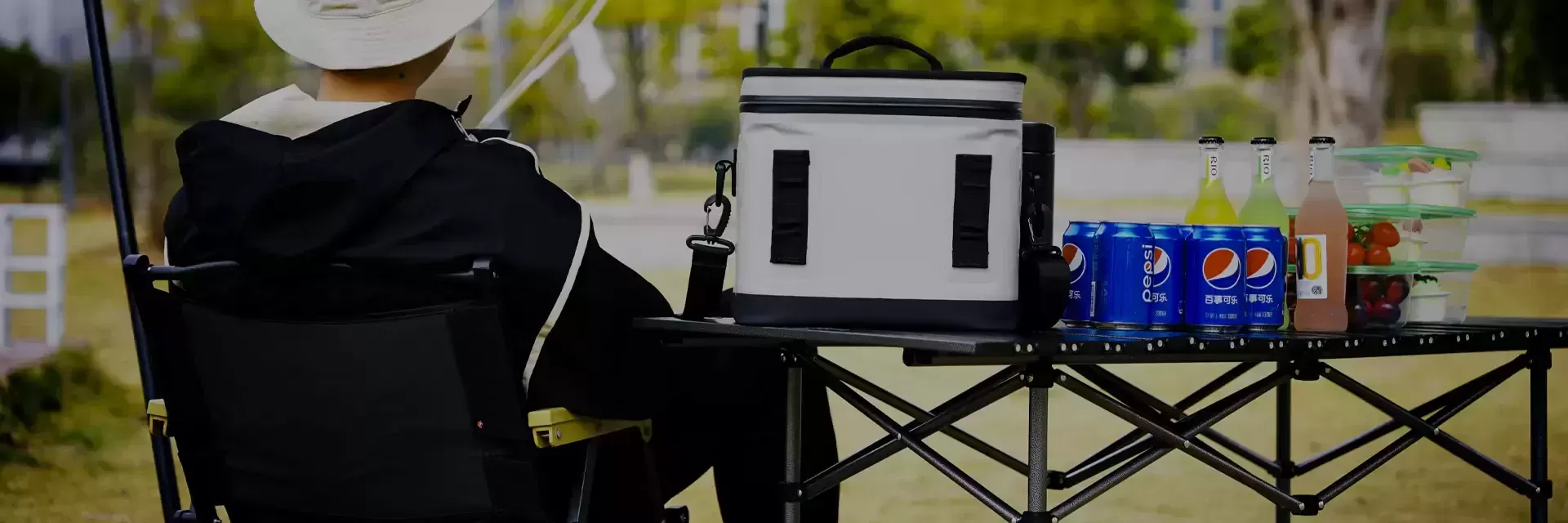
In dairy cold chain distribution, an insulated bag is much more than simple packaging. It serves as the final barrier protecting food safety and product freshness. Dairy items like fresh milk, yogurt, and artisanal cheese spoil quickly when temperature control fails.
As a dedicated dairy thermal tote factory, we know that reliable thermal performance, material safety, and physical durability are non-negotiable. Our manufacturing processes focus entirely on preventing temperature spikes during transit. At weierken, we implement rigorous testing to ensure your dairy deliveries arrive in perfect condition.
Here are the eight strict quality control standards we enforce in our facility to protect your cold chain operations.
1. Food-Contact Grade Inner Lining Material Standards
Dairy thermal totes frequently come into direct contact with food containers. Sometimes, small leaks or condensation spills occur inside the bag. Because of this risk, our raw material selection process is exceptionally strict.
We source only verified food-grade materials for our interior linings. Our bulk thermal bag manufacturer facility operates under these clear rules:
Regulatory Compliance: All lining materials must meet international safety standards, including FDA Title 21 CFR and EU Regulation 10/2011.
Chemical Safety: We submit every batch of lining fabric to independent labs to test for heavy metals, phthalates, and plasticizer migration.
Hygiene Properties: We use water-resistant, odor-free, and easy-to-clean materials that actively resist mold and bacterial growth.
By enforcing these material checks, we prevent toxic chemicals from contaminating your dairy products during transport.
2. Consistency in Insulation Layer Density and Thickness
The core of any thermal tote is its insulation layer. Thin spots or air gaps in the foam layer will create thermal bridges. These bridges allow heat to enter the bag, warming your dairy products.
We use high-density expanded polyethylene (EPE) foam or polyurethane (PU) foam to maintain a stable internal climate. Our production line controls insulation consistency through structured steps:
Precision Calibrations: We use online thickness measurement gauges to keep foam thickness variations within a tiny ±0.5mm tolerance.
Physical Inspections: Our quality team cuts random cross-sections from production runs to verify that the foam is free of empty pockets or air bubbles.
Thermal Efficiency Testing: We test bags in our climate chambers using the ice-plate method. For dairy safety, the internal temperature must not rise more than 2°C over a six-hour period when exposed to ambient summer temperatures.
3. Airtightness and Structural Seal Integrity Tests
Cold chain logistics can be rough on equipment. Delivery drivers constantly zip and unzip bags, stack them in vans, and carry them up stairs. If a zipper or seam fails, cold air escapes instantly.
To prevent these issues, our dairy thermal tote factory tests all structural seals under heavy stress:
Fatigue Testing: We run mechanical tests that open and close our heavy-duty zippers and hook-and-loop fasteners 1,000 times to check for wear.
Drop Testing: We load completed totes to their maximum weight capacity and drop them from a height of 0.8 meters onto hard concrete. We repeat this test three times.
Seam Inspections: After stress testing, the seams must show no signs of tearing, unraveling, or air leakage.
This durability ensures your delivery team can rely on our bags for hundreds of daily delivery cycles.
4. Exterior Fabric Wear and Waterproof Performance
The exterior of an insulated milk delivery tote faces constant abuse. It encounters rough pavement, metal truck walls, heavy rain, and direct sunlight. To survive these conditions, the outer shell must be incredibly tough.
We construct our outer shells using 600D to 1680D polyester or heavy-duty laminated PVC tarpaulin. We test these rugged materials using international quality metrics:
Abrasion Testing: We test fabrics using the ASTM D3884 standard. The material must withstand 1,000 wear cycles under a 500-gram load without tearing.
Hydrostatic Water Testing: We spray high-pressure water at the exterior of the bag for 15 minutes. The interior insulation and lining must remain completely dry.
Stain Resistance: We treat our fabrics to resist grease, dirt, and milk stains, allowing your drivers to clean the bags with a quick wipe.
5. Traceable Batch Production Management
When you buy commercial-grade equipment, you need to know exactly how and when it was made. Our quality control system documents the journey of every single bag we manufacture.
At weierken, we assign a unique batch tracking number to every production run. This tracking database logs critical details:
The exact supplier and batch number of the raw polyester, foam, and foil liners.
The specific production line, machinery settings, and assembly shifts involved.
The names of the quality control inspectors who signed off on each production step.
If an issue arises in the field, this traceability allows us to pinpoint the root cause within two hours. We can then take fast corrective action to protect your supply chain.
6. Environmental Simulation and Thermal Aging Tests
Dairy delivery bags experience rapid temperature shifts. They move constantly between refrigerated warehouses, warm delivery trucks, and hot outdoor environments. These rapid temperature changes can cause lower-quality plastics and glues to pull apart.
We test our bags using advanced environmental simulation chambers. We put sample totes through strict thermal cycling tests:
Cold Exposure: We place the bags in -5°C temperatures for four hours.
Heat Exposure: We immediately transfer the bags to a 40°C environment for another four hours.
Cycle Repetition: We repeat this extreme hot-and-cold cycle ten times in a row.
After testing, we check the materials for warping, glue separation, or material breakdown. We reject any design that shows more than a 5% loss in thermal efficiency.
7. Clean and Hygienic Production Environments
Because dairy products are highly sensitive to bacteria, our dairy thermal tote factory maintains a very clean manufacturing space. We separate our assembly lines from heavy industrial processes to avoid contamination.
We enforce strict sanitary rules across our production areas:
Our workers assemble food-grade thermal liners in a sealed, dust-free cleanroom.
All assembly staff must wear hairnets, clean uniforms, and protective gloves.
We sanitize all worktables and cutting machinery daily using food-safe sanitizers.
This careful process ensures your insulated bags arrive at your warehouse clean, odor-free, and ready for immediate use.
8. Finished Product Inspection and AQL Sampling Standards
Our quality control does not end when assembly is finished. Before any box leaves our warehouse, it must pass a dual-stage inspection process.
We combine 100% individual inspections with standardized statistical sampling:
100% Visual Checks: Our team inspects every bag for loose threads, printing errors, misaligned zippers, and dust.
AQL 1.5 Sampling: We pull random batches for physical testing based on strict Acceptable Quality Limit (AQL) standards. These samples undergo size, waterproofing, and thermal checks.
Quality Reports: We generate a detailed quality control report for every batch, which we share with you before shipment.
This careful system guarantees that every delivery bag you receive meets your commercial standards.
Frequently Asked Questions
Q1: Why is food-grade lining so important for dairy thermal totes?
Dairy packaging can sometimes leak or sweat during transport. If your inner lining is not food-grade, it can release harmful chemicals, odors, or plasticizers onto your dairy containers. Food-grade liners keep your products safe, clean, and free of chemical contamination.
Q2: How long can your dairy thermal totes maintain cold temperatures?
Our standard totes can keep dairy products between 2°C and 8°C for 4 to 6 hours using passive insulation. If you use integrated gel packs or ice bricks, our bags can maintain these safe cold-chain temperatures for over 12 hours, even in warm weather.
Q3: What certifications should I look for in a dairy thermal tote factory?
You should choose a factory that holds ISO 9001 certification for quality management. Additionally, make sure their lining materials carry FDA, LFGB, or EU Regulation 10/2011 food-contact safety certifications.
Q4: Can we customize the interior compartments for different dairy items?
Yes. As a custom dairy thermal tote factory, we can design adjustable interior shelves, bottle dividers, and secure pocket systems. These custom inserts keep milk bottles, yogurt cups, and delicate cheeses organized and upright during transport.
Q5: How do we clean and maintain these insulated bags?
Our interior linings feature smooth, waterproof materials. You can easily clean them using a damp cloth and mild sanitizing detergent. For the exterior fabric, we recommend a simple wipe-down with warm water to keep your fleet looking professional.
Get a Direct Factory Quote Today
Maintaining a reliable cold chain requires durable, high-quality delivery equipment. At weierken, we build high-performance cold chain distribution bags that protect your dairy products from first mile to last mile.
Contact our technical team today to discuss your project requirements, request a pre-production sample, or receive a competitive factory-direct quote.