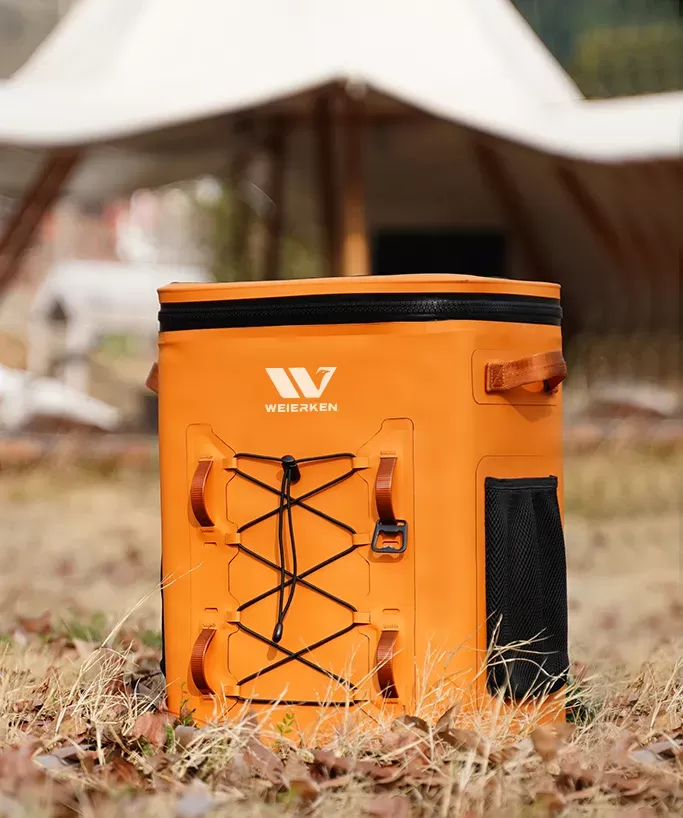

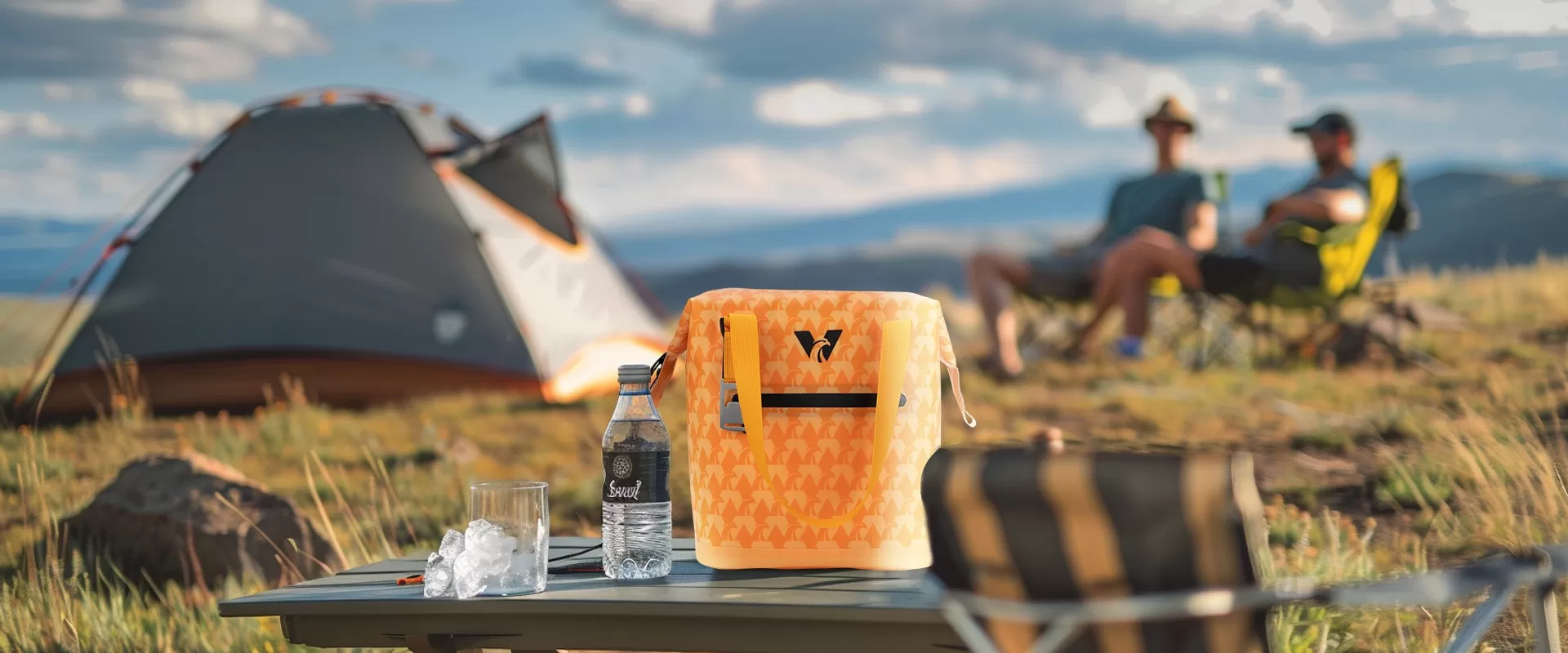
Transporting frozen meat requires strict temperature management. If the temperature rises above -18°C, bacterial growth can compromise food safety. When sourcing packaging materials, finding a capable frozen meat thermal tote maker becomes a key priority for procurement managers.
A weak thermal bag leads to defrosted meat, fluid leaks, and damaged brand reputation. It is not just about finding the lowest price. It is about identifying a partner that understands food safety regulations and heavy-duty performance. Brands like weierken focus on manufacturing thermal bags that meet these specific industrial requirements.
This guide outlines five practical steps to audit a potential frozen meat thermal tote maker, helping you secure your cold chain supply line.
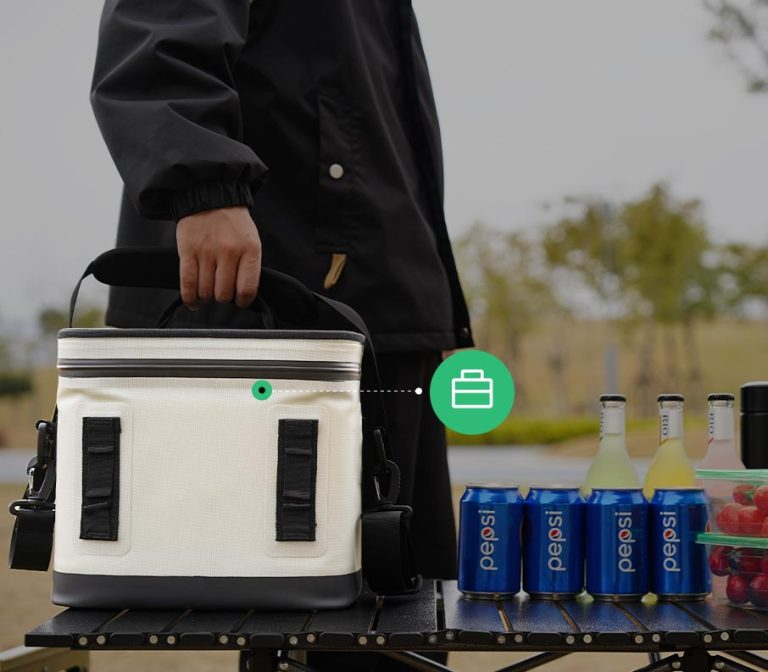
Step 1: Verify Factory Credentials and Food-Safety Compliance
Frozen meat packaging must comply with strict health and safety laws. The materials used inside the bag will come into close proximity with food cartons or sometimes direct contact with the meat. Therefore, your frozen meat thermal tote maker must operate under verified quality standards.
When auditing a factory, ask for their certifications. Reliable manufacturers maintain clear records of their compliance history. Look for these essential standards:
Quality Management Systems: Check if the factory holds ISO 9001 or ISO 22000 certifications, which prove their commitment to systematic quality control.
Material Safety Certifications: Ensure the raw materials (aluminum foil, EPE foam, non-woven fabric, and PE inner films) have passed FDA, LFGB, or REACH testing.
Third-Party Social Audits: Verified manufacturers regularly undergo audits by independent bodies such as SGS, Intertek, or TÜV to verify ethical and safe working environments.
A reputable frozen meat thermal tote maker will share these documents during the early stages of negotiation. If a supplier hesitates to provide updated testing reports, it may indicate a lack of control over their material supply chain.
Step 2: Evaluate Thermal Insulation and Leak-Proof Technology
Frozen meat products naturally generate condensation as they sit in transit. This moisture can weaken standard bags. A high-quality thermal tote must offer excellent thermal insulation and a reliable leak-proof design.
Analyze the material structure. Do not rely on single-layer designs. A professional frozen meat thermal tote maker typically offers a multi-layer composite structure:
Outer Layer: Durable non-woven fabric, woven PP, or polyester that resists tearing and punctures.
Middle Layer: High-density EPE foam (expanded polyethylene) or bubble insulation that traps cold air and slows heat transfer.
Inner Lining: Solid aluminum foil or reflective metalized film paired with a waterproof PE liner to block radiant heat.
Sealing and Seam Integrity
Stitched seams can allow liquids to seep through the needle holes. For heavy frozen meat shipments, ask the frozen meat thermal tote maker if they offer heat-sealed or ultrasonic welding options. Seamless voltage technology welds the inner liner together, preventing melted ice or meat juices from dripping out during transport.
Request temperature retention test reports. The manufacturer should provide data showing how long their bags can maintain temperatures below 0°C under standard ambient conditions.
Step 3: Assess Production Capacity and Supply Chain Stability
B2B procurement demands consistency. If your business experiences seasonal spikes, such as during holiday sales, your packaging supplier must keep pace. A small workshop cannot handle sudden, high-volume orders.
During your audit, evaluate the factory's production setup. Modern manufacturers like weierken utilize automated machinery to ensure both speed and physical consistency across thousands of units.
Pay close attention to these operational details:
Machinery and Automation: Look for automated cutting tables, high-speed heat-press machines, and heavy-duty automatic sewing stations.
Daily Output Capacity: Ask the frozen meat thermal tote maker for their realistic daily and monthly production capacities to ensure they can scale up when required.
Raw Material Storage: A stable manufacturer keeps a healthy inventory of raw materials. This buffer protects your business from sudden market shortages or price spikes.
A reliable frozen meat thermal tote maker maintains strong relationships with upstream material suppliers, ensuring your delivery dates remain secure even during peak seasons.
Step 4: Audit Quality Control (QC) Protocols
A single defective batch can result in hundreds of spoiled meat deliveries. You need to know how the manufacturer catches mistakes before the products leave the loading dock. A reliable frozen meat thermal tote maker implements a multi-stage quality control system.
Ask the factory to explain their inspection workflow. A standard industrial QC process should contain three main checkpoints:
1. Incoming Quality Control (IQC)
The factory must test raw materials before they reach the assembly line. This includes checking the thickness of the aluminum foil, the density of the EPE foam, and the tensile strength of the outer fabric.
2. In-Process Quality Control (IPQC)
Inspectors should monitor the production line constantly. They must check the strength of the handles, the alignment of the zippers, and perform load-bearing tests to verify the handles will not tear under the weight of frozen meat.
3. Outgoing Quality Control (OQC)
Before packing, the final products should undergo random sampling based on international standards like AQL 2.5. This final check ensures that only bags meeting your precise specifications get loaded onto the container.
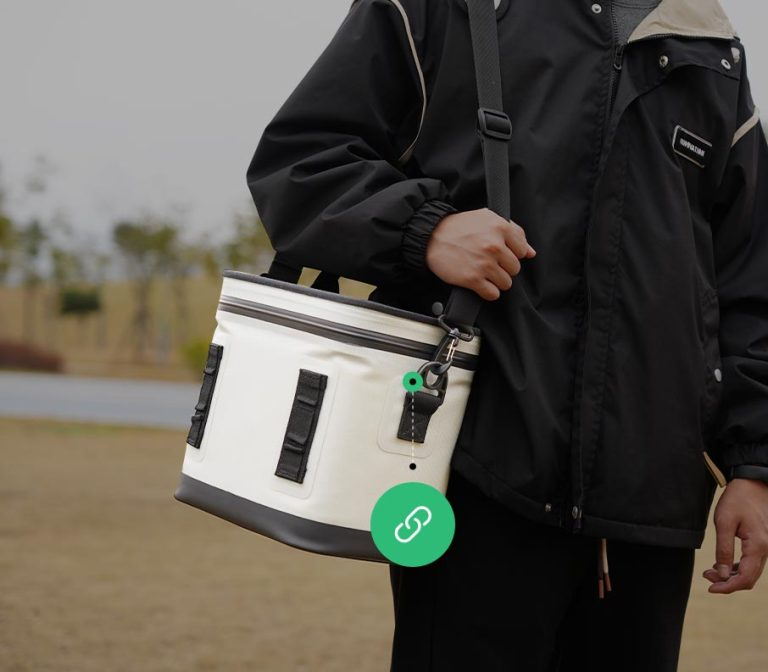
Step 5: Review Customization Capabilities and B2B Support Services
Your packaging represents your brand. A standard, off-the-shelf bag rarely fits a specialized cold chain workflow. You need a frozen meat thermal tote maker that offers flexible OEM/ODM manufacturing options.
Verify what customization features the maker can support. This includes custom sizing to match your specific meat boxes, varied closure types (such as zippers, Velcro, or slide seals), and professional logo printing using eco-friendly inks.
Sampling Timelines: A professional frozen meat thermal tote maker should deliver physical samples within 3 to 7 days. This allows you to run real-world thermal tests.
Minimum Order Quantities (MOQ): Understand their MOQ requirements. While high-volume production reduces unit costs, a reasonable MOQ threshold helps manage inventory risk.
Flexible Payment Terms: Established manufacturers often offer flexible payment terms for long-term partners after a successful initial trial period.
Partnering with an adaptable manufacturer like weierken ensures that your custom specifications are translated into functional, durable cold chain tools.
Choosing the right frozen meat thermal tote maker is a critical step in preserving your product quality and protecting your bottom line. By auditing factory credentials, testing thermal performance, verifying production capacity, demanding strict QC, and reviewing customization support, you can establish a secure, low-risk partnership.
Are you looking to upgrade your cold chain packaging? Contact our team today to discuss your specific requirements, request material samples, or receive a direct quote for your next production run.
Frequently Asked Questions
1. What is the standard MOQ when working with a frozen meat thermal tote maker?
Minimum Order Quantities vary based on customization. Typically, standard sizes require an MOQ of 1,000 to 3,000 pieces. Highly customized sizes or complex printing designs may require larger initial runs to offset machine setup costs.
2. How long can these thermal totes keep meat frozen during transit?
The insulation time depends on the thickness of the internal foam, the ambient external temperature, and whether you use gel ice packs. Generally, a high-quality multi-layer thermal tote can maintain freezing temperatures for 2 to 6 hours when packed correctly.
3. Can I get a custom sample before committing to a bulk purchase?
Yes. A professional frozen meat thermal tote maker will provide pre-production samples. This process typically takes 3 to 7 days. Some manufacturers refund the sample fee once you place a qualifying bulk production order.
4. Are the materials used in these thermal bags recyclable?
Many modern thermal bags utilize recyclable materials like non-woven PP and PE films. If eco-friendly packaging is a priority for your brand, discuss material options with your maker during the initial design phase.
5. How do you test the leak-proof performance of a thermal tote?
Manufacturers test this by filling the inner lining of the bag with water and suspended dye, then observing the heat-sealed seams over several hours. This test ensures that condensation and meat juices will not escape the bag during transport.
6. Do you support custom printing with food-safe inks?
Yes. Most reliable makers use water-based, non-toxic inks for branding. These inks provide clear, durable logos and text without emitting harmful chemical residues that could affect food safety.