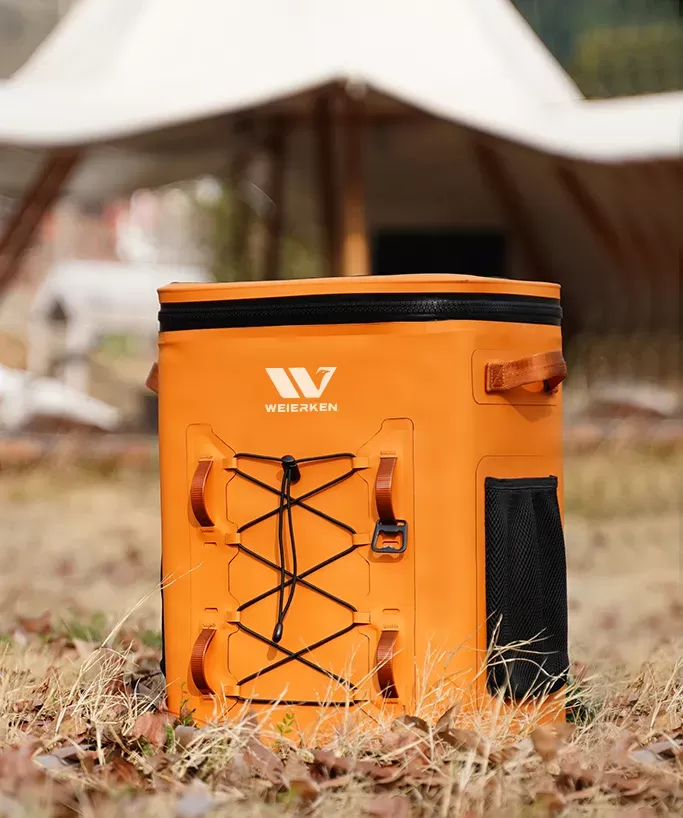

Outdoor brands and B2B buyers frequently seek durable, waterproof carrying solutions. A custom tarpaulin backpack made from heavy-duty material offers excellent resistance to water, punctures, and abrasion. However, navigating the manufacturing process requires technical knowledge.
Finding a reliable pvc tarpaulin backpack maker involves more than comparing unit prices. Experienced manufacturers, such as weierken, often notice that buyers make critical errors during the early stages of product development. These mistakes can lead to water leakage, customs delays, or poor durability.
This article outlines five common sourcing mistakes and explains how you can avoid them to ensure a smoother manufacturing experience.
Mistake 1: Confusing Traditional Stitching with High-Frequency Welding
A frequent error among new buyers is assuming that standard sewing can create a completely waterproof bag. Traditional stitching uses needles that pierce the fabric. This process creates thousands of tiny holes that allow water to seep through under pressure.
Even if a factory applies seam tape over the stitches, the tape can peel off over time under heavy use. For reliable water protection, a professional pvc tarpaulin backpack maker uses high-frequency welding, also known as radio frequency welding.
This specialized process uses electromagnetic energy to heat and fuse the PVC sheets together at a molecular level. It creates a temporary liquid state that cools into a single, continuous bond. The result is a highly durable seal without any needle punctures.
Always ask your supplier if they own dedicated high-frequency welding machinery.
Specify heat-sealed seams instead of stitched seams for any compartment meant to be fully waterproof.
Reserve traditional stitching for internal pockets or non-waterproof external organizers where seam leakage is not a concern.
By choosing a seamless waterproof bag construction for your core compartments, you protect your customers' gear from heavy downpours and accidental drops in water.
Mistake 2: Neglecting Material Specifications and Regional Compliance
Not all PVC tarpaulin materials are manufactured in the same way. Buyers often write vague specifications like "PVC" without defining the thickness, density, or chemical makeup. This lack of detail can lead to severe issues during customs clearance.
Different global markets enforce strict environmental regulations. For instance, European customs require products to be made of REACH compliant waterproof bag materials. In the United States, particularly California, products must comply with Proposition 65 regulations.
If your manufacturer uses non-compliant raw materials, your shipment could be seized, fined, or recalled. To prevent this, you should define your material specifications clearly in your request for quotation (RFQ).
Specify the thread density, such as 500D PVC tarpaulin or 1000D, depending on the required weight and ruggedness.
Demand Phthalate-free PVC to meet strict safety standards for consumer goods.
Inquire about an eco-friendly PVC tarpaulin option if your brand focuses on sustainable product lines.
Working with a knowledgeable partner like weierken helps you navigate these compliance requirements before bulk production starts, saving you time and money.
Mistake 3: Underestimating the Reinforcement of Stress Points
While high-frequency welded joints excel at keeping water out, they do not always handle heavy mechanical tension well on their own. Under a heavy load, components like shoulder straps, top handles, and D-ring attachments pull hard on the PVC fabric.
Without proper reinforcement, the plastic coating can delaminate from the inner polyester mesh, causing the straps to rip away. Qualified factories do not rely on a single weld line at load-bearing points.
Experienced manufacturers use specific construction techniques to distribute weight across a larger surface area. They ensure the bag handles heavy loads without tearing.
Look for reinforced shoulder straps that feature double-layer backing patches at the attachment points.
Ask if the factory stitches the strap anchor to a reinforcement pad first, then welds that pad to the bag body to keep the main chamber waterproof.
Request standard durability testing reports, such as pull-strength tests, during the prototyping phase.
A high-quality, heavy-duty dry backpack must balance waterproof welding with strong mechanical anchors to survive rugged outdoor environments.
Mistake 4: Failing to Define Clear Waterproof Ratings and Testing Standards
Simply labeling a product as "waterproof" is too vague for modern outdoor gear markets. Waterproof performance is classified under the international Ingress Protection (IP) scale, which defines exactly how much water pressure a product can withstand.
If you do not specify the desired rating, you might receive a bag that only resists light rain when you needed a submersible product. Clear communication about performance expectations prevents disputes with your pvc tarpaulin backpack maker.
You should align your expectations with the factory's internal quality control procedures. A professional factory will have the proper testing gear on-site.
Specify an IPX6 waterproof rating if the bag needs to resist high-pressure water streams from any angle.
Ask if the factory performs an inflation test on finished batches, where they inflate the bag with air to check for leaks over 24 hours.
Confirm if they utilize waterproof testing equipment, such as water pressure testers, to verify the fabric's water resistance.
Setting these technical criteria in your manufacturing agreement guarantees that the final products perform reliably in the field.
Mistake 5: Overlooking Material MOQs for Custom Colors
PVC tarpaulin fabric is produced in massive rolls at specialized textile mills. When you request a custom Pantone color for your product line, the fabric mill must run a large batch of raw material. This process often leads to high minimum order quantities.
Many buyers are surprised when a pvc tarpaulin backpack maker quotes a high MOQ for a custom colorway. If your initial order volume is modest, trying to customize every color can stall your project before it starts.
To keep your initial investment manageable and test the market, consider using materials that the factory already has in stock.
Ask your supplier for their current list of stock fabric options to see if a similar color is available.
Choose standard colors like black, yellow, or grey, which are highly popular and readily available in most factories.
Utilize these stock materials to secure a low MOQ waterproof backpack order, keeping your upfront costs low.
Leveraging stock materials allows you to launch your product line quickly, preserve cash flow, and scale up to custom colors once demand grows.
Sourcing high-quality waterproof gear requires careful attention to production techniques, compliance, and testing standards. By avoiding these five common sourcing mistakes, you can build a more resilient supply chain and deliver reliable gear to your customers.
Partnering with an experienced pvc tarpaulin backpack maker like weierken ensures your designs are built to exact specifications. We assist B2B buyers with material sourcing, high-frequency welding expertise, and rigorous quality control.
Are you planning your next waterproof bag project? Our team is ready to help you navigate the manufacturing process. Contact us today to discuss your product specifications, ask questions, or request a detailed quote.
Frequently Asked Questions
1. What is the difference between HF welding and sewing for waterproof bags?
Sewing punctures the fabric with needles, creating paths for water leakages. High-frequency welding uses electromagnetic energy to fuse the PVC sheets together. This creates a seamless waterproof bag that prevents water from entering the seams.
2. How can I verify if a PVC bag is safe for the European market?
You must request a REACH compliant waterproof bag from your manufacturer. A reliable pvc tarpaulin backpack maker will source raw materials certified by third-party testing agencies to ensure they do not contain restricted hazardous substances.
3. Can I order a custom color PVC backpack in small quantities?
Custom colors usually require a high custom color MOQ because of fabric mill run sizes. If you need a low MOQ waterproof backpack, ask your supplier for their available stock fabric options to avoid the high minimums of custom dyeing.
4. How do manufacturers test if a dry bag is truly airtight?
Many factories perform an inflation test. They fill the bag with air, seal it, and monitor it for pressure drops over 12 to 24 hours. Some also use a hydrostatic pressure test with specialized waterproof testing equipment to verify the strength of the seams.
5. What makes a PVC backpack durable enough for heavy loads?
To handle heavy loads, the bag must have reinforced shoulder straps. Manufacturers add extra backing patches at stress points and use a combination of stitching and welding to distribute the weight across the fabric, preventing tears.