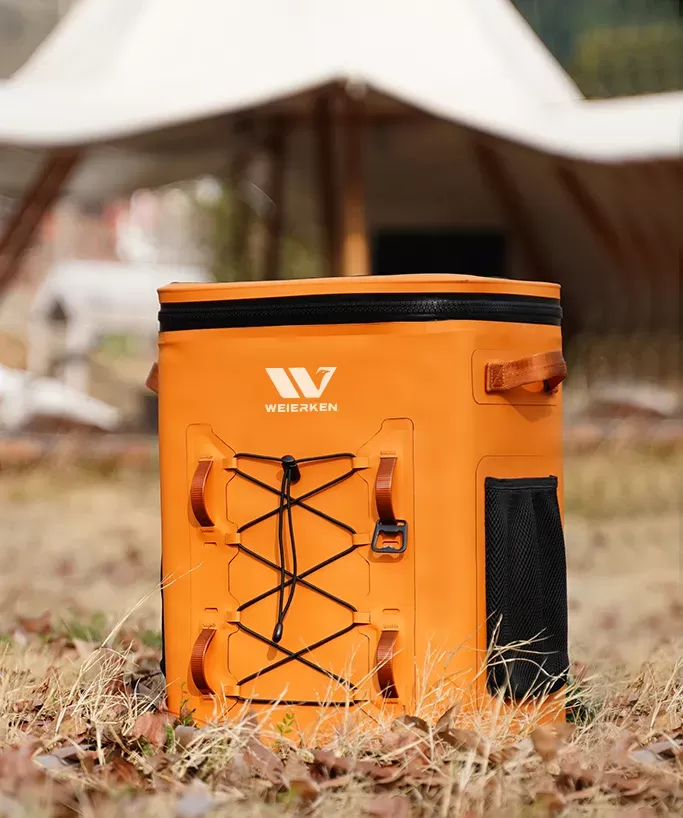

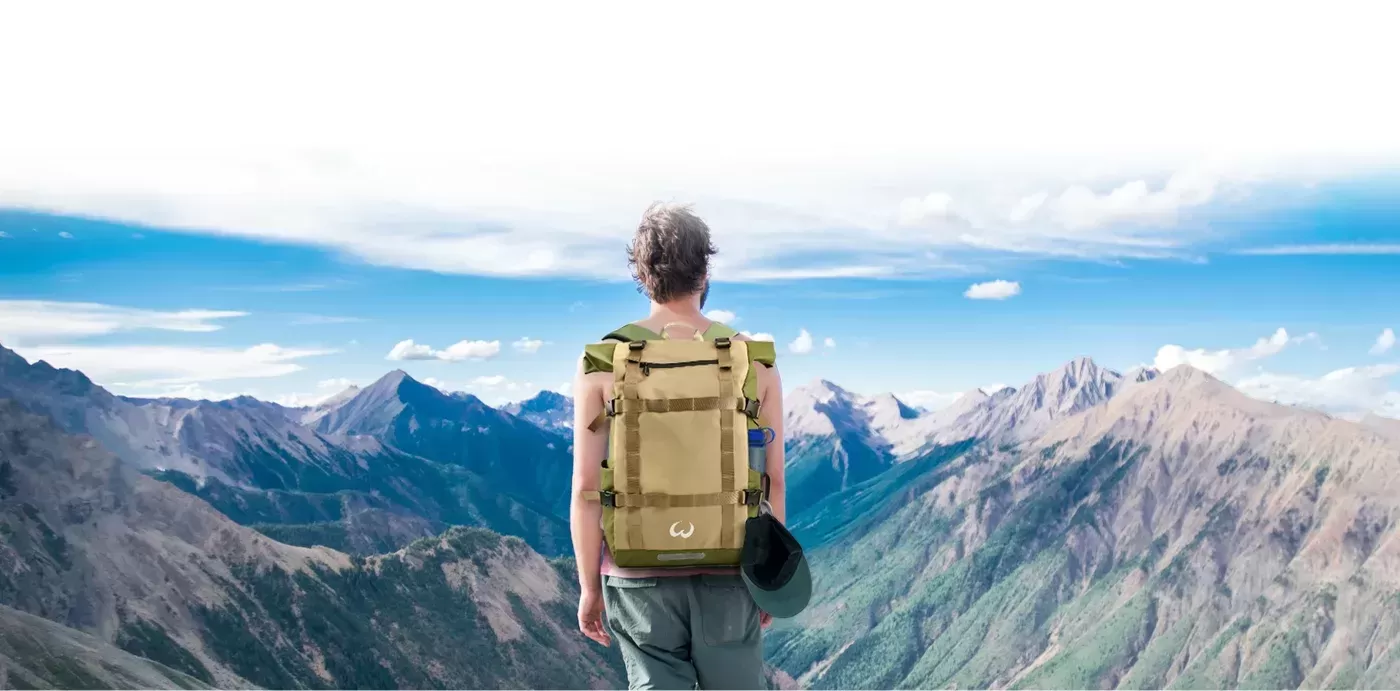
The "River Life" aesthetic has grown rapidly from a niche outdoor lifestyle into a major retail trend. Consumers flocking to rivers, lakes, and beaches want functional gear that transitions smoothly to casual dinners. Standard canvas bags fall short when exposed to wet boat decks, fine lake sand, and muddy riverbanks. They stain easily, stay wet for hours, and lack protective compartments.
To capture this active market, brands need to work with specialized river life tote manufacturers. A qualified factory does not just stitch fabric. They engineer bags to handle water, weight, and wear. Weierken provides brands with direct access to professional OEM and ODM services, translating outdoor utility designs into high-margin consumer products.
This guide analyzes five essential OEM customization services that allow brands to build durable, functional, and fashionable outdoor totes.
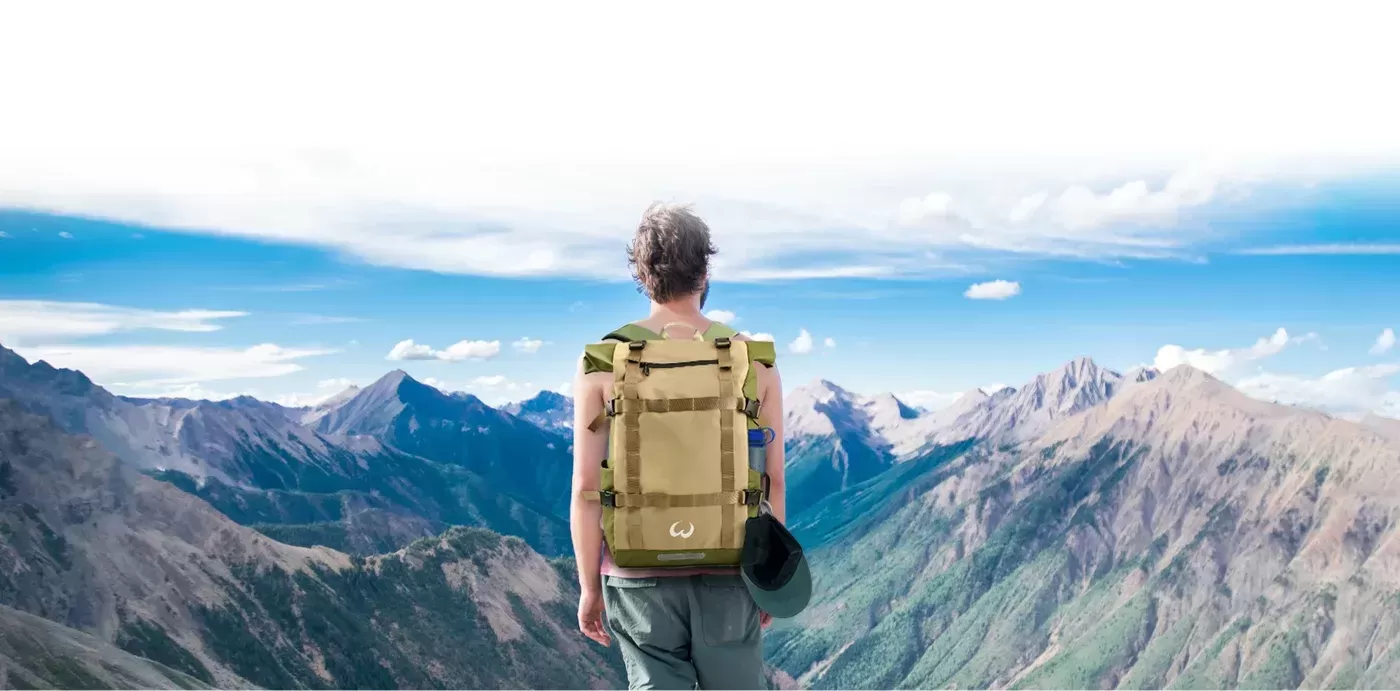
1. Material Customization: Sand-Proof, Quick-Dry, and Durable
The foundation of any outdoor utility bag is the fabric. River life products must dry quickly, resist mold, and prevent sand from sticking. Experienced manufacturers offer three primary material solutions:
High-Density Water-Resistant Canvas: This fabric offers a classic, premium look. Manufacturers treat the cotton or polyester fibers with water-resistant coatings to repel splashes while retaining a soft textile feel.
TPU-Coated Mesh: For bags meant to carry wet water shoes or towels, coated mesh is ideal. Water drains out instantly, and sand drops through the mesh holes rather than pooling at the bottom.
Molded EVA (Ethylene-Vinyl Acetate): This lightweight material has become incredibly popular for wholesale EVA tote bags. It is completely waterproof, easy to rinse clean, and holds its upright shape even when empty.
Sourcing managers can work with factories to select the correct material density and coating weight to balance durability with shipping costs.
2. Compartment & Utility Engineering: Wet/Dry Separation
Sailing, paddleboarding, or floating down a river requires organized storage. A single open pouch is no longer sufficient. Your OEM outdoor utility tote should feature structured interior spaces designed for full-day excursions.
Built-In Cooler Zones
River trips often involve cold drinks and snacks. Factories can integrate a zippered, leakproof cooler section lined with PEVA and thermal foam, keeping beverages cold for hours without leaking moisture into the dry compartments.
Dry/Wet Separation Walls
A welded TPU dividing wall keeps dry clothes or keys completely separate from wet swimsuits and towels. This prevents dampness and odor from spreading throughout the bag.
Water-Resistant Valuables Pockets
Adding an interior zippered pocket made from water-resistant fabric protects smartphones, credit cards, and car keys from unexpected splashes and high humidity.
3. Functional Hardware & Attachment Systems
Outdoor enthusiasts expect their bags to double as active gear. Adding functional attachment points makes the tote useful on kayaks, paddleboards, and yachts.
Heavy-Duty D-Rings: Strategically placed plastic or rustproof metal D-rings allow users to clip on keys, reusable water bottles, or waterproof speaker cases.
MOLLE Webbing Systems: Standard nylon loops sewn along the exterior straps allow users to customize their bags with external pouches and gear clips.
Non-Slip Rubber Bases: Boat decks are slippery when wet. Sourcing from experienced river life tote manufacturers ensures your bag features molded rubber feet or textured EVA bottoms to prevent sliding.
Detachable Padded Shoulder Straps: Carrying a heavy load of drinks and gear can strain shoulders. Removable, wide-profile straps distribute weight evenly and prevent chafing.
4. Weather-Resistant Branding & Visual Customization
Sunlight, river water, and friction can quickly rub off standard printed logos. To preserve your brand's identity, you need durable customization methods that survive outdoor wear.
UV-Resistant Screen Printing
This method uses specialized inks that resist fading and cracking after prolonged exposure to direct sunlight, ensuring your logo remains crisp and visible.
3D Silicone and Molded Rubber Patches
These patches offer a modern, tactile feel and are entirely waterproof, making them perfect for rugged custom beach tote bags.
Embossed Logo Molds
For molded EVA bags, factories can build custom molds that deboss or emboss your logo directly into the bag wall, eliminating the risk of printing wear.
Custom Decorative Charms
For EVA totes, manufacturers can create customized slide-in charms (similar to Jibbitz). This adds a playful, collectible element that helps drive repeat customer purchases and team customization.
5. Sustainable and Eco-Friendly Materials
Outdoor consumers are passionate about protecting rivers and oceans. Aligning your product line with sustainable manufacturing practices is no longer optional; it is a core business strategy.
Ocean-Bound Plastics (GRS Certified): Many river life tote manufacturers offer fabrics woven from recycled plastic waste recovered from beaches and waterways, providing a compelling sustainability story.
Recycled Cotton Canvas: Sourcing recycled cotton reduces water consumption and agricultural waste, appealing to eco-conscious buyers.
Non-Toxic EVA Alternatives: Ensure your factory uses bio-based EVA or BPA-free formulations to guarantee your bags do not release harmful chemical residues when exposed to summer heat.
Supply Chain Testing & Factory Validation
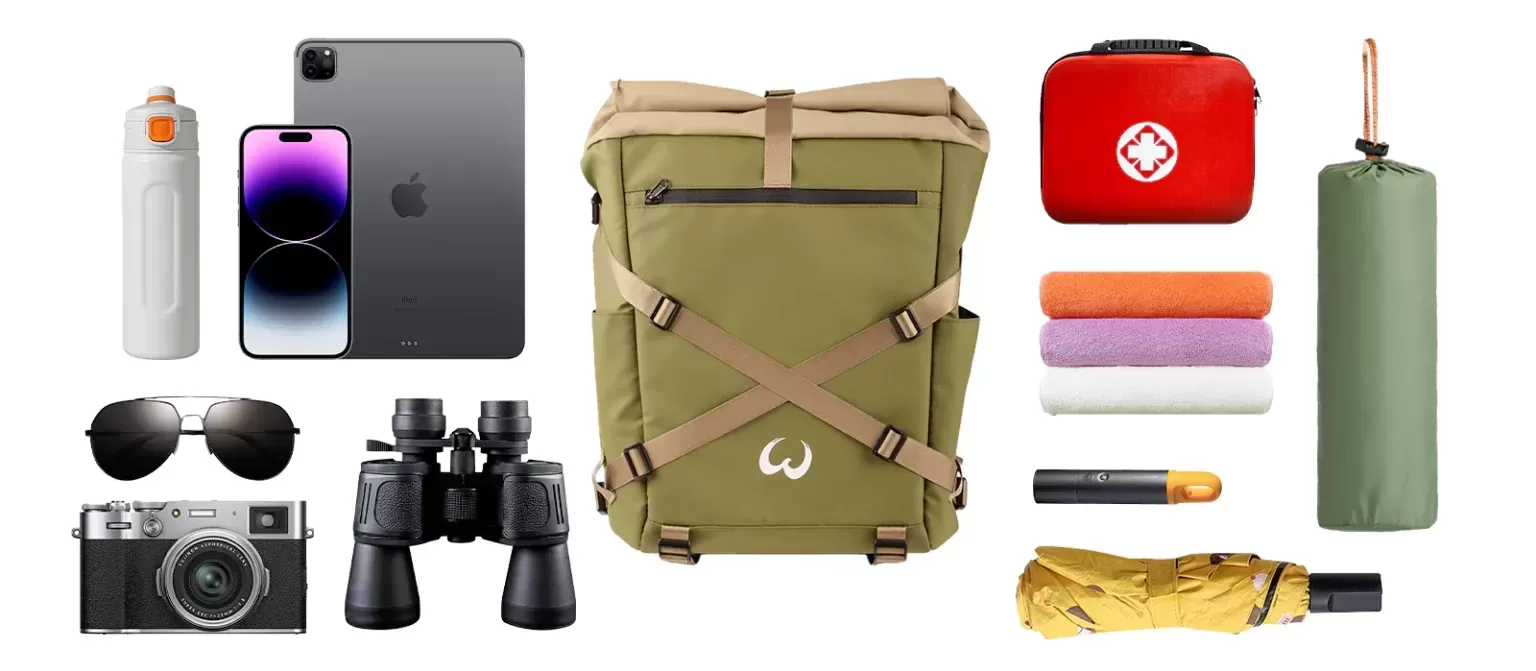
Before committing to mass production, verify that your OEM partner uses professional testing protocols to ensure durability. Weierken conducts rigorous testing on all prototypes to guarantee field performance.
For example, load-bearing tests involve hanging a loaded bag for 72 hours to ensure the straps and handle joints do not stretch or tear. Salt spray testing exposes metal snaps and D-rings to salt fog, proving they will not rust in coastal environments. Finally, UV aging tests verify that the fabric does not yellow, crack, or fade under intense sun exposure.
Building a successful river-life brand requires products that balance style with rugged performance. Standard retail totes quickly fail under the weight of wet gear and exposure to sun and sand. By utilizing professional OEM services, including advanced material sourcing, structured interiors, robust hardware, and eco-friendly fabrics, you can deliver high-value, durable products that build customer loyalty.
As leading river life tote manufacturers, Weierken helps outdoor, beach, and leisure brands develop highly customized utility bags. We offer full design, prototyping, and mass production services to ensure your inventory stands up to real-world outdoor use. Contact us today to request a quote or download our custom material catalog.
Frequently Asked Questions
1. What is the standard MOQ for custom EVA tote bags?
Because EVA bags require custom injection molds, the MOQ is typically higher than sewn bags, usually starting around 1,000 units per color. However, if you use existing factory molds and only customize colors or add custom charms, the MOQ can be lower.
2. How do you clean and maintain molded EVA utility totes?
One of the main benefits of EVA is its easy maintenance. Users can simply spray the bag down with fresh water, wipe it with a mild soap if needed, and let it air dry in the shade. It dries completely in minutes.
3. Can you print high-detail multicolored logos on water-resistant canvas?
Yes. We offer high-precision sublimation printing and heat-transfer printing for complex multicolored designs. For solid-color logos, we recommend UV-resistant screen printing or molded silicone patches for maximum durability.
4. What makes a bag "sand-proof"?
A sand-proof bag either uses solid, non-porous materials like molded EVA that sand cannot penetrate, or TPU-coated mesh with open pores that allow sand to drop through automatically rather than collecting at the bottom of the bag.
5. What is the typical sample turnaround time for custom beach bags?
For standard sewn canvas or mesh bags, the sample turnaround time is 7 to 10 days. For custom-molded EVA bags, creating a new prototype mold can take 20 to 30 days, while custom-color matching using existing molds takes about 10 days.