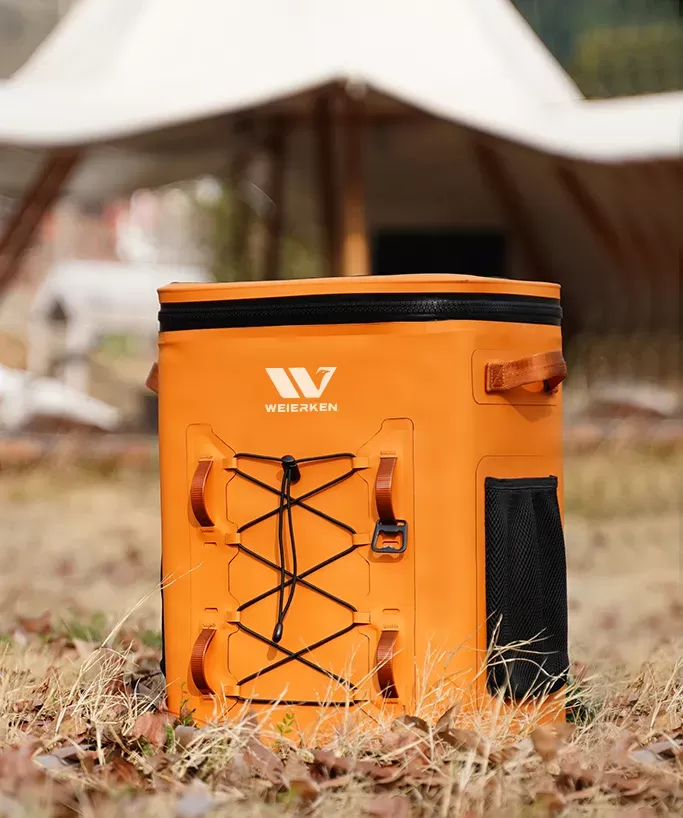


Sourcing high-quality gear for the marine and outdoor industry requires a deep understanding of technical specifications. Standard picnic cooler bags fail quickly when exposed to the harsh realities of open-water fishing. Saltwater, UV rays, sharp fish fins, and heavy ice loads demand specialized engineering.
For product development directors and procurement managers, finding the right manufacturing partner is critical. A professional fishing cooler bag maker like weierken does not just sew fabric together. Instead, they engineer durable systems designed to preserve both the catch and the brand's reputation in the marketplace.
This guide analyzes the five essential features that an experienced insulated fishing bag manufacturer must provide to ensure product longevity and client satisfaction.
1. Puncture and Abrasion-Resistant Outer Shell Fabrics
The marine environment is notoriously harsh on gear. Fish hooks, dorsal fins, knives, and metal boat edges can easily ruin cheap materials. If the outer shell punctures, water and bacteria penetrate the insulation layer, ruining the bag.
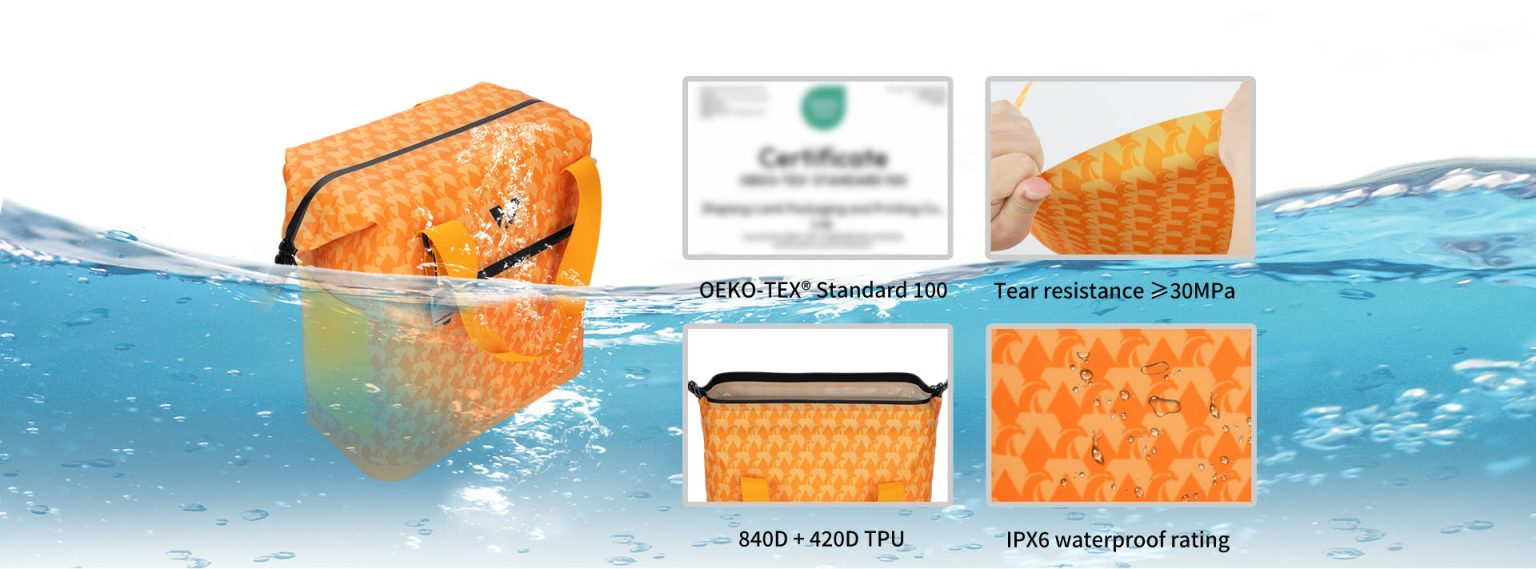
A reputable heavy-duty soft cooler factory must offer premium fabric options that withstand heavy friction and sharp objects. Look for manufacturers that use double-sided TPU (Thermoplastic Polyurethane) coated nylon rather than standard PVC-coated polyester.
840D to 1000D TPU Nylon: This material offers high tensile strength and puncture resistance while remaining flexible in cold weather.
UV and Saltwater Resistance: The outer coating must resist degradation from constant sun exposure and salt crusting.
Eco-Friendly Alternatives: Quality factories provide TPU coatings because they are more environmentally friendly and recyclable compared to traditional PVC.
When you evaluate a potential fishing cooler bag maker, ask for their material tear-strength test results. Brands like weierken perform rigorous fabric stress tests to ensure the raw materials meet international marine-grade standards before production begins.
2. Seamless High-Frequency Welded Liners
Stitched seams are the weakest point of any soft-sided cooler. When ice melts inside a bag, water mixes with fish blood and slime. Traditional sewing needles create thousands of tiny holes. Over time, these holes leak fluids into your car trunk or boat deck, creating stubborn odors and mold.
To prevent this issue, a reliable leakproof fish kill bag supplier must use High-Frequency (HF) welding technology instead of traditional stitching. HF welding uses electromagnetic energy to fuse the inner liner materials at a molecular level.
The Benefits of High-Frequency Welded Seams
Complete Fluid Retention: Fused seams create a continuous barrier that prevents any liquid or melted ice from escaping.
Hygiene and Odor Control: Smooth, welded corners do not trap fish scales or organic matter, making the bag easy to spray clean.
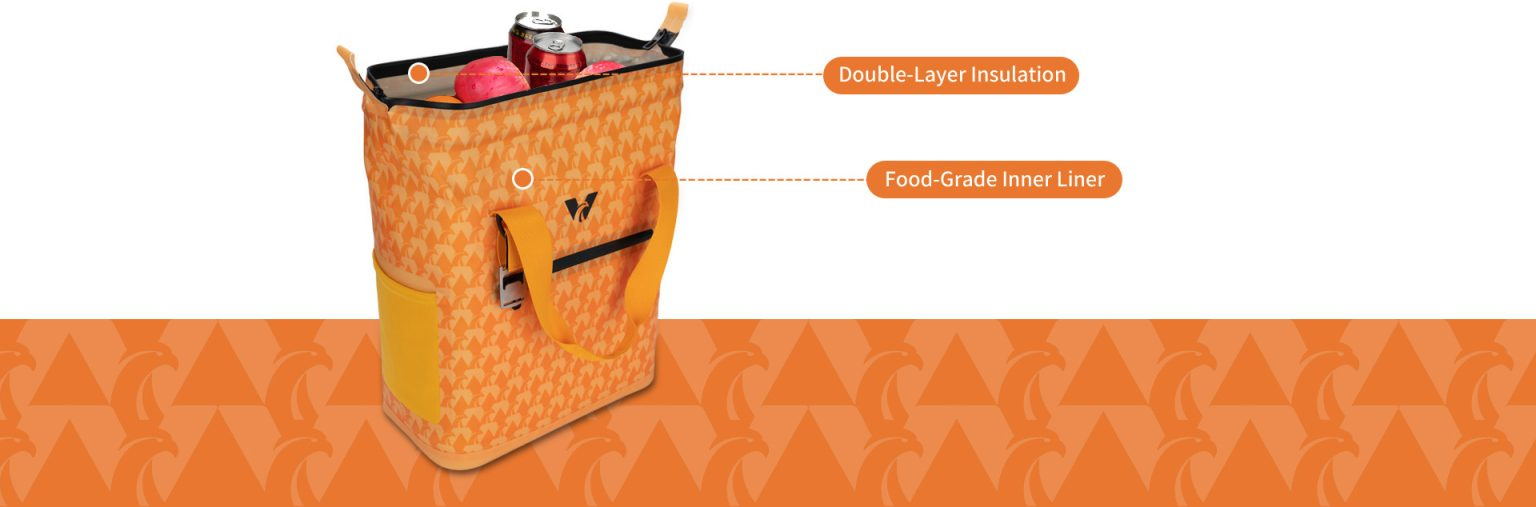
Food-Grade Safety Standards: The inner liner must use FDA-compliant, BPA-free PEVA or TPU materials to keep the catch safe for human consumption.
An experienced fishing cooler bag maker will also reinforce these welded joints. They apply extra weld tape at stress points to handle the shifting weight of heavy catches during transit.
3. High-Density Closed-Cell Foam Insulation
Insulation performance determines how long a catch stays fresh. Standard retail cooler bags often use cheap, open-cell polyurethane foam. Open-cell foam acts like a sponge; it absorbs moisture, loses its insulation value, and fosters bacterial growth once wet.
For marine applications, an insulated fishing bag manufacturer must utilize high-density closed-cell foam. This foam contains tiny, sealed gas pockets that block heat transfer and repel water.
Consider these specifications when discussing insulation with your factory:
Foam Thickness: The insulation layer should range from 15mm to 25mm to maintain ice for 24 to 48 hours.
Water Absorption Rate: Closed-cell rubber foam has a near-zero water absorption rate, maintaining its structural integrity over years of use.
Structural Rigidity: Thick closed-cell foam helps a soft-sided fish cooler maintain its shape even when completely empty, making it easier to load fish.
A reliable manufacturer should provide thermal test data showing how long their bag configurations can hold ice in high-temperature environments.
4. Fishing-Specific Functional Hardware and Details
A generic cooler bag does not meet the functional needs of an angler. An experienced manufacturer must offer customization options designed for real-world fishing scenarios. When sourcing OEM fishing tackle bags, look for a supplier that can integrate the following specialized components.
Heavy-Duty Waterproof Zippers
Saltwater corrodes standard metal zippers in weeks. A professional manufacturer uses toothless, airtight zippers with TPU coatings. These zippers prevent water from leaking out even if the bag is tipped over. Large, ergonomic T-pull handles are also essential for anglers with wet or cold hands.
Integrated Drain Plugs
Large fish bags hold massive amounts of ice and water. A low-profile screw-cap drain plug allows users to drain melted ice water without losing cold air or dumping out the fish. The drain port must have a secure, leak-proof seal to avoid accidental spills.
Top-Lid Fish Rulers
Many regions enforce strict catch-size limits. Printing an accurate, UV-resistant measuring ruler directly onto the top lid of the cooler bag adds immediate value for end-users. An experienced fishing cooler bag maker like weierken uses precise screen-printing methods that resist fading from sun and saltwater abrasion.
5. Reinforced Straps, Handles, and Tie-Down Points
A large kill bag filled with ice and several large fish can easily weigh over 50 pounds. If the carrying straps break at the boat dock, the product becomes useless. A top-tier factory must design the bag's load-bearing system to handle extreme weights.
Assess these structural reinforcement details with your manufacturer:
Seatbelt-Grade Webbing: Heavy-duty polyester or nylon webbing ensures the handles will not tear under maximum loads.
Reinforced Stitching Patterns: Look for box-stitch ("X-in-a-box") patterns where the handles connect to the main body. Factories often add welded TPU patches behind these stitch points to distribute weight evenly.
Molded D-Rings and Tie-Downs: Anglers need to secure their gear on moving boats or kayaks. Heavy-duty D-rings allow users to lash their kayak fishing cooler securely to the deck.
By focusing on these structural details, your supplier helps prevent returns and warranty claims from customers who subject their gear to rough marine conditions.
B2B Customization, Compliance, and Supply Chain Standards
Finding a factory with technical capabilities is only half the battle. B2B buyers also need a partner that understands supply chain logistics, international quality standards, and retail ready packaging.
When selecting a wholesale marine cooler bags supplier, verify their compliance credentials. The interior liners must pass strict chemical safety tests, such as FDA food-contact standards, LFGB certifications, and REACH compliance for European markets.
Furthermore, look for a partner that offers flexible OEM and ODM services. A collaborative manufacturer like weierken supports your brand from initial CAD drawings and 3D prototyping through to mass production. They also manage critical supply chain factors, such as reliable material sourcing, packaging design, and seasonal shipping capacity, ensuring your products arrive before the peak spring and summer sales seasons.
Frequently Asked Questions (FAQ)
1. What is the difference between TPU and PVC in a soft-sided fish cooler?
TPU (Thermoplastic Polyurethane) is lighter, more flexible in cold weather, and highly resistant to punctures compared to PVC. It is also an eco-friendly, BPA-free material. PVC is generally less expensive but can crack over time under intense UV exposure and cold temperatures, and it often contains chemical plasticizers.
2. How does a leakproof fish kill bag supplier test for leaks?
Most professional factories perform pressure inflation tests or water submersion tests. The bags are filled with compressed air or water to check for pinhole leaks along the high-frequency welded seams and airtight zippers. Only bags that pass these quality checks move on to final packaging.
3. Can we customize the dimensions and logos on OEM fishing tackle bags?
Yes. A professional fishing cooler bag maker can adjust length, height, and width to fit specific boat sizes or kayak wells. Custom logos can be added using durable silkscreen printing, high-frequency embossing, or molded rubber patches designed to resist saltwater erosion.
4. Why is closed-cell foam better than open-cell foam for marine coolers?
Closed-cell foam features independent, sealed air pockets that block heat and do not absorb moisture. Open-cell foam has interconnected pores that act like a sponge. If open-cell foam absorbs water, it loses its insulation capabilities and becomes a breeding ground for mold and bacteria.
5. What is the typical MOQ when ordering from a heavy-duty soft cooler factory?
The Minimum Order Quantity (MOQ) typically ranges from 500 to 1,000 pieces per design. This requirement depends on the specific raw materials and custom tooling needed for high-frequency welding. Some manufacturers offer smaller trial runs for established brands developing new product lines.
Partner with a Trusted Marine Gear Manufacturer
Sourcing your inventory from a highly capable factory ensures your brand delivers reliable performance to your customers. At weierken, we manufacture durable, high-performance soft coolers and custom marine gear designed for the toughest fishing conditions. We use advanced high-frequency welding, premium TPU materials, and heavy-duty insulation to build products that last.
Are you looking to expand your outdoor brand's product catalog? Contact our engineering team today to request a factory quote, discuss your technical drawings, or arrange for a prototype sample.