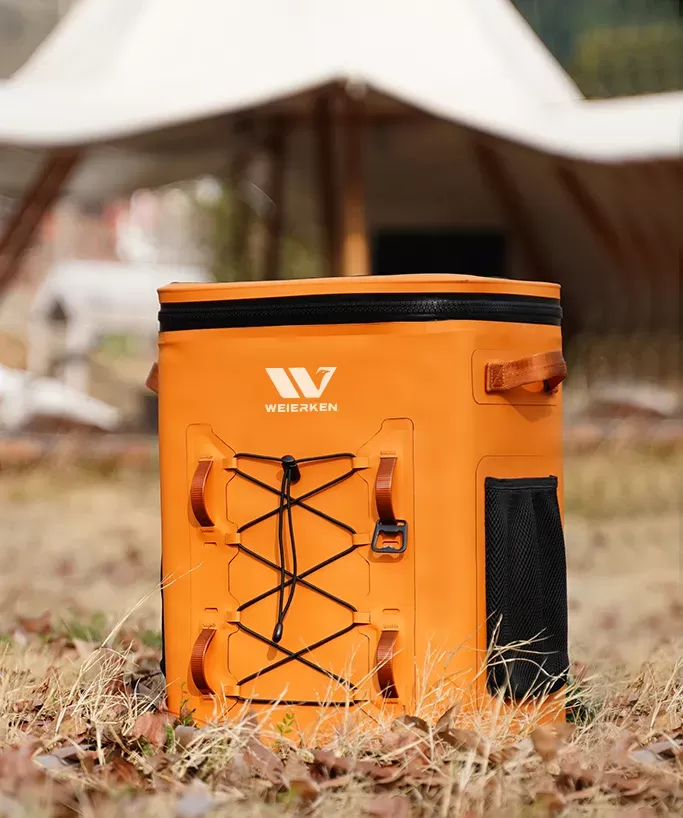

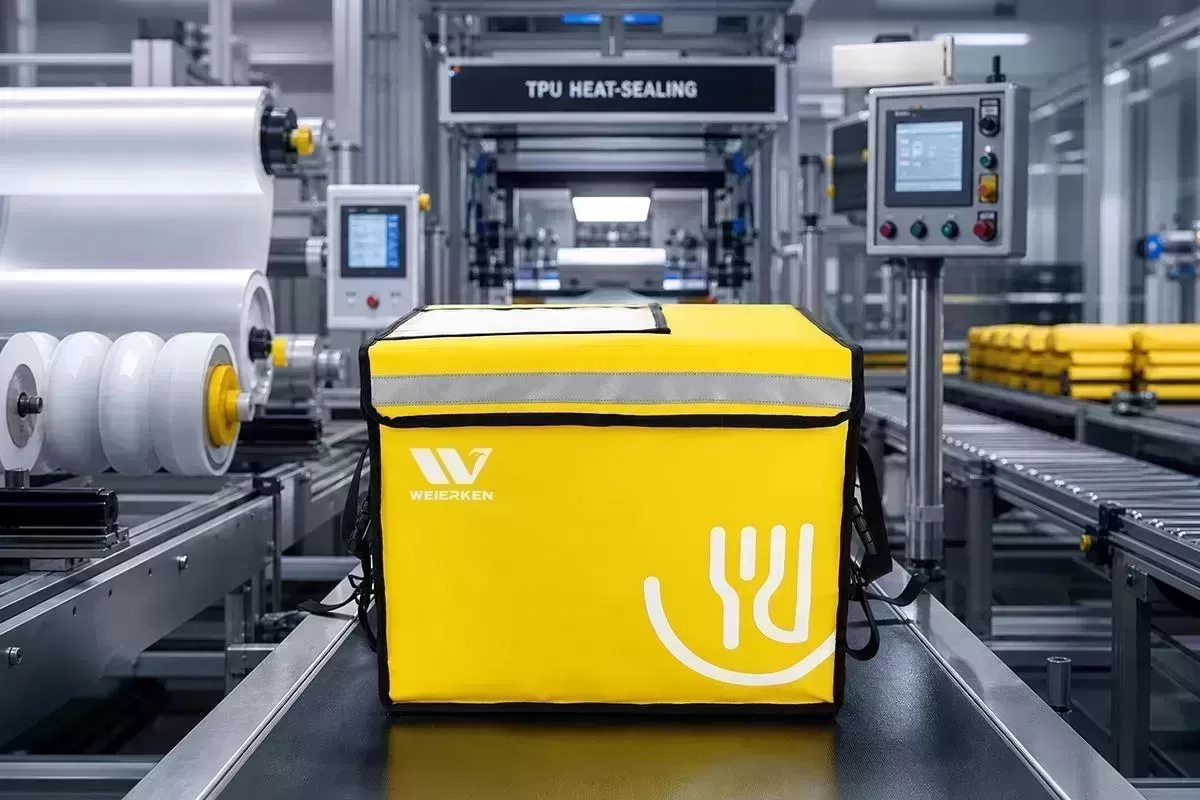
The global demand for food and grocery delivery services continues to grow steady. For logistics managers and food brands, securing reliable equipment is essential to keeping operations smooth. Working with an experienced expandable delivery bag maker like weierken helps businesses balance cargo volume fluctuations with rider comfort.
Custom manufacturing provides a practical way to address fleet-specific challenges. Standard bags often lack the precise durability or branding required for commercial use. This article details the structural options, materials, and manufacturing steps involved in custom bag production.
Why Expandable Delivery Bags are Becoming the Industry Standard
Delivery fleets face unpredictable order volumes throughout the day. A single rider might handle a small lunch order on one trip and a large family-sized catering box on the next. Carrying multiple bags is impractical and reduces rider safety.
An expandable design resolves these issues through flexible capacity. B2B buyers look for versatile solutions to optimize their daily operations.
Space Flexibility: Bags expand when needed to accommodate larger orders, then fold down for smaller deliveries to stay compact.
Aerodynamic Efficiency: When the bag is unexpanded, it offers less wind resistance, which helps reduce rider fatigue.
Procurement Savings: Sourcing bulk expandable food delivery bags allows companies to buy one model that serves multiple delivery types.
Optimized Storage: When not in use, the bags take up less space in warehouse facilities or fleet hubs.
Selecting a specialized custom delivery bag OEM partner ensures your fleet receives products designed specifically for daily commercial wear and tear.
Our OEM Capabilities: Turning Concepts into Reliable Delivery Solutions
Developing a custom delivery bag requires technical planning, material science, and clean execution. As a focused delivery bag manufacturer China, weierken supports clients through every stage of production without taking shortcuts.
Design & Prototyping
We start by analyzing your technical drawings, 3D models, or functional requirements. If you only have basic sketches, our engineering team works with you to draft structural designs. We focus on corner reinforcement, load distribution, and opening angles to make the bag easy for riders to use.
Material Sourcing
Choosing the correct raw materials is vital for the lifespan of a delivery backpack. We source materials that balance weight, water resistance, and structural strength.
Outer Shell: High-density 1680D Oxford fabric or heavy-duty PVC Tarpaulin to resist tears, rain, and UV damage.
Insulation Core: Multi-layered expanded polyethylene (EPE) foam or polyurethane (PU) rigid boards for thermal structure.
Inner Linings: Food-grade, heat-sealed aluminum foil or easy-to-clean PVC sheet to prevent liquid leaks.
Expandable Mechanisms
The expansion joint is often the first point of wear. To prevent failure, we use industrial-grade zippers with thick teeth or reinforced hook-and-loop systems. Double-stitching along stress points ensures the bag remains stable when carrying its maximum volume.
Key Customization Options for B2B Clients
Commercial clients need more than just a generic container. Different delivery zones, weather conditions, and transport methods require specialized features. Working with a dedicated customized thermal bag supplier lets you build bags to your exact specifications.
Branding and Visibility
Delivery bags act as moving billboards on city streets. We offer several printing methods to ensure your brand stands out clearly, even in bad weather.
High-Visibility Prints: Reflective striping and logos that meet standard night-safety regulations.
Durable Silk Screen Printing: Excellent for bold, solid logos that need to withstand daily UV exposure.
Heat Transfer & Rubber Badges: Perfect for complex multi-color logos that require precise detail.
Functional Compartments
Organized interiors help riders handle deliveries faster and minimize spills during transit.
Adjustable Dividers: Removable insulated shelves that partition hot and cold items.
Secure Cup Holders: Internal straps or pockets designed to keep drink cups upright.
External Pockets: Dedicated pockets for order slips, power banks, and smartphones.
Ergonomic Back Support
Rider safety and comfort directly affect delivery speed and retention rates. A quality wholesale insulated delivery backpack needs proper weight distribution to prevent strain.
We use thick, breathable mesh padding on back panels and shoulder straps. Adjustable chest belts and waist straps keep the pack secure on motorcycle or bicycle riders.
Specification Table for Custom Expandable Delivery Bags
The following table outlines standard specifications used for initial designs. These values can be modified during the consulting phase with weierken.
| Specification Feature | Standard Option (Compact) | Expanded Option (Full Capacity) | Available Customization |
|---|---|---|---|
| Internal Volume | Approx. 35 Liters | Approx. 52 Liters | Customized sizes from 30L to 80L |
| Outer Material | 1680D Oxford Cloth | 1680D Oxford Cloth | PVC Tarpaulin, 900D Polyester |
| Insulation Layer | 8mm EPE Foam | 8mm EPE Foam | 10mm or 12mm high-density foam |
| Closing System | #10 Nylon Zippers | #10 Nylon Zippers | Waterproof zippers, buckle straps |
| Thermal Retention | Hot: 2 hours (>60°C) | Hot: 1.5 hours (>60°C) | Reinforced composite lining panels |
Quality Control and Testing Standards in Our Production Line
A reliable expandable delivery bag maker must maintain a strict quality assurance process. We do not promise zero mistakes, but we follow clear inspection protocols to locate and fix issues before shipping.
Load-Bearing and Stress Testing
We test the handles and shoulder strap points under heavy loads. Bags are loaded with weights exceeding standard delivery limits and placed on mechanical shaking machines to simulate rough road conditions.
Thermal Retaining Test
Our testing lab measures interior temperatures over time. We record how well the insulation holds up in both hot and cold environments to ensure your food deliveries arrive at safe temperatures.
Water-Resistance and Durability Testing
We test our outer materials and zippers using water-spray machines to simulate heavy rain. We also run mechanical cycle tests on zippers to verify they can withstand thousands of openings and closings without splitting.
Collaborative Process: From Inquiry to Mass Delivery
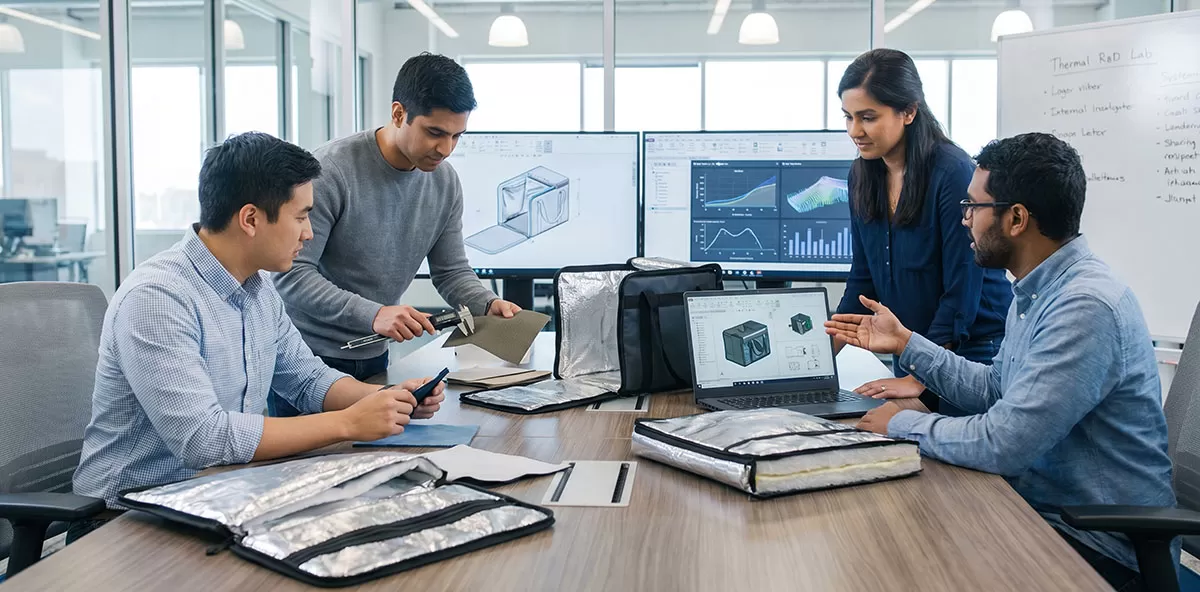
Developing a custom bag is a step-by-step process. Here is what you can expect when partnering with us:
Inquiry & Consultation: Share your target size, quantity, and design ideas. We provide a preliminary price estimate.
Prototyping: We make a physical sample for you to review, allowing you to test the materials and fit.
Refinement: Based on your feedback, we adjust the materials, dimensions, or branding details.
Bulk Production: Once the sample is approved, we start mass production. We send regular updates on our progress.
Final Quality Inspection: Our QC team inspects the seams, zippers, and print quality of every batch.
Logistics Support: We assist with export paperwork and coordinate delivery to your warehouse.
Frequently Asked Questions
1. What is the standard minimum order quantity (MOQ) for custom bags?
Our typical MOQ for custom designs is 500 units per style. This helps us optimize material sourcing and keep manufacturing costs reasonable for B2B buyers.
2. Can we customize the bag dimensions to fit our specific delivery boxes?
Yes. As an experienced expandable delivery bag maker, we can adjust the height, width, and depth of the main compartment to fit your delivery containers.
3. How long does the design and sampling process take?
Developing a custom sample usually takes 7 to 10 working days, depending on how complex the design is and whether we need to source specialized materials.
4. Are the inner linings of your bags food-safe and easy to clean?
Yes. We use food-grade, non-toxic aluminum foil and PVC linings. They are water-resistant, easy to wipe down, and help maintain food hygiene standards.
5. Can you match our brand's specific Pantone color code?
We can match Pantone colors for our outer fabrics. For smaller orders, we will suggest the closest standard fabric colors available in our inventory.
6. What shipping methods do you offer for bulk orders?
We offer FOB, CIF, and DDP shipping options by sea, air, or rail, depending on your budget and how quickly you need your order delivered.
Partner with a Reliable Custom Delivery Bag OEM
Finding a manufacturing partner that understands commercial requirements makes a big difference in your delivery operations. weierken focuses on providing durable, practical, and well-designed delivery solutions for logistics companies worldwide. From choosing the right insulation to reinforcing stress points, we help you build bags that keep your riders comfortable and your deliveries secure.
Contact our sales team today to share your specifications, request a sample, or get a custom quote for your fleet.