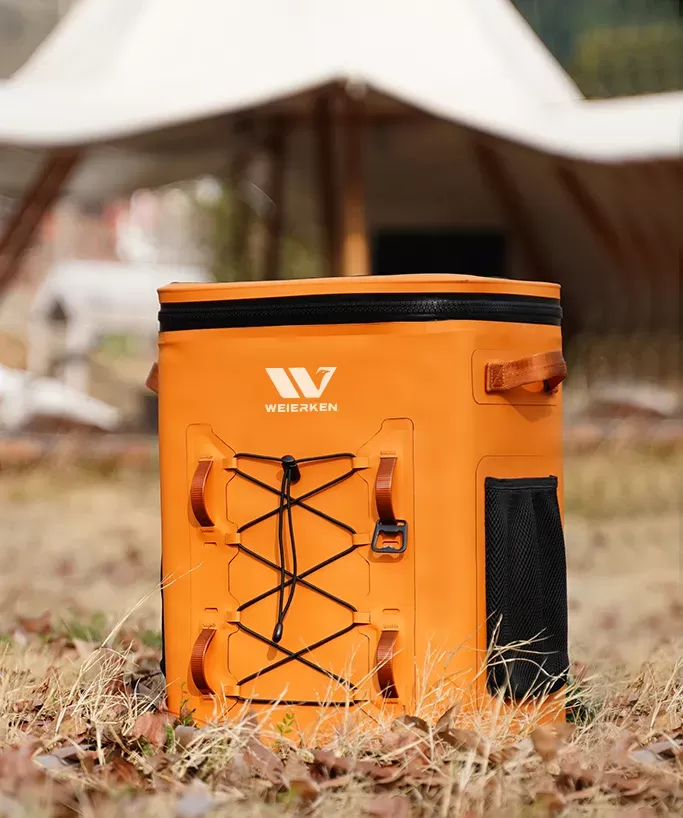

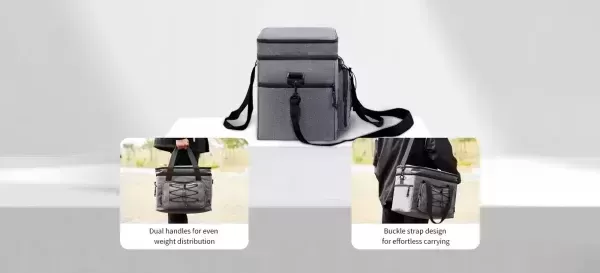
Last-mile delivery for frozen desserts allows zero margin for error. A minor temperature shift easily ruins the texture, shape, and appeal of ice cream. When products melt, brand reputation suffers immediately. For businesses sourcing packaging, finding a reliable ice cream insulated bag maker is a critical step to secure the cold chain.
A good manufacturer does more than sew bags. They engineer thermal barriers. Brands like Weierken work closely with buyers to meet these precise logistics standards. To find a partner that keeps your products frozen, you should evaluate suppliers against five core quality metrics.
1. Thermal Insulation Layers and R-Value Performance
Thermal efficiency is not just about the thickness of a bag. It depends on the structure of the composite materials inside. A professional cold chain packaging supplier must demonstrate how their material layers prevent heat transfer.
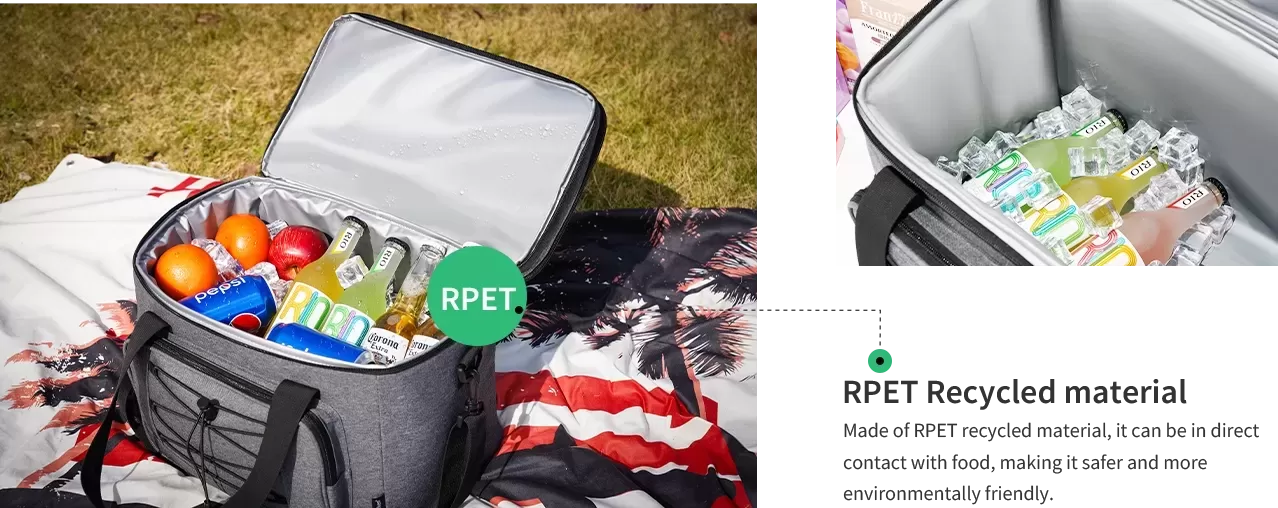
Reliable bags use a multi-layer barrier system:
Inner Lining: High-quality makers use thick reflective aluminum foil or metalized polyester film (MPET). These materials reflect radiant heat away from the cold goods.
Insulation Core: This layer usually consists of Expanded Polyethylene (EPE) foam, Cross-linked Polyethylene (XPE) foam, or Polyurethane (PU). Thick EPE foam (ranging from 3mm to 8mm) provides excellent thermal resistance.
Outer Protective Layer: Durable, high-density fabrics like Oxford polyester or non-woven fabrics protect the inner layers from punctures.
Ask your ice cream insulated bag maker for thermal resistance data, often measured as R-value. A qualified supplier should provide test reports showing how long their bags maintain temperatures below -18°C in hot external environments.
2. Advanced Sealing and Leak-Proofing Technology
Ice cream transport produces condensation. If a bag leaks, it ruins outer cartons and creates a poor customer experience. Cold air escapes through weak seams, which speeds up melting.
Look closely at how the factory seals its products. Standard stitching creates needle holes. These tiny holes allow cold air to escape and liquids to drip out. To prevent this, leading manufacturers use advanced bonding methods.
Ensure your supplier uses ultrasonic welding or high-frequency heat sealing for the inner lining. This technique fuses the edges together to create a seamless, liquid-tight barrier. For closures, check if they offer heavy-duty airtight zippers, dual-track slide seals, or thick hook-and-loop fasteners to lock in the cold.
3. Load-Bearing Structure and Durability
Sellers often pack bulk thermal bags for ice cream with heavy gel packs or dry ice. This adds significant weight. A weak bag will stretch, tear at the handles, or sag at the bottom during transit.
Evaluate the structural integrity of the bags by checking these key areas:
Handle Reinforcement: The handles should run completely around the bottom of the bag rather than just stitching onto the top. Look for "Box-X" stitch patterns or metal rivet reinforcements at stress points.
Base Support: Solid plastic inserts, like removable PE boards, help distribute weight evenly. This prevents the bottom from sagging and keeps the ice cream cartons upright.
Fabric Tensile Strength: Heavy-duty outer materials resist tearing when dragged across concrete or metal shelves during delivery.
During your search, partners like Weierken can provide stress-test data to show how their customized bags hold up under maximum weight limits over long distances.
4. Food-Grade Compliance and Material Safety
Safety is a primary concern for food logistics. Since these bags hold food products, all materials must comply with strict chemical safety laws. You cannot risk chemical leaching or strong chemical odors affecting the taste of your product.
A trustworthy food-grade cooler bag manufacturer must verify the safety of every material used, including inner linings, external fabrics, zippers, and even adhesives. Ask suppliers to show up-to-date compliance certificates.
Confirm the manufacturer holds valid reports from recognized bodies, such as FDA compliance for food-contact surfaces, LFGB certification, or REACH registration for European markets. Additionally, check if the factory undergoes an independent insulated bag factory audit, such as ISO 9001 for quality systems or BSCI for ethical operations.
5. Customization Capability and Supply Chain Reliability
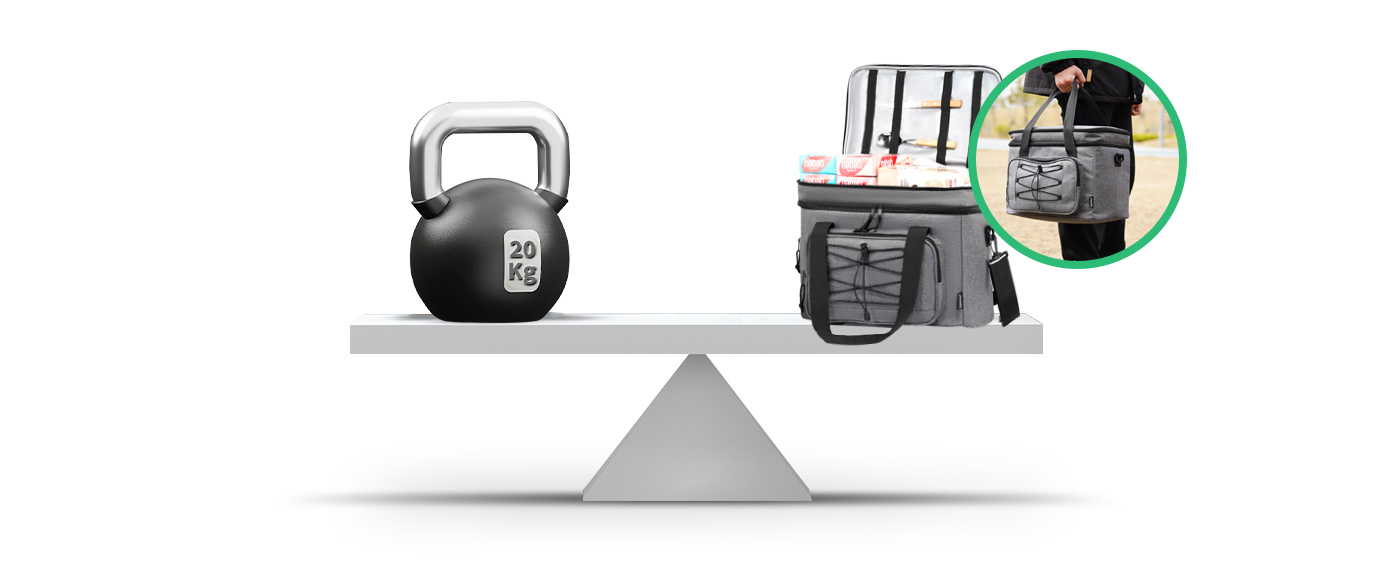
Standard sizes rarely fit every delivery vehicle or carton size. A reliable ice cream insulated bag maker must offer flexible OEM and ODM services. They should help you adjust dimensions, add custom pockets for dry ice, or print high-resolution brand logos.
Production capacity is also critical. Ice cream sales peak during the spring and summer. Your supplier must handle large seasonal orders without missing deadlines. Ask about their daily production limits and their On-Time Delivery (OTD) rates during peak seasons.
Working with an organized manufacturer keeps your supply chain running smoothly. They should offer fast prototyping, clear communication, and manageable Minimum Order Quantities (MOQs).
Frequently Asked Questions
1. How long can an ice cream insulated bag keep products frozen?
The duration depends heavily on ambient temperature, the thickness of the insulation foam, and the use of gel packs or dry ice. High-performance bags can maintain freezing temperatures for 2 to 6 hours when packed correctly. Ask your manufacturer for specific thermal test data sheet details.
2. What is the difference between EPE and PU foam in thermal bags?
EPE foam is lightweight, flexible, and cost-effective, making it ideal for delivery bags and promotional cooler bags. PU foam offers higher thermal resistance but is stiffer and more expensive. Most bulk transit bags use thick EPE foam for a balance of cost and performance.
3. Can I get custom sizes and branding from an ice cream insulated bag maker?
Yes. A professional manufacturer will offer full OEM services. This allows you to customize the dimensions, outer fabrics, insulation thickness, inner pockets, and exterior branding to match your logistics setup.
4. Why is ultrasonic welding better than sewing for the inner lining?
Sewing creates needle holes that allow cold air to leak out and condensation to seep into the insulation layer. Ultrasonic welding fuses the lining material together with heat, creating a completely seamless, leak-proof barrier that preserves temperature much better.
5. What certifications should I request during an insulated bag factory audit?
You should ask for food-contact safety certificates like FDA or LFGB for the inner materials. For the manufacturing facility itself, look for ISO 9001 quality management certificates and BSCI or SMETA social compliance audit reports.
Secure Your Cold Chain Packaging Today
Choosing the right packaging partner protects your product quality and your bottom line. Weierken manufactures durable, high-performance thermal bags designed to meet strict food safety and temperature control requirements.
Are you looking to upgrade your delivery packaging? Contact our team today to discuss your specifications, request a sample, or get a competitive quote for your next order.