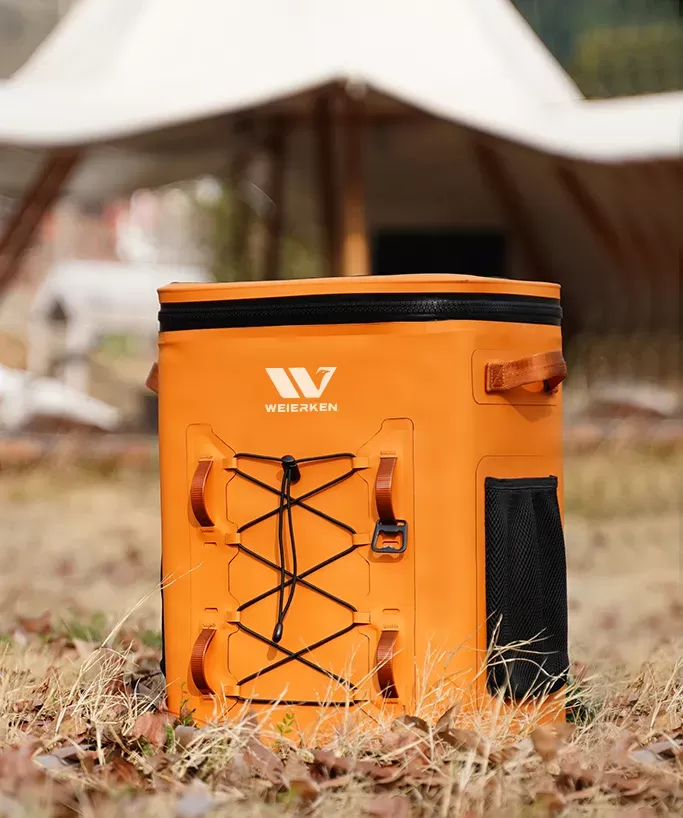

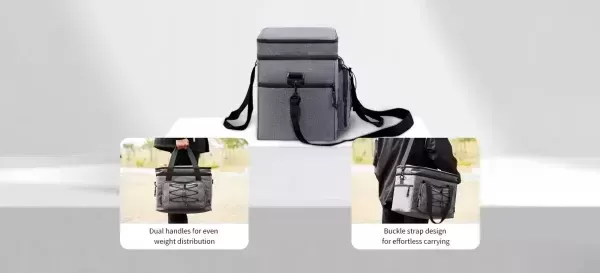
Choosing the right grocery insulated bag factory determines whether your brand succeeds or faces a logistical nightmare. It is not just about finding a supplier that offers the lowest price. You need a partner that understands food safety, thermal science, and the pressures of retail supply chains.
At weierken, we know that a high-quality thermal bag is more than a piece of fabric. It is a protective barrier for perishables. Whether you are a large supermarket chain or a growing food delivery service, the quality of your bags reflects your commitment to your customers.
Before you sign a contract or send a deposit, you must vet your potential partner thoroughly. Use these five critical questions to ensure you are working with a professional grocery insulated bag factory that can handle your specific needs.
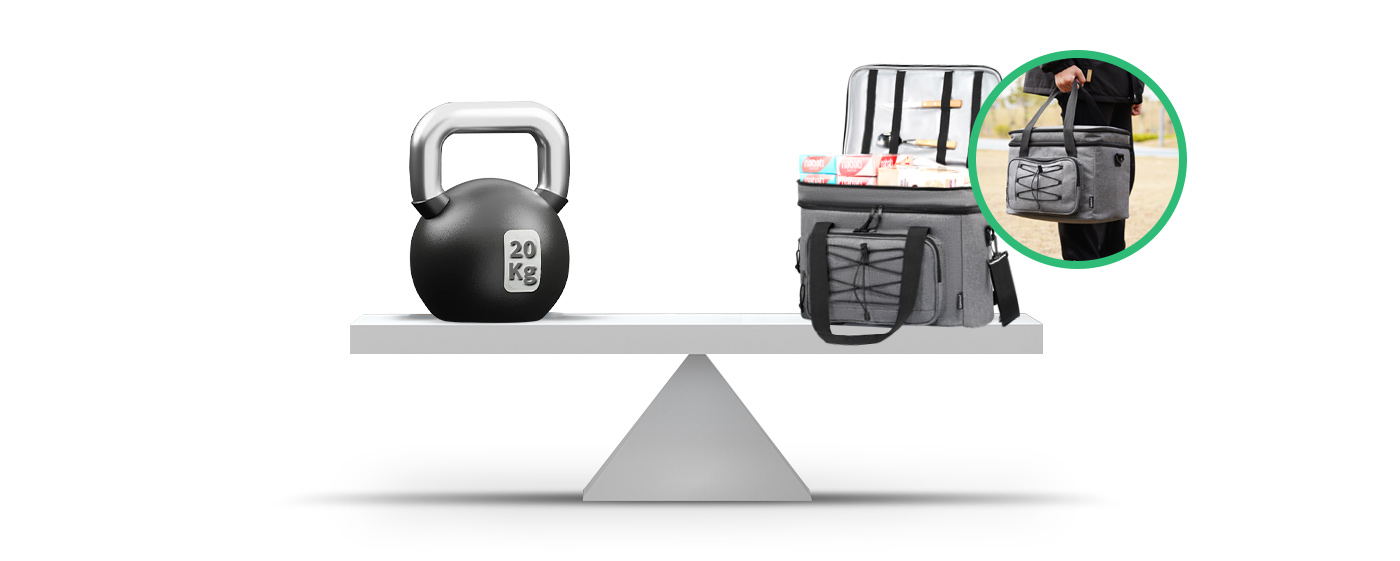
1. What insulation materials do you use, and are they food-safe certified?
The core value of a thermal bag lies in its lining. When you talk to a grocery insulated bag factory, you must dig into the technical specifications of their materials. Common materials include EPE foam, pearl cotton, aluminum foil, and high-end VIP vacuum insulation panels.
Why does this matter? These bags often come into direct contact with food or beverages. If the materials are low-grade, they might emit odors or, worse, leach toxic substances when exposed to heat. A professional factory should provide materials that are non-toxic and odorless.
Ask for specific certifications. In the United States, FDA compliance is a must. In Europe, look for EU 10/2011 or LFGB certifications. If a grocery insulated bag factory cannot produce these documents, your shipment could be seized by customs or rejected by major retailers due to safety risks.
EPE Foam: Offers excellent cushioning and decent thermal resistance.
Aluminum Foil: Reflects radiant heat and provides a moisture barrier.
PEVA Lining: Often used for its leak-proof properties and ease of cleaning.
Weierken prioritizes sourcing raw materials that meet international safety standards. This ensures that your brand remains reputable and your customers stay safe.
2. What is your MOQ and how do you handle flexible production needs?
B2B procurement is rarely static. Large supermarket chains often require high-volume, frequent replenishment to keep inventory low. Conversely, a startup brand might only need a small batch of 500 pieces for a local promotion. You need a grocery insulated bag factory that can adapt to these different scales.
Ask about their Minimum Order Quantity (MOQ). A rigid factory that demands 10,000 units per style may not be the best fit if you need to test a new market. A flexible grocery insulated bag factory typically offers MOQs between 500 and 2,000 units, supporting multi-color printing and custom logo placements.
Flexible production also involves "quick-change" capabilities. Can they switch between different bag sizes or printing plates without long downtimes? This agility prevents you from facing overstocking risks or being stuck with outdated designs.
Look for a partner that values your growth. A factory that supports small batches today is likely a partner that can scale with you tomorrow as your order volume increases.
3. How do you test thermal performance, and can you provide the data?
Insulation time is the most important performance metric for any thermal bag. Many suppliers claim their bags keep food cold for "up to 10 hours," but they rarely have the data to back it up. A professional grocery insulated bag factory should not rely on guesswork.
Ask if they have an on-site constant temperature laboratory. These labs simulate various environments, such as 2-8°C for cold chain logistics or 60°C for hot food delivery. They should be able to provide cooling or heating curve data that shows exactly how the internal temperature changes over time.
Without this data, you are buying a product based on "feel." If the bag fails in the hands of your customers—resulting in melted ice cream or spoiled meat—the complaints will fall on you. A grocery insulated bag factory with rigorous testing protocols helps you avoid these costly mistakes.
At weierken, we believe in transparency. Providing empirical evidence of thermal retention is part of our commitment to quality assurance and client satisfaction.
4. What is your quality control process, and do you accept third-party audits?
Consistent quality is far more valuable than a one-time low price. A single batch of defective bags can ruin a promotional campaign. When vetting a grocery insulated bag factory, ask them to outline their quality control (QC) workflow.
A reliable system usually includes three main stages:
IQC (Incoming Quality Control): Checking raw materials like fabric, zippers, and foam before production starts.
IPQC (In-Process Quality Control): Monitoring the assembly line to catch sewing errors or printing misalignments early.
OQC (Outgoing Quality Control): A final inspection of the finished goods before they are packed and shipped.
Furthermore, ask if they are open to third-party inspections. Professional factories should welcome auditors from organizations like SGS, TÜV, or BV. These audits might cover social responsibility (BSCI), security (C-TPAT), or general quality management. If a grocery insulated bag factory refuses transparent audits, they are likely hiding flaws in their process.
5. What is your on-time delivery rate, and how do you manage peak season risks?
In the retail world, timing is everything. Grocery bags are often tied to seasonal demands—chilled bags for summer drinks or insulated carriers for holiday food deliveries. A delay of two weeks could mean missing the entire peak selling window.
Ask the grocery insulated bag factory for their on-time delivery data from the past year. How do they handle surges in orders? Do they have backup production lines or trusted sub-contractors? A factory with poor schedule management puts your entire supply chain at risk.
Professional factories use ERP systems to track production in real-time. They should provide you with a clear timeline from the moment the sample is approved to the day the container leaves the port. Reliability in scheduling allows you to plan your marketing and inventory with confidence.
Weierken maintains a disciplined production schedule. We understand that your business relies on our ability to hit deadlines, regardless of seasonal fluctuations.
Summary of Key Considerations
Selecting a grocery insulated bag factory requires a balance of technical scrutiny and logistical evaluation. By asking these five questions, you move beyond the surface-level sales pitches. You gain insight into how the factory operates, how they treat safety, and how they will support your brand's growth.
The right partner acts as an extension of your own team. They should provide the certifications you need, the data you require, and the reliability you deserve. If a factory hesitates to answer these questions, it is a sign to look elsewhere.
Frequently Asked Questions (FAQ)
Can I customize the size and color of the bags at your grocery insulated bag factory?
Yes, most professional factories offer full customization. You can choose specific dimensions to fit your grocery containers and select Pantone colors that match your brand identity. Custom printing options usually include silk-screen, heat transfer, or digital printing.
What is the typical lead time for a bulk order?
Lead times vary depending on the order size and complexity. Generally, a grocery insulated bag factory will take 25 to 35 days for mass production after the sample is approved. It is always best to factor in shipping time when planning your inventory.
Are the materials used in these bags recyclable?
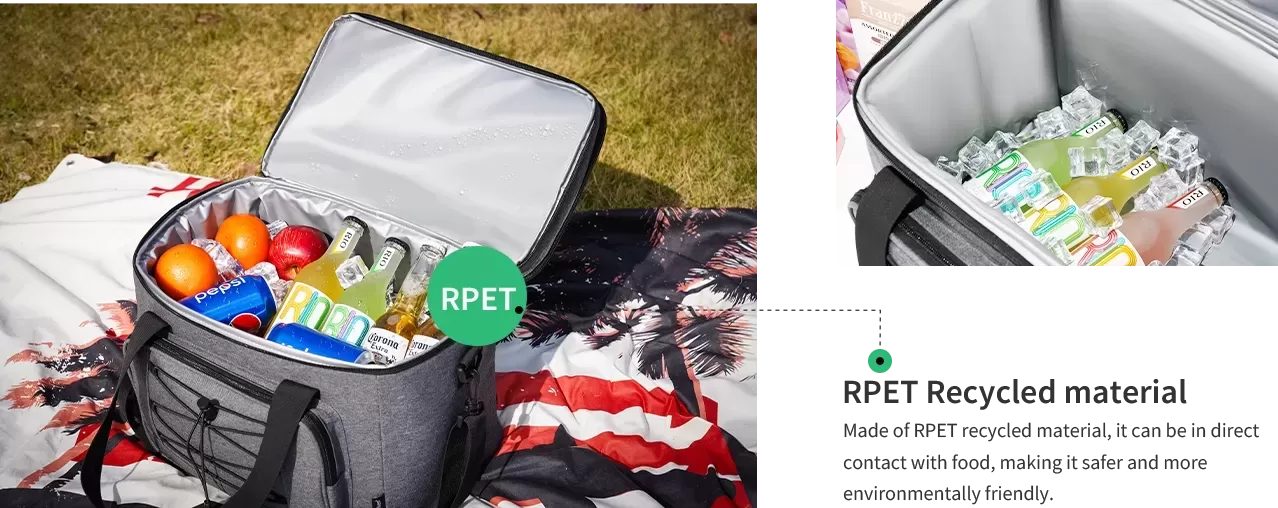
Many factories now offer eco-friendly options. You can request recycled PET (rPET) fabrics or biodegradable linings. Discussing sustainability with your grocery insulated bag factory is a great way to align your product with modern consumer values.
Do you provide samples before I place a full order?
A reputable factory will always provide a pre-production sample. This allows you to check the sewing quality, the effectiveness of the insulation, and the accuracy of the printing. There is usually a small fee for custom samples, which is often refunded upon a bulk order.
How are the bags packaged for international shipping?
Standard packaging involves polybags for individual items, which are then placed into heavy-duty corrugated cartons. A professional grocery insulated bag factory ensures that the packaging is strong enough to withstand sea freight and prevents the bags from being crushed or damaged during transit.
How do you handle defective products if they are found after delivery?
A reliable partner will have a clear after-sales policy. Usually, this involves a replacement or a credit for the next order if the defect rate exceeds the agreed-upon AQL (Acceptable Quality Level). Always confirm these terms in your initial contract.
Partner with a Reliable Grocery Insulated Bag Factory
Finding a trustworthy grocery insulated bag factory is the first step toward a successful product launch. At weierken, we combine years of manufacturing expertise with a strict focus on quality control and food safety. We help businesses navigate the complexities of the supply chain with ease.
Don't leave your brand's reputation to chance. If you are looking for a partner that provides data-backed performance and transparent manufacturing, we are here to help. Contact us today to discuss your project requirements and receive a detailed quote.
Ready to Start Your Project?
Contact weierken today for a professional consultation. Whether you need custom branding or high-performance insulation, our team is ready to deliver.
Request a Quote: Send us your specifications, and we will provide a competitive proposal within 24 hours.
Inquire Now