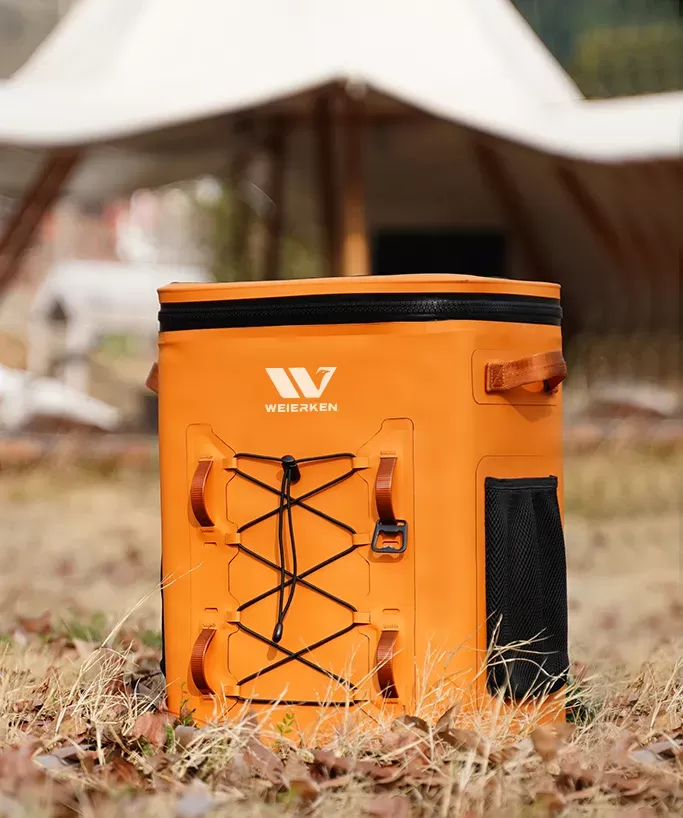

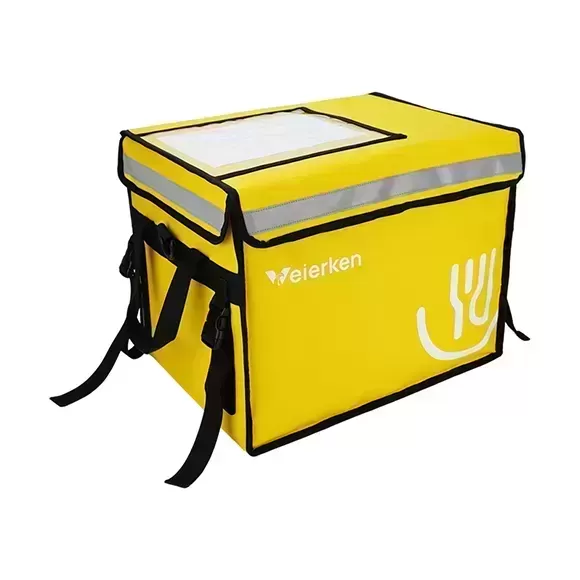
For grocery chains, meal kit services, and promotional product distributors, the performance of insulated totes directly affects product freshness and brand reputation. A reliable grocery insulated tote factory doesn't just produce bags — it provides thermal retention solutions tailored to your cold chain needs. Based on real sourcing experience, this guide walks you through the essential checks that separate competent manufacturers from the rest.
1. Direct Sourcing vs. Intermediaries: What a Factory Brings
Working directly with a grocery insulated tote factory gives you control over specifications, materials, and production schedules. Key advantages include:
Full customization – dimensions, insulation thickness, fabric type, handle style, and closure method.
Quality oversight – direct communication with production managers and in-line quality checks.
Scalability – from hundreds to tens of thousands of units without changing partners.
Brands like weierken operate as a specialized factory, helping clients bypass layers of distributors and go straight to the source for their insulated tote needs.
2. Core Insulation Technologies You Must Understand
Thermal performance is the #1 reason to choose a dedicated grocery insulated tote factory. Different insulation methods deliver different retention windows:
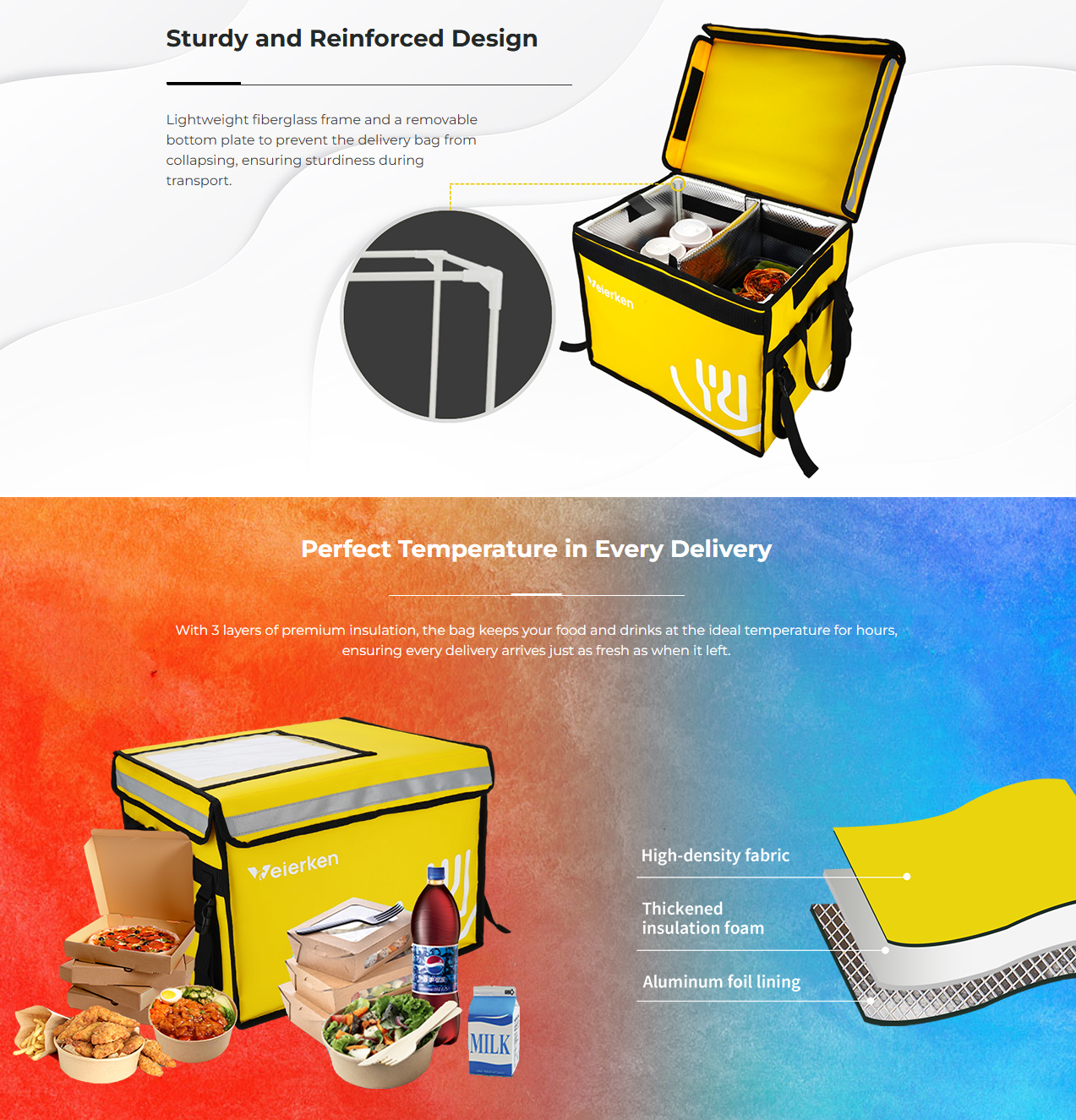
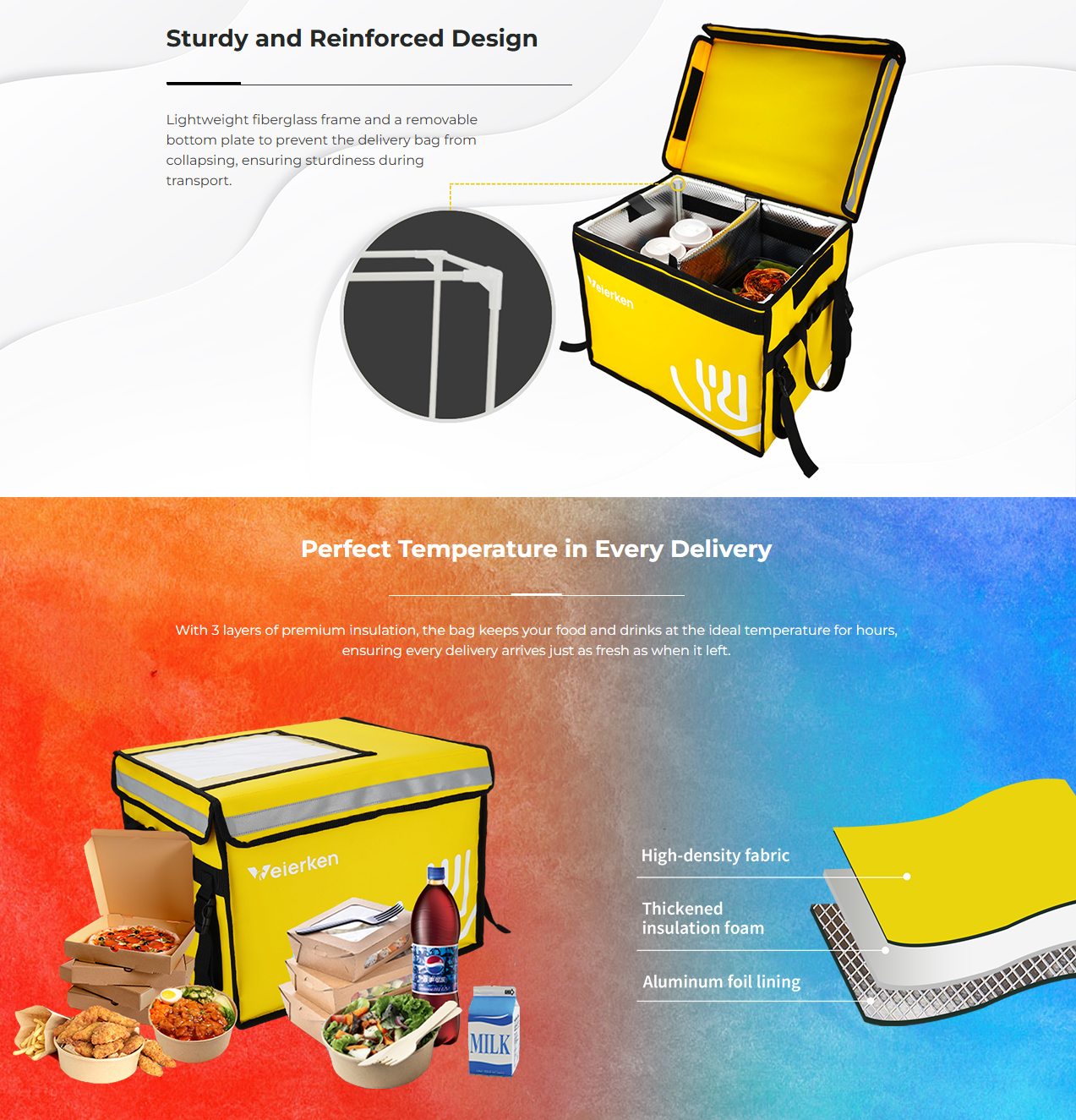
Foil‑laminated foam (5–10mm) – reflects radiant heat and slows conduction. Ideal for 2–4 hour cold retention.
Closed‑cell polyethylene foam – lightweight and moisture‑resistant, often used in mid‑range totes.
Multiple reflective layers – advanced designs with 2–3 foil barriers for extended performance (4–6+ hours).
Vacuum insulation panels (VIPs) – premium option for medical or ultra‑sensitive cold chains.
Ask potential factories for thermal test reports under realistic load conditions — not just empty bag tests.
3. Material Selection: Outer Fabrics and Linings
A professional grocery insulated tote factory offers a range of outer and inner materials to match your usage environment:
Outer Fabric Options
Non‑woven polypropylene (NWPP) – lightweight, printable, cost‑effective for promotional runs.
Canvas or cotton – robust, stylish, suitable for premium retail brands.
Recycled PET (rPET) – made from post‑consumer bottles, strong sustainability story.
Nylon or polyester – high abrasion resistance and water repellency.
Inner Lining Materials
PEVA or PVC‑free coatings – waterproof and food‑contact safe.
Aluminum foil laminate – reflects heat and is easy to wipe clean.
Silver or white thermal film – enhances insulation while resisting stains.
weierken maintains a material library with swatches and test certificates, helping buyers match fabrics to their specific use cases — from frozen food delivery to hot meal transport.
4. Customization Process: From Logo to Full Redesign
Working with a grocery insulated tote factory means you are not limited to stock products. The typical custom workflow includes:
Design submission – vector artwork, dimensions, and feature list.
Material and color selection – from standard swatches to custom‑dyed fabric.
Sample production – 1–3 prototype units for physical testing and print approval.
Printing method determination – screen printing, heat transfer, or digital print.
Bulk production with inline QC – stitch density, insulation placement, zipper function.
Packing and shipping – custom carton labeling and palletization.
weierken assigns a dedicated project coordinator for each custom order, providing sample tracking and weekly production updates.
5. Quality Control Benchmarks for Insulated Totes
Defective insulation or weak stitching leads to customer complaints. A responsible grocery insulated tote factory should have documented QC procedures:
Material incoming inspection – foam density, fabric weight (GSM), liner thickness.
In‑process checks – seam alignment, handle reinforcement, insulation layer positioning.
Functional testing – zipper cycle test (300+ opens/closes), handle pull test (10kg+ load).
Thermal validation – temperature rise test over 2, 4, and 6 hours under controlled ambient conditions.
Ask factories for their AQL (Acceptable Quality Limit) standard — weierken follows AQL 1.5 for critical defects and 4.0 for minor defects, with third‑party inspection available upon request.
6. Customization Depth: Beyond Basic Logo Printing
Advanced buyers look for a grocery insulated tote factory that offers more than screen printing. Valuable custom features include:
Reinforced bottom boards – prevents sagging when carrying heavy groceries.
Leak‑proof inner seams – taped or welded seams for liquid‑tight protection.
Convertible carry systems – detachable shoulder straps or tote‑to‑backpack conversion.
External pockets – for phones, receipts, or thermal gel packs.
Closure variety – heavy‑duty zippers, Velcro flaps, drawstrings, or roll‑top buckles.
These details differentiate a commodity bag from a brand‑building tool. weierken maintains a catalog of over 50 add‑on options, from RFID tags to custom‑molded zipper pulls.
7. Regulatory Compliance for Your Target Markets
Insulated grocery bags often come into contact with food, so compliance matters. Ensure your grocery insulated tote factory can provide:
FDA or LFGB declarations – for food‑contact inner linings.
REACH or Prop 65 compliance – for chemicals in fabrics and accessories.
BSCI or SMETA audits – for ethical production standards.
GRS certification – if claiming recycled content.
Factories that keep up‑to‑date compliance documents save you from customs holds or retailer rejections. weierken maintains a compliance library for all materials used in its insulated tote lines.
8. Production Capacity and Lead Time Transparency
Seasonal peaks (e.g., holiday promotions, summer picnic campaigns) require predictable delivery. Ask potential factories for:
Monthly output capacity – e.g., 100,000–300,000 units based on complexity.
Lead time breakdown – material sourcing (5–10 days), sample approval (7–10 days), bulk production (20–35 days), packing (3–5 days).
Rush order policy – minimum notice and feasibility of overtime shifts.
A transparent factory will share its production schedule and bottleneck points. weierken provides a Gantt chart at the contract stage, updated weekly during production.
What Modern Grocery Insulated Tote Factories Are Innovating
Beyond basic insulation, leading manufacturers are introducing features that solve real operational problems:
Integrated temperature indicators – color‑changing patches that show if bag exceeded safe limits.
Antimicrobial linings – reduces bacterial growth in damp environments.
Biodegradable foam alternatives – plant‑based insulation for eco‑conscious brands.
Modular designs – removable inner cooler inserts that turn a tote into a regular shopping bag.
These innovations help B2B buyers differentiate their products while improving end‑user satisfaction.
Frequently Asked Questions (FAQ)
Choosing the right grocery insulated tote factory means balancing thermal performance, material quality, customization capabilities, and compliance. Whether you need promotional totes for a retail chain or heavy‑duty insulated carriers for meal delivery, a factory‑direct partner simplifies the sourcing process and ensures product consistency.
Ready to discuss your insulated tote requirements? Get material samples, thermal test reports, and a custom manufacturing plan.
Request a Quote →