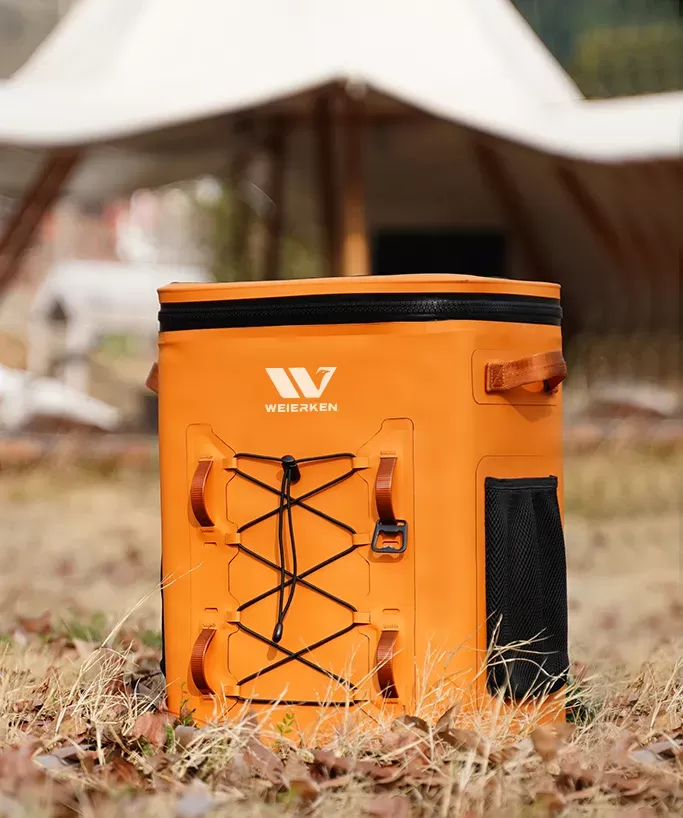


Compact insulated bags are popular items for daily office lunches, infant milk storage, and personal outdoor activities. However, manufacturing small thermal bags presents unique design and production challenges that large catering bags do not face.
When B2B buyers search for a qualified compact cooler bag factory, they must look beyond basic manufacturing prices. A small bag leaves very little room for material errors or loose stitching.
As a specialized compact cooler bag factory, Weierken understands that small products require extreme precision. In this article, we share five sourcing standards to help you choose a manufacturer capable of producing high-end, compact thermal gear.
Standard 1: Balancing Internal Capacity with Insulation Thickness
Unlike massive commercial delivery boxes, a personal lunch tote cannot utilize thick, bulky foam layers. Thick insulation ruins the usable storage space inside a compact bag, making it impractical for daily use.
An experienced compact cooler bag factory must demonstrate excellent space-planning capabilities to maximize the thermal volume efficiency of the bag.
Key Design Requirements:
High-Density Thin-Wall Foam: The factory should use thin, high-rebound EPE or PU foam (typically 3mm to 5mm). This material offers superior thermal resistance without consuming too much internal volume.
Reflective Inner Foils: Using high-grade reflective linings helps trap cold air by bouncing radiant heat away, reducing the need for thick foam padding.
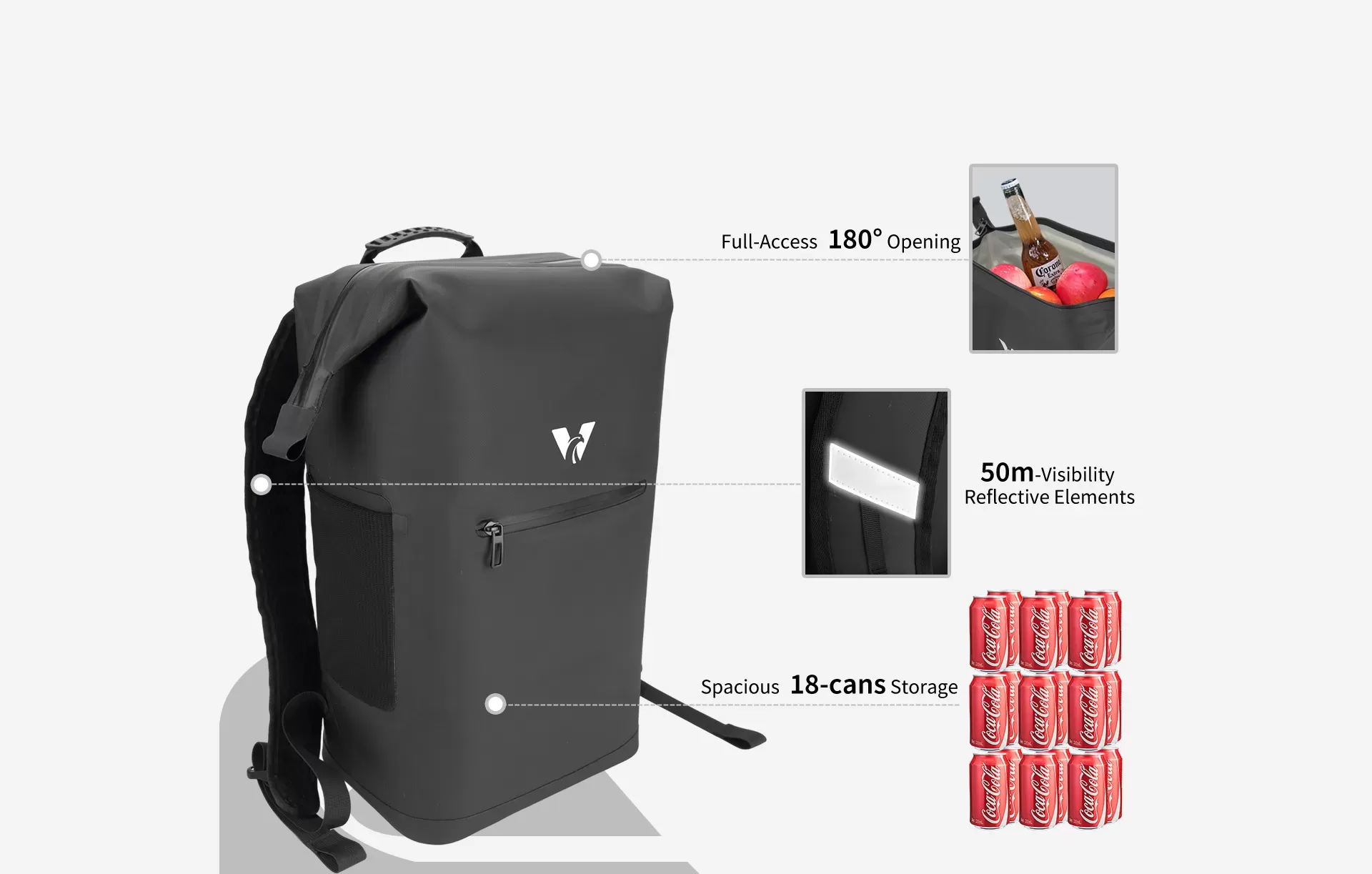
Smart Partitioning: Look for factories that can design compact, removable dividers. These allow users to separate ice packs from delicate food containers.
Standard 2: High-Frequency Corner Welding in Tight Spaces
Small cooler bags frequently hold melting ice packs or wet beverage cans. If the inner lining leaks, the bag becomes useless. However, welding the inner lining of a compact bag is much more difficult than welding a larger one.
A leading compact cooler bag factory must possess the tooling and expertise required to weld tight corners without creating weak spots.
Key Technical Indicators:
Custom Small-Scale Welding Dies: Standard welding horns are too large to fit into the tight corners of a compact bag. The factory must design specialized copper dies for small radii.
Wrinkle-Free Seam Fusing: Folds and wrinkles along the welded seam are the primary cause of pinhole leaks. The welded corners must remain flat, smooth, and uniform.
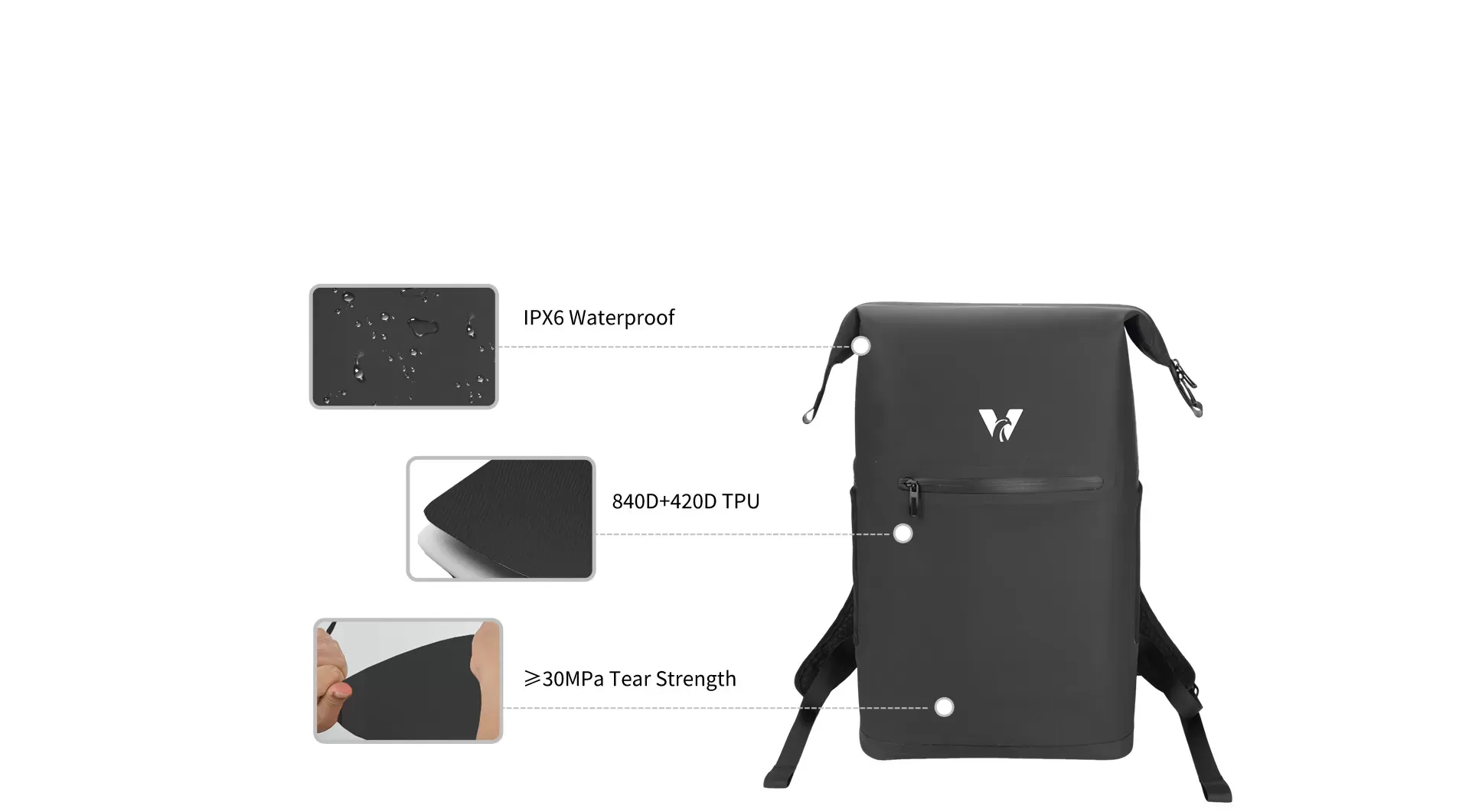
TPU and PEVA Expertise: The production staff must understand how to adjust welding temperatures for thin PEVA or flexible TPU linings to prevent burning the material.
Standard 3: Collapsible Structural Designs for Flat-Pack Logistics
For global B2B buyers, shipping and storage costs can quickly erase profit margins. If a compact cooler bag cannot fold flat, you will pay to ship empty air across the ocean.
When auditing a compact cooler bag factory, examine their ability to engineer clever, collapsible patterns that minimize packaging volume.
Logistical and Design Checks:
Crease-Resistant Fold Lines: The bag should fold flat along designated creases without damaging the internal insulation foam or leaving permanent wrinkles on the outer fabric.
Removable Base Plates: Instead of sewing rigid support boards into the bottom of the bag, the factory should use removable base panels. This keeps the bag flat during transit.
Volumetric Weight Reduction: A well-designed compact bag should fold down to a thickness of under 2.5 centimeters, allowing you to maximize container space.
Standard 4: Retail-Grade Stitching and Hardware Durability
Consumers hold personal lunch bags to a higher aesthetic standard than industrial delivery gear. They inspect stitching lines, look for loose threads, and expect zippers to glide smoothly with one hand.
At our assembly lines, Weierken maintains strict quality standards to ensure that every stitch and seam meets retail consumer expectations.
Quality Standards to Audit:
Consistent Stitch Density: Standard retail sewing requires a consistent density of 7 to 8 stitches per inch. The stitching lines must remain perfectly straight.
Bartack Reinforcement: Because compact bags are often picked up quickly by their handles, strap attachments require heavy-duty Bartack stitching or X-stitching to prevent tearing.
Smooth, Durable Zippers: The factory should use light but highly durable nylon coil zippers (such as #5 zippers) that operate smoothly around curved corners.
Standard 5: Strict Material Safety & BPA-Free Certification
Because these compact bags often store baby bottles, personal lunches, or climate-sensitive medications, material safety is a non-negotiable requirement. Toxic chemicals or off-gassing plastics will lead to immediate customs rejections and product recalls.
A trustworthy compact cooler bag factory must operate a clean, transparent supply chain with verifiable chemical test reports.
Essential Safety Certifications:
BPA-Free Lining Materials: The factory must verify that all PEVA or TPU films used for the interior chamber are 100% free of Bisphenol A.
Phthalate-Free & Lead-Free: Outer coatings, plastics, and metal zipper pulls must pass strict testing for phthalates and heavy metals under California Proposition 65 or REACH standards.
Odorous Compound Controls: High-quality factories ventilate raw materials properly before cutting to ensure the finished bags do not emit strong chemical smells when opened.
Choose a Manufacturer with High Technical Standards
Sourcing small-scale cooler bags requires a high level of attention to detail. By auditing a factory's space-saving designs, precision corner welding, collapsible structures, retail sewing quality, and material safety, you can avoid common quality pitfalls.
As a certified compact cooler bag factory, Weierken combines advanced production equipment with a strict quality control system. We specialize in producing safe, reliable, and space-efficient thermal bags for brands worldwide.
Do you want to develop a new line of compact cooler bags? Contact our sales team today to share your specifications, request physical material swatches, or obtain a competitive production quote.
Frequently Asked Questions
1. What is the typical MOQ for a custom compact cooler bag?
Our compact cooler bag factory sets a standard minimum order quantity of 500 units for fully customized designs. This MOQ helps cover the costs of setting up custom high-frequency welding molds and sourcing specific fabric colors.
2. How does a compact cooler bag factory ensure the lining is completely leakproof?
We use high-frequency welding machines to fuse the edges of the inner lining material. After welding, we run sample batch inflation tests to ensure the airtight seams do not allow any liquid or air to escape.
3. What are the best fabric choices for the outer shell of a compact cooler bag?
For retail-grade compact bags, we recommend using 600D polyester or lightweight water-resistant nylon. These fabrics offer a premium feel and excellent durability without adding unnecessary weight to a personal bag.
4. Can you provide custom branding and color matching?
Yes. Our compact cooler bag factory can match your exact Pantone brand colors for the outer fabrics. We also offer multiple logo printing options, including silk-screen printing, thermal transfer, and woven label stitching.
5. How long does a compact cooler bag typically keep items cold?
With a high-density 5mm EPE foam layer and a quality ice pack, a compact cooler bag can keep food and beverages cold (under 10°C) for up to 4 to 6 hours. This duration varies depending on external temperatures and usage habits.