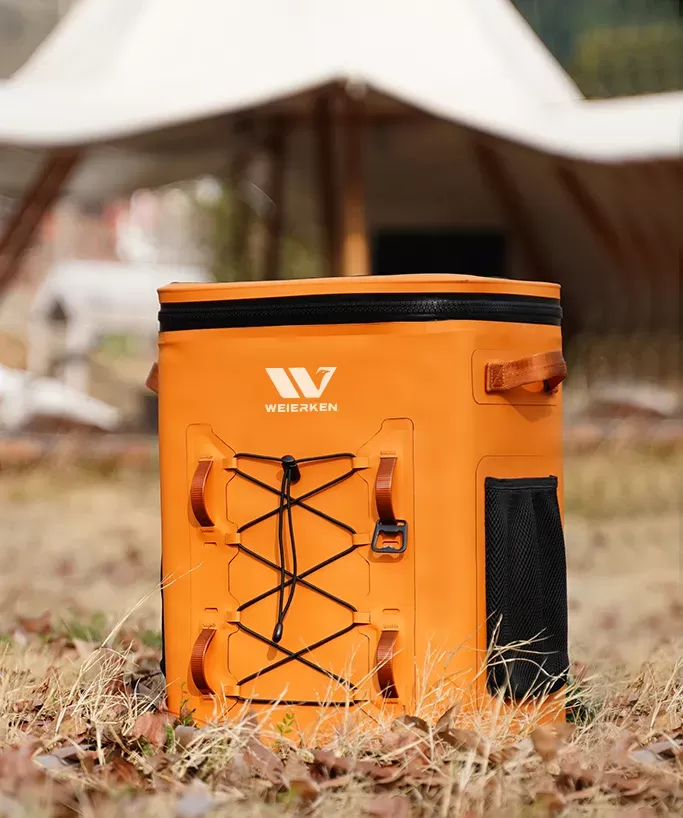


Finding a reliable cool bag factory is the first step toward securing your supply chain. However, you cannot judge a supplier by their low prices alone. You must audit their actual production capabilities, testing protocols, and compliance history.
As an established cool bag factory, Weierken understands what professional B2B buyers look for during a factory inspection. In this article, we outline five key audit standards to help you select a manufacturing partner that meets international standards.
Standard 1: Insulation Performance Testing & Quality Control
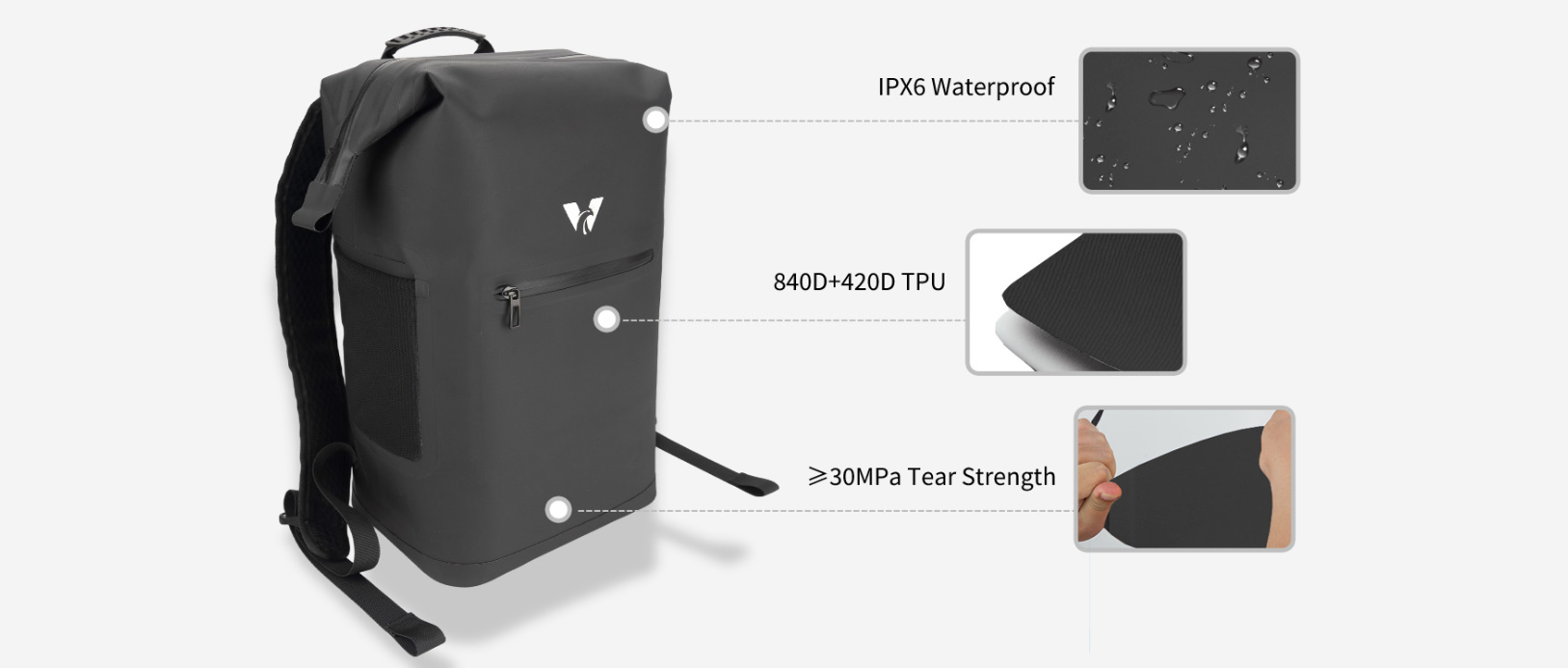
A professional manufacturer does not guess thermal retention metrics. They do not simply repeat the generic figures provided by their raw material suppliers. Instead, they use specialized testing equipment within their own facility.
When you audit a cool bag factory, pay close attention to their laboratory setup and quality control procedures.
What to Look For:
Constant Temperature and Humidity Chambers: These environmental chambers simulate extreme summer heat or winter cold. Technicians place the bags inside to measure real-time thermal insulation efficiency.
Digital Data Loggers: Look for multi-channel temperature sensors. These sensors track the temperature drop inside the bag over 8, 12, or 24 hours, depending on your target specifications.
Documented Test Reports: The factory must provide actual thermal decay charts for specific temperature ranges, such as 2–8°C for pharmaceuticals or below 0°C for frozen food.
Standard 2: Material Safety and Food-Grade Compliance
Since insulated cooler bags frequently carry fresh produce, dairy, and warm meals, the interior lining must be completely safe for food contact. Toxic chemicals or heavy metals have no place in food-contact packaging.
During your audit, check how the cool bag factory sources, stores, and tests their raw materials.
What to Look For:
Food-Safe Material Certifications: Request third-party test reports for interior linings like PEVA, TPU, and woven aluminum foil. The materials should comply with major international standards.
Global Chemical Compliance: Ensure the fabrics and plastics are free from harmful substances under regulations like REACH, LFGB, or FDA guidelines.
Batch Traceability: Check the raw material warehouse. A reliable factory labels every roll of material with batch numbers, which link directly to the manufacturer's quality certificates.
Standard 3: High-Frequency Seamless Welding Capabilities
If your cooler bags must hold melting ice, traditional sewing methods will fail. Sewing needles leave thousands of microscopic holes along the seams, allowing water to leak into the insulation layer and drip outside.
To produce truly leakproof bags, a modern cool bag factory must utilize specialized sealing equipment.
What to Look For:
High-Frequency (HF) Welding Machines: These machines use electromagnetic energy to fuse PEVA or TPU lining sheets together. The resulting seam is completely seamless and waterproof.
Clean Welding Seams: Inspect the welded edges of finished bags. They should be flat, uniform, and free of burnt or rough spots, which can weaken the structure over time.
Waterproof Leak Testing: Check if the factory has a dedicated leak testing station. Technicians should inflate the inner liners or fill them with water to verify that they are 100% leakproof before assembly.
Standard 4: Supply Chain Management for Accessories
Most cooler bag failures do not start with the fabric. Instead, they occur at the failure points of everyday accessories like zippers, strap buckles, and webbing handles. The best materials mean nothing if the zipper jams after a few weeks.
An audit of a professional cool bag factory must include an evaluation of their component sourcing and accessory testing protocols.
What to Look For:
Premium Zipper Brands: Ask if the factory works with trusted zipper brands like YKK or SBS. For heavy-duty waterproof designs, check if they have experience working with airtight zippers.
Tensile Pull-Test Equipment: A quality factory uses mechanical pull-testers to check the strength of sewn shoulder straps and carry handles. The connections should withstand specific weight loads without tearing.
Salt-Spray Corrosion Tests: For marine or outdoor coolers, metal hardware must resist corrosion. The factory should test buckles and zipper pulls in salt-spray machines to verify long-term durability.
Standard 5: Social Responsibility and Quality Management Certifications
Global brands and large retailers face strict regulatory requirements. Buying from an uncertified supplier can lead to compliance issues, customs delays, and reputational damage. Your manufacturing partner must meet international standards for business ethics and quality management.
At Weierken, we believe that high-quality manufacturing goes hand-in-hand with ethical labor standards and transparent operations.
What to Look For:
ISO 9001 Certification: This certification confirms that the factory has a reliable quality management system in place, covering everything from design to final shipping.
BSCI and Sedex Audits: These social compliance audits prove that the factory treats its workers fairly, maintains safe working conditions, and follows ethical business practices.
Audit Coherence: Check the validity of the certificates. Make sure the factory name and address on the audit reports match the actual facility you are inspecting.
Secure Your Supply Chain with Weierken
Auditing a manufacturer is about protecting your business from unnecessary risks. By evaluating insulation testing, material safety, welding equipment, accessory quality, and ethical certifications, you can confidently choose a reliable partner.
As a highly certified cool bag factory, Weierken is committed to clear quality standards and transparent manufacturing. We help global brands build durable, food-safe, and high-performing thermal solutions that align with their business goals.
If you need a reliable partner to manufacture your next line of insulated cooler bags, our team is ready to help. Contact us today to discuss your design specifications, ask about our test methods, or request a detailed price quotation.
Frequently Asked Questions
1. Can a cool bag factory guarantee that a bag is 100% leakproof?
Yes, but only if they use high-frequency seamless welding on TPU or PEVA linings. Traditional stitched linings cannot be completely leakproof because the sewing needle leaves small holes that allow melted ice to seep through over time.
2. What is the typical turnaround time for custom samples from Weierken?
For standard designs using existing fabric molds, we can produce physical prototypes within 5 to 7 business days. Fully custom designs with unique shapes or specialized insulation requirements typically take 10 to 14 days to complete.
3. How do you verify that your materials are free of harmful chemicals?
Our cool bag factory works with accredited testing agencies like SGS and TÜV. We request regular testing for heavy metals, phthalates, and bisphenol A (BPA) to ensure our materials comply with REACH, LFGB, and FDA requirements.
4. Why is high-density EPE foam better than low-density options?
High-density EPE foam contains more closed-air cells per cubic meter. This structure provides stronger resistance to heat transfer and prevents the insulation layer from collapsing or sagging after months of heavy load-bearing use.
5. Does your cool bag factory support small-batch trial orders?
Yes. We support growing brands by offering a minimum order quantity (MOQ) of 500 units for custom designs. This low threshold allows our partners to test their local markets before committing to high-volume production runs.