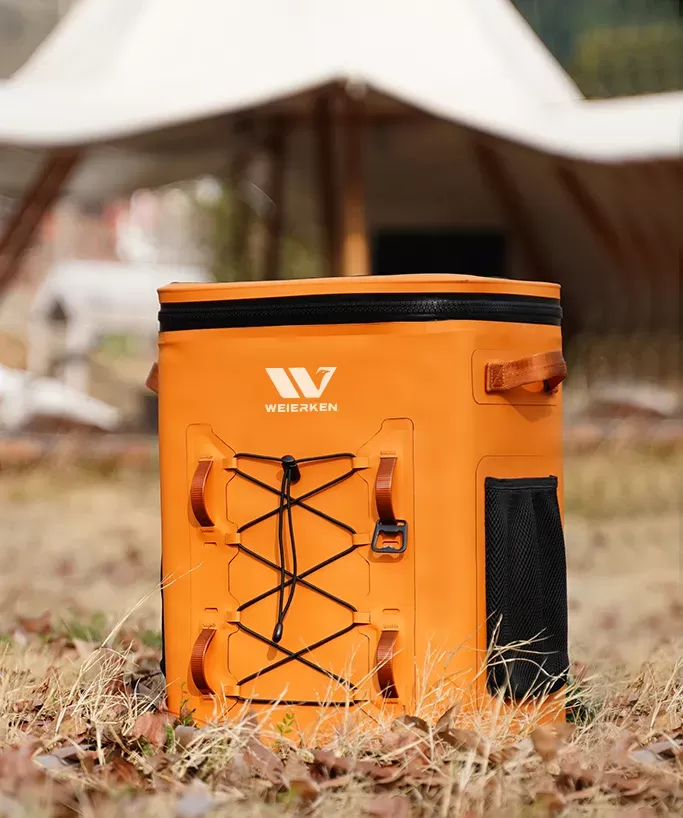

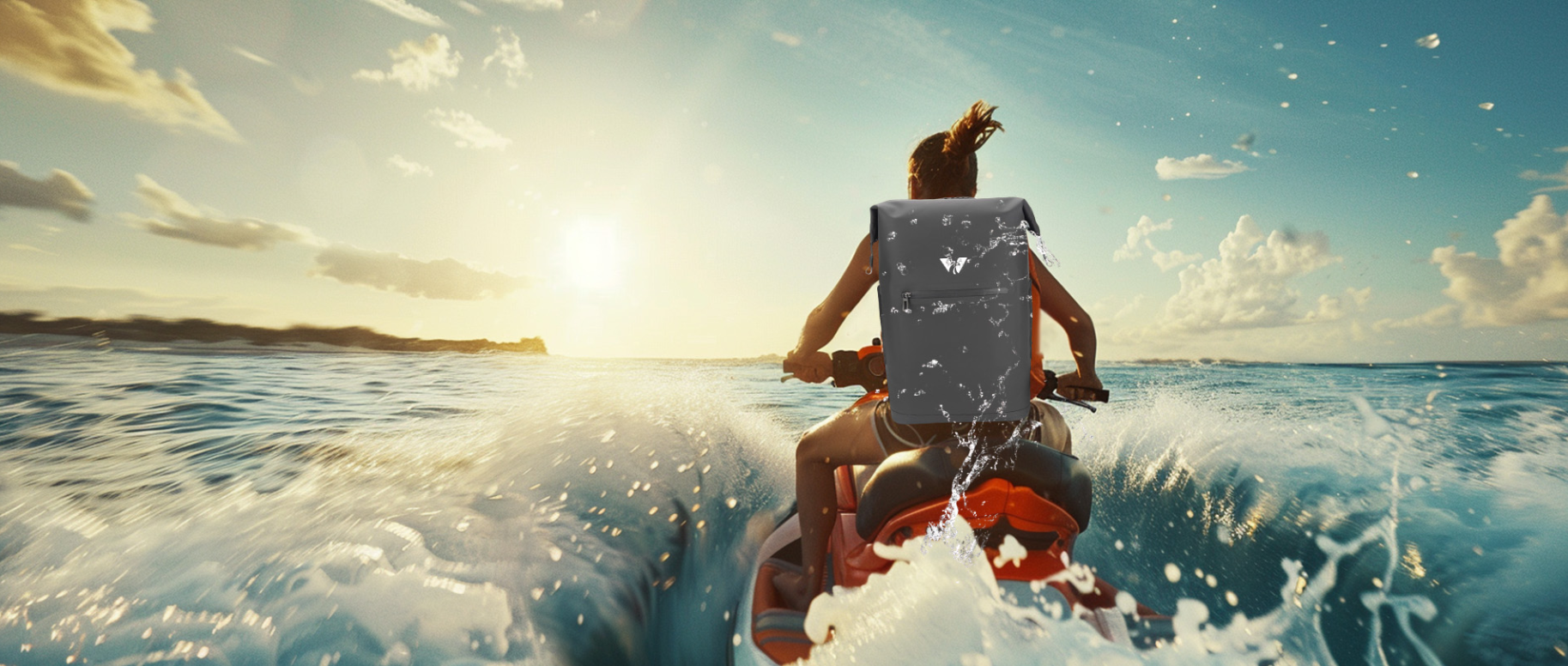
Consumer interest in outdoor recreation, weekend camping, and mobile dining continues to grow. Because of this, soft-sided insulated gear has become a staple product for outdoor brands, promotional gift suppliers, and retail category managers. Among these products, the insulated backpack remains a highly sought-after item.
However, importing these technical bags carries certain product risks. If a bag leaks melted ice onto a user's back or fails to keep drinks cold, it can quickly lead to negative online reviews and high return rates. Procurement managers must look past low price tags to find a manufacturer that understands technical assembly.
Partnering with a qualified cooler backpack maker is crucial to protecting your brand's reputation. Industry suppliers, such as weierken, focus on functional performance and production consistency. Below are five manufacturing standards you should use to evaluate your next supply partner.
1. Mastery of High-Frequency Welding and Seamless Leakproof Technology
Traditional cut-and-sew methods are fine for regular backpacks, but they do not work well for insulated coolers. Sewing needles puncture the inner lining thousands of times. When ice melts inside a stitched bag, water quickly leaks through these needle holes and saturates the insulation foam.
A reliable leakproof cooler bag factory solves this issue by using high-frequency (HF) welding or hot-air heat sealing. This process uses electromagnetic energy or precise heat to fuse thermoplastic polyurethane (TPU) or heavy-gauge PEVA panels together. The result is a single, continuous barrier.
When vetting a supplier's technical capabilities, look for these specific production features:
Seamless Liners: Ensure the factory uses high-frequency welding machines rather than standard sewing machines for the interior chamber.
TPU or Thick PEVA Materials: Ask if they offer TPU liners, which provide better abrasion resistance and seam strength than thin PVC materials.
Inflation Testing: Find out if they perform air-retention tests on welded liners before final assembly to verify that every seam is fully sealed.
By using fused seams, you ensure that the backpack can hold wet ice for hours without leaking water onto the user or the floor.
2. Adherence to Food-Grade Material Safety and Compliance Certifications
Because these backpacks carry food, fresh meat, and open beverages, material safety is a critical requirement. If your supplier uses non-compliant plastics or cheap adhesives, you risk having your shipments seized by customs officials. You also risk facing consumer complaints about unusual chemical odors.
A compliant cooler backpack maker must provide verified, third-party chemical testing reports for every material layer. This includes the outer shell fabric, the foam insulation, and the interior liner.
Verify that your manufacturing partner can provide these essential test reports:
BPA-Free Certification: The interior liner must be certified free of Bisphenol-A to ensure it is safe for direct food contact.
FDA & LFGB Compliance: Materials must meet US FDA or European LFGB standards for food-contact safety.
REACH & RoHS Tests: Ensure all plasticizers, dyes, and coatings are free of heavy metals and restricted hazardous chemicals.
Securing these test reports before production begins protects your brand from recall risks and keeps your supply chain compliant with regional environmental laws.
3. Possession of Scientific Thermal Insulation Testing Capabilities
Outdoor brands often market their products with specific performance claims, such as "keeps ice cold for 24 hours." To back up these claims, you need actual performance data rather than rough estimates. An experienced manufacturer should have the testing equipment to verify these hold times.
A professional cooler backpack maker uses controlled testing chambers to measure thermal performance. They should be able to provide clear melting curves and temperature logs for their different bag designs.
Ask potential suppliers about their thermal testing procedures:
Constant Temperature Chambers: Do they test their backpacks in climate chambers at controlled ambient temperatures (such as 32°C / 90°F)?
Standardized Ice Ratios: Do they use a consistent ratio of ice-to-volume (such as a 1:1 or 2:1 ratio) during their performance trials?
Detailed Temperature Logs: Can they share testing data showing how interior temperatures change over a 12, 24, or 48-hour period?
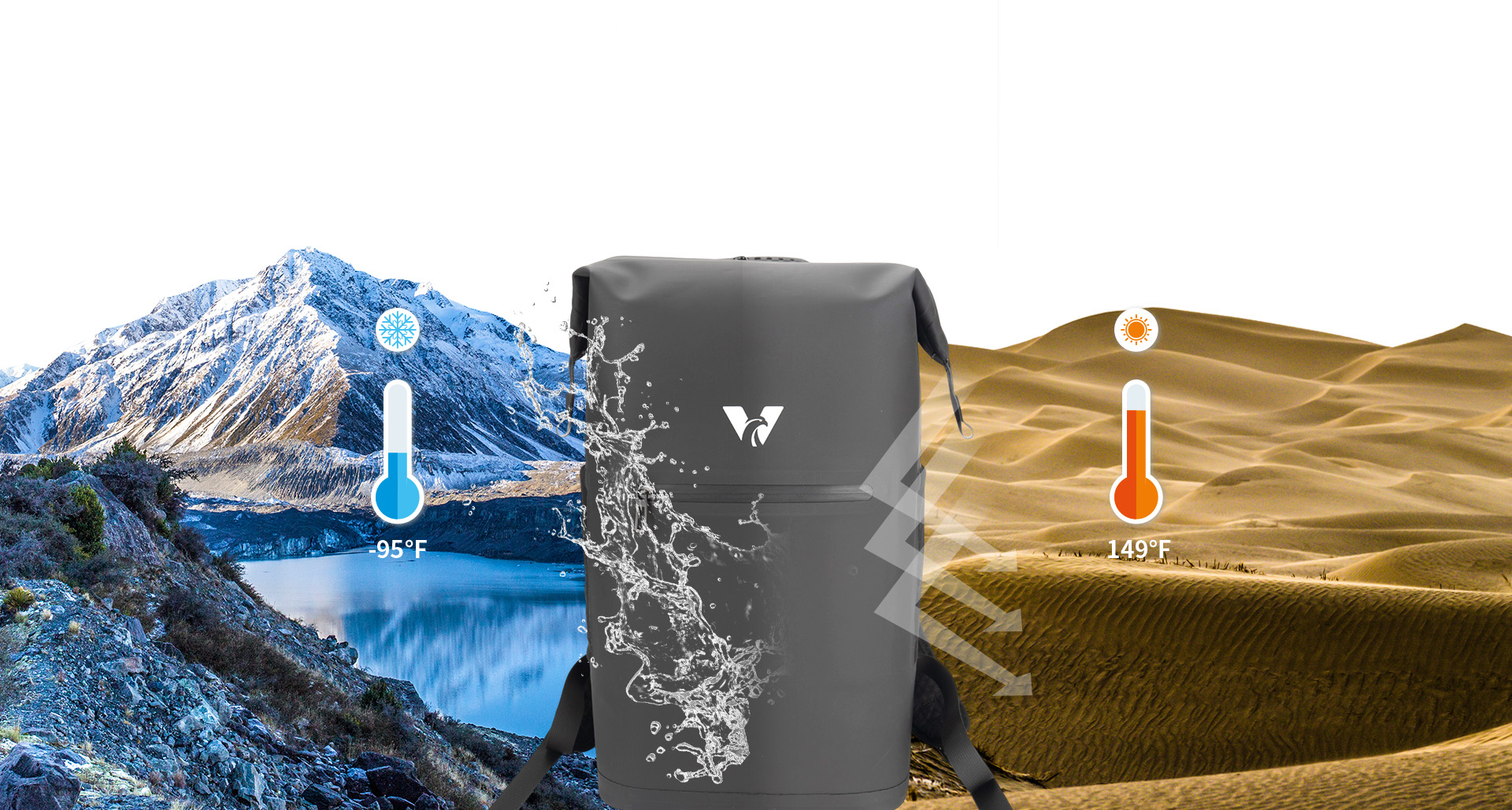
Reviewing these test results helps you select the right thickness of EPE, NBR, or closed-cell rubber foam to meet your customers' cooling expectations.
4. Ergonomic Suspension Systems and Heavy-Duty Durability Standards
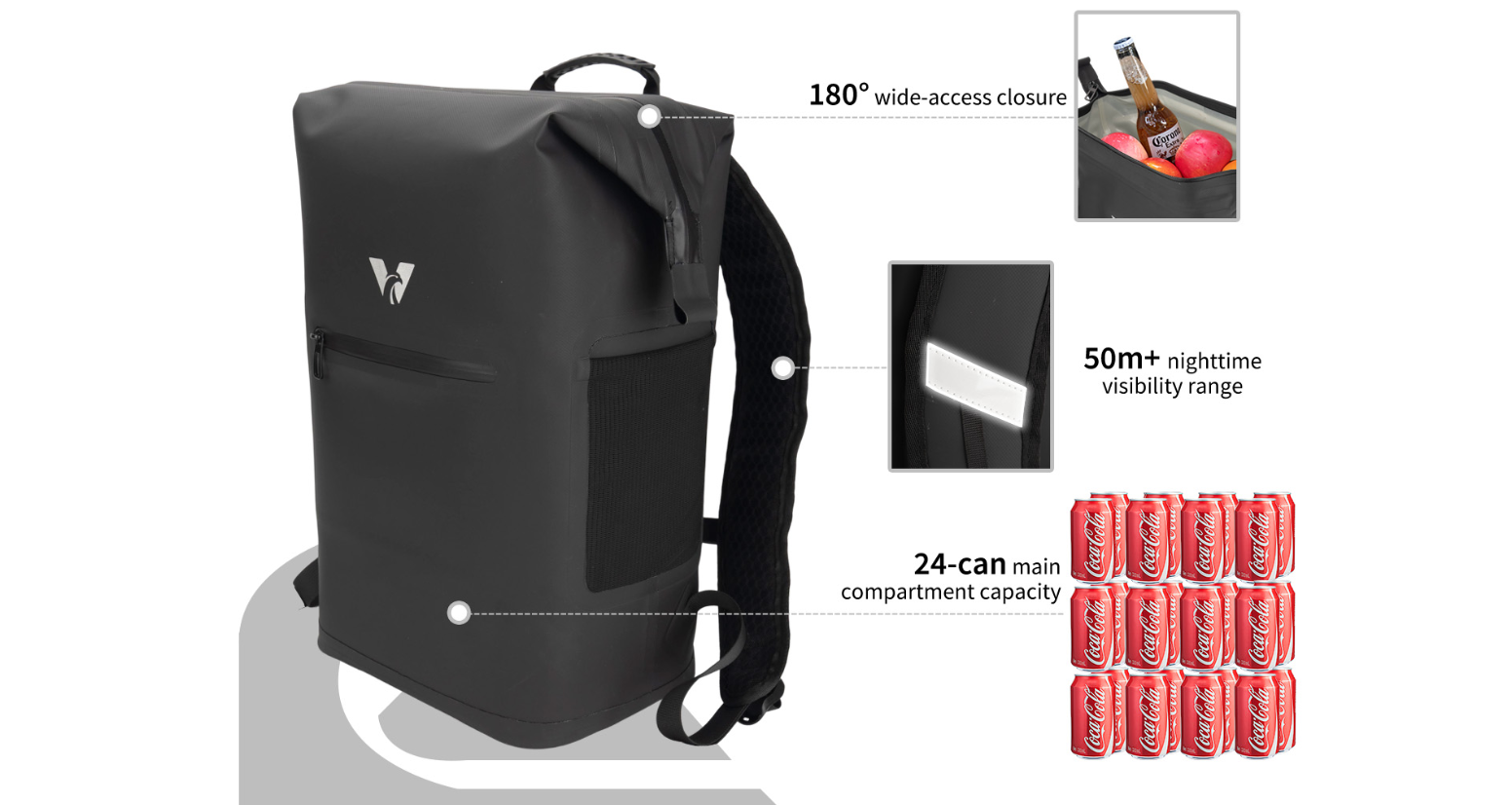
A medium-sized backpack cooler loaded with twenty-four aluminum cans, ice packs, and personal gear can easily weigh over 12 kilograms. Carrying this much weight puts a lot of stress on the backpack's shoulder straps, carry handles, and zippers.
To prevent tears, a practical custom insulated backpack manufacturer must reinforce all key stress points. They should also design comfortable back panels that distribute weight evenly across the user's shoulders and hips.
Look for these structural details during your sample evaluation:
Reinforced Stitching: Look for box-stitching, bar-tacking, or rivets where the shoulder straps and carry handles attach to the main body.
Water-Resistant Zippers: Ask for rubber-coated zippers or airtight TPU zippers to prevent water from splashing out when the backpack is moving.
Tensile Strength Testing: Verify if the factory uses mechanical pull testers to check the strength of their straps and handles.
Using reinforced handles and padded, breathable mesh straps helps the backpack withstand heavy loads while remaining comfortable for users to carry on long hikes.
5. Consistent OEM/ODM Customization and Mass Production Capacity
B2B buyers have diverse product requirements. A private-label Amazon seller might need custom zipper pulls and specific colorways, while a corporate promotional buyer might prioritize a large screen-printed logo. Your manufacturer needs the technical skill to support these customizations at scale.
Partnering with an established cooler backpack maker like weierken gives you access to a complete design and production pipeline. A qualified partner will help you refine your designs for easier mass production.
An efficient factory-to-brand workflow relies on several core capabilities:
Design & Prototyping: The R&D team should be able to turn your 2D sketches into detailed 3D patterns and physical pre-production samples.
Scalable Production Lines: The factory must have enough specialized high-frequency welding machines to handle large orders during peak outdoor seasons.
Reliable Raw Material Planning: They should maintain steady stocks of standard fabrics and zippers to keep lead times predictable.
Working with a supplier that offers both design support and reliable manufacturing capacity keeps your inventory levels steady and ensures your products launch on schedule.
Choose a Partner Focused on Real Product Value
Selecting a cooler backpack maker involves looking closely at their technical processes. By evaluating their welding technology, material compliance, insulation testing, and structural reinforcement, you can find a partner that delivers reliable, long-lasting products.
At weierken, we work closely with outdoor brands and retail buyers to build high-performance, leakproof cooler backpacks. Our production lines combine precise welding techniques with strict quality control to help you grow your product line and protect your brand reputation.
Looking for a Reliable Cooler Backpack Maker?
Contact our B2B team today to discuss your technical specifications, request a pre-production sample, or get a detailed wholesale quotation.
Frequently Asked Questions
1. How does a cooler backpack maker test for leaks?
A reliable manufacturer tests for leaks by filling the welded interior lining with water and leaving it on a dry testing surface for 12 to 24 hours. Some factories also use pressurized air-retention tests, inflating the liner to check for any drops in pressure that would indicate a small seam leak.
2. What are the main differences between TPU and PEVA liners?
TPU (Thermoplastic Polyurethane) is highly durable, puncture-resistant, and remains flexible in freezing temperatures, making it ideal for premium outdoor gear. PEVA is a more affordable, lightweight alternative that is food-safe and easy to clean, making it a popular choice for budget-friendly wholesale cooler backpack orders.
3. Can a cooler backpack maker customize features like built-in bottle openers?
Yes. A flexible OEM cooler bag supplier can add functional accessories to your designs. Common additions include integrated bottle openers, daisy-chain webbing, mesh side pockets, waterproof phone compartments, and customized molded zipper pulls.
4. What is the typical production lead time for a custom insulated backpack order?
The standard lead time for mass production ranges from 35 to 50 days after sample approval and deposit payment. This timeline can vary depending on the complexity of your custom design, the availability of specialized raw materials, and the factory's seasonal production schedule.
5. Why does high-frequency welding cost more than traditional sewing?
High-frequency welding requires specialized machinery, custom metal welding tooling for each bag shape, and skilled technicians to operate the equipment. While the initial setup cost is higher than standard sewing, it is the only reliable way to produce a completely leakproof, durable interior liner.