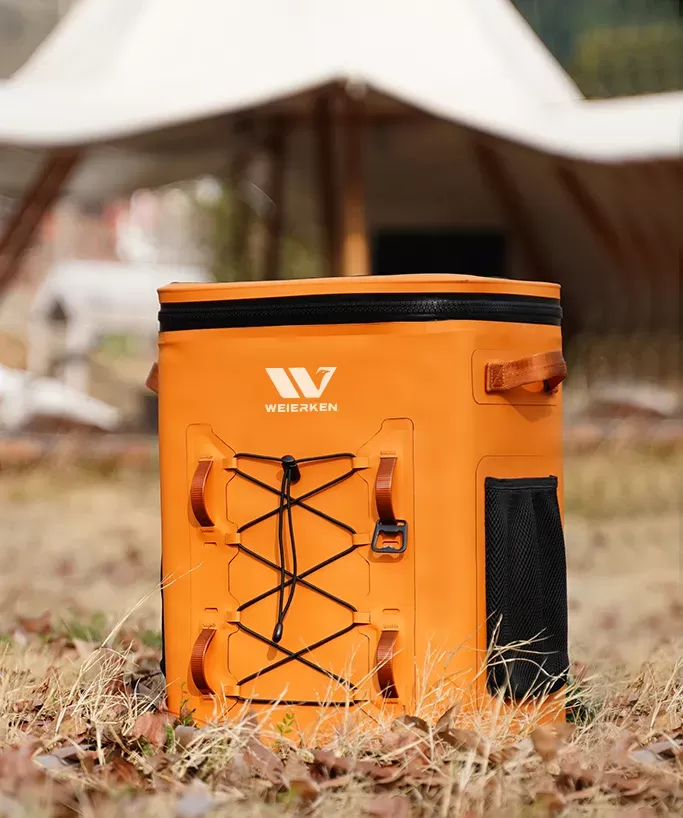

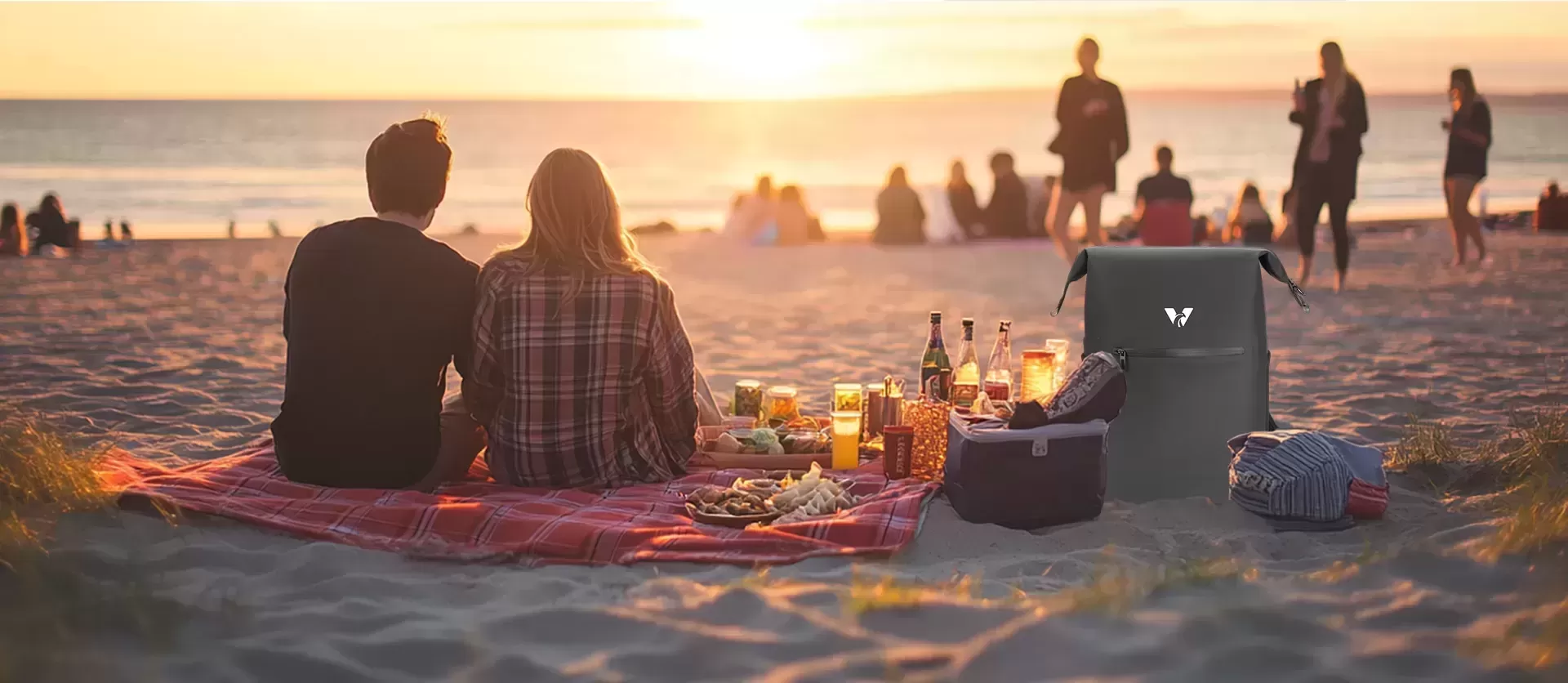
The global demand for portable cooling solutions is rising. Consumers want reliable, lightweight options for daily commutes, weekend picnics, and outdoor activities. For brands and importers, sourcing these products requires a balanced approach to cost, functionality, and compliance.
Finding a reliable compact cooler bag maker like weierken can simplify your procurement process. A professional manufacturer does not just run assembly lines; they provide tailored original equipment manufacturer (OEM) services. These services help brands translate product concepts into shelf-ready goods that meet strict market regulations.
Working directly with a specialized factory allows you to customize every aspect of your product. This article highlights three core OEM services that an experienced compact cooler bag maker offers to help you optimize your supply chain.
Service 1: Material Selection & Insulation Tailoring
A primary service offered by a custom cooler bag manufacturer is material consultation. The choice of outer fabric, insulation thickness, and inner lining directly determines the bag's retail price and cooling performance. Factories help you navigate these choices based on your budget and target market.
Outer Shell Fabrics
The exterior material must withstand daily wear and tear while looking appealing. Manufacturers offer a range of standard and specialized fabrics:
Polyester (600D/900D): Highly durable, water-resistant, and cost-effective. It remains the industry standard for daily lunch coolers.
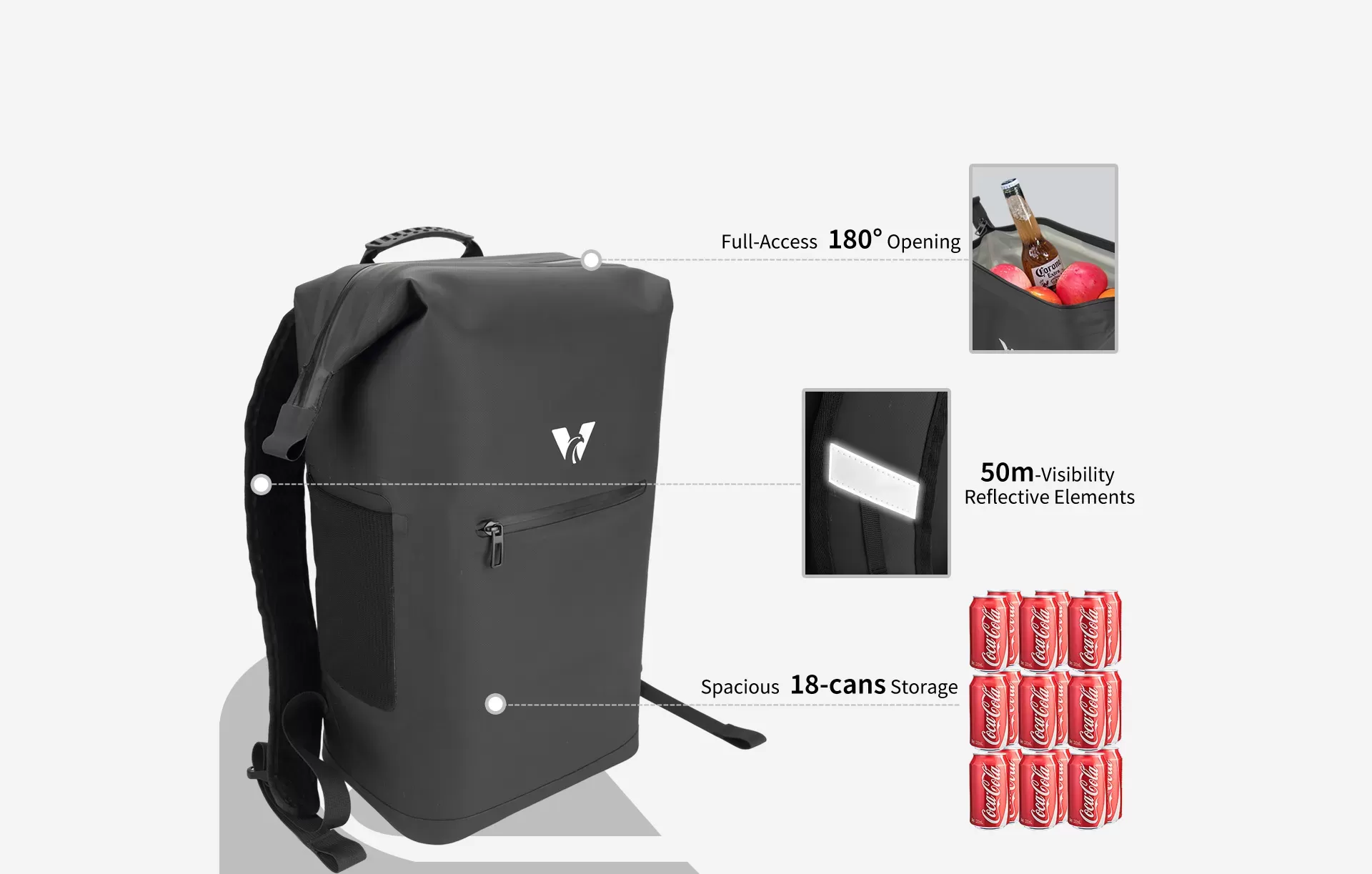
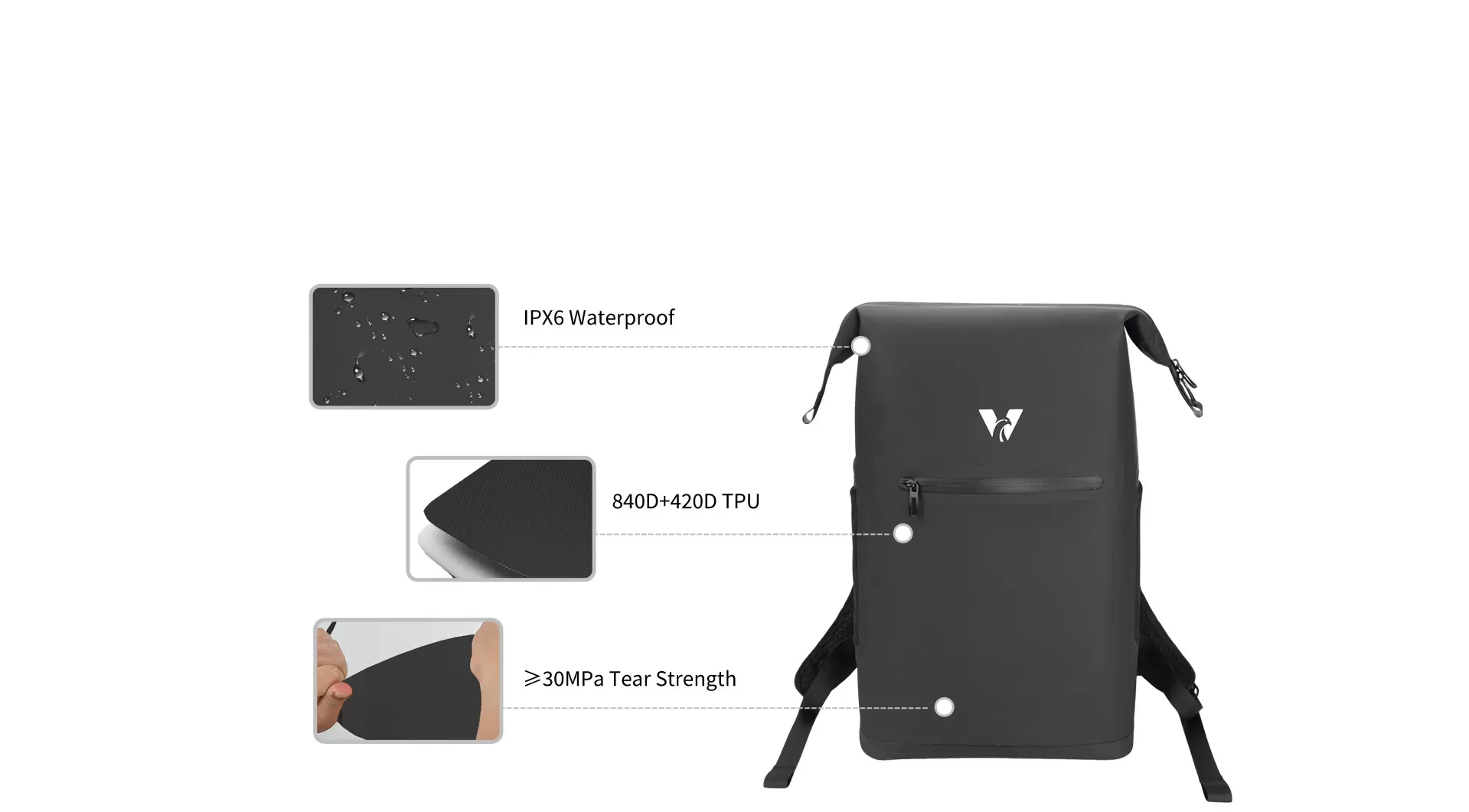
TPU (Thermoplastic Polyurethane): Ideal for premium, heavy-duty soft coolers. It provides excellent puncture resistance and complete waterproofing.
RPET (Recycled Polyethylene Terephthalate): Made from recycled plastic bottles. Selecting eco-friendly cooler materials helps brands target environmentally conscious consumers.
Insulation Layers
The thermal efficiency of a wholesale compact cooler bag depends on the insulation foam used inside. Factories tailor this layer to your performance requirements:
EPE Foam (Expanded Polyethylene): Lightweight and flexible. Standard thicknesses range from 3mm to 8mm, suitable for keeping meals cool for 3 to 6 hours.
NBR or PU Foam: Denser options used in high-performance coolers. These materials can keep ice frozen for over 24 hours, though they increase production costs.
Leakproof Inner Linings
Leaking is a common consumer complaint. To address this, an experienced OEM thermal bag supplier offers two main lining construction methods:
Stitched Linings: Traditional sewing is budget-friendly but not 100% waterproof. Liquid can eventually seep through the needle holes.
Heat-Sealed Linings: Using high-frequency welding technology, the factory seals PEVA or TPU liners without stitching. This creates a completely seamless, leakproof interior.
A professional compact cooler bag maker will analyze your target price point. They can then recommend the right combination of outer fabric, foam thickness, and lining style to deliver a competitive product.
Service 2: Structural & Portability Engineering
The word "compact" implies that space is limited. Consumers want small bags that maximize storage capacity while remaining easy to carry and store. Achieving this balance requires precise structural design and engineering support from your manufacturing partner.
As an experienced compact cooler bag maker, weierken helps brands balance these structural requirements. Designers turn rough sketches into detailed technical drawings, ensuring the bag performs well under daily use.
Collapsible and Space-Saving Designs
Shipping empty cooler bags is costly due to their bulk. To reduce shipping fees and save shelf space, factories develop collapsible structures. A smart collapsible cooler bag design allows the bag to fold flat when empty. This reduces packaging volume, saving money on ocean freight and warehouse storage.
Internal Compartmentalization
Modern consumers appreciate organization. Factories can engineer multi-compartment designs to improve usability:
Dry/Wet Separation: A dual-compartment system keeps dry items like napkins and fruit separate from cold drinks.
Mesh Pockets: Exterior or interior mesh pockets hold ice packs, keys, or utensils securely.
Adjustable Dividers: Removable hook-and-loop dividers allow users to customize the interior layout.
Hardware and Accessory Selection
A cooler bag is only as reliable as its weakest component. During the OEM process, manufacturers help you select appropriate hardware:
Zippers: Options range from standard nylon zippers to heavy-duty, airtight waterproof zippers for premium bags.
Straps and Buckles: Choose from detachable shoulder straps, padded handles, or reinforced plastic buckles designed to bear heavy loads.
By optimizing these structural details, a dedicated leakproof lunch cooler OEM ensures that your compact bag is convenient, durable, and highly functional.
Service 3: Branding, Private Labeling & Compliance Packaging
A successful retail product needs clear branding and compliant packaging. A professional compact cooler bag maker provides full private labeling services to help your brand stand out on retail shelves and e-commerce platforms.
Logo Application Techniques
Depending on your brand identity and budget, manufacturers offer several ways to apply logos:
Silkscreen Printing: Best for simple, solid-color logos. It is cost-effective for large production runs.
Heat Transfer Printing: Ideal for multi-colored, complex designs or photographic patterns.
Rubber/Silicone Patches: Offers a premium, three-dimensional look that handles outdoor wear well.
Woven Labels and Embroidery: Classic options that add a subtle, high-quality feel to lifestyle cooler bags.
Regulatory Compliance and Safety Testing
Because cooler bags carry food and beverages, they must comply with strict safety standards. When pursuing compliant cooler bag sourcing, your manufacturer must assist with international testing requirements:
Food Contact Safety: Inner linings must be BPA-free and comply with FDA (United States) or LFGB (Europe) food contact regulations.
Chemical Restrictions: Materials must comply with REACH or California Proposition 65 guidelines regarding heavy metals and phthalates.
Factory Audits: Established buyers often require factories to hold certifications like BSCI, SMETA, or ISO 9001 to ensure ethical manufacturing.
Retail-Ready Packaging Solutions
To help you save time upon arrival, an OEM partner can pack goods according to your retail requirements. This includes custom hangtags, printed polybags, UPC barcode labeling, and display-ready PDQ boxes. This retail-ready packaging lets you ship products directly to Amazon warehouses or retail storefronts without extra handling.
By handling branding, testing, and packaging under one roof, a professional private label thermal bags manufacturer helps reduce lead times and limits quality control issues.
Key Factors to Consider When Sourcing from a Cooler Bag Maker
Selecting the right factory requires more than comparing unit prices. To build a stable, long-term supply chain, importers should evaluate several operational capabilities:
| Capability | What to Look For | Why It Matters |
|---|---|---|
| MOQ Flexibility | Low MOQ for trial colors or custom fabrics. | Helps test the market without heavy upfront inventory costs. |
| Sample Lead Time | Prototype delivery within 7 to 10 days. | Speeds up product development and seasonal launches. |
| In-House QC | Inline and final inspections based on AQL 2.5 standards. | Reduces defective rates and prevents customer returns. |
An open, communicative relationship with your compact cooler bag maker prevents misunderstandings. This ensures that the final mass-produced goods match your approved gold sample.
Frequently Asked Questions (FAQ)
1. What is the standard MOQ when working with a compact cooler bag maker?
The Minimum Order Quantity (MOQ) typically ranges from 1,000 to 3,000 pieces per style. This limit depends on the minimum fabric run requirements of raw material suppliers. For standard colors, some factories may offer lower MOQs, such as 500 pieces.
2. How do factories test the leakproof capability of thermal bags?
An experienced leakproof lunch cooler OEM performs inflation tests or water submersion tests on heat-sealed liners. This ensures that the high-frequency welded seams are completely sealed before final assembly.
3. Can we source eco-friendly cooler materials for our brand?
Yes. Many modern manufacturers offer certified RPET fabric made from recycled plastic bottles, along with biodegradable PEVA linings. You should request GRS (Global Recycled Standard) certificates from your supplier to verify these material claims.
4. How long does the OEM sample process take?
If the factory uses stock materials, a physical prototype usually takes 5 to 7 business days. For fully customized designs with custom-dyed fabrics or specialized hardware, sample development can take 10 to 15 days.
5. What certificates should a reliable custom cooler bag manufacturer have?
Importers should look for factories with BSCI or SMETA social compliance audits, ISO 9001 quality management systems, and test reports from third-party laboratories like SGS, TÜV, or Intertek for FDA, LFGB, or REACH compliance.
Conclusion & Procurement Next Steps
Sourcing directly from a factory offers significant cost advantages. However, success depends on choosing a partner that can handle technical customization, functional engineering, and international compliance. A dedicated compact cooler bag maker does more than sew panels together; they help safeguard your brand's reputation in a competitive market.
Partnering with weierken as your compact cooler bag maker ensures your business receives reliable technical support, consistent manufacturing quality, and clear, professional communication from design to delivery.
Are you planning your next product launch or looking to upgrade your current product line? Contact our sales engineering team today to share your specifications, request a custom sample, or receive a detailed production quote.