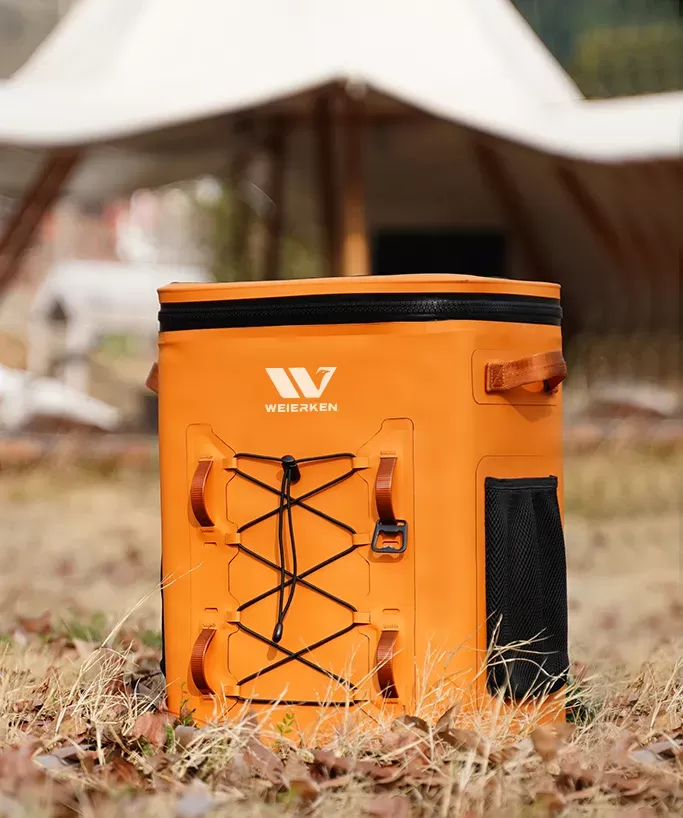

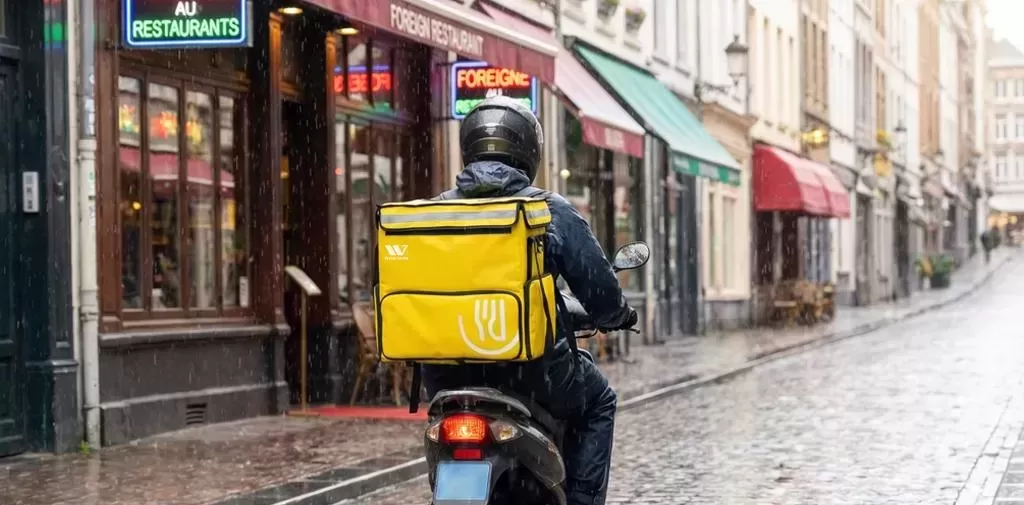
Cake delivery is a high-stakes task. Unlike standard meal deliveries, cakes are incredibly fragile. A small temperature rise can melt delicate buttercream. A sudden stop on the road can cause a multi-tiered cake to collapse. When these issues occur, bakeries face costly refunds and damaged reputations.
To avoid these problems, sourcing reliable transport gear is essential. Partnering with an experienced cake delivery bag maker is the first step toward securing your logistics. Professional manufacturers, such as Weierken, understand how to design bags that handle these delicate transport requirements. Here are six practical supply tips to guide your procurement process.
1. Evaluate Thermal Insulation & Temperature Control
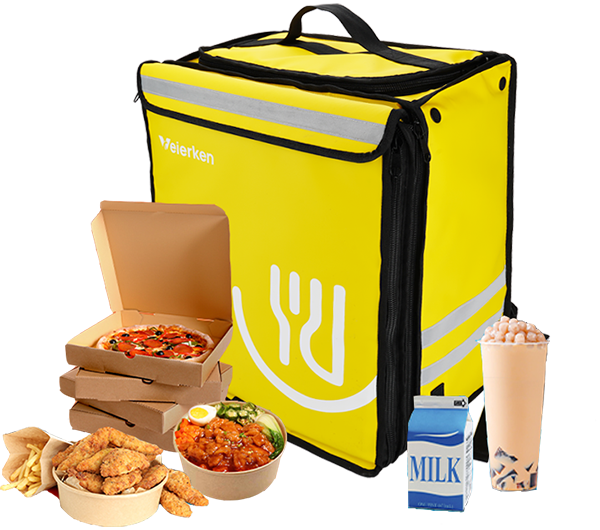
Cakes are highly sensitive to environmental conditions. Fresh cream, custard, and ice cream cakes require strict temperature control during transit. Standard delivery bags often fail to maintain the necessary cold chain, leading to spoiled designs and unhappy customers.
When selecting a thermal cake carrier manufacturer, you must look closely at the materials they use. The insulation performance directly depends on the thickness and quality of the inner layers. You should ask potential suppliers about the specific thermal technologies they offer.
When reviewing material options for food-grade insulated bags, consider the following specifications:
Inner Lining: High-quality aluminum foil or heavy-duty PEVA material that reflects heat and is easy to clean.
Insulation Foam: High-density EPE foam. A thickness of 8mm to 10mm is standard for professional cake transport.
Ice Pack Integration: Built-in ice pack pockets or mesh dividers to keep cooling agents away from direct contact with the cake box.
A reputable manufacturer will help you choose the right material combination based on your typical delivery times and local climate conditions.
2. Inspect Structural Integrity and Anti-Deformation Features
The biggest risk during transit is structural damage. If a delivery bag lacks rigidity, the sides can sag and crush the cake decorations. Cheap bags often rely on thin cardboard supports that fail when exposed to moisture or condensation.
An experienced insulated cake box supplier understands the mechanics of weight distribution. They will use rigid, moisture-resistant support panels inside the bag walls. This ensures the bag retains its shape even when stacked or carried over long distances.
Pay close attention to these structural elements during your evaluation:
Support Boards: Choose double-wall PP hollow board or fiberglass frames rather than standard paperboard.
Load-Bearing Capacity: The base must support the weight of heavy, multi-tiered wedding cakes without bending.
Anti-Slip Design: The bottom of the bag should feature rubber feet or non-slip grip pads to prevent sliding in delivery vehicles.
Testing a sample with your heaviest cake model is the most reliable way to verify the bag's structural strength before placing a bulk order.
3. Verify Food-Grade Compliance and Material Certifications
As a product that comes into close proximity with food, safety compliance is non-negotiable. This is particularly true for businesses exporting to or operating within North America and Europe. You must ensure your manufacturing partner complies with local health and safety regulations.
Ask the OEM cake bag factory for official testing reports and certifications. Using uncertified plastics or cheap adhesives can result in unpleasant chemical odors. These odors can easily penetrate the cake box and ruin the taste of your baked goods.
Ensure your chosen cake delivery bag maker meets these compliance standards:
Certifications: Look for factories that supply FDA approved delivery bags or hold LFGB, REACH, and RoHS compliance certificates.
Exterior Material: High-density, tear-resistant Oxford fabric (such as 600D or 1680D) that withstands daily wear and tear.
Hygiene Properties: Fabrics should be water-resistant and anti-mold, allowing delivery staff to sanitize the interior quickly between trips.
Working with a certified manufacturer like Weierken helps safeguard your brand against regulatory issues and food safety complaints.
4. Assess Depth of OEM/ODM Customization Capabilities
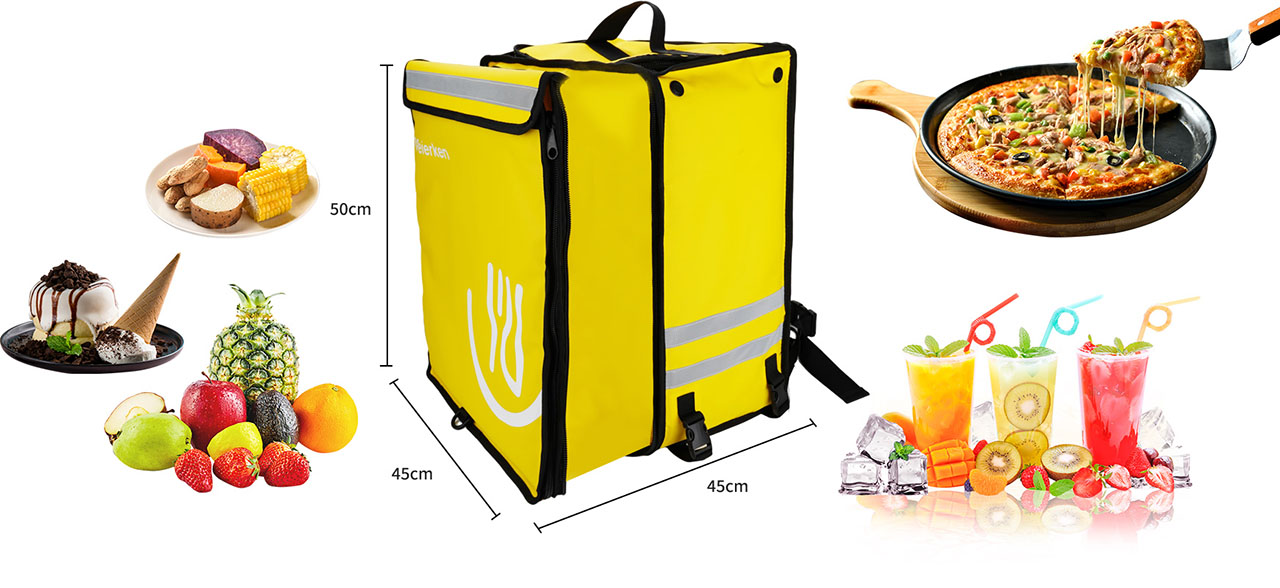
Every bakery has unique branding and packaging sizes. A standard, off-the-shelf bag rarely fits every box size perfectly. A professional manufacturer must offer flexible customization options to match your brand identity and practical needs.
During your initial discussions, evaluate how well the factory can accommodate custom design requests. They should be able to adjust bag dimensions, compartment layouts, and carrying configurations based on your feedback.
A reliable cake delivery bag maker should offer the following customization options:
Sizing Variety: Custom dimensions designed to hold 4-inch, 6-inch, 8-inch, or extra-tall tiered cake boxes.
Logo Printing Methods: High-durability silk-screen printing, heat transfer, or embroidered logos that remain intact after heavy outdoor use.
Safety & Ergonomics: Features like night-reflective strips, adjustable padded shoulder straps, and reinforced dual-hand straps.
Customized bags serve as mobile billboards, helping build local brand awareness every time your delivery team makes a run.
5. Review MOQ, Capacity, and Lead Time Stability
The baking industry is highly seasonal. Holidays such as Christmas, Valentine’s Day, and mid-autumn festivals bring massive spikes in order volumes. Your supply chain must be agile enough to handle these seasonal demands without delay.
Before signing a supply contract, discuss production capacities and timelines openly. It is important to know if the factory can scale up production quickly if your business expands or experiences a sudden surge in orders.
Make sure to clarify these commercial terms during your negotiations:
Minimum Order Quantity (MOQ): Check if they support smaller trial orders for new businesses before committing to a custom cake delivery bag wholesale contract.
Bulk Order Lead Time: Standard mass production times should ideally range between 25 to 35 days, depending on order complexity.
Sampling Lead Time: The factory should be able to produce a custom physical sample within 7 to 10 days for your review.
Clear communication regarding lead times prevents inventory shortages during your busiest sales periods.
6. Examine Factory QC Standards and After-Sales Policies
In bulk manufacturing, small defects can happen. However, issues like broken zippers, loose threads, or weak handles can disrupt your daily operations. You need a partner that maintains strict quality control processes throughout the manufacturing cycle.
Ask the supplier about their quality management system. A professional factory will perform multiple checks, including raw material inspection, in-line sewing checks, and final load-bearing tests before packing the goods.
Your quality agreement should cover the following points:
Hardware Quality: The use of reliable, heavy-duty zipper brands and reinforced metal hardware instead of cheap plastic clips.
Quality Control Protocols: Zipper endurance tests, stitch-count consistency, and metal detection scans for safety.
After-Sales Compensation: A clear policy regarding acceptable defect rates and the process for replacing or refunding damaged items.
A transparent after-sales policy shows that the manufacturer stands behind the quality of their products.
Frequently Asked Questions
Q1: What materials are best for the inner lining of insulated cake bags?
Food-grade aluminum foil combined with thick EPE foam is highly recommended. The aluminum foil reflects thermal radiation, while the foam acts as a barrier against heat conduction. This combination keeps the interior cool and is very easy to wipe clean.
Q2: How do manufacturers prevent the delivery bags from collapsing?
Experienced manufacturers insert rigid panels, such as double-wall PP hollow board or fiberglass rods, into the side walls and base of the bag. This creates a sturdy cake box support structure that maintains its shape even when stacked.
Q3: Can we order custom sizes for tall or multi-tiered wedding cakes?
Yes. A professional OEM cake bag factory can customize the height, width, and depth of the bags to fit your specific cake box sizes, including extra-tall configurations for wedding cakes.
Q4: What is the average bulk order lead time for custom cake delivery bags?
Typically, the bulk order lead time ranges from 25 to 35 days after sample approval and deposit payment. Custom sampling usually takes about 7 to 10 days.
Q5: How can we verify if the delivery bags are safe for food contact?
You should request test reports from recognized testing bodies (such as SGS or TÜV). Ensure the materials used are certified as FDA approved delivery bags or comply with LFGB standards for food-contact safety.
Q6: What are the cleaning and maintenance recommendations for these bags?
The exterior Oxford fabric is usually water-resistant and can be wiped down with a damp cloth and mild sanitizer. The interior foil lining should be cleaned after every shift to prevent bacterial growth and odors.
Partner with a Reliable Supplier
Choosing the right manufacturing partner is a critical business decision. At Weierken, we focus on producing durable, high-performance insulated bags tailored to your business needs. We work closely with our partners to ensure consistent quality, timely deliveries, and reliable customer service.
If you are looking to secure your delivery logistics with custom-made transport solutions, we are here to help. Contact our team today to discuss your specifications, request a product sample, or receive a competitive quote for your next bulk order.