

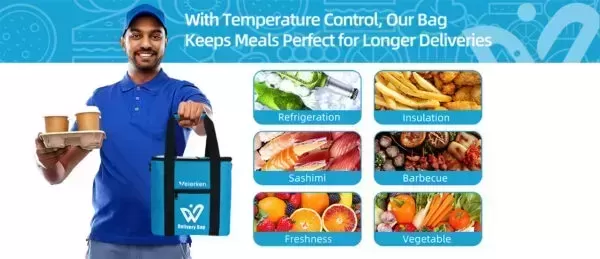
In the current global seafood supply chain, temperature control and environmental protection are no longer opposing forces. Tightening plastic bans and corporate net-zero targets have changed procurement rules. B2B buyers no longer look only at insulation performance and unit cost.
Today, sustainability and regulatory compliance lead the selection process. Experienced suppliers, including brand manufacturers like weierken, are adapting to these shifting market demands.
For cold chain professionals, understanding how the industry is evolving is crucial. Here are five key sustainable trends currently reshaping the manufacturing processes of your seafood thermal bag maker.
1. Introduction of Biodegradable & Bio-Based Insulation
Traditional thermal bags for seafood transport rely heavily on Expanded Polystyrene (EPS) or Polyurethane (PU) foam. While effective, these materials persist in the environment for centuries and face heavy environmental taxes in major import markets.
To address this, forward-thinking manufacturers are redesigning their insulation cores. They are replacing synthetic foams with natural, renewable alternatives that offer comparable thermal resistance.
Key Technical Shifts:
Starch-Based Foams: Dissolvable in water and compostable, leaving no toxic residues.
Recycled Cotton & Denim Fibers: Upcycled textiles converted into high-density thermal batting.
Paper-Based Cell Insulation: Multi-layer structures that trap air using fully recyclable wood pulp.
For B2B buyers, sourcing from a seafood thermal bag maker that utilizes bio-based components reduces compliance risks. It helps exporters bypass strict packaging waste levies in Western European and North American customs ports.
2. Transition to High-Durability Circular Design
Single-use packaging creates a constant stream of waste and recurring procurement expenses. The industry is moving toward robust, circular packaging models designed for multiple distribution cycles.
A modern seafood thermal bag maker now focuses on wear resistance, cleanability, and structural integrity. The goal is to design bags that withstand harsh shipping environments and sanitization protocols.
Design Elements for Reusable Cold Chain Bags:
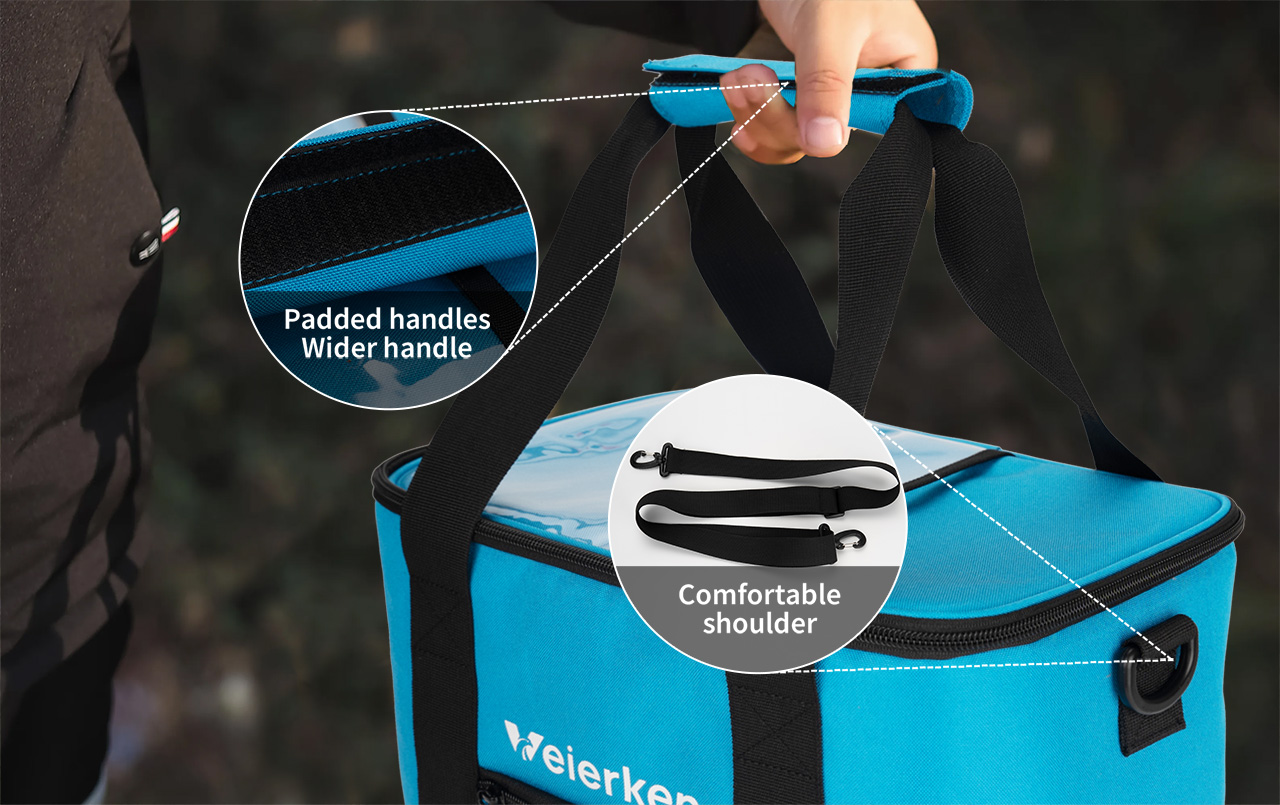
Heavy-Duty Exterior Shells: Using high-density TPU (Thermoplastic Polyurethane) or tear-resistant nylon rather than cheap PVC.
Antimicrobial Inner Linings: Formulated food-grade coatings that prevent mold and bacterial growth between shipments.
Reinforced Stitching & Welded Seams: High-frequency welding that prevents moisture ingress and seam separation.
For local grocery delivery and closed-loop logistics, reusable thermal bags offer a lower cost-per-trip. While the initial investment is higher, the long-term savings and waste reduction are substantial.
3. Mono-Material Design for Streamlined Recycling
Conventional thermal bags pose recycling challenges because they layer different materials together. For example, laminating aluminum foil onto polyethylene makes separation difficult at standard recycling centers.
To solve this, your seafood thermal bag maker is turning to mono-material construction. This engineering approach uses a single polymer family for all components, including the outer layer, insulation, and inner liner.
Most mono-material developments focus on recyclable polyethylene (PE) or polypropylene (PP). Through advanced physical foaming processes, manufacturers create gas-filled pockets inside the polymer structure to provide thermal insulation without needing secondary materials.
Why Mono-Material Matters:
Simplifies Curbside Recycling: End consumers or retail staff can place the entire bag into a single recycling bin.
Lowers Processing Energy: Recycling facilities do not need to energy-intensively separate layers.
Supports Circular Economy Commitments: Companies can report high recovery rates to meet corporate sustainability goals.
By partnering with a seafood thermal bag maker like weierken that prioritizes mono-material structures, you simplify post-consumer waste management.
4. Low-Carbon Manufacturing and Localized Sourcing
The carbon footprint of a thermal bag depends on more than just the raw materials used. The energy sources driving the factory and the distance materials travel play a major role in overall emissions.
Many procurement teams now evaluate their suppliers' Scope 3 emissions. This shifts the focus toward how your seafood thermal bag maker operates their production facilities.
Manufacturers like weierken are taking steps to lower their carbon footprint during production. These steps include optimizing factory energy usage and choosing regional raw materials to cut down on transportation emissions.
Sustainable Manufacturing Practices:
Clean Energy Integration: Installing rooftop solar arrays to power assembly lines and welding machinery.
Water Conservation Systems: Closed-loop cooling systems for manufacturing machinery to reduce local water usage.
Optimized Scrap Recovery: Collecting production off-cuts to melt down and feed back into the manufacturing cycle.
Working with a supplier that monitors and reports these metrics helps ensure your supply chain meets rising environmental standards.
5. Smart Logistics Integration to Reduce Food Waste
From an environmental perspective, food waste is a major contributor to resource loss. Seafood is highly perishable and valuable, meaning transit temperature failures carry high environmental and financial costs.
Modern thermal bag designs do more than just slow heat transfer. They incorporate features that help monitor cargo condition throughout transit.
A progressive seafood thermal bag maker now designs products with built-in features for monitoring devices. These integration points help logistics teams track conditions without compromising insulation.
Smart Design Features:
Dedicated Sensor Pockets: Transparent, external-facing TPU pockets that hold RFID tags or Bluetooth temperature loggers.
Ice Pack Anchoring: Internal mesh dividers that secure cold sources in place, ensuring even temperature distribution.
Vapor-Barrier Closures: Specialized zipper systems that prevent cold air leakage and moisture loss during long transits.
Reducing transit losses protects both your profits and the environmental resources used to harvest and transport your seafood.
Choosing a Partner for the Future of Cold Chain
Evaluating a seafood thermal bag maker involves more than just comparing unit prices. It requires finding a partner equipped to help you navigate changing environmental regulations and market demands.
An experienced seafood thermal bag maker like weierken can help you balance performance, cost, and environmental responsibility. Assessing suppliers based on these five trends will help keep your cold chain compliant and resilient.
Are you looking to improve your seafood logistics with sustainable thermal packaging? Contact our team at weierken today to discuss custom, compliant options for your business.
Frequently Asked Questions
1. How do bio-based insulation materials perform compared to traditional EPS?
Modern bio-based insulation materials perform comparably to traditional EPS for standard transit times. High-density paper cellular structures and starch-based foams offer thermal conductivity ratings close to synthetic options, making them suitable for 24-to-48-hour domestic shipping.
2. Is mono-material packaging durable enough for wet seafood shipping?
Yes. A specialized seafood thermal bag maker uses advanced manufacturing processes to ensure mono-material PE bags remain leak-proof and durable. High-frequency welding ensures the seams withstand moisture and pressure without relying on multi-material laminates.
3. Can reusable thermal bags be sterilized to meet food safety standards?
Absolutely. Reusable bags designed for seafood transit utilize smooth, non-porous TPU linings and antimicrobial treatments. These materials allow logistics teams to wash, sanitize, and dry the bags quickly between cycles, complying with food safety standards.
4. How does choosing a sustainable seafood thermal bag maker affect customs clearance?
Many regions, particularly the European Union, enforce strict packaging and packaging waste regulations (PPWR). Utilizing easily recyclable or bio-based packaging from a certified manufacturer reduces the risk of import delays, compliance penalties, or plastic taxes at customs ports.
5. What is the average lifespan of a high-durability seafood thermal bag?
In a typical closed-loop distribution network, a high-durability thermal bag can be used dozens of times. The exact lifespan depends on handling, cleaning procedures, and transit conditions, but they offer a lower cost-per-use over their lifespan compared to single-use alternatives.