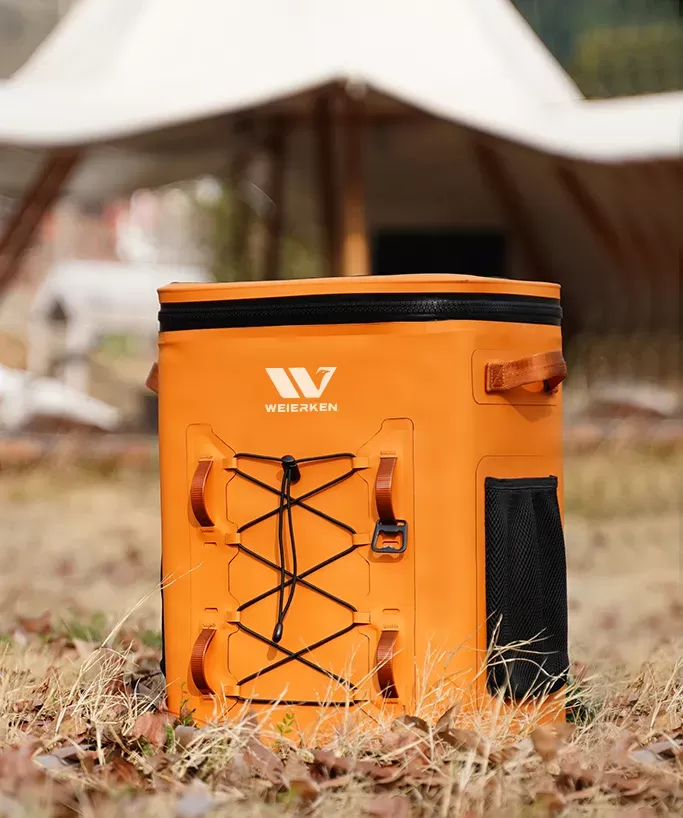

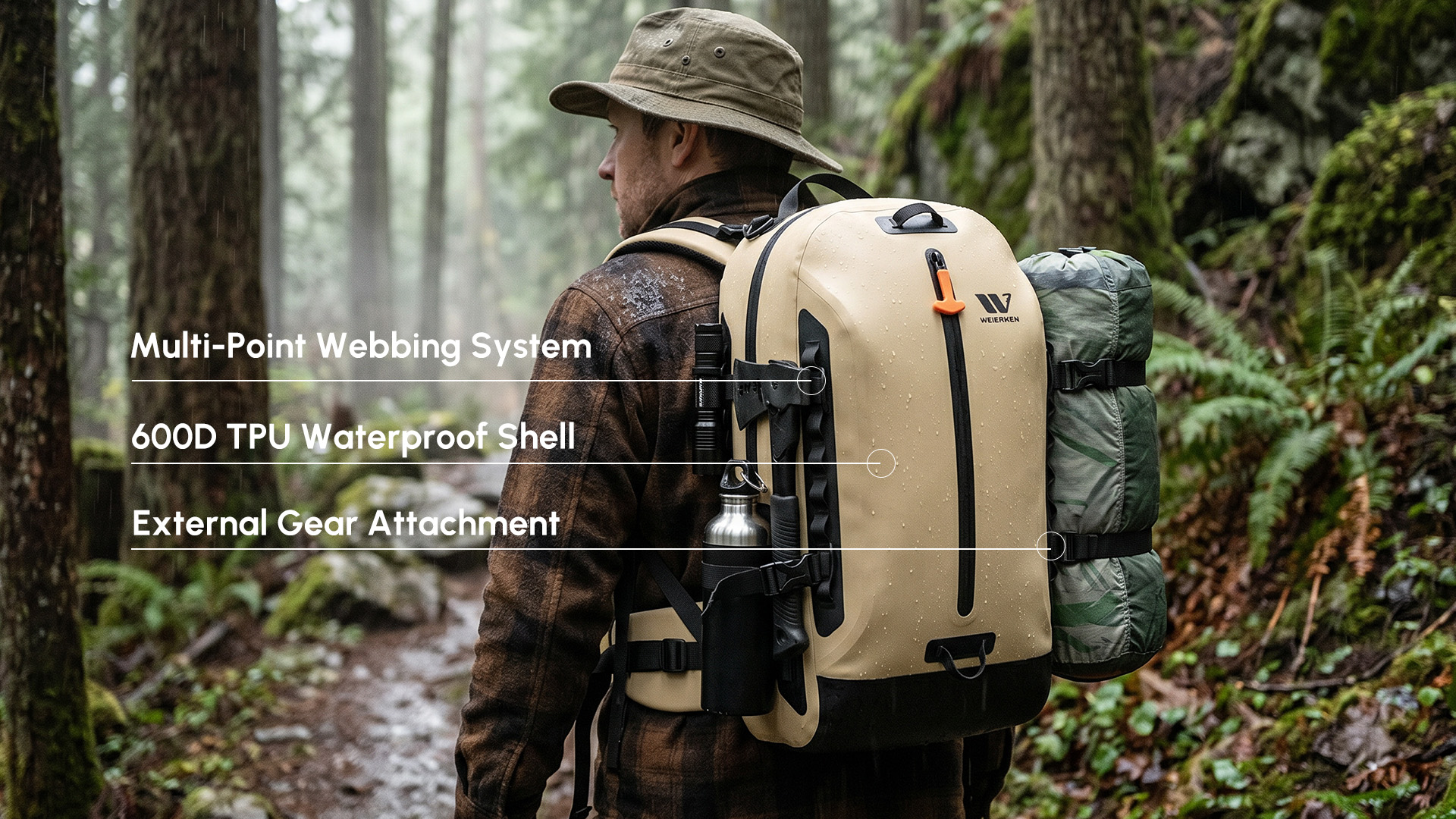
Paddlers demand gear that withstands relentless environmental stress. A standard dry bag fails quickly when mounted directly on a kayak deck. Deck bags face constant saltwater spray, direct sunlight, strong winds, and heavy wave impacts.
Building a marine-grade deck bag requires specific engineering. The gear needs a low-profile structure to minimize wind resistance. It demands corrosion-proof hardware, positive deck anchoring, and fast one-handed access while sitting in a narrow cockpit.
As outdoor brands prepare for the 2026 season, supply chain managers encounter growing friction. Tariff shifts, shipping delays, seam leakage failures, and product copying hamper business growth. Finding an experienced, technically sound manufacturing partner is critical.
This is where Weierken step in. As a premier OEM and ODM manufacturer, Weierken delivers technical precision, rigorous quality control, and flexible dual-base manufacturing across China and Cambodia. We help every partner secure a distinct market edge.
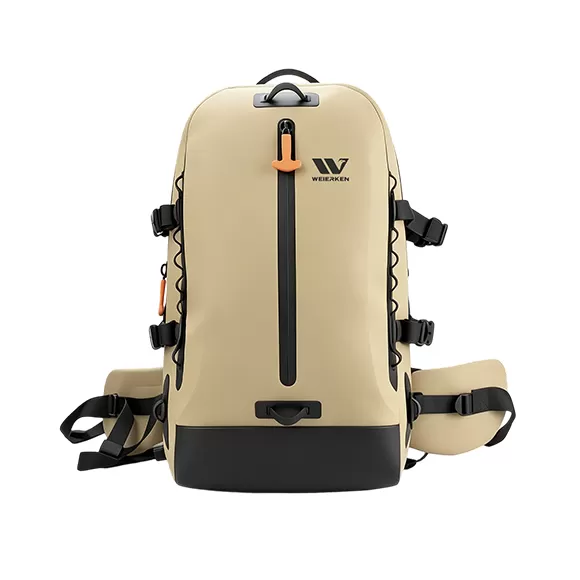
4 Core OEM Engineering Standards for Kayak Deck Bags
A top-tier kayak deck bag must perform reliably under severe marine conditions. Choosing an experienced marine-grade waterproof deck bag factory ensures your product line meets high performance standards.
1. Hydrodynamic & Low-Profile Design
Deck bags sit directly in the wind and water line. Poorly shaped bags catch crosswinds, create drag, and collect pooled water on top.
EVA Molded Bases: Thermoformed EVA bottom panels maintain a rigid structure even when the bag stays empty.
Streamlined Geometry: Contoured profiles divert splashing water away and keep center-of-gravity low.
3D Prototyping: Precise digital patterning ensures zero bulk or fabric bunching along deck lines.
2. Marine-Grade Rigging & Hardware
Rough waters test attachment points continuously. A weak clip or failed seam causes lost gear and damaged customer trust.
Corrosion-Proof Fittings: Solid brass clips, 316 stainless steel D-rings, and heavy-duty acetal hardware withstand saltwater exposure.
Reinforced Tie-Down Systems: High-frequency RF bar-tacking spreads pulling stress across multi-layer anchor points.
Integrated Bungee Decking: Marine-grade shock cords with quick-adjust tensioners secure pumps, paddles, or jackets on top of the bag.
3. Waterproof Seals & Ergonomic Access
Paddlers cannot struggle with complex closures while holding a paddle. Accessibility must match water protection.
IPX7 Airtight Zippers: Precision-welded toothless or teeth-interlocking water-tight zippers stop total submersion leaks.
Roll-Top Storm Systems: Semi-rigid TPU roll-top openings with protective rain flaps offer splashproof security at lower price points.
Single-Hand Zipper Pulls: Oversized T-handle pullers allow easy opening even while wearing neoprene gloves.
4. Thermal Fusion & Deck Cooler Integration
Market demand for 2026 leans heavily toward multi-functional gear. Combining gear storage with thermal cooling creates immediate consumer value.
Multi-Layer Insulation: Thick EPE or EVA closed-cell foam cores maintain ice retention for 24 to 48 hours.
Leakproof TPU Liners: High-frequency welded inner linings prevent melted ice from weeping onto kayak decks.
Dry/Wet Separation: Dual-compartment engineering keeps electronics dry while cooling food and drinks right alongside.
4 Crucial Reliability Metrics for Selecting a 2026 OEM Partner
Technical skill is only part of the equation. To build a resilient business, every B2B buyer needs a dependable kayak deck bag supplier that secures supply chains and protects margins.
1. Dual-Base Manufacturing: China + Cambodia
Global trade policies change quickly. Relying on a single manufacturing origin exposes your brand to sudden tariff spikes and shipping bottlenecks.
Weierken operates dual manufacturing hubs in China and Cambodia. Our Cambodia facility provides duty-free or reduced-tariff access to major Western markets. This strategic setup reduces landed costs and stabilizes long-term retail pricing.
2. Fast Prototyping & Experienced R&D
Speed to market decides who wins the season. Bringing a custom waterproof deck cooler bag from sketch to shelf requires efficient engineering turnaround.
20+ Years Expertise: Our engineering team understands fabric behavior, RF welding physics, and ergonomic constraints.
Rapid Sample Output: Standard deck bag prototypes ship within 3 to 7 days. Complex technical builds complete in 12 to 30 days.
Design Refinement: We analyze tech packs to remove production line bottlenecks before tooling starts.
3. Stringent Quality Control & Certifications
Waterproof products demand strict testing. A minor pinhole seam defect ruins an entire shipment and damages brand reputation.
Weierken maintains a 99.5% First-Pass Yield rate across all active assembly lines. Every deck bag undergoes rigorous evaluation before packing:
Inflation & Submersion Testing: 100% water tightness checks on sealed zipper compartments.
Salt Spray Chamber Testing: Verifies corrosion resistance on all metal hooks, snaps, and pulls.
Tensile & Fatigue Testing: Stretches bungee cords and anchor straps to destruction to confirm load ratings.
Global Compliance: Fully certified under BSCI, ISO 9001, GRS (Global Recycled Standard), REACH, and SEDEX.
4. Complete DDP Logistics Support
Managing international freight, customs clearance, and import duties creates unnecessary headaches. We offer comprehensive Delivered Duty Paid (DDP) logistics.
We handle export documentation, ocean freight, port clearance, tariff payments, and local trucking directly to your distribution center. Sourcing from an international factory feels as simple as buying locally.
5-Step OEM Workflow for Your 2026 Product Line
Building a market-ready product line requires clear communication and systematic milestones. Here is how Weierken turns your concept into market delivery.
Step 1: Tech Pack & Feasibility Assessment
Send us your product sketches, target specifications, or reference samples. Our technical team reviews materials, zipper configurations, dimensions, and attachment systems to optimize manufacturability.
Step 2: Prototyping & Rigging Tests
We fabricate high-precision physical samples in our dedicated sample lab. We test straps, check bungee rigging retention, and verify watertight seals under real-world water pressure.
Step 3: Country-of-Origin & Cost Optimization
We evaluate order volumes, production timelines, and destination duty structures. We then recommend either our China or Cambodia facility to maximize cost savings and delivery speed.
Step 4: Mass Production & 99.5% Yield Inspection
Raw materials undergo strict incoming quality control (IQC). High-frequency welding, automated cutting, and manual assembly progress under strict inline inspection (IPQC). Finished items pass total waterproof checks (FQC) before final packing.
Step 5: DDP Freight Delivery
We pack finished goods into heavy-duty export master cartons, manage export filings, arrange vessel space, clear destination customs, and deliver cargo directly to your warehouse doors.
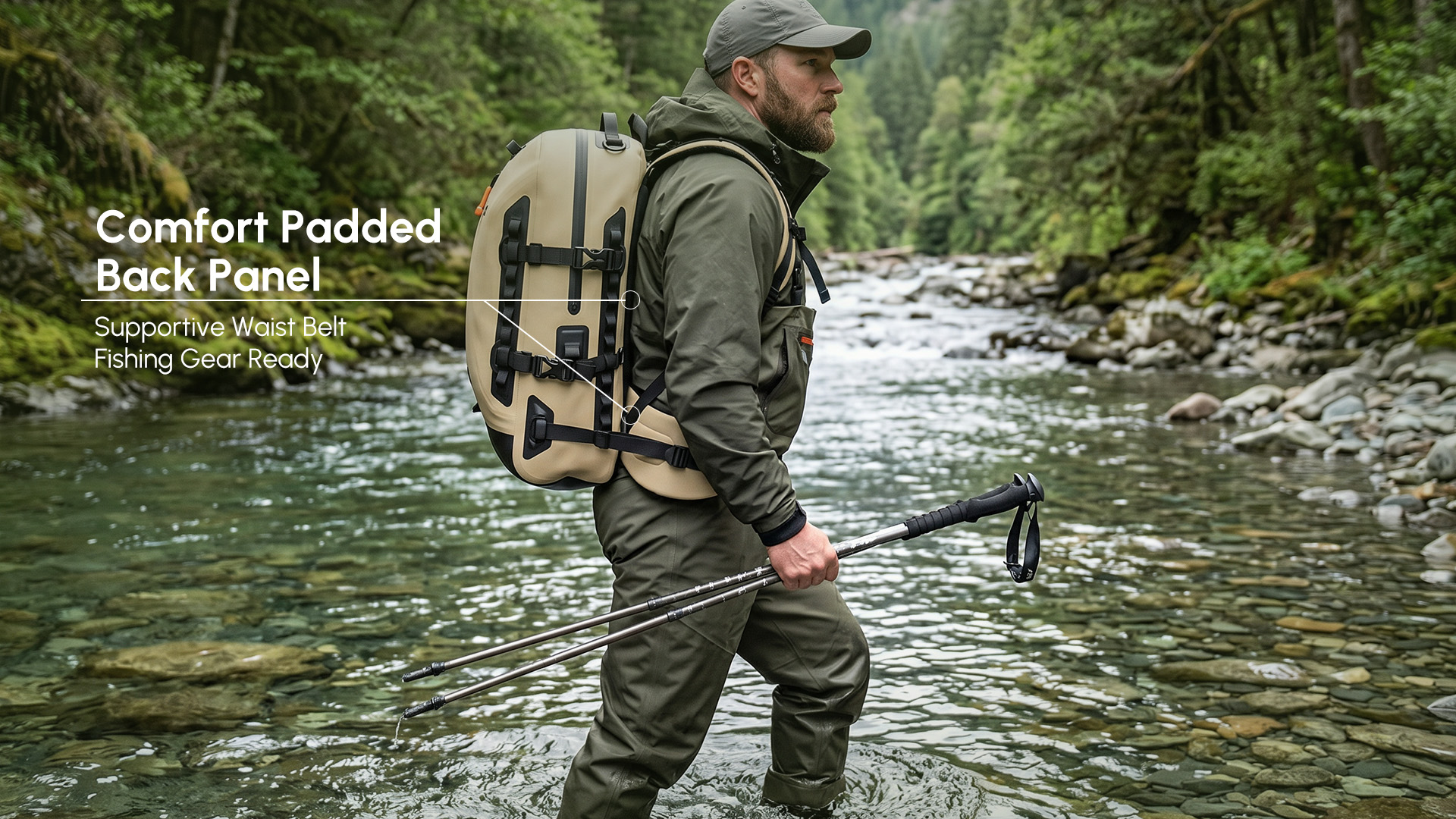
Partner with Weierken for 2026 Success
Staying competitive in the outdoor gear market requires continuous product development, consistent quality, and smart cost control. Aligning with an experienced kayak deck bag supplier transforms your product roadmap into predictable profit.
Weierken brings two decades of bag manufacturing excellence, cutting-edge RF welding tech, and tariff-optimized dual-base production. We give outdoor brands, Amazon sellers, and regional distributors the manufacturing power they need to lead the market.
Ready to upgrade your outdoor catalog for 2026? Contact the technical sales team at Weierken today. Request custom prototyping, schedule a factory audit, or obtain a competitive quotation now.
Frequently Asked Questions (FAQ)
Q1: Why should we source kayak deck bags from your Cambodia factory?
Manufacturing in our Cambodia facility offers significant tariff exemptions and cost reductions for exports to North American and European markets. It keeps your product pricing highly competitive while delivering the exact same manufacturing quality, equipment, and oversight as our primary China facility.
Q2: What is the standard Minimum Order Quantity (MOQ) for custom OEM deck bags?
Our standard MOQ starts at 500 to 1,000 units per style or color, depending on material customization requirements. For innovative custom developments or brand launch programs, we offer flexible MOQ terms to support market entry.
Q3: How do you verify the waterproof rating of every manufactured deck bag?
We utilize multi-stage testing methods. High-frequency welded seams undergo air-pressure inflation testing to detect micro-porosity. Fully assembled bags equipped with airtight zippers undergo full submersion testing for defined holding periods to guarantee zero moisture entry.
Q4: Can we supply recycled or eco-friendly materials for our deck bag line?
Yes. Weierken is GRS (Global Recycled Standard) certified. We source and process recycled TPU, rPET nylon, and eco-conscious EVA foams. We help your brand meet consumer demand for sustainable outdoor gear without compromising marine durability.
Q5: How long does the complete OEM cycle take from tech pack to final delivery?
Initial design review and sample production take 3 to 7 days for standard models, or up to 30 days for complex molded builds. Once you approve the sample, mass production takes 30 to 45 days. Transit times vary depending on your destination port and logistics choices.
Q6: Can Weierken design custom kayak deck bag with bungee rigging system specs?
Yes. We customize every detail of the rigging setup. This includes elastic shock cord diameters, clip materials, reflective strand weaving, D-ring placement, and specialized attachment hooks designed to fit major kayak deck track systems.
Take the Next Step in 2026 Sourcing
Do not let supply chain delays or quality issues hold back your brand. Partner with a proven OEM industry leader. Submit your inquiry today to receive a detailed cost analysis, material swatch kit, and custom sample schedule within 24 hours.