
Generic cooler bags flood the retail market, making it difficult for brands to stand out. Standard designs often lead to price wars that erode your profit margins. To protect your brand value, you need products that offer superior performance, durability, and style.
Partnering with an experienced China cooler bag maker like Weierken allows you to move beyond basic designs. A specialized manufacturer acts as a development partner, helping you customize every component to meet your target market's specific demands. By selecting the right features, you can build a premium product line that commands better retail prices.
Here are six critical custom features a professional custom cooler bag manufacturer can offer to improve your product line.
1. Insulation Linings and Foam Thickness
The core value of any insulated bag is its ability to keep items cold. Different markets require different levels of thermal retention. A professional manufacturer helps you balance performance and unit cost by offering various lining materials and foam densities.
Aluminum Foil: This is a cost-effective option for promotional items or lunch bags. It provides basic thermal protection for short periods.
PEVA (Polyethylene Vinyl Acetate): A PVC-free, easy-to-clean material. PEVA is highly popular for mid-range daily cooler bags.
TPU (Thermoplastic Polyurethane): This premium material offers exceptional durability and food-grade safety. It resists punctures and remains flexible in cold temperatures.
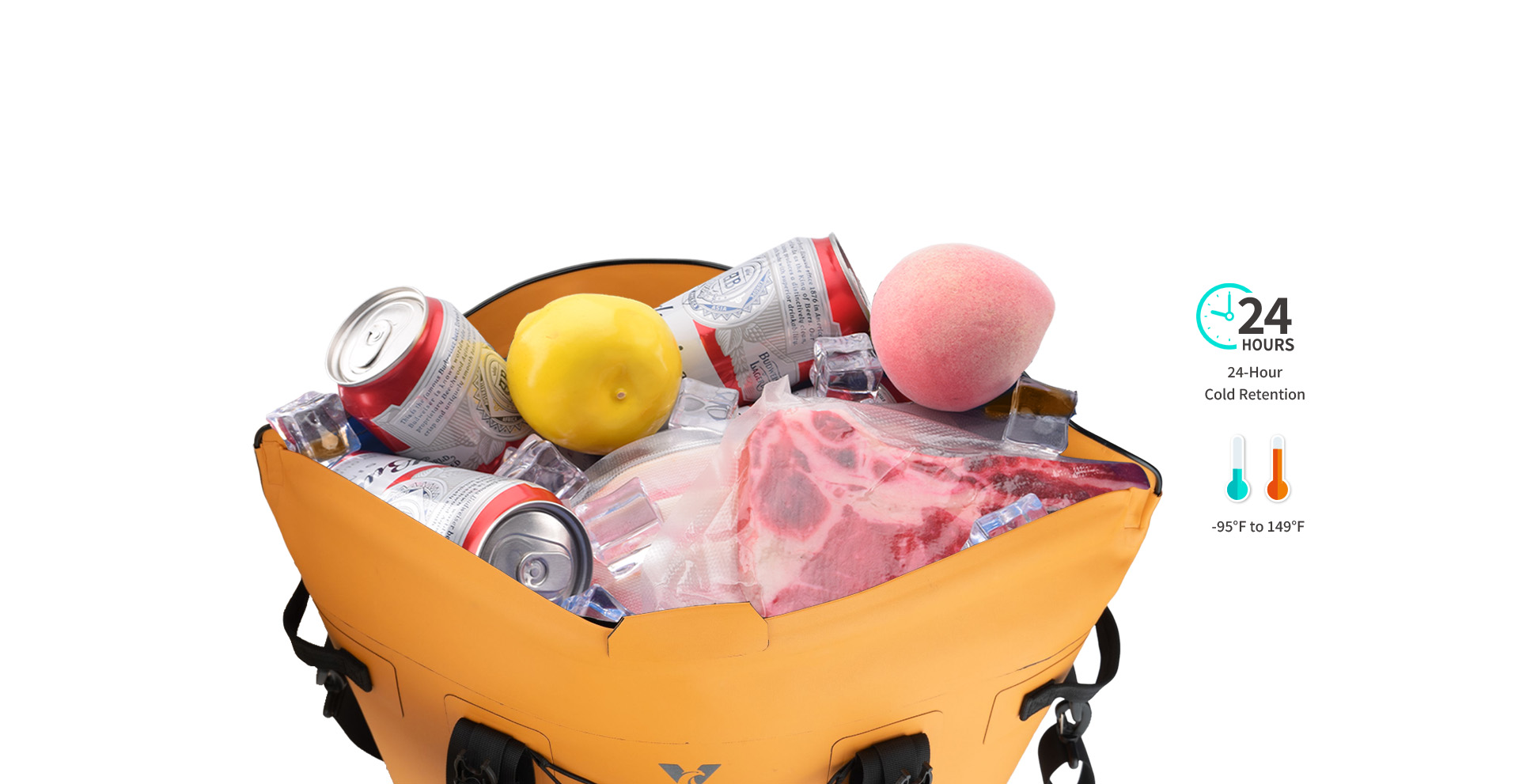
Beyond the lining material, the insulation foam determines ice retention times. Manufacturers use Expanded Polyethylene (EPE) or Nitrile Butadiene Rubber (NBR) foam. Standard 5mm foam keeps contents cold for 4 to 6 hours. Upgrading to 8mm or 10mm foam extends performance to 12 or 24 hours. For rugged, high-end soft coolers, a 15mm NBR foam can maintain cold temperatures for up to 48 hours.
2. Advanced Leakproof and Sealing Technologies
Nothing ruins a customer's experience faster than a melting ice pack that leaks through the bottom of the bag. Traditional sewing needles puncture the fabric, creating thousands of tiny holes where water can seep out. To prevent this, professional manufacturers use modern construction methods.
High-frequency (HF) welding is the standard for high-performance coolers. This process uses electromagnetic energy to fuse the TPU or PEVA panels together. It creates a seamless, solid barrier that prevents liquid from escaping. When producing a heavy-duty TPU leakproof cooler bag, welding is essential for the inner liner.
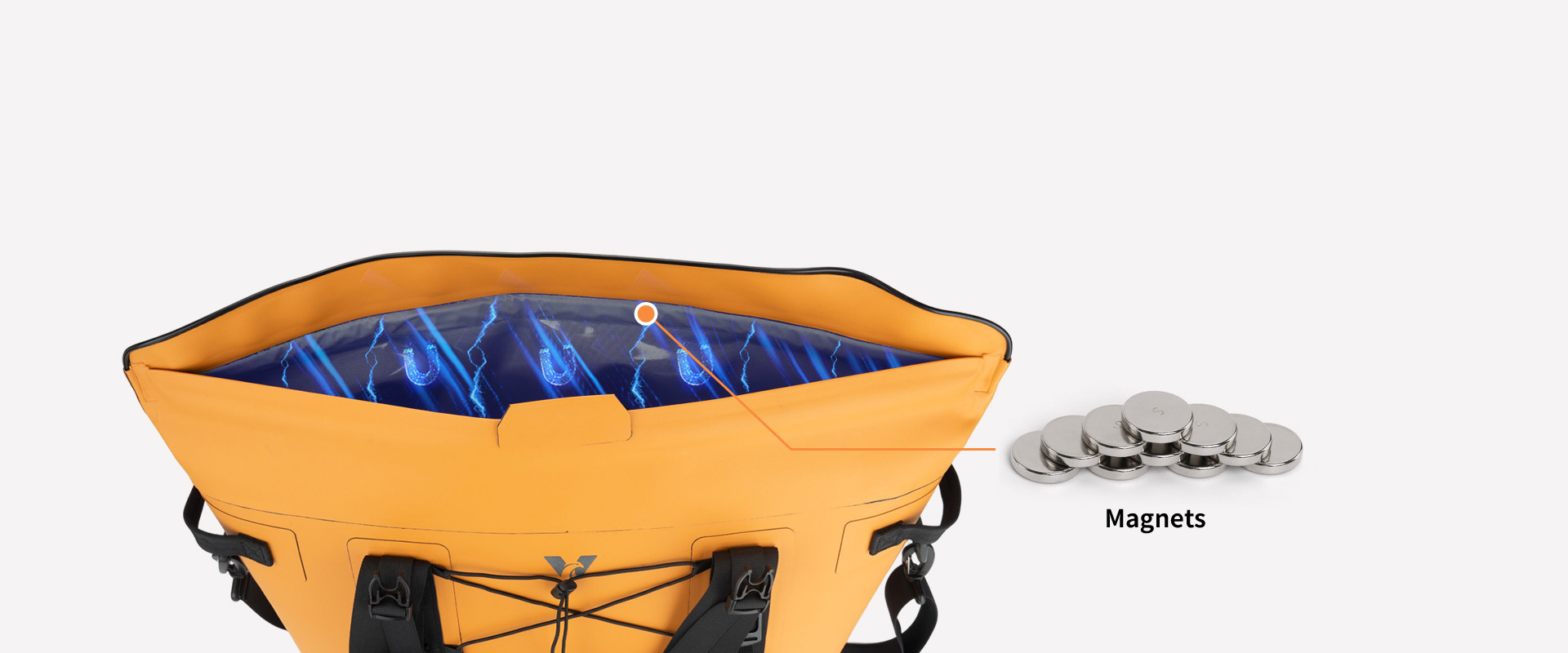
Zippers are another common leakage point. You can choose standard nylon coil zippers with water-resistant PU coatings for basic splash protection. For fully airtight and submersible performance, manufacturers install heavy-duty watertight zippers. These zippers seal shut to prevent cold air from escaping and warm air from entering.
3. Eco-Friendly and Sustainable Exterior Fabrics
Global environmental regulations and shifting consumer preferences require brands to offer greener alternatives. When purchasing eco-friendly cooler bags bulk, you do not have to sacrifice durability or style. Modern sustainable fabrics perform just as well as traditional virgin polyester.
RPET (Recycled Polyethylene Terephthalate) is currently the most popular green fabric. It is made from recycled plastic bottles, which reduces waste in landfills. Weierken offers high-quality RPET options in various deniers, giving the exterior of your bags a rugged, premium feel.
For a more natural aesthetic, organic cotton canvas with water-resistant wax coatings offers an excellent option. Additionally, substituting traditional PVC coatings with TPU or solvent-free PU coatings ensures your products remain non-toxic and compliant with international environmental standards.
4. Functional Hardware and Modular Attachments
Smart, practical details often convince a consumer to choose your product over a competitor's. Adding custom hardware and modular options increases the perceived value of your bag. It transforms a simple lunch box into an outdoor utility tool.
Consider integrating these functional components into your next production run:
MOLLE Webbing Systems: This military-inspired tactical webbing allows users to attach extra gear, like water bottles or pouches, to the exterior of the cooler.
Dry/Wet Separation Compartments: Internal mesh pockets or dual-zipper compartments keep sensitive items, like keys or dry snacks, separate from wet ice.
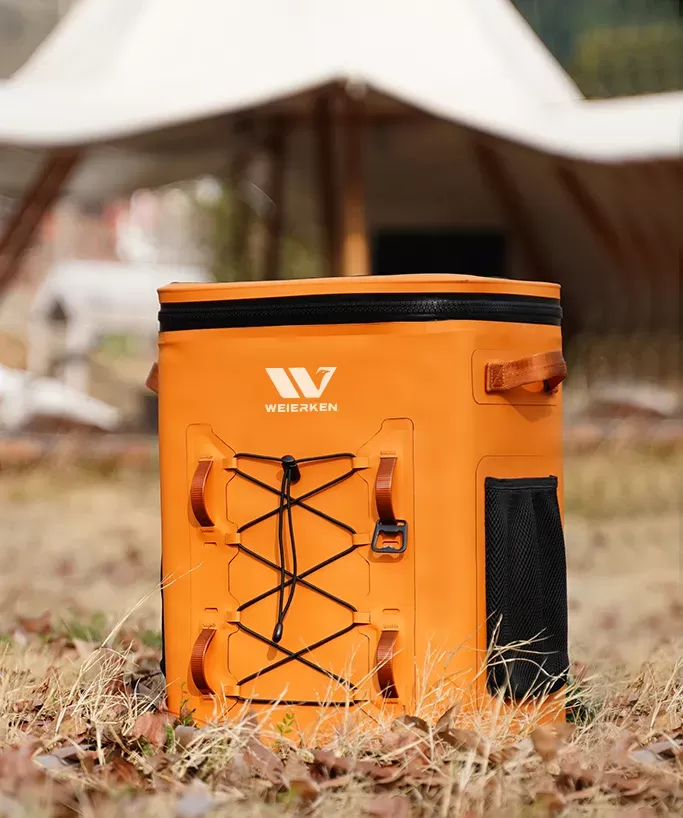
Integrated Hardware: Built-in bottle openers, heavy-duty key clips, and Duraflex quick-release buckles add convenience.
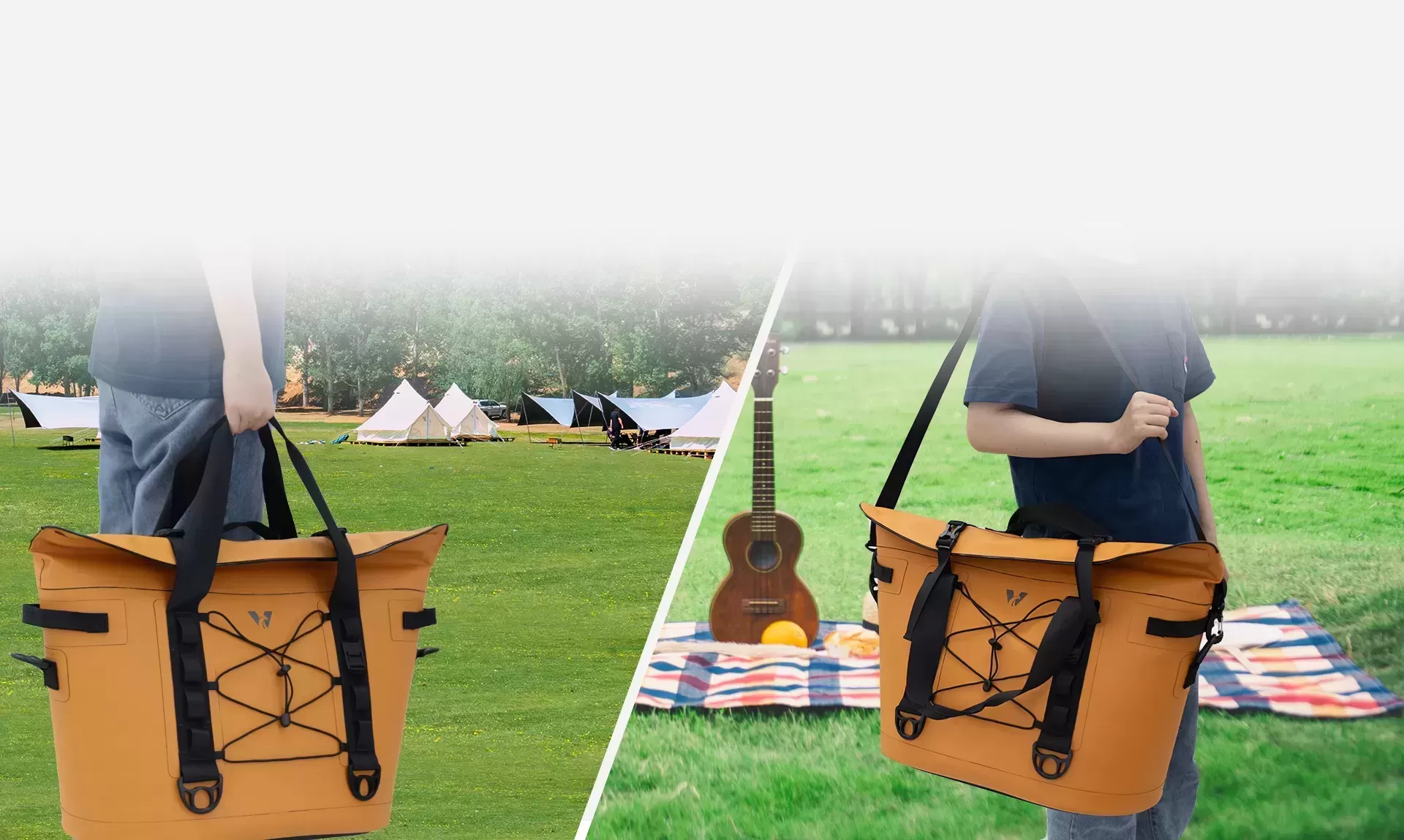
Ergonomic Straps: Removable, thick-padded shoulder straps and reinforced side handles make carrying heavy loads easier.
By discussing these options with your supplier, you can design a product tailored specifically for hikers, fishers, or daily commuters.
5. Custom Logo and Branding Techniques
Your branding needs to withstand harsh outdoor conditions, UV exposure, and frequent washings. A professional factory provides several application methods depending on your target material and budget.
For simple designs on polyester or nylon, silk screen printing offers clean lines at a competitive cost. If your design features complex gradients or photographic artwork, heat transfer printing is more suitable.
For a premium, tactile finish, consider molded silicone patches or woven labels sewn directly into the seams. On high-end TPU soft coolers, high-frequency embossed logos create a subtle, durable branding mark that will not peel or fade over time. Metal nameplates can also be riveted onto structured bags to give them a luxury appearance.
6. Certified Compliance and Tailored Packaging
Entering international retail markets requires strict adherence to local safety and environmental laws. Importing non-compliant goods can lead to customs delays, heavy fines, or product recalls. A reliable partner ensures your products meet all necessary standards before leaving the factory.
Ensure your manufacturer can source materials that pass these critical tests:
FDA & LFGB: Essential for any materials that come into direct contact with food or beverages.
REACH & RoHS: Required for European markets to ensure the absence of harmful phthalates, heavy metals, and chemicals.
Factory Audits: Sourcing from facilities with BSCI, SEDEX, or ISO 9001 certifications guarantees ethical labor practices and consistent quality control.
Additionally, you can customize the final packaging. Instead of simple polybags, you can order custom retail hangtags, recycled cardboard boxes, or pre-packed PDQ display boxes. This allows your inventory to go straight from the shipping container to the retail shelves with minimal handling.
Sourcing your inventory from a skilled China cooler bag maker gives you access to advanced manufacturing techniques. You do not need to settle for generic, low-margin products. By combining high-performance insulation, leakproof seals, sustainable fabrics, and smart hardware, you can build a highly profitable product line.
Weierken works closely with brands worldwide to develop custom cooling solutions that meet strict quality and compliance standards. If you want to develop a new line of **wholesale cooler bags** or upgrade an existing design, our engineering team can assist you with material selection, sampling, and mass production.
Are you ready to discuss your next project? Contact Weierken today to submit your inquiry and receive a detailed quote.
Frequently Asked Questions
What is the typical MOQ for a custom China cooler bag maker?
Minimum Order Quantities (MOQs) generally range from 500 to 1,000 pieces per design. The exact number depends on the complexity of the bag and the availability of the custom materials. For highly specialized fabrics like RPET or custom-dyed pantone colors, suppliers may require higher minimums to meet raw material sourcing requirements.
How does TPU compare to PEVA for cooler bag linings?
PEVA is a cost-effective, food-safe, and easy-to-clean lining material ideal for everyday lunch bags and mid-tier coolers. TPU is a premium option. It offers much higher wear resistance, remains flexible in freezing temperatures, and is highly puncture-resistant. TPU is the preferred choice for high-end, waterproof soft coolers constructed with high-frequency welding.
Can you assist with food-grade certifications for the European market?
Yes. Reliable manufacturers source raw materials that comply with European food contact regulations, such as LFGB and REACH. We can arrange for third-party testing labs like SGS or TÜV to test and certify your finished products before shipment, ensuring smooth customs clearance.
What is the difference between stitched and high-frequency welded seams?
Stitching uses needles and thread to join fabrics, which leaves tiny holes where melted ice can eventually leak. Welded seams use high-frequency electromagnetic energy to fuse the materials together without thread. This creates a completely solid, airtight, and leakproof seal that prevents water from escaping the interior lining.
How long does the sampling and mass production process take?
Typically, developing a custom sample takes about 7 to 14 days, depending on material availability and design complexity. Once you approve the sample and place the deposit, mass production generally takes 35 to 45 days. We recommend starting the development process at least four to five months before your scheduled product launch.