
Dairy products require precise temperature control during transit. Premium cheeses, particularly soft varieties like Brie or aged cheeses like Cheddar, degrade quickly when exposed to heat fluctuations. Warm temperatures trigger oil separation, ruin the texture, and accelerate spoilage, while poor moisture control leads to unwanted mold growth.
To protect these delicate products, many dairy brands and specialty retailers rely on insulated packaging. However, purchasing standard off-the-shelf packaging often leads to high operational costs and subpar thermal performance. Working directly with a specialized cheese thermal tote maker like Weierken allows you to customize your packaging while significantly reducing your overall sourcing costs.
By streamlining your supply chain and optimizing material choices, you can protect your delicate dairy products without overspending on packaging.
1. Eliminate Middlemen with Direct Factory Pricing
Many procurement managers buy their insulated bags from trading companies, local distributors, or third-party sourcing agents. While convenient, these intermediaries add substantial markups to the unit price. A direct relationship with a factory removes these extra layers of cost.
When you partner directly with a cheese thermal tote maker, you gain access to factory-floor pricing. A direct supplier provides a transparent Bill of Materials (BOM), breaking down the costs of fabrics, foam, and labor. This transparency helps you understand exactly where your budget goes.
Direct communication also speeds up the production process. You can discuss technical modifications, design adjustments, and shipping timelines directly with the manufacturing team, reducing costly communication errors and saving valuable time.
2. Material Engineering: Avoiding Over-Specification
Over-specification is a common source of wasted capital in cold chain logistics. Brands often purchase heavy-duty, expensive coolers when simpler, targeted custom insulated cheese bags would perform the job adequately. A knowledgeable manufacturer helps you design a bag that matches your exact distribution timeline.
An experienced manufacturer evaluates your delivery scenarios to recommend the most cost-effective material combination:
Short-Distance Delivery (2–4 Hours): For local courier services, a combination of lightweight Expanded Polyethylene (EPE) foam and reflective aluminum foil provides sufficient insulation at a very low unit cost.
Mid-Range Shipping (12–24 Hours): For overnight regional shipments, upgrading to high-density Polyurethane (PU) foam or thicker NBR foam ensures the cheese remains cool without requiring thick, heavy outer shells.
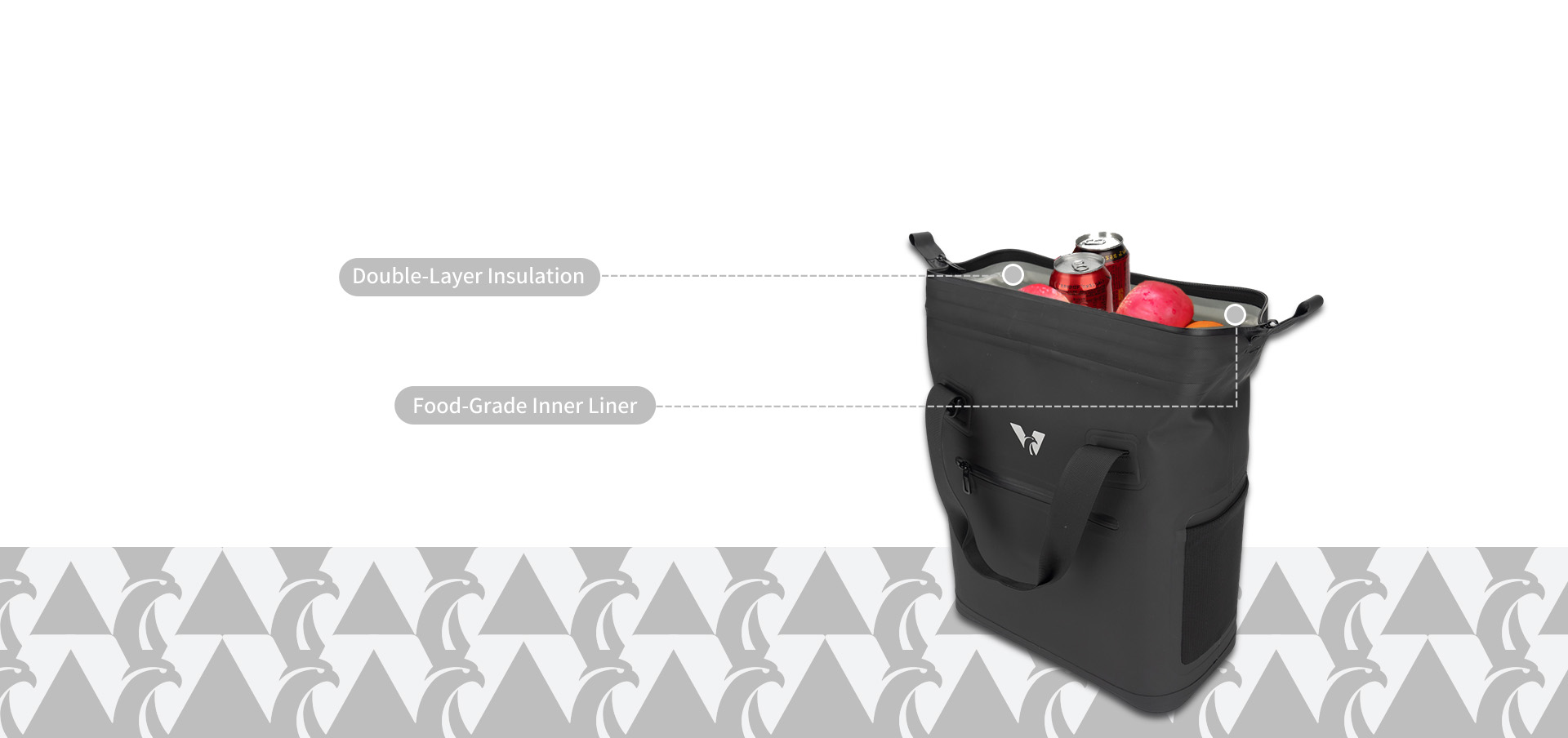
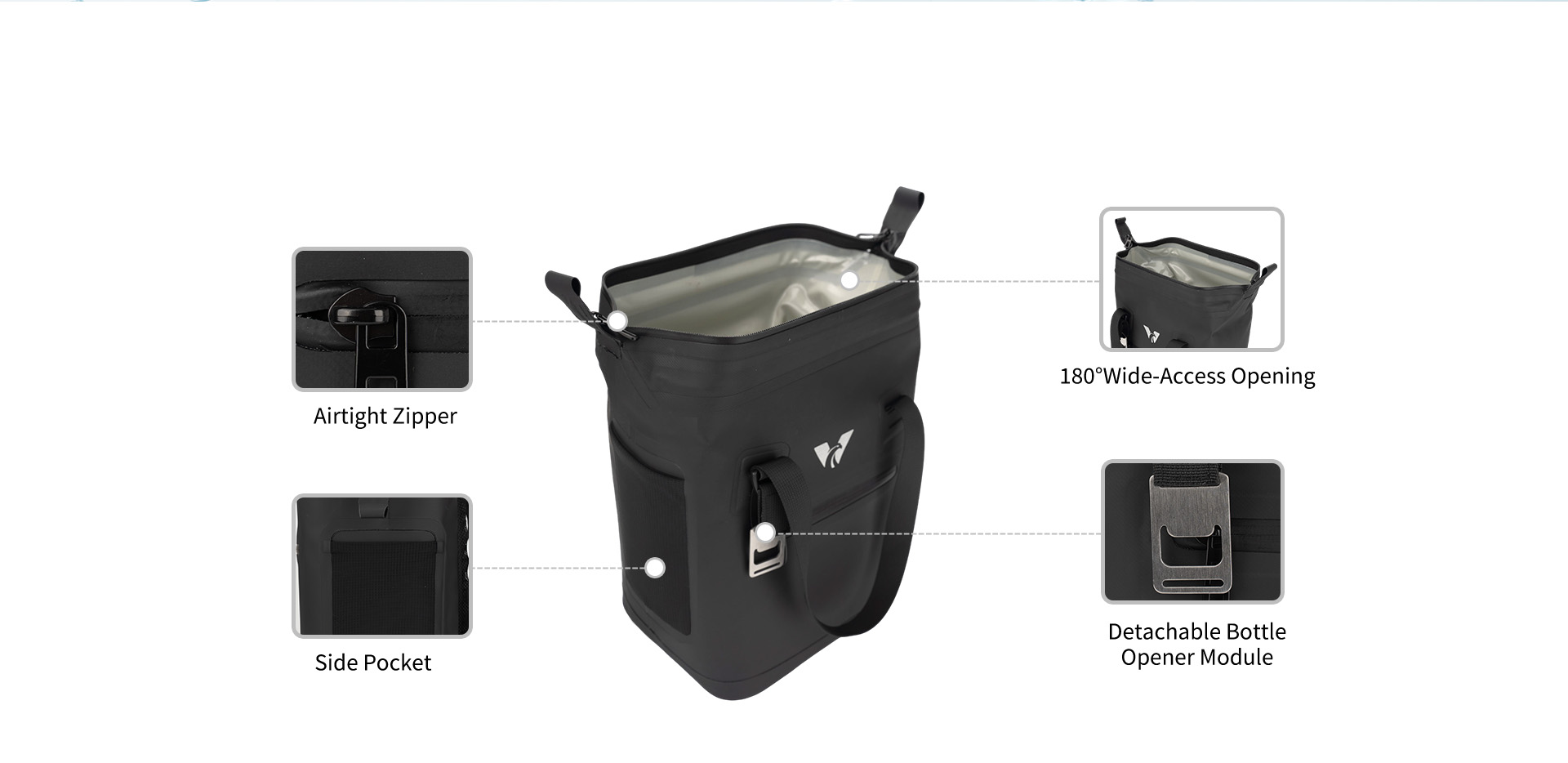
Long-Distance Logistics (24–48 Hours): For cross-country transit, the factory can integrate airtight zippers and high-frequency welded TPU linings to keep melted ice or gel packs contained.
By choosing materials that match your specific transit times, you avoid paying for unnecessary performance, allowing you to optimize your budget.
3. Custom Sizing to Reduce Shipping and Storage Volumetric Costs
Standard, one-size-fits-all thermal bags often result in excess air space inside the packaging. This empty space is highly inefficient. It requires more ice gel packs to keep the temperature low, which increases the overall weight of the shipment.
Additionally, shipping carriers charge based on dimensional weight (volumetric weight). Large, half-empty bags take up valuable cargo space, driving up your shipping fees. A specialized cold chain food bag manufacturer solves this problem by tailoring the dimensions of the bag to fit your existing cheese containers.
Weierken designs custom bags that fit your specific round wooden boxes, rectangular paper cartons, or wedge packs closely. Minimizing dead space reduces the size of the outer shipping box, saving money on bulk air and sea freight while lowering your warehouse storage costs.
4. Regulatory Compliance to Mitigate Risk and Recall Costs
Dairy products are highly regulated because they are prone to bacterial growth. Using cheap, uncertified materials for food transport poses major risks. If your thermal bags emit chemical odors or contain toxic plasticizers, you risk product contamination, costly recalls, and brand damage.
Working with a certified manufacturer ensures your wholesale thermal dairy totes comply with international food safety standards:
Food-Grade Materials: Interior linings must use non-toxic, BPA-free PEVA or food-grade aluminum foil that complies with FDA and LFGB standards.
Chemical Compliance: Exterior fabrics and hardware must pass REACH and RoHS tests to ensure they are free from harmful heavy metals and phthalates.
Factory Standards: A factory with BSCI or ISO 9001 certifications guarantees consistent manufacturing quality, minimizing the risk of defective batches.
Investing in certified compliance up front prevents the massive financial losses associated with customs rejections, regulatory fines, and customer returns.
5. Flexible MOQ and Tiered Pricing Strategy
Managing cash flow and inventory levels is a major challenge for growing dairy brands. Committing to massive order quantities just to get a lower price can tie up your capital and fill your warehouse with slow-moving inventory.
A supportive cheese thermal tote maker offers flexible Minimum Order Quantities (MOQs) and structured, tiered pricing. This approach allows you to start with smaller test batches for seasonal promotions or regional product launches, reducing your initial financial risk.
As your sales volume grows, the factory can optimize its production runs to lower unit costs. Ordering food-grade thermal carrier bulk shipments during off-peak manufacturing seasons also allows you to negotiate better rates, helping you maximize your margins.
Lowering your sourcing costs does not mean sacrificing the quality of your thermal packaging. By working directly with a dedicated cheese thermal tote maker like Weierken, you can eliminate middlemen, engineer your materials to match your actual shipping needs, and avoid shipping empty space.
Weierken provides comprehensive cheese packaging solutions tailored to your brand's unique needs. We help you design, test, and manufacture high-quality, compliant insulated bags that keep your cheese in prime condition from the creamery to the consumer's table.
Ready to optimize your cold chain packaging costs? Contact Weierken today to submit your inquiry and receive a customized quote for your business.
Frequently Asked Questions
What is the minimum order quantity (MOQ) for custom insulated cheese bags?
Typically, our MOQ for custom thermal bags starts at 1,000 pieces per design. This minimum allows us to source specialized food-grade materials and set up our production lines efficiently. For standard colors or simpler designs, we can sometimes accommodate smaller test batches.
How do you ensure the interior liners of the totes are food-safe?
We source only certified food-grade materials for our interior linings, such as non-toxic PEVA and high-purity aluminum foil. These materials undergo rigorous testing to comply with US FDA and European LFGB food-contact standards. We can provide compliance certificates for your records before production begins.
Can you customize the bags to hold specific types of ice packs?
Yes. We can design custom interior mesh pockets or dedicated compartments to hold gel packs or dry ice blocks. Placing these compartments strategically ensures even cold distribution throughout the bag, keeping your cheese at the ideal temperature without direct contact with the ice.
What printing methods do you offer for custom dairy branding?
We offer several durable branding options, including silk screen printing for simple logos, heat transfer printing for multi-color designs, and stitched woven labels. For premium, outdoor-style bags, we can also provide molded rubber patches or debossed logos that withstand wet, cold conditions.
How does factory-direct sourcing help us save on shipping costs?
By designing bags that match the exact dimensions of your cheese products, we eliminate excess bulk. This reduction in package volume allows you to fit more units into a single shipping carton or pallet. It lowers your overall dimensional weight, reducing domestic and international shipping rates.