
In temperature-controlled logistics, even minor thermal failures can ruin entire product batches. Fresh foods spoil, biological samples degrade, and life-saving pharmaceuticals lose their efficacy. Many cold chain procurement managers focus primarily on unit costs when purchasing thermal packaging. However, choosing a cheap, untested bag often results in expensive product loss, damaged client relationships, and regulatory fines.
When selecting a cold shipping bag maker, you need more than a supplier that simply cuts and glues materials. You require a manufacturing partner capable of validating thermal performance under real-world conditions. Brands like Weierken emphasize that sourcing thermal packaging is a matter of risk mitigation. Here are five essential quality standards you must use to evaluate your manufacturing partner.
1. Thermal Validation and Laboratory Testing Capabilities
A reliable manufacturer does not rely on theoretical estimations of thermal performance. They back up their insulation claims with empirical, scientific data. If a supplier cannot provide test reports for their bags, they are guessing at your cargo's safety.
When vetting a thermal shipping bag manufacturer, verify that they utilize environmental testing chambers. These chambers simulate extreme ambient temperatures to replicate the exact conditions your shipments face during transit. A standard transit route might experience freezing cargo holds or scorching airport tarmacs; your bags must survive both.
Your manufacturer should test their products against recognized international standards. Look for alignment with the following protocols:
ISTA 7D/7E Testing: These thermal standards evaluate the performance of insulated shipping containers exposed to varying external temperature cycles.
Real-time Temperature Logging: The factory should use calibrated data loggers inside the packaging to track temperature fluctuations over 24-hour, 48-hour, or 72-hour periods.
Thermal Simulation Software: Advanced suppliers model thermal performance digitally before physical production begins, saving time during the prototyping phase.
Using verified thermal shipping bag validation ensures that your packaging maintains the necessary temperature range throughout its journey. Ask potential suppliers for their laboratory test data sheets before placing large volume orders.
2. Material Compliance and Safety Certifications
Cold chain logistics often involve products intended for human consumption or medical use. The materials used inside your shipping bags must be safe, non-toxic, and chemically stable. They must not leach harmful substances or emit strong chemical odors that could taint your cargo.
When you audit a cold shipping bag maker, inspect their raw material certifications. The inner lining of the bag, which frequently comes into contact with food or medicine, must comply with strict global safety guidelines. For example, materials like polyethylene (PE), aluminum foil laminates, and PEVA must hold food-contact approvals.
Ensure your supplier meets these essential material benchmarks:
FDA and LFGB Compliance: This ensures that any direct contact with food or pharmaceuticals is safe and free from toxic migration.
REACH and RoHS Alignment: These certifications guarantee that the foams, films, and adhesives are free from heavy metals and restricted hazardous substances.
Odorless Insulation Cores: Low-quality recycled foams can release volatile organic compounds (VOCs). A professional supplier uses virgin, food-grade raw materials.
By sourcing certified FDA-approved cold shipping bags made with non-toxic thermal insulation materials, you protect your customers and keep your brand compliant with local health authorities.
3. Sealing Integrity and Leak-Proof Engineering
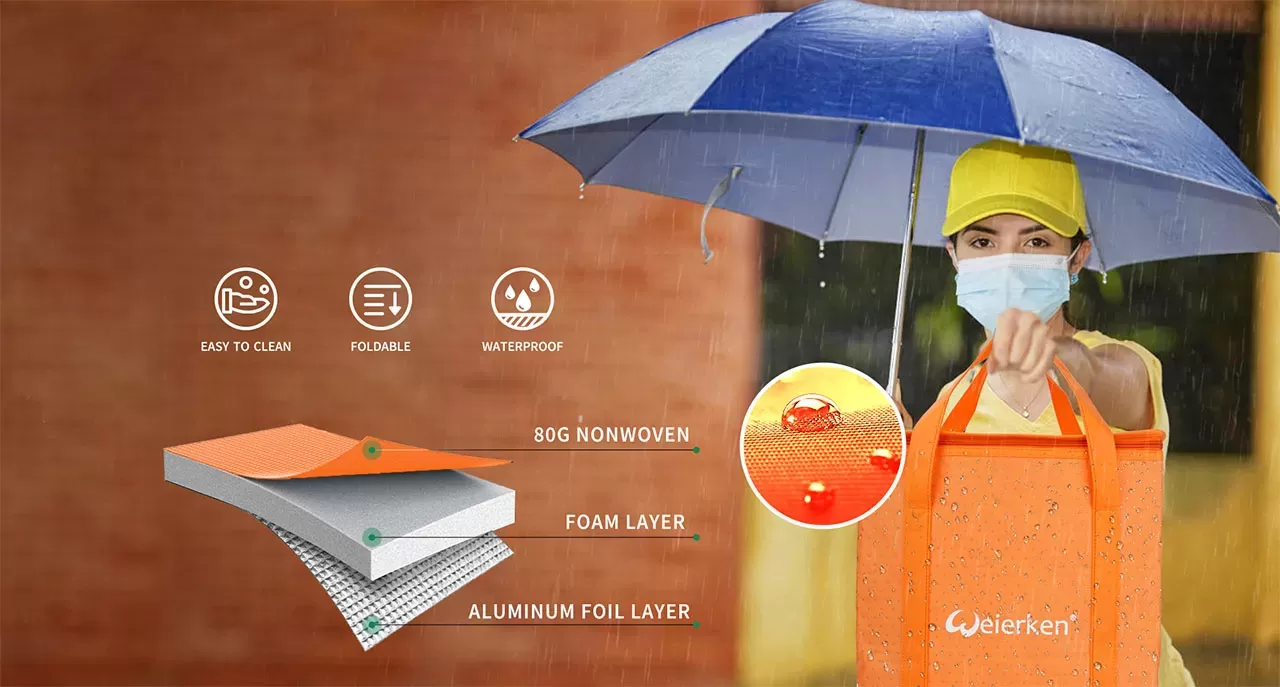
A cold shipping bag is only as strong as its weakest seam. During transit, packages are stacked, tossed, and compressed. This physical stress puts immense pressure on the bag's edges. At the same time, ice packs or dry ice inside the bag generate condensation, creating a damp environment that can degrade adhesives.
Inspect the manufacturing techniques used at the factory. Standard heat sealing is often insufficient for heavy-duty industrial shipping. High-frequency welding or ultrasonic welding creates much stronger bonds by fusing the materials at a molecular level.
Pay close attention to these structural details:
High-Frequency Welded Seams: This process creates a continuous, airtight seal that prevents cold air from escaping and moisture from seeping out.
Low-Temperature Adhesives: Standard pressure-sensitive adhesives peel off when exposed to sub-zero temperatures. The bag maker must use specialized cold-resistant hot melt glues on self-sealing strips.
Heavy-Duty Closures: Zippers, slide-locks, and hook-and-loop closures should feature secondary barrier flaps to prevent thermal bridging at the opening.
Weierken applies rigorous pressure-testing protocols to ensure that every leakproof cold shipping bag design survives the compression of cargo transit. Investing in a heavy-duty insulated mailer prevents expensive liquid leaks that can ruin adjacent packages in a courier vehicle.
4. Thermal Engineering and Coolant Integration
An insulated bag does not generate cold; it merely retards heat transfer. To maintain a stable temperature, the bag must work in tandem with phase change materials (PCMs), gel packs, or dry ice. A professional cold chain packaging supplier should understand how these components interact.
Your manufacturer should help you calculate the correct thermal mass ratio. They must determine how much coolant is needed based on your product’s volume, target temperature range (such as 2–8°C or -20°C), and the total estimated transit hours.
Ask your bag maker if they can provide the following services:
Custom Wall Thicknesses: The ability to adjust foam thickness (from 2mm to 10mm or more) to match specific seasonal shipping profiles.
Integrated Coolant Pockets: Mesh or film pockets inside the bag that keep gel packs in place, preventing direct freeze damage to sensitive biological products.
System-Level Design: Providing guidance on the ideal placement of ice packs (top, bottom, or sides) to maximize convection currents inside the bag.
A supplier capable of cold chain packaging integration simplifies your procurement process. Look for a partner that offers custom gel pack compatibility analysis to ensure your entire thermal system operates as expected.
5. Quality Management Systems and Batch Traceability
Consistency is the foundation of industrial manufacturing. If the first sample works well but the next production run of 10,000 bags has uneven insulation density, your cold chain fails. You must ensure the factory operates under a strict, standardized quality control system.
When conducting a factory audit, ask about their quality management system (QMS). A reliable cold shipping bag maker should hold ISO 9001 certification. This certification proves they follow standardized procedures for raw material inspection, in-line assembly monitoring, and final product testing.
Ensure the factory has the following quality control steps in place:
Incoming Quality Control (IQC): Testing raw aluminum foil, EPE/XPE foam, and liners for density, thickness, and purity before production begins.
In-Process Quality Control (IPQC): Continuous testing of sealing temperature, pressure, and seam strength on the production line.
Batch Traceability: Every shipping box should have a batch code linked to the production date, machine operator, and raw material lot. If a defect occurs, you can isolate the affected bags quickly.
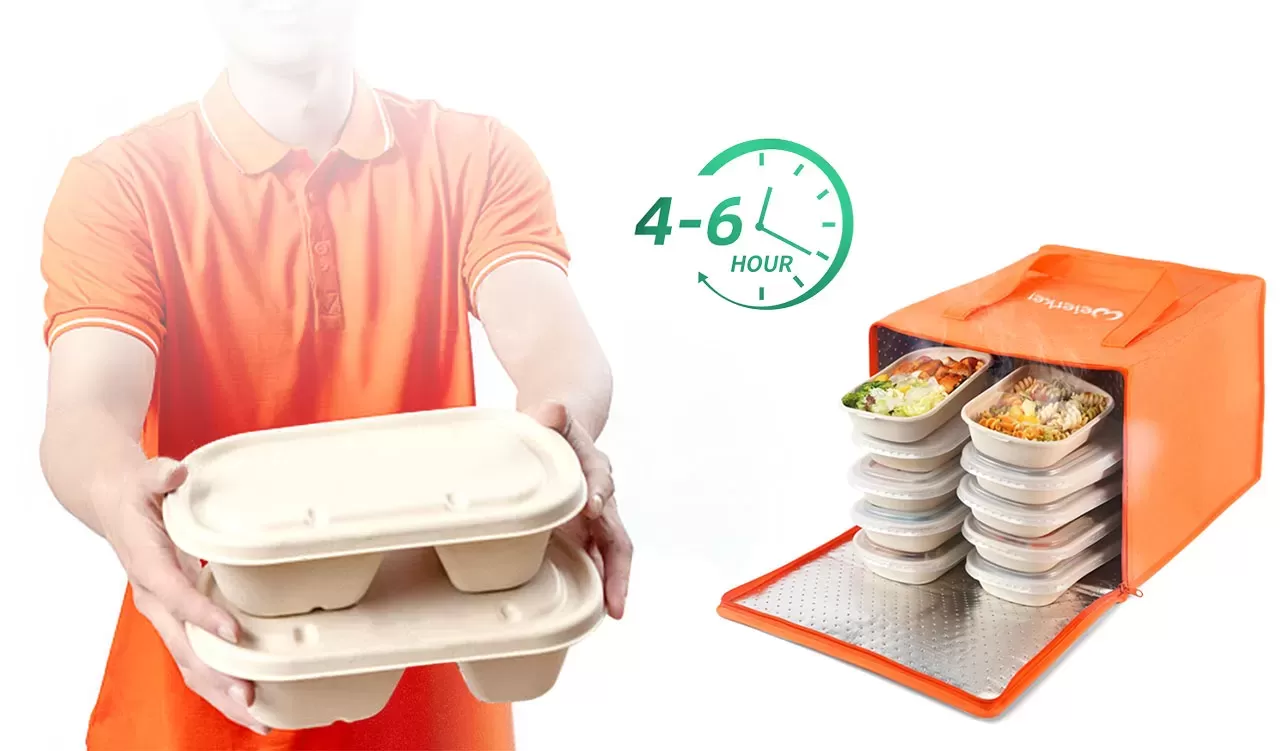
Partnering with an ISO certified cold shipping bag maker that provides batch-traceable thermal packaging protects your business during quality audits, especially in highly regulated sectors like pharmaceuticals.
Comparing Vetting Standards
The following table summarizes the key differences between a basic packaging vendor and a professional, high-standard thermal packaging manufacturer:
| Evaluation Metric | Basic Packaging Vendor | Professional Cold Shipping Bag Maker |
|---|---|---|
| Thermal Validation | Claims are based on assumptions; no lab testing. | Offers chamber testing reports and ISTA compliance. |
| Material Safety | Uncertified materials; potential for chemical odors. | FDA, LFGB, REACH, and RoHS certified materials. |
| Sealing Method | Simple heat seal; prone to splitting under pressure. | High-frequency or ultrasonic welding with cold-resistant adhesive. |
| Thermal Design | Offers standard sizes only; no engineering support. | Calculates thermal mass and recommends coolant ratios. |
| Traceability | No batch tracking; irregular quality control. | ISO 9001 certified with full batch-level traceability. |
Vetting your supplier is about protecting your brand and your bottom line. By focusing on thermal validation, material safety, sealing technology, thermal engineering, and batch traceability, you can choose a partner that minimizes transit risks.
At Weierken, we manufacture high-performance cold chain solutions designed to meet strict industrial standards. We help B2B buyers worldwide design, test, and manufacture thermal bags that preserve product integrity from the first mile to the last.
Do you need to improve your cold chain packaging reliability? Contact our engineering team today to share your shipping requirements, request a material sample, or obtain a competitive quotation for your next project.
Frequently Asked Questions
1. What is the difference between bubble-lined and foam-lined shipping bags?
Bubble-lined bags utilize trapped pockets of air to retard heat transfer, making them lightweight and cost-effective for short transits. Foam-lined bags use expanded polyethylene (EPE) or polyurethane foam, which provides superior structural integrity, better shock absorption, and higher thermal resistance for longer shipping durations.
2. Why does the adhesive tape on some insulated mailers fail in cold climates?
Standard pressure-sensitive adhesives lose their tackiness and become brittle when exposed to freezing temperatures. A professional manufacturer uses specialized low-temperature hot melt adhesives designed to remain flexible and sticky even when stored in commercial freezers or packed with dry ice.
3. How does Weierken test the leak-proof capability of its bags?
Weierken conducts pneumatic pressure tests and liquid retention tests on sample batches. We seal a specific volume of liquid or air inside the bag and apply standardized physical pressure to ensure that the welded seams do not split, burst, or weep moisture during simulated transit conditions.
4. Can these cold shipping bags be recycled?
Recyclability depends on the material composition. Bags made from mono-materials (like pure low-density polyethylene) are easily recyclable. Multi-layer laminate bags (aluminum foil bonded to polyethylene foam) require specialized recycling facilities. We can discuss eco-friendly, recyclable material alternatives based on your regional recycling infrastructure.
5. How do we determine the right coolant ratio for our shipments?
Our engineering team calculates the coolant ratio by analyzing your payload's volume, the target temperature range, the outer environment profile, and the transit duration. We then perform chamber testing to determine the precise weight of gel packs or phase change materials needed to maintain your thermal boundaries.