
Finding a reliable manufacturing partner is key to growing your brand. The global demand for reusable, insulated lunch bags continues to rise. Consumers want durability, food-safe materials, and modern designs. If you want to stand out, a standard off-the-shelf product is rarely enough.
Your business needs a specialized lunch thermal tote maker that offers deep customization. A good supplier does more than sew fabric. They act as your technical partner, helping you navigate material selection, compliance, and supply chain logistics. Brands like weierken work closely with clients to turn complex designs into retail-ready products.
When evaluating potential partners, you must look closely at their service portfolio. Here are six essential custom OEM services your manufacturer should offer.
1. Advanced Material Selection & Insulation Customization
Different markets have vastly different performance needs. An office worker wants a lightweight, stylish bag. An outdoor enthusiast requires heavy-duty, weather-resistant gear. Your manufacturer should offer a wide range of materials to suit these different niches.
Outer Fabric Options
The exterior material defines the first impression of your product. Your manufacturer should offer options such as:
Oxford Fabric (600D/900D): Highly durable, tear-resistant, and cost-effective for daily use.
DuPont Tyvek: Lightweight, paper-like texture, eco-friendly, and highly trendy.
TPU (Thermoplastic Polyurethane): Waterproof, easy to clean, and perfect for high-end outdoor coolers.
Cotton Canvas: Offers a natural, aesthetic look preferred by eco-conscious consumer brands.
Insulation Core & Lining Technology
The insulation performance determines the practical value of a custom thermal lunch bag. Ask your partner about their thermal foam densities. They should offer Expanded Polyethylene (EPE) foam in varying thicknesses, typically from 3mm to 8mm.
For the inner lining, the industry standards are PEVA and aluminum foil. PEVA is easy to wipe clean and has a modern look. Seamless aluminum foil offers excellent temperature retention. Make sure your manufacturer can also source Recycled PET (RPET) materials to help you capture the sustainable product market.
2. Diversified Branding & Printing Techniques
Your logo is your brand's signature. A high-quality logo must survive daily wear, washing, and temperature changes. A professional OEM lunch bag manufacturer should provide multiple printing methods tailored to your specific fabric choice.
Different techniques work best on different surfaces. Here are the primary options you should expect:
Silk Screen Printing: Best for simple, bold logos with 1-2 solid colors. It is highly cost-effective for large production runs.
Heat Transfer Printing: Perfect for complex, multi-color artwork and photographic designs.
Embroidery: Adds a premium, textured feel. Excellent for classic or corporate lifestyle brands.
Silicone Patches & Rubber Labels: Highly durable, modern, and resistant to water and abrasion.
Woven Labels & Metal Badges: Subtly stitched onto side seams or front panels for a minimalist aesthetic.
Your supplier should guide you on which method offers the longest lifespan for your selected fabric. For example, silk screen printing on a highly textured canvas may wear differently than a silicone patch on TPU fabric.
3. Structural Design & Functional Layout Customization
Standard bag shapes can limit your market appeal. To stand out, you need unique functional layouts. A capable lunch thermal tote maker must help you modify bag dimensions, strap styles, and interior compartments.
Leak-Proof Technology
Leaking is a common consumer complaint. Traditional stitching on the inner lining creates small needle holes where liquids can escape. Your manufacturer should offer heat-sealed or high-frequency welded seams. This process bonds the lining material together without stitches, ensuring the bag remains completely leak-proof.
Experienced teams, such as the engineers at weierken, use advanced heat-welding machinery to ensure clean, watertight interior seals.
Smart Space Planning
Consider the daily habits of your target buyers. A modern lunch bag often needs to carry more than just food containers. Ask your manufacturer to incorporate these smart features:
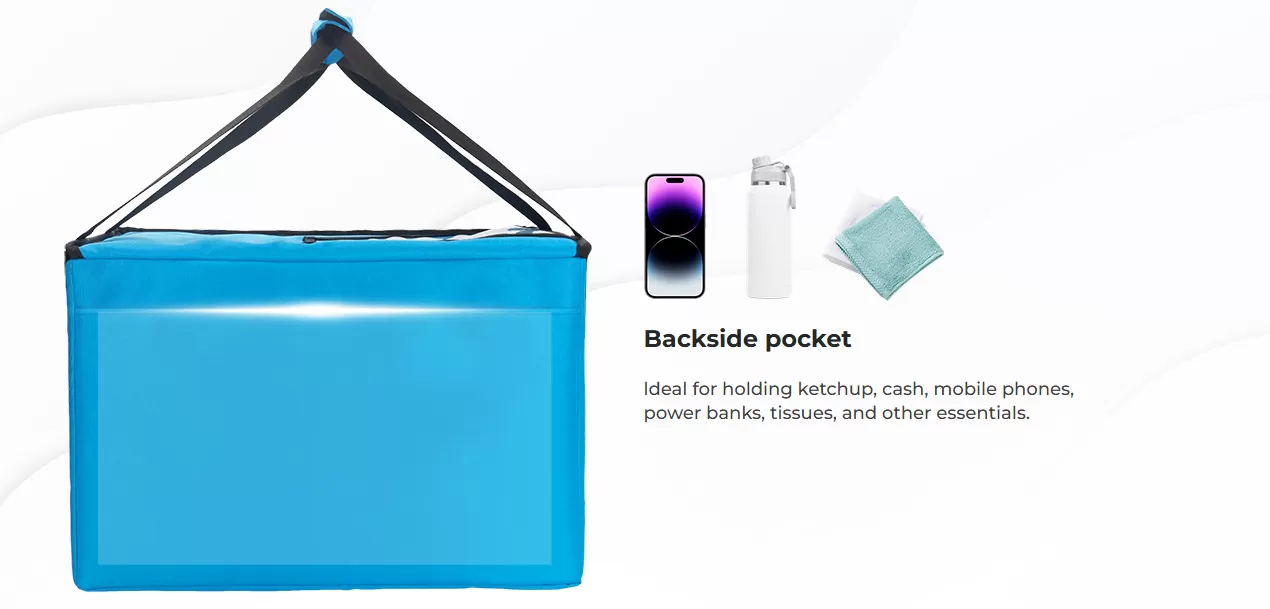
Dry-Wet Separation: Separate non-insulated compartments for utensils, napkins, or electronics.
Adjustable Dividers: Removable hook-and-loop panels to organize different meal-prep boxes.
Expandable Compartments: Zippered expansion sections that increase storage volume on demand.
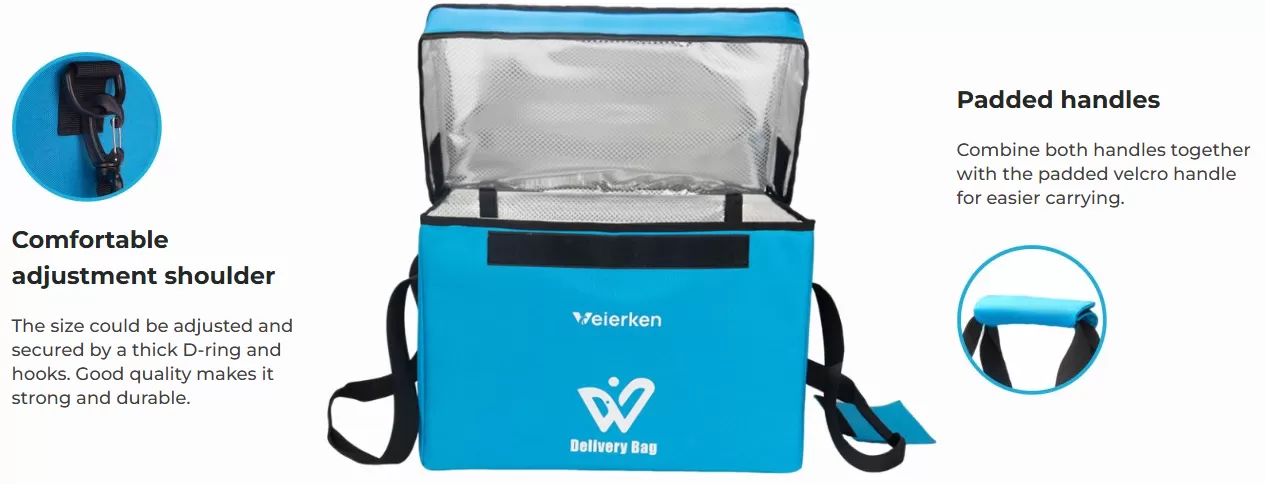
Custom Hardware: Upgraded zippers (like YKK or waterproof zippers), heavy-duty metal buckles, and adjustable shoulder straps.
4. Compliance & Food-Safety Certification Support
Importing products that contact food requires strict adherence to international safety laws. Failure to pass customs testing can lead to confiscated shipments and heavy financial losses. Your manufacturing partner must understand global compliance standards thoroughly.
A reputable factory should assist you in preparing products for certifications such as:
FDA (United States): Ensures all interior materials are safe for direct or indirect food contact.
LFGB (Europe): Stringent European food-contact material testing.
BPA-Free Certification: Verifies that plastics, foams, and linings contain no harmful Bisphenol A.
REACH & RoHS: Restricts hazardous substances in textiles and synthetic components.
Before signing a contract, verify the factory's own credentials. A professional partner should hold valid audits like BSCI (Business Social Compliance Initiative) and ISO 9001. This ensures your supply chain meets global ethical and quality management standards, making lunch bag factory compliance easier to maintain.
5. Rapid Prototyping & Sampling Services
Moving from a digital design to a physical product is a critical phase. Mistakes in this stage can lead to mass production defects. Your OEM supplier needs a dedicated research and development department to handle prototyping quickly.
The standard timeline for creating a custom sample should range from 3 to 7 working days. The process typically follows these steps:
Tech Pack Review: The factory analyzes your PDF, AI, or 3D design files.
Material Sourcing: Sourcing the exact fabrics, insulation foams, and hardware you specified.
Pattern Making & Assembly: Skilled sample makers cut, sew, and weld the prototype.
Testing & Adjustment: Checking zipper function, thermal retention, and structural balance.
Most professional manufacturers charge a reasonable sample fee to cover labor and materials. However, they should offer to refund this fee once your bulk order reaches a specific minimum order quantity (MOQ). This policy shows their commitment to a long-term business relationship.
6. Flexible MOQ & Scalable Production Capacity
Every brand has unique inventory requirements. Startups often need a low initial investment to test market response. Established brands require massive, steady output to keep up with peak seasonal demand. Your manufacturer must accommodate these changing needs.
The factory should offer tiered MOQ options depending on the customization depth:
Basic Customization (Logo Printing Only): Lower MOQs, often starting around 500 pieces, using existing stock fabrics.
Full OEM Customization (Custom Shapes/Colors): Higher MOQs, typically 1,000 to 2,000 pieces, due to custom dye lots and fabric manufacturing minimums.
At the same time, investigate the factory's daily or monthly output capacity. Seasonal surges—like back-to-school or spring outdoor seasons—can strain logistics. Choosing a partner with scalable production lines prevents stockouts during your busiest sales cycles. Working with a reliable team like weierken helps ensure your shipments stay on schedule year-round.
A great lunch bag starts with a capable manufacturing partner. By choosing an OEM supplier that offers advanced materials, diverse printing, leak-proof designs, certified compliance, rapid prototyping, and scalable capacity, you protect your brand's reputation.
Are you ready to develop your next line of custom insulated cooler bags? Contact our team today to discuss your project specifications. We can help you navigate fabric sourcing, structural design, and global compliance.
Request a custom quote for your bulk order today.
Frequently Asked Questions
Q1: What is the typical MOQ for custom thermal lunch bags?
For basic logo customization on existing bag shapes, MOQs can start as low as 500 units. For full OEM designs where we change the dimensions, fabric dyes, or physical features, the minimum order quantity usually ranges from 1,000 to 2,000 units per colorway.
Q2: How do you make sure the interior lining does not leak?
We use high-frequency heat-welding technology instead of traditional sewing machines for the inner linings. This fuses the PEVA or aluminum lining sheets together seamlessly, preventing liquid from escaping through needle holes.
Q3: Can your factory assist with food-safe certifications?
Yes. All raw materials used in our linings, foams, and outer shells can be tested to meet FDA, LFGB, and BPA-free standards. We work with third-party testing labs like SGS or Intertek to help clients certify their custom designs before mass shipment.
Q4: What is the average lead time for bulk lunch bags wholesale?
Once you approve the pre-production sample and make the deposit, the standard production time is usually 30 to 45 days. This timeline can vary slightly depending on the order size and seasonal production schedules.
Q5: Can you manufacture lunch totes using recycled or eco-friendly fabrics?
Absolutely. We offer various sustainable materials, including Recycled Polyester (RPET) made from post-consumer plastic bottles, organic cotton canvas, and biodegradable DuPont Tyvek. We can provide material certificates to verify their green credentials.