
The global demand for reusable, insulated lunch bags continues to grow. Consumers now seek durable, eco-friendly, and stylish ways to carry their meals. For custom brands, capitalizing on this trend requires more than just finding a cheap supplier.
Your choice of partner directly impacts your product quality and brand reputation. Working with a reliable lunch thermal bag maker is about securing a partner that understands the technical details of insulation, compliance, and custom design.
When evaluating potential manufacturing partners, like weierken, you must look beyond basic sewing capabilities. Here are the six essential OEM services your manufacturing partner must provide to help your brand succeed in a competitive market.
1. Material Sourcing & Eco-Friendly Options
Modern consumers expect safety, durability, and sustainability from their lifestyle products. Your manufacturing partner must have a robust supply chain to source various materials that align with these consumer values.
A professional lunch thermal bag maker should offer diverse options for both the outer shell and the inner lining. They must understand how different material combinations affect thermal performance and overall durability.
Ensure your supplier can provide the following material choices:
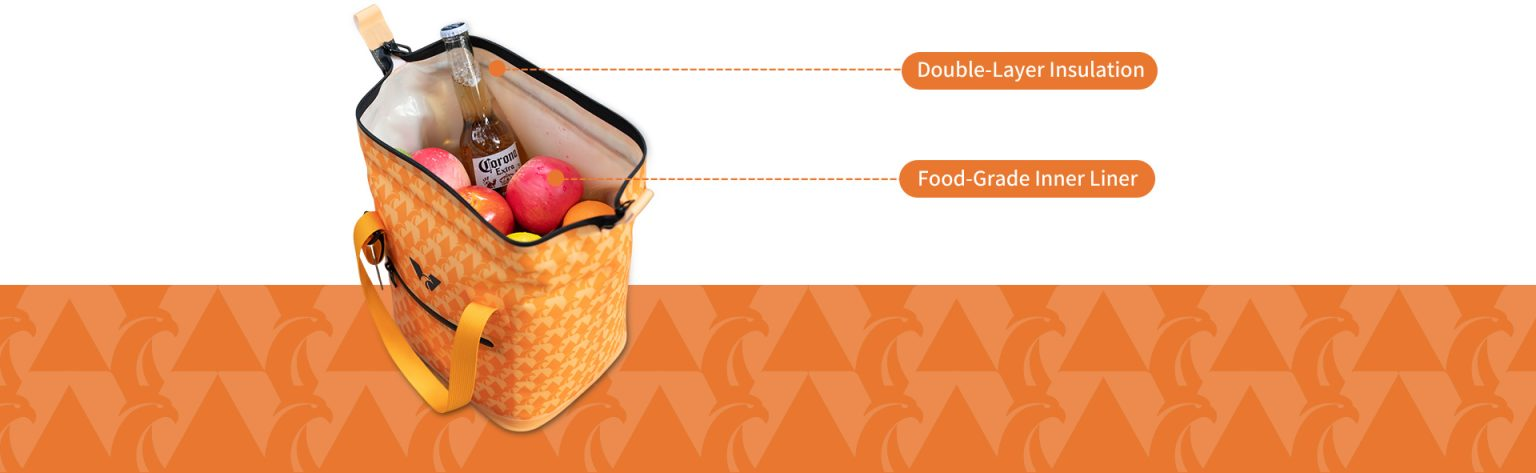
Inner Lining Options: Food-grade PEVA, aluminum foil, and TPU. The manufacturer should explain the thermal insulation differences between these options, helping you balance cost and performance.
Outer Fabric Customization: Traditional Oxford fabric, durable canvas, or sustainable options like GRS-certified RPET (recycled polyethylene terephthalate) and biodegradable cotton.
Safe Insulation Layers: High-density EPE (expanded polyethylene) foam in various thicknesses (usually 4mm to 8mm) to guarantee proper temperature retention.
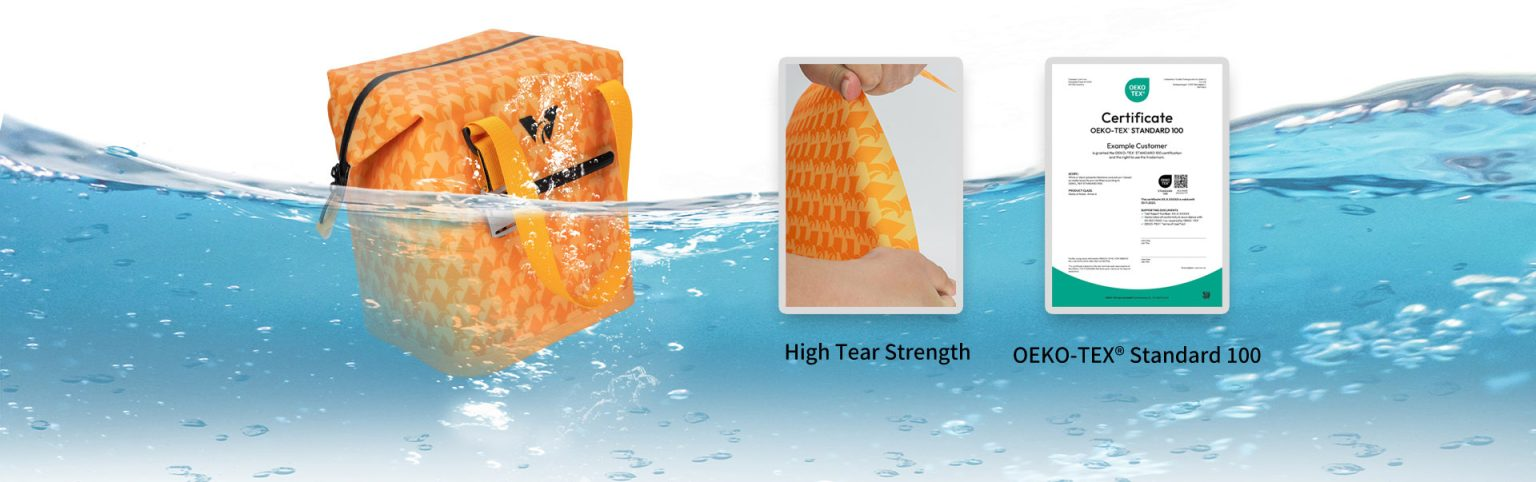
Your manufacturer should also provide material safety certificates, such as REACH or GRS. This documentation ensures your products will not face custom clearance delays due to restricted chemical substances.
2. Structural Design & Rapid Prototyping
A 2D design concept on a computer screen does not always translate well into a physical product. Technical errors can lead to structural failures, such as sagging bases, weak handles, or leaky seams.
A professional insulated lunch bag manufacturer must have an in-house design and engineering team. They should turn your tech packs or sketches into functional 3D CAD drawings before starting physical production.
The Prototyping Phase
Rapid prototyping is a vital service for keeping your project on schedule. Your supplier should deliver a physical sample within 5 to 7 working days.
During this stage, the manufacturer should offer practical structural feedback, including:
Reinforced Stitching: Recommending cross-stitching (X-box stitching) at heavy stress points like handle joints.
Leakproof Construction: Utilizing heat-welding (seamless tech) for PEVA liners instead of traditional sewing, which prevents melted ice or liquids from leaking.
Zipper Selection: Advising on waterproof zippers or durable SBS/YKK brand zippers to prevent premature failure.
3. Advanced Custom Branding & Printing Options
To stand out in retail or e-commerce spaces, your brand needs a distinct visual identity. Different designs and target audiences require specific printing and branding techniques.
At weierken, we believe a manufacturer should offer diverse branding methods to match different product positionings. Whether you target corporate professionals, outdoor enthusiasts, or school children, the branding must look polished and durable.
Verify that your lunch thermal bag maker offers these branding services:
Silk-Screen Printing: Ideal for simple, solid-color logos. This method is highly cost-effective for large production runs.
Heat Transfer Printing: Suitable for multi-color designs, complex patterns, and photographic artwork.
Embroidery & Woven Labels: Provides a classic look, ideal for premium or outdoor-style lunch coolers.
Molded Rubber (Silicone) Patches: Offers a modern, tactile 3D look that is highly popular in activewear and outdoor markets.
Metal Plates & Embossed Leather: Best suited for high-end, executive lunch bags designed for office professionals.
4. Food-Safe Compliance & Testing Support
Insulated lunch bags directly contact food containers, utensils, and sometimes raw fruit. Therefore, safety is non-negotiable. Importing products that fail safety standards can lead to severe fines, recalls, and brand damage.
Your manufacturing partner must understand the regulatory demands of your target markets, such as the FDA in the United States or LFGB in Europe. They must actively support you in passing these regulatory hurdles.
An experienced lunch thermal bag maker should assist with the following compliance steps:
Chemical Safety: Ensuring all materials are 100% BPA-free, lead-free, and phthalate-free.
Testing Laboratory Coordination: Coordinating with third-party testing agencies like SGS, TÜV, or Intertek to secure official test reports for your product batch.
Factory Audits: Maintaining essential factory certifications such as BSCI, ISO 9001, or Sedex. These credentials are often mandatory for large B2B buyers and major retail chains.
5. Flexible MOQ & Scalable Production
For startup brands, managing cash flow and inventory risk is critical. This often means starting with a low minimum order quantity (MOQ) to test the market response.
Conversely, established brands need a supplier that can scale up quickly during peak seasons, such as the back-to-school period or summer outdoor holidays. Your custom cooler bag factory must accommodate both scenarios.
Look for a partner that offers a clear growth path through their production structure:
Low Initial MOQs: Offering a reasonable entry barrier (e.g., 500 to 1,000 units per color) for newly developed designs.
Tiered Pricing Structures: Providing transparent volume-based discounts so you can plan your margins as your brand scales.
Scalable Production Lines: Having enough automated cutting machines, skilled sewing operators, and quality control inspectors to keep lead times stable when order volumes double.
6. Custom Packaging & Global Logistics Integration
A manufacturer's job does not end when the bags are stitched. The final presentation of your product and its journey to your warehouse require careful management to avoid unexpected costs.
A full-service lunch thermal bag maker should offer complete packaging and logistical assistance. This is especially true for brands selling on platforms like Amazon FBA or utilizing third-party logistics (3PL) providers.
Ensure your supplier can provide these retail-ready services:
Custom Packaging Options: Production of custom hangtags, barcodes, dust bags, or printed retail boxes.
Amazon FBA Compliance: Expert knowledge of carton marking, FNSKU labeling, and packing specifications to prevent warehouse rejection.
Flexible Trade Terms: Offering various shipping arrangements, including FOB (Free on Board), CIF (Cost, Insurance, and Freight), and DDP (Delivered Duty Paid) to simplify customs clearance for your team.
By integrating these packaging and logistics steps, you reduce handling times and lower the risk of shipping damage.
Choosing the right lunch thermal bag maker is one of the most important decisions for your business. A reliable manufacturer does not just sew fabric together; they act as a technical partner, assisting you with material selection, regulatory compliance, branding, and logistics.
As an experienced manufacturing partner, weierken offers end-to-end OEM services tailored to help custom brands grow. We focus on transparent communication, reliable quality standards, and flexible production paths to support your business goals.
Are you ready to develop your next custom insulated bag collection? Contact our team today to request a technical consultation, discuss your design, or receive a competitive quote.
Frequently Asked Questions
1. What is the typical MOQ for custom lunch thermal bags?
Most manufacturers require a minimum order quantity (MOQ) of 1,000 units per design. However, some suppliers can offer a lower MOQ, such as 500 units, for standard material colors or initial market test phases.
2. How long can a quality thermal lunch bag keep food cold?
The insulation time depends heavily on the materials used. A basic combination of 4mm EPE foam and aluminum foil typically maintains temperature for 2 to 4 hours. Premium configurations using 8mm EPE foam and thick PEVA liners can keep items cold for 6 to 12 hours, especially when used with ice packs.
3. What are the key differences between PEVA and Aluminum Foil liners?
PEVA is a non-chlorinated vinyl material that is highly flexible, easy to clean, and can be heat-welded to create a leakproof seam. Aluminum foil offers excellent heat reflection and is cost-effective, but it requires stitched seams, which are not completely leakproof if liquids spill inside the bag.
4. Do you provide samples before we place a bulk production order?
Yes. A professional manufacturer will always produce a pre-production sample for your review. This process usually takes 5 to 7 working days and allows you to confirm the materials, dimensions, structural strength, and printing quality before committing to bulk manufacturing.
5. How do you ensure your factory meets international labor and safety standards?
Our production facilities undergo regular third-party audits. We maintain active compliance certifications, including BSCI and ISO 9001. This ensures ethical labor practices, safe working conditions, and consistent quality management throughout our entire production line.