
Magnetic closures offer a sleek, premium, and highly functional alternative to traditional zippers and buckles. They are widely used in high-end camera bags, medical equipment pouches, utility gear, and luxury packaging. However, designing and manufacturing bags with integrated magnets presents unique engineering challenges that can easily drive up sourcing costs if not managed correctly.
When procurement teams evaluate a potential **magnetic opening bag maker**, they often focus primarily on the initial unit price. This approach can be misleading. Hidden costs from high product return rates, magnet displacement, and shipping delays can quickly erode profit margins. Choosing an experienced manufacturer is essential to minimizing these long-term risks.
At weierken, we focus on helping B2B clients streamline their product development. By analyzing the engineering complexities of magnetic systems, we aim to show how a knowledgeable manufacturing partner can significantly reduce your total cost of ownership.
1. Reducing Defect Rates Through Precise Manufacturing
The most common failure in low-cost magnetic bags is the misalignment or flipping of magnets inside the fabric layers. When a magnet flips within its pocket, the polarities repel instead of attract, rendering the closure useless. Resolving this issue after production is both difficult and costly.
High-Frequency Positioning and Pocket Sealing
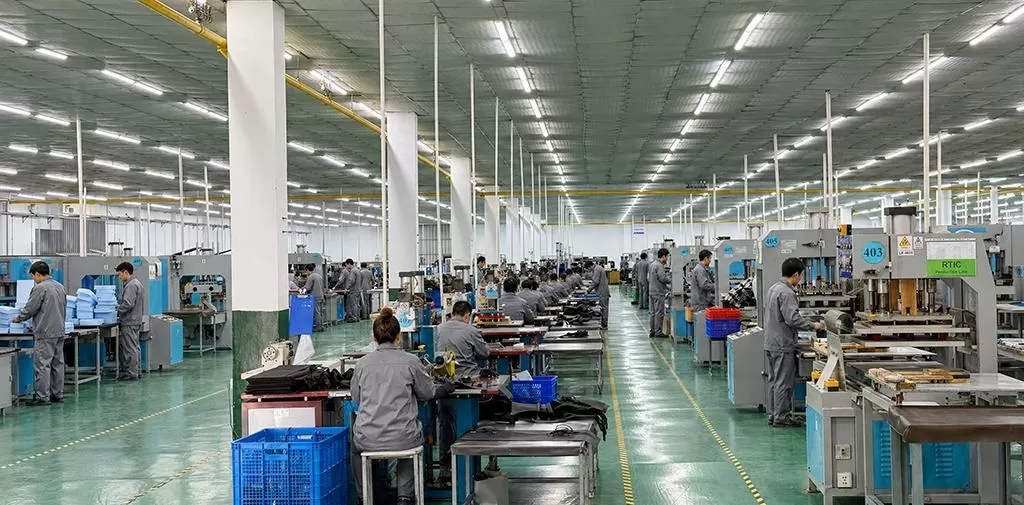
To prevent magnets from shifting, a reliable **magnetic closure bag factory** does not simply drop loose magnets into fabric slots. Instead, they use specialized techniques to secure them in place:
Dedicated Internal Pockets: Creating individual, tight-fitting inner chambers for each magnet to restrict lateral movement.
High-Frequency Welded Sleeves: Enclosing the magnets in TPU or PVC sleeves before sewing them into the bag panels to lock them in place.
Polarity Verification: Using structured assembly jigs to ensure workers insert the magnets with the correct polarities facing outward every single time.
Fabric Wear and Impact Prevention
Neodymium magnets snap together with considerable force. Over hundreds of cycles, this repetitive impact can wear down and eventually puncture the outer fabric. To protect the bag's exterior, a skilled **custom magnetic pouch manufacturer** inserts thin, high-density buffer materials like EVA foam, rubber shims, or non-woven backings between the magnet and the outer fabric. This simple addition absorbs the impact, prevents fabric tear-through, and dramatically lowers customer return rates.
2. Optimizing Magnet Sourcing and Specifications
Magnets are not generic components. They vary significantly in composition, grade, pull strength, and coating. Unqualified factories often make mistakes by over-specifying or under-specifying these materials, which leads to unnecessary expenses or poor performance.
Selecting the Correct NdFeB Magnet Grade
Most commercial closure bags utilize Neodymium Iron Boron (NdFeB) rare-earth magnets due to their exceptional strength-to-size ratio. These magnets are graded from N35 up to N52. Selecting the right grade is a delicate balancing act:
N35 to N40: Typically sufficient for small pouches and standard flaps, offering a secure hold at a reasonable material cost.
N45 to N52:Necessary for heavy-duty applications or bags with thick fabric layers, though they carry a higher raw material cost.
A professional manufacturer calculates the exact magnetic pull force required based on your fabric's thickness, ensuring you do not pay extra for over-engineered N52 magnets when N38 would perform perfectly.
Anti-Rust and Environmental Protection
NdFeB magnets are highly susceptible to corrosion. If moisture penetrates the fabric during rain or washing, raw magnets will rust, expand, crumble, and leave unsightly brown stains on the bag. To prevent this, professional suppliers only source magnets with durable protective coatings:
As a quality-conscious **magnetic opening bag maker**, weierken strictly utilizes double-plated or epoxy-coated magnets to prevent oxidation and ensure long-term durability in damp environments.
| Magnet Coating Type | Moisture Resistance | Best Suited For |
|---|---|---|
| Ni-Cu-Ni (Nickel-Copper-Nickel) | Moderate | Standard everyday bags, dry environments. |
| Epoxy Coating (Black or Grey) | High | Washable bags, outdoor gear, marine applications. |
| Plastic-Encapsulated (TPU Sleeve) | Excellent | Fully waterproof bags, medical pouches. |
3. Shortening the R&D and Prototyping Cycle
Delays during the prototyping phase can push back your product launch, resulting in lost sales. Designing magnetic closures requires a deep understanding of magnetic fields, which many standard bag factories lack.
Smart Magnetic Circuit Design
If you place two bare magnets in a bag, the magnetic flux lines disperse in all directions. This waste of magnetic energy requires you to use larger, heavier, and more expensive magnets. An experienced engineering team understands how to utilize steel shims or backing plates to redirect the magnetic flux. By placing a thin steel plate behind a magnet, you create a single-sided magnetic circuit that concentrates the pull force forward. This technique allows you to achieve the same closing strength using smaller, lighter, and more cost-effective magnets.
Fast Prototyping Capabilities
A specialized manufacturer has ready-to-use tooling and a wide inventory of magnet sizes in stock. This allows them to create functional samples quickly, reducing the need for multiple revisions. Getting the design right on the first or second attempt saves valuable time and minimizes development costs.
4. Mitigating International Shipping and Customs Risks
One of the most overlooked costs in importing magnetic products is air freight compliance. Raw magnets and products containing strong magnets are classified as dangerous goods under international air transport regulations.
Understanding IATA 902 Regulations
According to the International Air Transport Association (IATA) Dangerous Goods Regulations (specifically Packing Instruction 953 / IATA 902), any package that exerts a magnetic field strength of more than 0.00525 gauss at a distance of 4.6 meters (15 feet) from the package surface cannot be shipped by air without special labeling and handling. If a package exceeds 0.002 gauss at a distance of 2.1 meters, it requires a formal magnetic inspection certification.
Failing an airport magnetic check can lead to seized shipments, forced repackaging fees, and missed delivery deadlines.
Implementing Magnetic Shielding Packaging
A reliable **insulated bag manufacturer** and exporter knows how to pack magnetic items safely for air transit. They utilize **magnetic shielding packaging** techniques to block magnetic fields from escaping the carton:
Alternating Polarization: Packing bags in alternating directions (North-South-North-South) so that their magnetic fields naturally neutralize each other.
Iron Sheet Lining: Lining the inner walls of the shipping carton with thin sheet iron or steel plates to absorb and contain the magnetic flux lines.
Pre-Shipment Testing: Using a calibrated gaussmeter to verify that the carton's external magnetic field is well below the IATA limit before it leaves the warehouse.
This proactive compliance saves buyers thousands of dollars in emergency handling fees and avoids costly customs delays.
Frequently Asked Questions
Can magnetic closures damage a user's credit cards or smartphones?
While extremely strong industrial magnets can affect magnetic strips on older cards, standard bag closures are designed with integrated shielding plates. These plates redirect the magnetic flux inward toward the latch, preventing external fields from interfering with phones or modern chip-based credit cards.
What is the minimum order quantity (MOQ) for custom magnetic pouches?
Our typical MOQ starts at 1,000 pieces per run. This allows us to source custom magnet sizes and custom-molded enclosures directly from the raw material producers, helping to keep your unit costs low.
How do you test the durability of a magnetic closure system?
We use automated testing machines that repeatedly open and close the bag flap for up to 10,000 cycles. We then measure the remaining magnetic pull force to ensure the magnets have not shifted, broken, or lost their strength.
Why are NdFeB magnets preferred over Ferrite magnets for bags?
Ferrite magnets are cheap but relatively weak. To get the pull force needed to secure a bag flap, a ferrite magnet would have to be very large and heavy. NdFeB magnets pack high magnetic force into a very small, lightweight package, which is ideal for wearable gear.
Is it possible to make a magnetic closure bag completely waterproof?
Yes. By enclosing the magnets in high-frequency welded TPU or PVC sleeves before they are integrated into the bag panels, we prevent any moisture from coming into contact with the magnets, keeping the bag fully waterproof.
Optimize Your Sourcing Strategy with weierken
Sourcing magnetic closing bags does not have to be a high-risk venture. By understanding the engineering behind magnetic circuits, choosing the right magnet grades, and using correct shielding techniques, you can avoid costly design errors and shipping delays.
At weierken, we combine skilled craftsmanship with rigorous quality control to manufacture reliable, cost-effective magnetic bag solutions. Our team is ready to help you optimize your design, select the right materials, and manage production efficiently. Contact our team today to request a quote and see how we can assist with your next project.