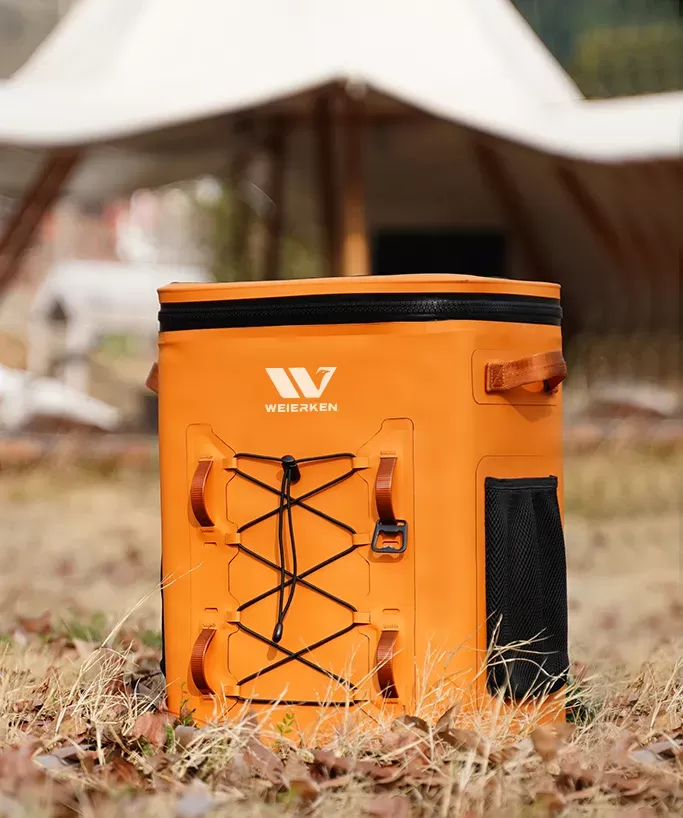

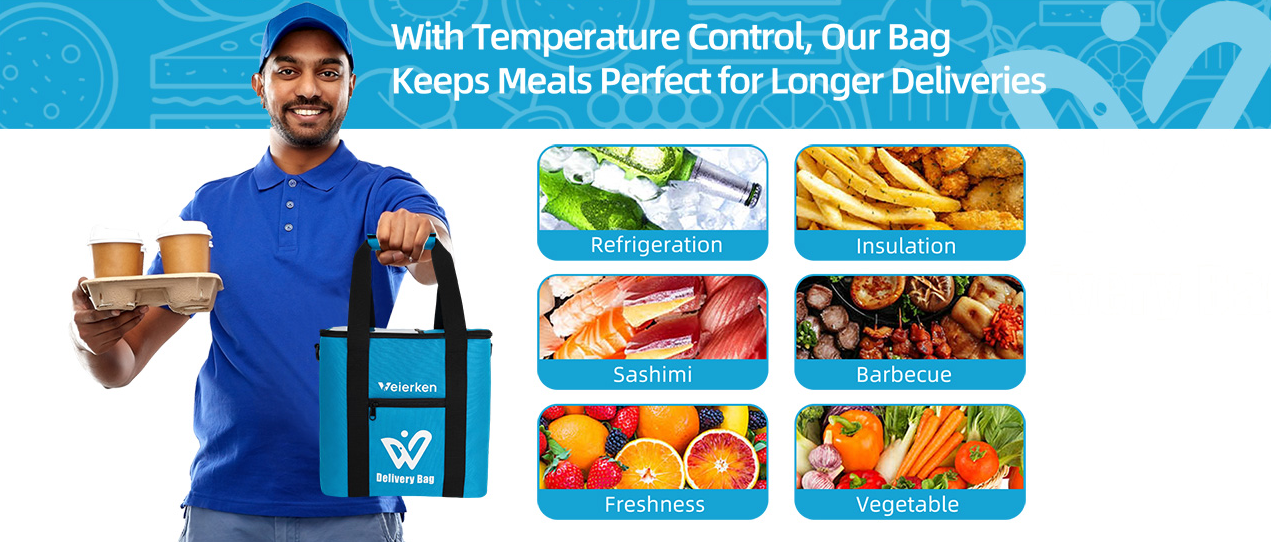
High-volume drink delivery is a harsh proving ground for packaging. When a four-cup takeout order collapses on a customer's doorstep, the cost extends far beyond a refund. Spilled drinks damage brand equity, increase customer churn, and trigger negative app reviews.
Most consumer packaging fails when scaled to commercial operations. Standard paper bags and light plastic sacks cannot handle the dynamic forces of two-wheeler transit. High-volume chains need an engineered solution rather than a simple commodity.
Engineering robust bulk drink carrier bags for beverage chains requires treating packaging as an integrated load-bearing and fluid-control system. At Weierken, our packaging engineers analyze real-world delivery failures to develop structural standards that protect drink integrity from the espresso machine to the customer's hands.
The following six industrial design standards show how commercial beverage brands eliminate transit damage, speed up counter operations, and lower operational overhead.
1. Load-Bearing Mechanics and Base Burst Strength
Carrying multiple beverages creates concentrated, dynamic vertical loads. A four-cup drink order containing 700ml bubble teas or large iced coffees weighs nearly 3 kilograms. When a courier accelerates, brakes, or hits bumps, dynamic loads can double that force.
Standard packaging adhesives and thin paper bottoms rupture under this downward hydraulic shock. Industrial bulk drink carrier bags for beverage chains require precise material metrics to prevent base blowouts:
Edge Crush Test (ECT) and Paper Grammage: Heavy-duty kraft designs must use virgin, long-fiber kraft paper of at least 150 to 180 GSM (grams per square meter). If specifying corrugated carriers, an ECT rating above 32 is mandatory.
Bottom Heat-Seal Integrity: For non-woven polypropylene (NWPP) or PLA composite film carriers, continuous ultrasonic heat-welded seams must achieve a tensile burst resistance of at least 45 N/cm.
Mechanical Interlocking Bases: In paper configurations, auto-locking bottom flaps must distribute shear forces across folded paper planes rather than relying entirely on adhesive lines.
These load specifications ensure the bag maintains structural form, preventing bottom sagging that causes individual cups to shift and topple during transit.
2. Anti-Tilt and Dynamic Center of Gravity Stabilization
Spills rarely occur because a cup leaks through its material; they occur because the cup tilts. Motorcycle and bicycle couriers bank through turns, accelerate rapidly, and make sudden stops. These actions subject drinks to lateral centrifugal forces.
A properly engineered commercial drink carrier must maintain a low center of gravity and lock containers into an upright vertical axis.
To establish dynamic equilibrium during transit, packaging engineers apply strict geometric rules:
Optimized Aspect Ratio: The base width-to-height ratio of the bag should never exceed 1:1.5. Taller, narrow profiles create a top-heavy structure that tips under lateral acceleration.
Integrated Die-Cut Dividers: Avoid relying on separate, loose-fitting pulp trays that slide inside the bag. High-performance bags integrate collapsible, die-cut internal baffles that grip cup tapers firmly around their lower third.
Suspension Geometry: Positioning dividers flush with the bag floor anchors the drink's mass directly over the base panel, keeping the center of gravity centered between the courier's hand or bike mount.
By locking the cups into rigid compartments, these heavy-duty cup carrier bags eliminate the pendulum effect, keeping cups upright even when orders are delivered by aggressive scooter riders.
3. Thermal Management and Condensation Barriers
Liquid temperature presents a major threat to packaging integrity. Condensation from iced drinks and hot steam from specialty coffees degrade bag materials in completely different ways.
Cold drinks sweat profusely in humid conditions. Standard paper fibers absorb this surface condensation within ten minutes. The paper softens, loses tensile strength, and breaks under handle tension. Conversely, hot drinks vent steam through sipping lids. Trapped in an unvented bag, this creates a greenhouse effect that softens plastic lids, causing them to pop off under minor pressure.
Engineered bulk drink carrier bags for beverage chains counter these issues through advanced barrier technology:
Water-Based Barrier Coatings (WBBC): Modern alternatives replace traditional PE liners with recyclable water-based dispersion coatings. These provide an impermeable moisture barrier against iced drink condensation while remaining fully repulpable.
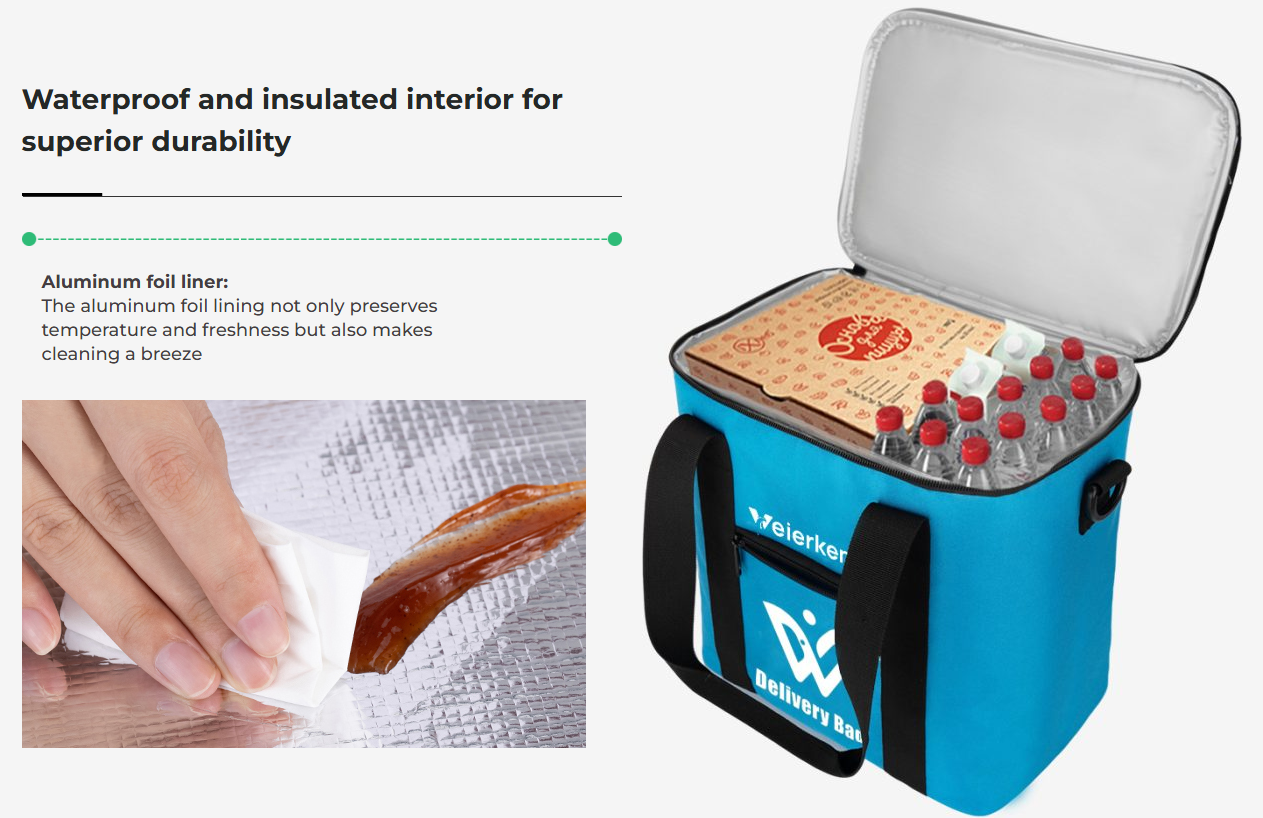
Hydrophobic Internal Finishes: For multi-use composite or non-woven carriers, internal PE or PLA lamination prevents melted ice from penetrating the insulation core.
Engineered Steam Micro-Vents: Hot beverage carriers feature small, die-cut venting apertures near the upper rim. These let pressurized steam escape while keeping heat contained, preventing cup lids from warping or loosening.
4. Operational Ergonomics and Fast-Assembly Design
Store-level labor efficiency directly impacts the profitability of high-volume beverage franchises. During peak morning or afternoon rushes, baristas face intense pressure. Packaging that requires complex folding or separate tray assembly creates expensive bottlenecks.
If store staff spend 15 seconds assembling an intricate cardboard box, packing a four-cup delivery order takes four times longer than it should. Multiply that by 300 delivery tickets per store per day, and the labor cost becomes substantial.
To optimize service speeds, Weierken manufactures commercial drink carriers with rapid-assembly features:
Self-Standing Auto-Bottoms: The bag must pop open and lock its base into place with a single downward push from the employee, taking under two seconds.
Pre-Glued Internal Partitions: Integrated dividers unfold automatically when the outer shell expands. Baristas drop drinks straight into dedicated pockets without adjusting loose components.
Rigid Perimeter Mouth: Reinforced upper rims keep the bag mouth open on the prep counter. This allows baristas to drop cups in smoothly using one hand without the bag walls collapsing inward.
5. Ergonomic Handle Tensile Resistance and Shear Distribution
Handle failure is a catastrophic breakdown in food delivery logistics. When a handle snaps, drinks hit the pavement, ruining the entire order. Furthermore, delivery couriers often carry three or four multi-cup bags simultaneously in a single hand.
Standard twisted-paper or thin die-cut handles cut into hands, restricting blood flow and causing couriers to drop bags. Heavy-duty wholesale takeout drink carriers require commercial-grade handle construction:
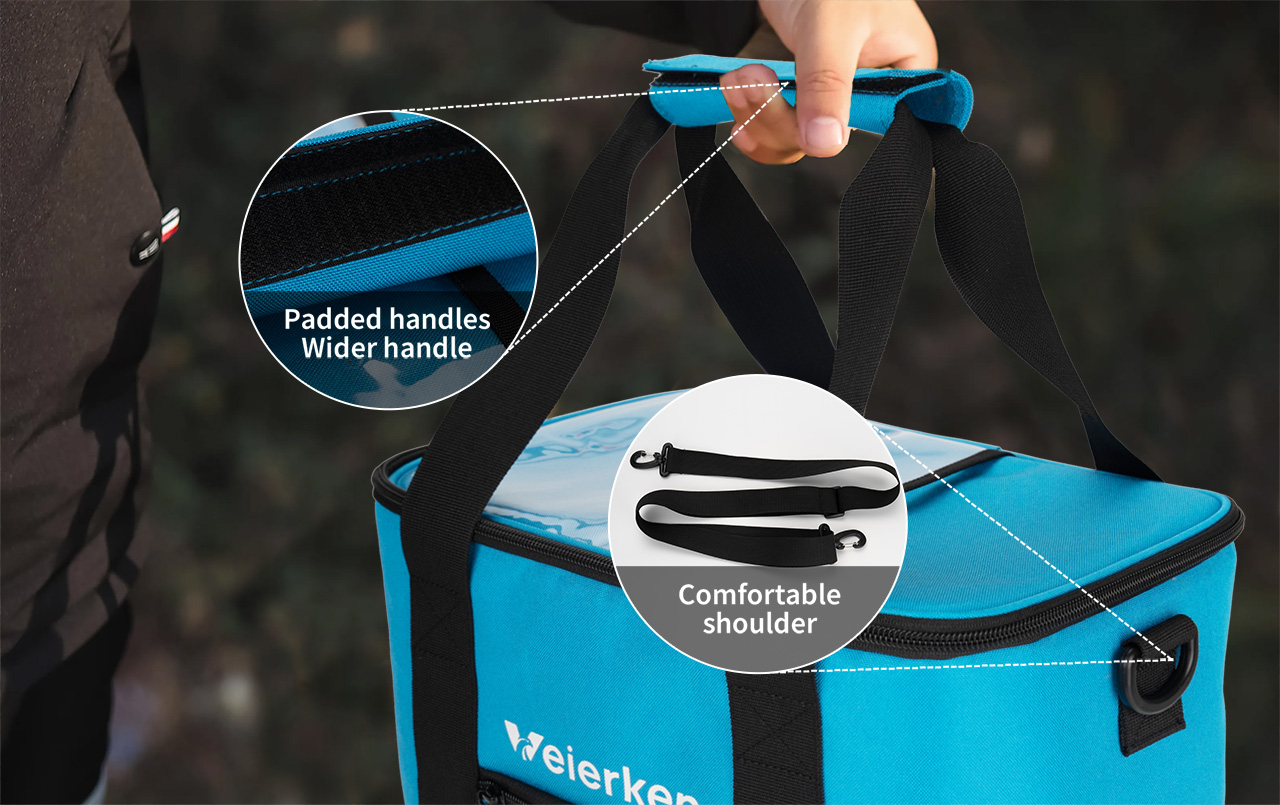
Wide Flat Handles: Utilizing 20mm to 25mm wide flat-woven cotton, flat-folded kraft, or heavy-gauge ribbon handles spreads contact pressure across the courier's fingers, reducing fatigue.
Reinforced Anchor Patches: Handles should never be glued directly to single-ply bag walls. Designers integrate thick internal reinforcement patches (patch handles) that spread vertical pull forces across the bag's upper perimeter.
High Ultrasonic Weld Density: For synthetic and non-woven bags, ultrasonic handle bonding requires patterned cross-stitch welds. These configurations resist high shear stress up to 120 Newtons without delaminating.
This reinforced construction allows couriers to transport heavy multi-drink orders safely, whether walking, mounting scooters, or climbing stairs.
6. Flat-Pack Logistics and ESG Compliance
Packaging operations must make financial sense long before orders reach store prep counters. Beverage chains buy packaging by the container load. Bulk drink carriers that pack down poorly waste valuable warehouse space and drive up ocean freight costs per unit.
At the same time, regional single-use plastic (SUP) bans, corporate sustainability mandates, and extended producer responsibility (EPR) laws require packaging teams to maintain high environmental standards.
Extreme Flat-Pack Ratios: Precision scorelines allow multi-cup bags with integrated dividers to fold flat. High-density packing lets logistics teams fit up to 35% more units per shipping pallet, significantly reducing international freight costs.
Plastic-Free and Glueless Designs: Advanced die-cut mechanical interlocks reduce the need for petroleum-based hot-melt adhesives, simplifying composting and curbside recycling.
Certified Circular Substrates: Materials must comply with certifications like FSC for paper products, or TUV OK Compost Home and BPI certification for bio-based PLA and PBAT liners.
Precision Manufacturing and Brand Consistency at Scale
Running custom beverage packaging engineering across millions of units requires strict quality control. In a beverage chain spanning hundreds of franchise locations, packaging serves as a mobile billboard. Poor printing or structural defects damage customer perceptions of product quality.
Automated high-speed pouch-making equipment must hold tight manufacturing tolerances, typically within +/- 1.0 millimeter. Inconsistent divider sizing causes cups to fit too tightly, which can squeeze lids off, or too loosely, causing cups to rattle and tip.
Furthermore, ink performance matters in wet conditions. Brands invest heavily in precise visual identities. High-volume runs require food-safe, water-based flexographic inks with high rub resistance. When condensation forms on the bag exterior, inks must not smudge, run, or stain car seats, courier clothes, or consumer furniture.
Frequently Asked Questions
Q1: What is the ideal base construction for a 4-cup commercial drink
carrier bag?
A1: An auto-locking hex-bottom or rectangular
crash-lock base reinforced with an integrated die-cut internal divider delivers
the best stability. It ensures the base stays flat under a 3-kilogram fluid load
while automatically popping open in two seconds during kitchen prep.
Q2: How do water-based barrier coatings compare to traditional PE
linings on drink carrier bags?
A2: Water-based barrier coatings
(WBBC) provide comparable moisture protection against condensation while keeping
the bag 100% repulpable and recyclable in standard paper waste streams.
Traditional PE linings require dedicated, expensive separation processes and
face growing restrictions under regional single-use plastic regulations.
Q3: Can these heavy-duty bags accommodate mixed-size cups in a single
order?
A3: Yes. Precision-engineered die-cut dividers feature
flexible accordion pleats or stepped inner flaps. These flex to grip different
cup diameters securely, holding a 350ml espresso drink as safely as a 700ml boba
tea in the adjacent slot.
Q4: Why do handles break on paper delivery bags, and how can chains
prevent it?
A4: Handles usually fail due to peel stress at the glue
joint when bags swing during transit. Chains can stop this by specifying handles
with internal reinforcement patches that convert peel stress into distributed
shear stress across the upper rim of the bag.
Q5: What are the minimum order quantities (MOQs) for
custom-engineered bulk drink carrier bags?
A5: Custom manufacturing
for large beverage chains typically starts at 30,000 to 50,000 units per run.
This volume supports custom die-cutting, tailored divider geometry, and
high-speed multi-color flexographic printing while maintaining a low unit
cost.
Q6: How do integrated divider bags reduce total packaging costs
compared to standard bags paired with pulp trays?
A6: While
integrated bags carry a slightly higher unit cost than basic paper sacks, they
eliminate the need to purchase separate molded pulp trays. They also slash
freight and storage volumes by over 40% and cut counter assembly times in half,
delivering significant net labor and operational savings.
Secure Your Beverage Delivery Chain with Engineered Packaging
Off-the-shelf bags cannot handle the commercial pressures of multi-cup delivery. Protecting hot coffees, iced teas, and delicate blended drinks requires an engineered approach focused on load distribution, moisture control, and store efficiency.
Weierken engineers and produces heavy-duty commercial drink carriers, thermal transport bags, and custom takeout packaging for growing restaurant franchises and international beverage chains. Our automated production lines, strict tolerance controls, and certified sustainable materials help brands reduce delivery refunds and protect customer relationships at scale.
Are you looking to eliminate drink damage across your delivery operations? Contact our packaging engineering team today to request structural samples, review stress-test data, or request a quote for custom production runs tailored to your drink sizes.