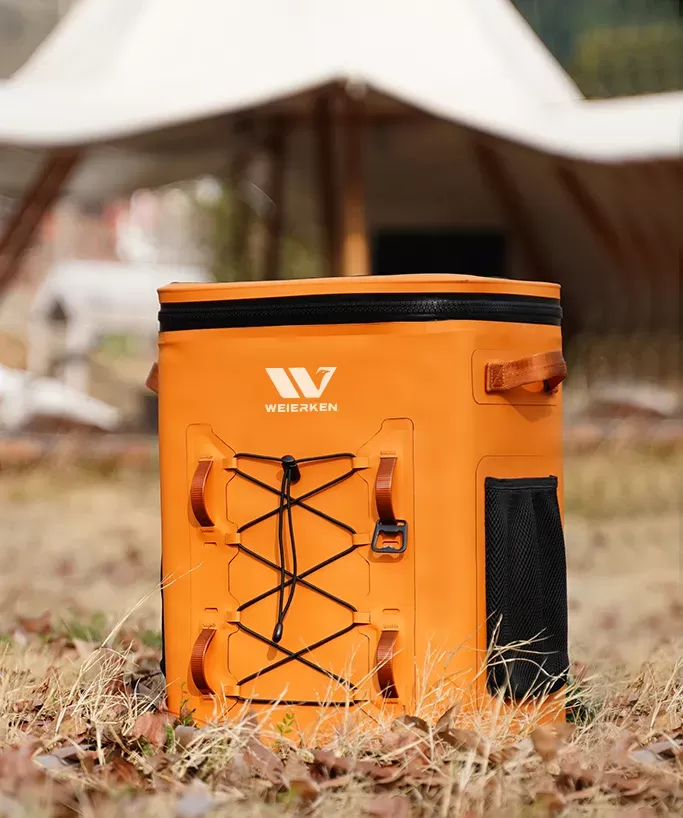

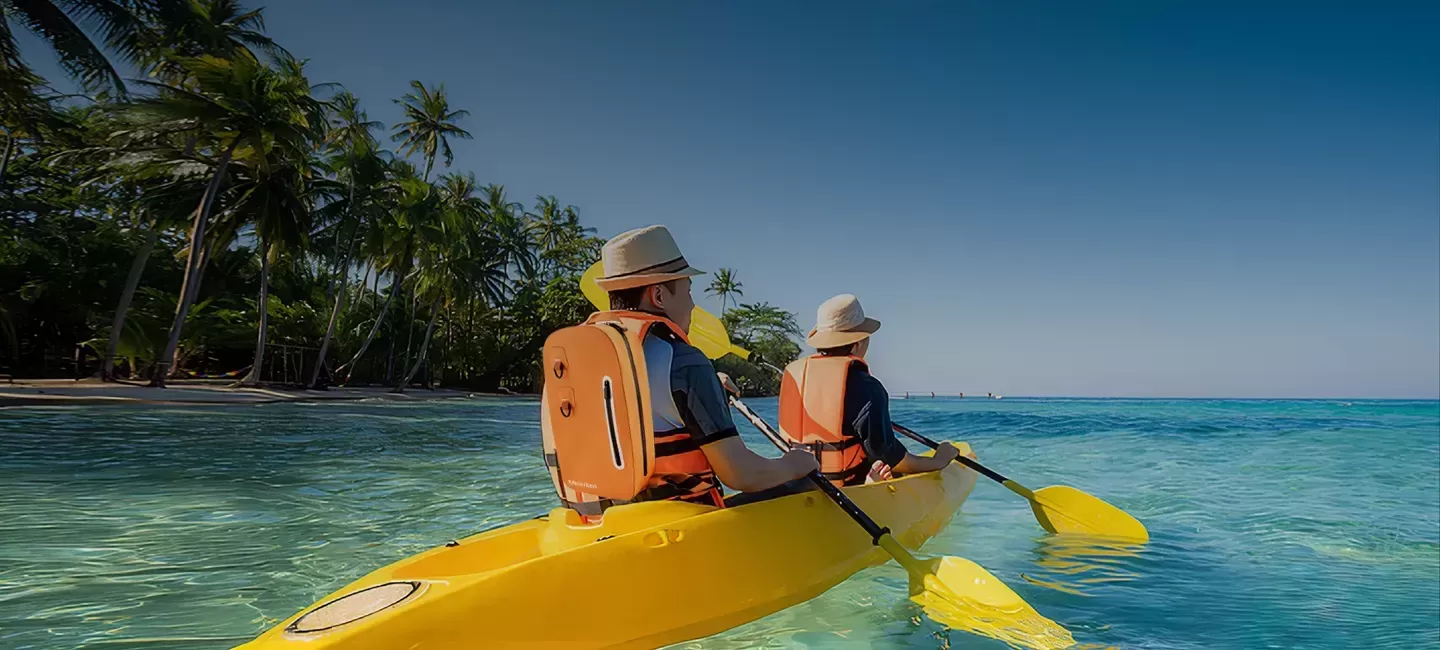
Paddlesports like canoeing, kayaking, and river rafting are growing fast across global outdoor markets. Outfitters, expedition brands, and outdoor retailers need heavy-duty waterproof gear built to handle rugged wilderness conditions.
For canoeists, equipment failure carries serious consequences. A leaking dry pack damages expensive electronics, ruins sleeping gear, and exposes wilderness paddlers to hypothermia risks. Poorly welded seams simply will not survive a canoe capsizing in rough whitewater.
Outdoor gear buyers must look beyond basic splash-proof bags. Finding specialized canoe bag manufacturers with proven high-frequency heat-sealing technology ensures your products remain completely dry under extreme water pressure.
At weierken, we manufacture high-performance waterproof bags and soft coolers designed for demanding marine environments. This guide explains the core waterproof technologies, OEM features, and factory auditing steps you need to select a trustworthy supplier.
Key Waterproof Technologies for Canoe Bags
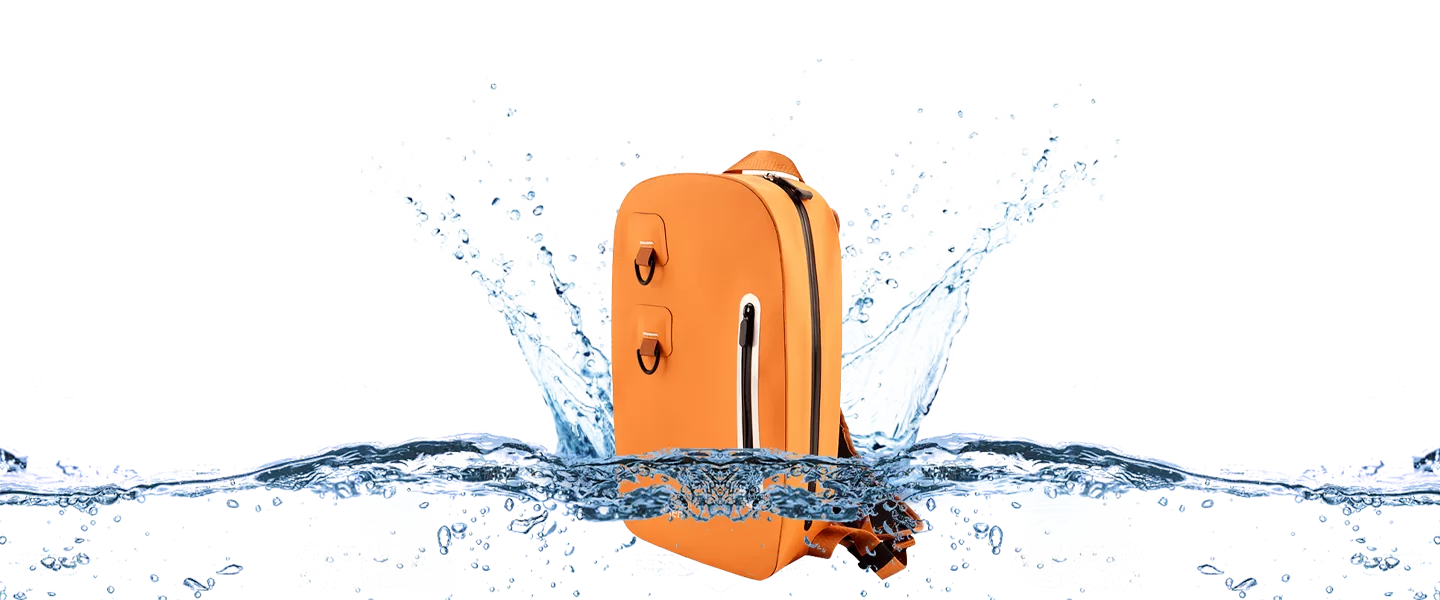
Traditional cut-and-sew manufacturing methods cannot build 100% waterproof canoe packs. True submersion resistance requires advanced thermoplastic materials and high-frequency welding machinery.
1. Seamless Radio Frequency (RF) Welding
Needle holes created during traditional sewing destroy fabric waterproofing. Even taped seams tend to peel away under continuous exposure to sun, sand, and water pressure.
Leading canoe bag manufacturers utilize High-Frequency Radio Frequency (RF) welding technology. RF energy excites the molecules inside coated fabrics, fusing overlapping panels into a single, continuous layer of material.
Zero Needle Holes: Fused fabric layers eliminate water seepage points across all stress seams.
Superior Seam Strength: Welded joints offer equal or greater tensile strength than the surrounding fabric.
Long-Term Durability: Welded bonds do not degrade, peel, or crack under prolonged moisture exposure.
2. Advanced TPU vs. Traditional PVC Fabrics
Selecting the right waterproof fabric impacts flex performance, environmental compliance, and long-term durability in cold river water.
TPU (Thermoplastic Polyurethane): Remains flexible in freezing temperatures, resists UV degradation, offers superior abrasion resistance, and complies with strict environmental standards.
PVC (Polyvinyl Chloride): Lower upfront material cost, but stiffens in cold water, degrades faster under direct sunlight, and contains phthalates restricted in European markets.
High-Tenacity Base Fabrics: Premium canoe packs use 420D or 840D Ripstop Nylon coated with double-sided TPU for maximum puncture resistance.
3. Dual-Sealing Closure Systems and Purge Valves
Waterproof closures must block high-pressure water during accidental capsizing while allowing efficient packing for long wilderness trips.
Classic roll-top closures feature internal stiffening bars, requiring 3 to 4 tight folds before securing side buckles. For 100% submersible applications, manufacturers install IPX7 or IPX8 airtight zippers.
Adding a one-way air release purge valve allows users to press excess trapped air out of the bag. This feature reduces overall packing volume without compromising the waterproof seal.
Canoe-Specific OEM Features You Must Specify
Canoe portaging involves carrying heavy canoes and gear overland between river systems. Professional canoe bags require specialized structural ergonomics that simple dry sacks lack.
1. Heavy-Load Portage Harness Systems
Carrying 30 to 50 kilograms of gear across rugged portage trails requires an ergonomic suspension harness system similar to technical mountaineering backpacks.
Contoured shoulder straps padded with high-density EVA foam and breathable air-mesh padding.
Adjustable sternum straps and load-lifter webbing to stabilize heavy packs on uneven terrain.
Removable, padded waist belts that transfer heavy loads directly off the spine onto the hips.
2. Thwart Tie-Down and D-Ring Networks
Canoe packs must stay securely lashed to canoe thwarts and gunwales to prevent gear loss during rapids or capsizing incidents.
Check that your prospective canoe bag manufacturers weld heavy-duty stainless steel or molded D-rings directly onto reinforced fabric patches. Integrated daisy-chain webbing provides multiple tie-down anchor points along the bag exterior.
3. Reinforced High-Abrasion Zones
Canoe bags scrape repeatedly against gravel beaches, sharp river rocks, and aluminum canoe ribs. Suppliers must reinforce high-impact zones like the bottom base and side panels with double-layered TPU fabric or molded rubber pads.
How to Audit Factory Quality Control and Testing Standards
Never approve bulk production without verifying that a supplier uses rigorous, standardized testing protocols for every batch of waterproof gear.
1. Hydrostatic Head and Submersion Testing
Ask suppliers to demonstrate their hydrostatic pressure testing rigs. Quality factories submerge fully inflated finished bags under one meter of water for 30 to 60 minutes to verify IPX7 waterproof ratings.
Pneumatic pressure inflation tests pump low-pressure air into sealed bags. Pressure sensors monitor the bag over several hours to confirm zero air loss across RF welded seams and watertight zippers.
Established manufacturing facilities like weierken maintain dedicated pressure testing stations to inspect welded seam integrity before final packaging.
2. Tensile, Tear, and Seam Pull Testing
Field failures usually happen at handle connection points and load-bearing harness seams under heavy weight stress.
Confirm the factory conducts electronic seam pull tests to measure force limits before seam separation occurs. Martindale abrasion testers should also evaluate how outer TPU coatings resist repeated friction cycles.
3. Compliance Credentials and ESG Audits
Ensure the facility holds recognized international quality and environmental management credentials:
ISO9001 certification for consistent quality management systems.
BSCI or SEDEX social compliance audits for fair labor conditions.
REACH, RoHS, and California Prop 65 compliance for non-toxic TPU liners.
GRS (Global Recycled Standard) certification for recycled RPET TPU fabric lines.
Common Pitfalls when Sourcing Canoe Bags
Avoiding these typical manufacturing mistakes saves time, reduces product return rates, and protects your brand reputation.
Mistake 1: Contracting Light Dry Sack Factories
Factories that produce lightweight, roll-top dry sacks often lack the heavy-duty RF welding machines required to attach thick 840D TPU fabrics and heavy portage harness assemblies.
Mistake 2: Using Cheap PVC in Cold Water Conditions
Specifying low-cost PVC fabric to save on unit costs often backfires. Cheap PVC hardens rapidly in cold river water, causing cracks along folded roll-top seams after short-term use.
Mistake 3: Neglecting Watertight Zipper Assembly Experience
Airtight zippers require precise heating temperatures during RF welding. Inexperienced factories often overheat TPU fabric near zipper teeth, leading to micro-tears and pressure leaks.
Technical Comparison: Portage Canoe Pack vs. Basic Dry Bag
Understanding structural differences helps procurement managers choose the right specification for their retail target markets:
Basic Outdoor Dry Bag: Lightweight 210D TPU fabric, simple roll-top closure, basic webbing strap, designed for light splash protection inside boat hatches.
Professional Canoe Portage Pack: Heavy-duty 840D TPU Ripstop nylon, RF welded seams, IPX7 watertight zipper or reinforced roll-top, full padded harness system, welded D-rings, reinforced base.
Selecting a Reliable Manufacturing Partner
Choosing experienced canoe bag manufacturers involves evaluating engineering capabilities rather than comparing basic unit quotes.
The right supplier provides custom CAD pattern development, assists with ergonomic harness design, and maintains strict IPX7 pressure testing protocols across every order batch.
At weierken, we bring advanced RF welding technology, premium TPU material networks, and outdoor product engineering expertise to every OEM and ODM manufacturing project.
Start Your Waterproof Canoe Bag Project
Are you looking to expand your paddlesports product line, upgrade to IPX7 watertight technology, or develop custom portage harness systems?
Our engineering team is ready to review your technical specs, supply TPU material swatches, and build physical prototypes tailored to your exact performance targets.
Ready to start your production build? Request a custom quote or order a waterproof test sample with our technical gear specialists today!
Frequently Asked Questions (FAQ)
1. What makes a canoe bag IPX7 waterproof rated?
An IPX7 rating means the bag can withstand complete submersion in water up to 1 meter deep for 30 minutes without allowing water inside. This rating requires RF welded seams and an IPX7-certified airtight zipper or a properly folded roll-top seal.
2. Why is TPU preferred over PVC for canoe portage bags?
TPU remains flexible in freezing water, offers better abrasion resistance against rocks, resists UV cracking under long solar exposure, and does not contain toxic phthalates restricted by environmental regulations in North America and Europe.
3. How do canoe bag manufacturers attach shoulder straps without causing leaks?
Qualified manufacturers weld heavy TPU patch plates directly onto the bag shell using high-frequency RF energy. The shoulder harness straps are then stitched onto these external welded patches, keeping the inner waterproof chamber completely unpunctured.
4. What is the standard MOQ for custom OEM canoe bags?
Minimum order quantities (MOQs) typically range from 500 to 1,000 units per style for standard fabric colors. MOQs depend on custom TPU fabric extrusion requirements and specialized hardware tooling.
5. What is the purpose of an air release purge valve on a canoe dry pack?
An air release purge valve allows paddlers to squeeze excess trapped air out of a sealed roll-top bag. Compressing the air reduces packing volume, making the bag easier to stow tightly inside a canoe hull or haul overland.
6. Can custom canoe bag manufacturers produce GRS-certified eco-friendly products?
Yes. Top manufacturers can build fully functional waterproof bags using GRS-certified RPET (recycled polyethylene terephthalate) base fabrics coated with non-toxic, recyclable TPU films.