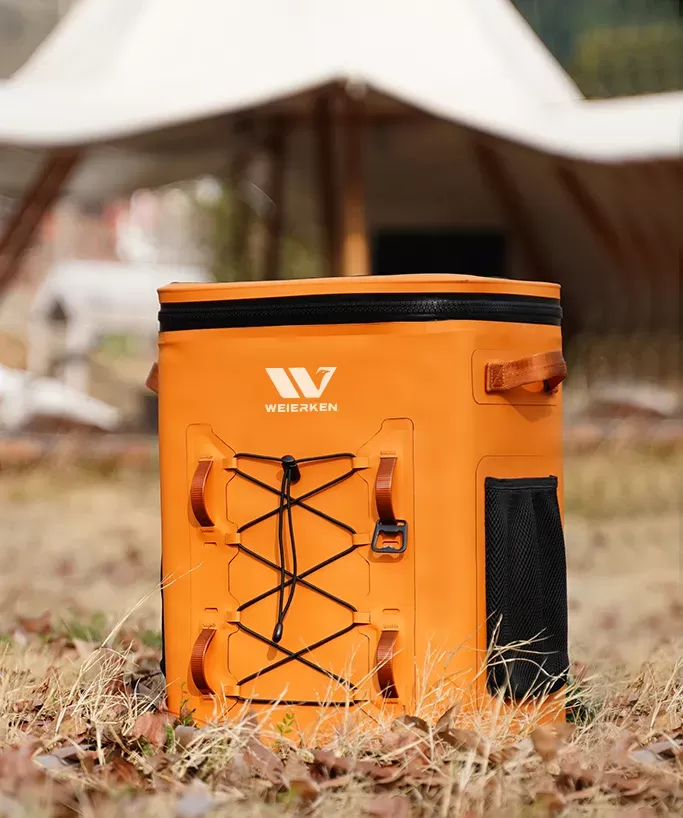

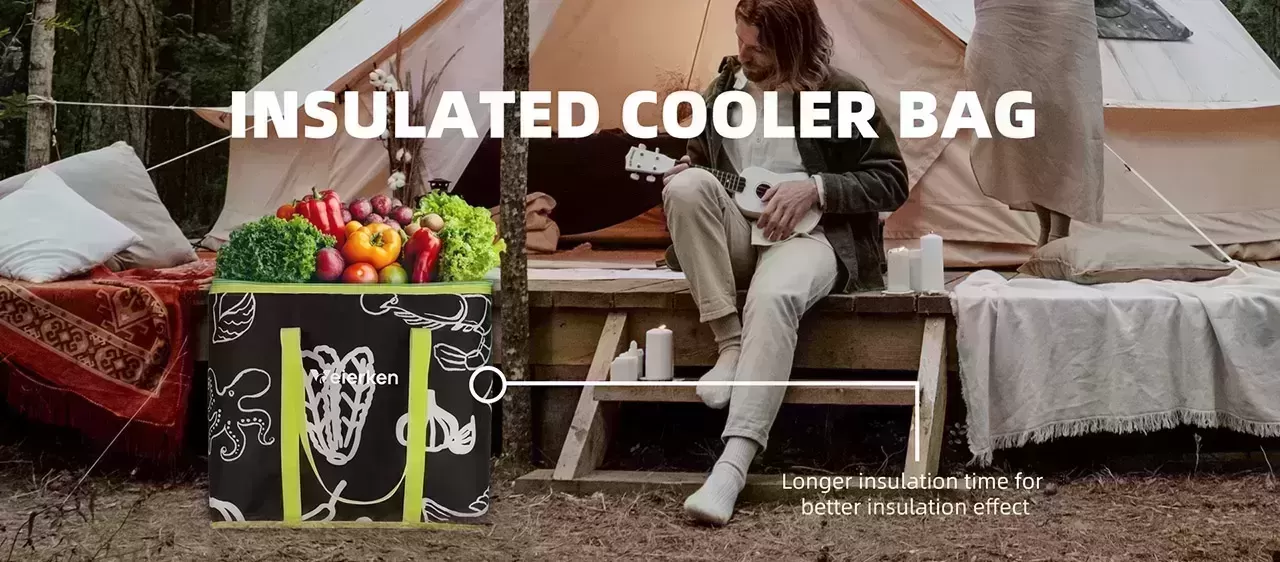
Consumer expectations for cooler bags have shifted significantly over the past few years. Buyers no longer view an insulated tote simply as a utility item for keeping drinks cold. Today, outdoor brands, retail buyers, and gift importers require products that combine high thermal efficiency with sleek aesthetics and absolute fluid containment.
For a sourcing manager, choosing the right partner is crucial to reducing product return rates and increasing retail margins. As an experienced leakproof insulated tote maker, Weierken works closely with global brands to turn these evolving consumer demands into production-ready designs. Below, we examine six major OEM design trends that are currently shaping the soft-sided cooler industry.
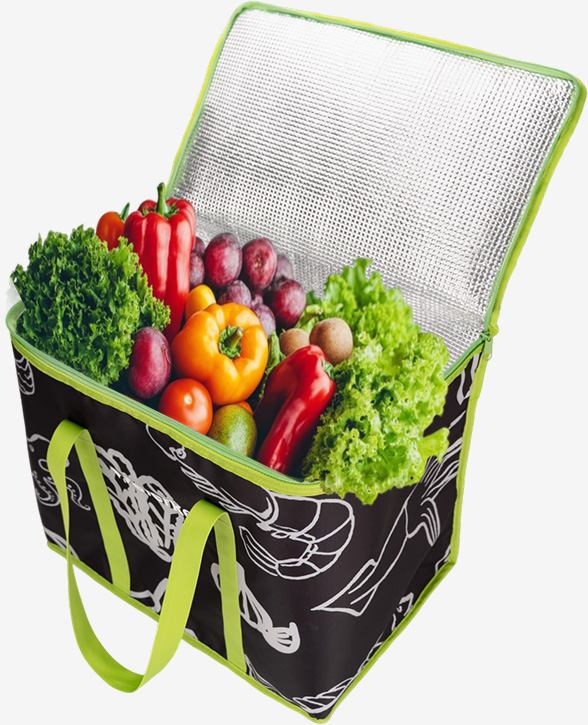
1. RF Welding Technology Replacing Traditional Sewing
Traditional cut-and-sew methods are no longer sufficient for premium cooler bags. When a machine needle punctures fabric, it creates thousands of micro-holes. Even if a manufacturer uses waterproof zippers, melted ice will eventually seep through these needle tracks, leading to customer complaints and high return rates.
To address this core pain point, a reliable leakproof insulated tote maker utilizes Radio Frequency (RF) welding. This process uses electromagnetic energy to heat and fuse materials at the molecular level. The result is a seamless bond that prevents water leakage during heavy use.
Structural Integrity: Fused seams offer superior tensile strength compared to thread-sewn joints.
Zero Pinholes: Eliminating needle punctures ensures the bag remains watertight from the inside out.
Production Focus: This technique requires specialized machinery and precise molds, which we manage during our raw material preparation.
By shifting your product line to an RF welding insulated bag, your brand can offer a truly dependable product. This technological shift helps reduce warranty claims and builds long-term consumer trust.
2. Transition to Certified Eco-Friendly Materials
Environmental compliance is no longer optional for major retail buyers. Importers face strict regulations regarding chemical composition, recycling claims, and supply chain transparency. As a proactive eco-friendly cooler bag manufacturer, we see a growing demand for sustainable fabric options that do not compromise on durability.
The standard material stack is changing. Instead of virgin polyester and toxic PVC linings, modern brands prefer recycled polyester (RPET) for the exterior fabric. For the interior, a TPU leakproof tote is the preferred choice over PVC.
TPU vs. PVC: TPU (Thermoplastic Polyurethane) remains flexible in cold temperatures, does not crack, and is free from harmful plasticizers.
Regulatory Compliance: These materials meet strict FDA, LFGB, and GRS (Global Recycled Standard) requirements for European and North American distribution.
Food-Grade Safety: A certified food-grade TPU liner ensures that melting ice or loose food items do not absorb harmful chemicals.
Using sustainable materials helps brands align with modern corporate social responsibility goals. It also simplifies the customs clearance process for international shipments.
3. From Tool to Fashion: Urban & "Non-Utility" Aesthetics
Historically, soft coolers looked like bulky lunch boxes or commercial food delivery bags. Today, consumers want a bag that fits naturally into multiple settings. The same bag should work for a weekend beach trip, a morning office commute, or a casual picnic in the park.
At Weierken, our design teams focus on clean lines and subdued color palettes. We help clients move away from overly industrial looks by focusing on minimalist designs.
To achieve this modern aesthetic, we utilize several key design elements during the insulated tote OEM trends development phase:
Muted Color Tones: Earthy shades, sage greens, and Morandi tones are replacing bright, neon utility colors.
Premium Textures: Canvas-textured TPU coatings and matte finishes give the exterior a high-end feel.
Hidden Hardware: Concealed strap attachments and streamlined webbing loops maintain a clean profile.
This design shift helps brands position their products at higher price points. By making the cooler bag look like a high-end fashion tote, you can attract customers who value both style and function.
4. Modular Organization and Wet/Dry Separation
A major consumer complaint about traditional cooler bags is that everything gets mixed together. Heavy cans crush delicate fruits, and dry sandwiches become soggy as ice melts. To solve this, smart brands are requesting modular interior structures from their leakproof insulated tote maker.
Adding organized compartments helps differentiate your product on e-commerce platforms like Amazon, where functional features drive purchasing decisions.
Removable Inserts: High-density EVA foam dividers allow users to customize the internal space based on their needs.
Exterior Dry Pockets: Splash-proof zippered pockets keep phones, keys, and utensils separate from the wet main compartment.
Dedicated Tool Loops: Integrated webbing straps hold bottle openers, keys, or lightweight accessories secure.
When purchasing custom insulated tote bags bulk shipments, incorporating these smart storage features adds real value. It gives your marketing team clear, functional benefits to highlight in product listings.
5. Optimizing Logistics with Lightweight, Collapsible Designs
Heavy, rigid rotomolded coolers are expensive to ship and store. For online sellers, the dimensional weight of a large hard cooler can quickly eat into profit margins. A major focus for modern OEM production is creating lightweight, collapsible soft coolers that still offer excellent thermal performance.
The key is balancing the thickness of the insulation layer with the flexibility of the outer shell.
Optimized Foam Insulation: Using high-performance EPE (Expanded Polyethylene) or NBR (Nitrile Rubber) foam provides good thermal retention at a reduced thickness.
Flexible Folding Lines: Strategic crease patterns in the bag's side panels allow it to fold flat when empty.
Reduced Freight Costs: Flat-packed soft coolers take up significantly less warehouse space and lower shipping costs per unit.
This design balance helps reduce warehousing and FBA fees. Brands can ship more units per container, improving overall supply chain efficiency.
6. High-Performance Airtight and Watertight Zippers
An insulated bag's zipper is often its weakest link. Warm air can enter through standard zipper teeth, while melting water can seep out if the bag tips over. High-performance soft coolers now rely on specialized zipper systems to solve this issue.
When sourcing from a premium leakproof insulated tote maker, choosing the right closure mechanism is essential for proper insulation.
Airtight Zippers: These zippers seal tightly to prevent cool air from escaping, keeping ice cold for up to 24 to 48 hours.
T-Bar Pullers: Because airtight zippers require more force to open, ergonomic pulls make daily use much easier.
Welded Zipper Paths: Rather than sewing the zipper to the bag body, we RF-weld the zipper tape directly to the TPU shell to ensure a continuous seal.
While airtight zippers increase production costs, they position your product alongside premium outdoor brands. This allows you to target high-end buyers who are willing to pay more for reliable performance.
Our Manufacturing Process and Quality Controls
At Weierken, we understand that a great design is only successful if it can be manufactured reliably. We focus on consistent quality control at every stage of the production cycle. Our facilities are set up to handle complex designs while maintaining strict quality standards.
Each batch of raw materials undergoes physical testing before entering the assembly line. Our quality assurance protocol includes several key steps:
Material Tension Testing: Ensures the TPU outer shell can withstand abrasion and heavy loads.
Seam Pressure Testing: We pressure-test our welded seams to verify they are watertight before final packaging.
Thermal Retention Control: Regular batch testing helps monitor insulation consistency across production runs.
We work closely with your procurement team to ensure that all custom specifications are met on time and within budget.
Frequently Asked Questions (FAQ)
1. What is the typical Minimum Order Quantity (MOQ) for custom insulated totes?
For custom OEM designs involving RF welding or specific colorways, our standard MOQ typically starts at 500 to 1,000 units per style. This requirement helps offset the setup costs for specialized welding molds and custom fabric dye lots.
2. How do you test if the insulated bags are truly leakproof?
We perform inflation and water immersion tests on our production lines. We seal the bag, inflate it with air, and submerge it in water to check for bubbles. We also conduct practical 24-hour water-fill tests on random samples from each batch to ensure there is no seam leakage.
3. Can we use recycled materials for both the exterior and lining?
Yes. We can source GRS-certified recycled polyester (RPET) for the outer fabric. For the lining, we recommend food-grade TPU, which is a safer, more eco-friendly alternative to PVC and complies with European LFGB and US FDA standards.
4. What is the average lead time for a custom OEM project?
Generally, sample development takes 7 to 14 days, depending on design complexity. Once the sample is approved and the deposit is received, mass production typically takes 35 to 45 days. This timeline can vary based on material availability and the production season.
5. How do soft-sided coolers compare to hard rotomolded coolers in terms of shipping costs?
Soft-sided coolers are much more cost-effective to ship. Because they are flexible and can often be flat-packed, they take up less volume in shipping containers. This reduces your overall sea freight and domestic warehousing costs compared to bulky, rigid hard coolers.
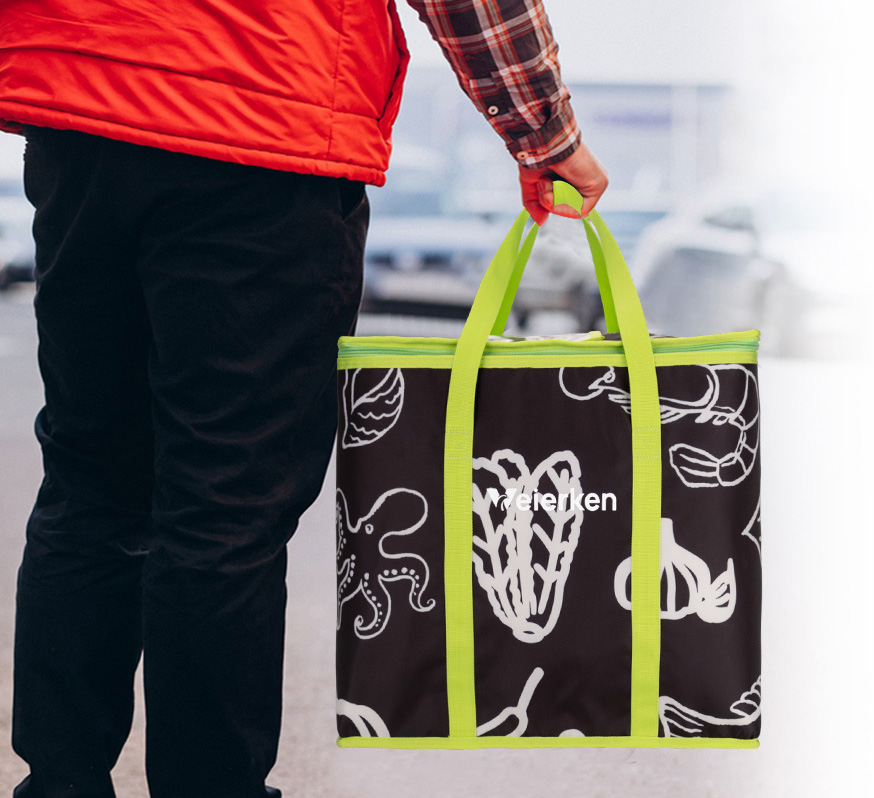
Partner with an Experienced OEM Manufacturer
Developing a successful product line requires a manufacturing partner who understands both design trends and production realities. Weierken provides reliable, high-performance soft cooler manufacturing services tailored to your brand's needs.
If you are looking to update your product line with dependable, stylish, and high-quality insulated bags, we are here to help. Contact our engineering and sales team today to discuss your specifications, request a sample, or receive a detailed production quote.