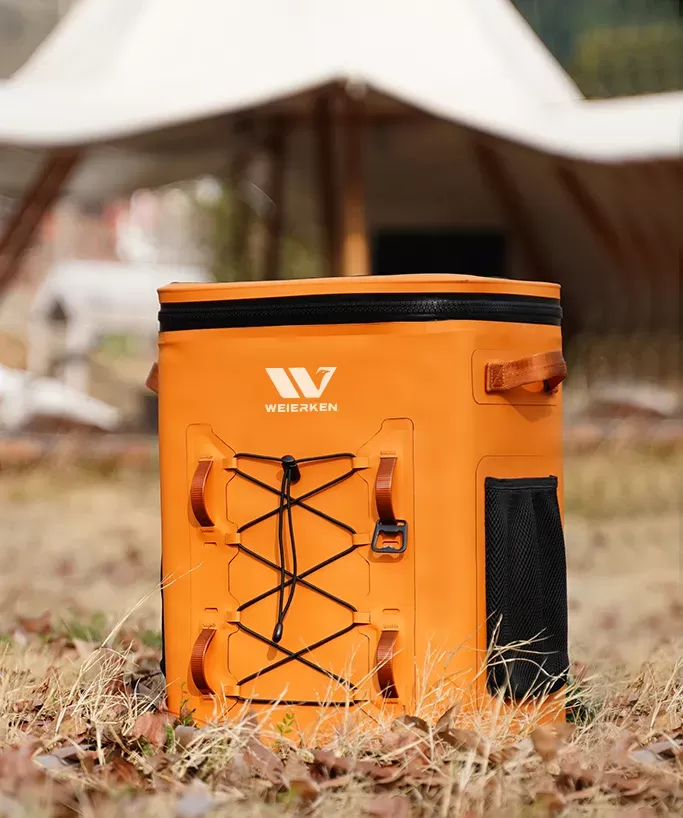

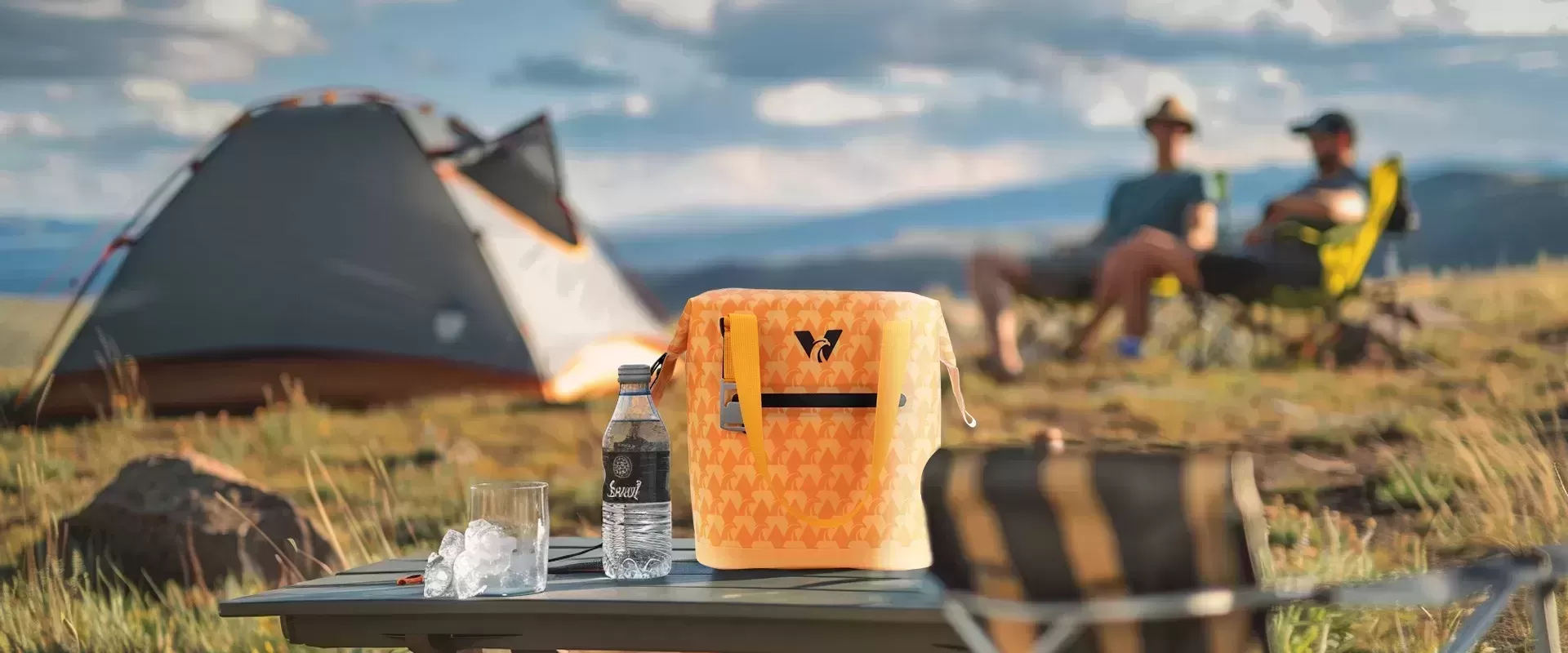
Thermal bags have moved far beyond their traditional, utilitarian origins. Once considered simple tools for carrying frozen groceries or industrial lunches, these products are now lifestyle accessories. Today's consumers demand high-performance utility, sustainable sourcing, and modern design aesthetics.
For DTC brand founders, product managers, and corporate gift buyers, meeting these expectations requires a capable manufacturing partner. A modern leakproof thermal bag maker does not just replicate outdated designs. Instead, they act as design consultants, introducing advanced materials, clean aesthetics, and reliable construction techniques.
In this article, we explore the custom options that professional suppliers, such as weierken, offer to help brands succeed. From recycled materials to smart structural designs, here is what a progressive **custom insulated bag manufacturer** can bring to your product development pipeline.
Eco-Friendly Material Customization Trends
Environmental responsibility is no longer a niche marketing point; it is a baseline expectation for modern consumers. When choosing an eco-friendly thermal bag OEM, look for suppliers who offer fully certified green materials that do not compromise on durability.
GRS-Certified Recycled Polyester (RPET)
RPET has become the fabric of choice for exterior shells. Made from post-consumer recycled plastic bottles, this material reduces reliance on virgin petroleum products. A qualified factory should offer:
Verified Supply Chains: Clear documentation, including Global Recycled Standard (GRS) certificates, to verify the fabric's origin.
Various Finishes: Options for heavy-duty ripstop weaves, canvas-like textures, or smooth matte finishes, all made from recycled fibers.
Durable Performance: Tensile strength and colorfastness ratings that match or exceed traditional virgin polyester.
Non-Toxic, Biodegradable Liners
A responsible leakproof thermal bag maker avoids the use of polyvinyl chloride (PVC) for interior linings. PVC contains harmful plasticizers and becomes brittle under cold temperatures. Modern alternatives include:
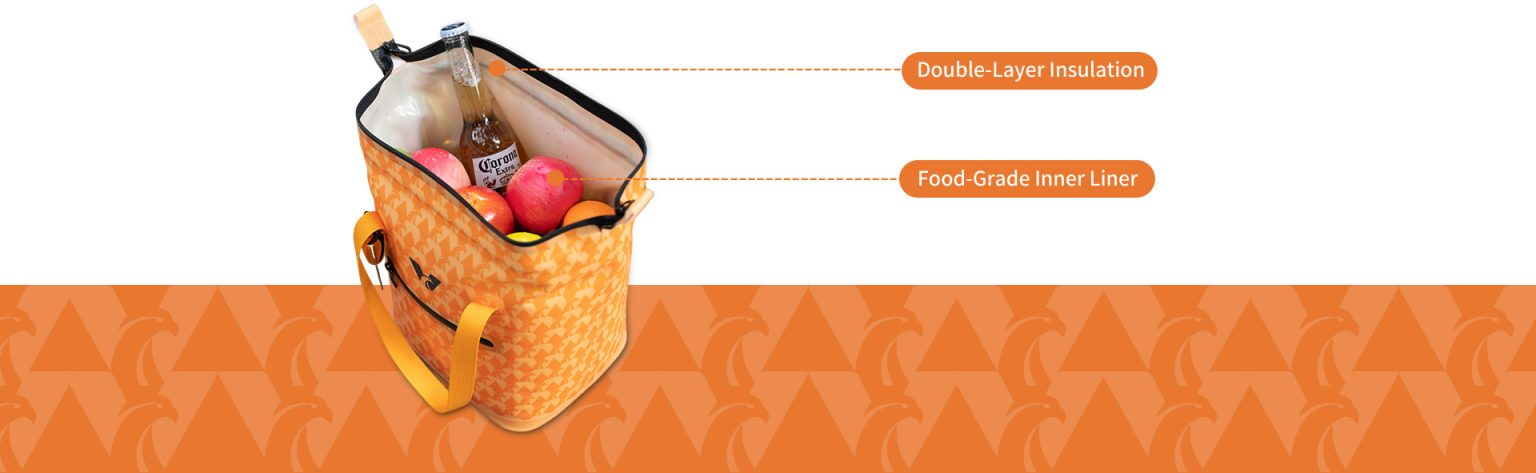
Food-Grade TPU (Thermoplastic Polyurethane): This elastomer is highly flexible, abrasion-resistant, and entirely non-toxic. It maintains its elasticity in freezing conditions, preventing the pinhole cracks that lead to leaks.
High-Quality PEVA (Polyethylene Vinyl Acetate): An eco-friendly, chlorine-free material that is easy to clean, safe for direct contact with food, and highly cost-effective for **wholesale custom lunch bag** lines.
Fluorine-Free Water Repellents (PFC-Free DWR)
To keep the outer bag dry and stain-resistant, factories apply a durable water repellent (DWR) coating. Many international markets are banning perfluorinated chemicals (PFCs/PFAS due to their environmental persistence. Modern manufacturers use eco-friendly, fluorine-free water-repellent treatments that satisfy international regulatory requirements.
Aesthetic Design and Lifestyle Integration
To appeal to modern outdoor enthusiasts and urban professionals, thermal bags must blend in with contemporary fashion. Factories now offer sophisticated aesthetic customization options to help brands move away from a basic industrial look.
Contemporary Color Palettes
Bright, saturated primary colors are no longer the default choice for premium bags. Instead, brands are choosing subtle, earth-toned, and neutral palettes:
Earth Tones: Desert sand, olive drab, forest green, and rich clay colors that appeal to outdoor adventurers.
Morandi Shades: Soft, desaturated grays, muted blues, and dusty pinks that look elegant in office environments or chic picnic settings.
Minimalist Hardware: Color-matched zippers, matte-finished plastic buckles, and subtle brand tags that maintain a clean exterior profile.
Hybrid and Dual-Compartment Structures
Utility is about smart space management. Modern bag architectures often feature dual-compartment or dry-wet separation designs:
The bottom compartment is fully welded and waterproof, designed to hold ice packs and drinks without risk of leaking. The upper compartment uses a stitched, breathable construction, making it ideal for dry snacks, cutlery, or personal electronics. Roll-top designs also allow users to adjust the bag's capacity depending on the contents.
Ergonomic Carrying Systems and Integrated Utilities
A comfortable carrying experience is essential for travel and outdoor use. Advanced factories design bags with wide, padded shoulder straps made of breathable air mesh. They also integrate small, useful features like hidden zipper pockets, integrated bottle openers, and magnetic key fobs to improve daily utility.
Advanced Manufacturing Solutions for True Leakproof Performance
A bag's aesthetic appeal is meaningless if it fails to perform its core function. True leakproof performance relies on advanced sealing technologies that eliminate traditional seam failures.
At weierken, we address this challenge through precise technical execution. By investing in modern welding systems and high-grade sealing components, we provide brands with durable products that stand up to real-world use.
Seamless Heat-Welding Processes
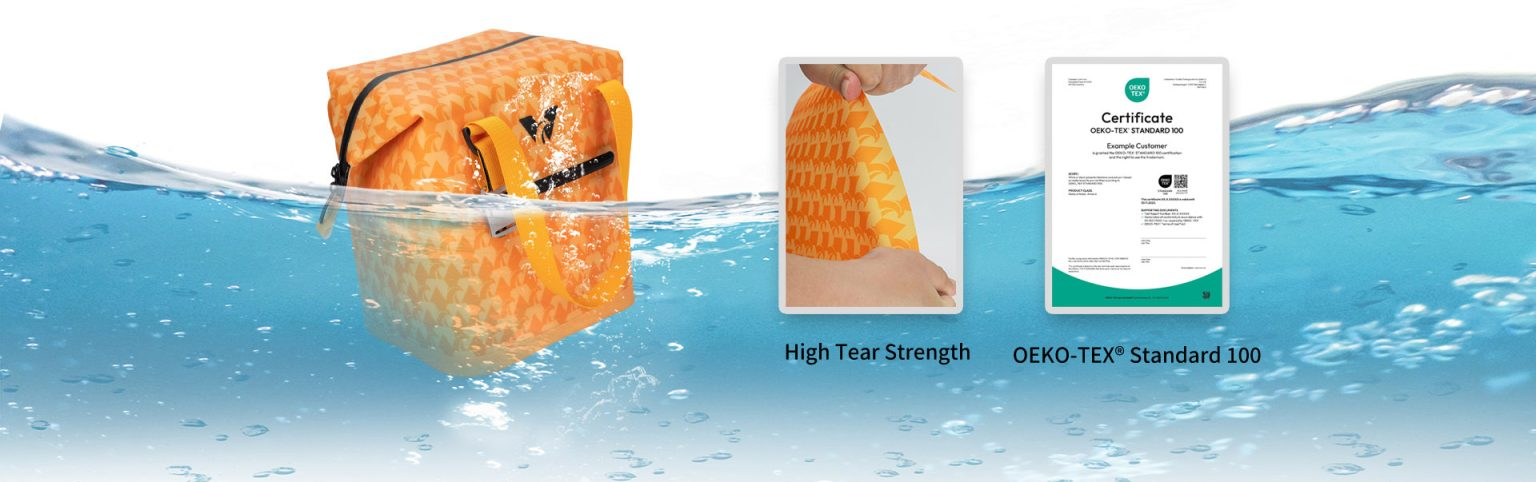
Traditional sewing needles leave thousands of tiny entry points for water. A reliable leakproof thermal bag maker replaces sewing needles with high-frequency (HF) or ultrasonic welding for the inner lining.
This process applies targeted electrical or ultrasonic energy to the overlapping edges of the thermoplastic material. The molecules fuse together, forming a single, continuous sheet. This seam is completely waterproof and stronger than the base material itself, ensuring reliable protection against leaks.
Airtight and Waterproof Zippers
For high-performance outdoor cooler bags, standard coil zippers are a major point of thermal loss and water leakage. Modern manufacturers offer specialized airtight zippers:
Rubberized Zipper Tape: The zipper teeth are sealed within a polyurethane or rubber tape that blocks air and water exchange.
Interlocking Tooth Designs: These designs create a tight seal that keeps cold air inside and prevents water from escaping, even when the bag is upside down.
Extended Thermal Retention: Minimizing air exchange helps these bags keep ice frozen for up to 48 hours or more.
Collaborating with a Modern OEM Partner
Bringing a complex, multi-layered product to market requires close cooperation between your product team and the factory. Understanding how modern factories handle prototyping and production helps you plan a smoother launch.
Flexible Customization and Manageable MOQs
Customizing fabric colors and specialized hardware often requires high minimum order quantities (MOQs) from material suppliers. A supportive **custom insulated bag manufacturer** helps brands manage this risk by:
Keeping a stock of premium fabrics in popular neutral colors, allowing you to order smaller production runs.
Offering standard mold options for popular hardware designs, saving you the high cost of custom tooling molds.
Providing modular designs where the basic shell remains the same, but you can customize the colors of straps, pockets, and zippers.
Rapid Prototyping and 3D Modeling
Traditional prototyping can take weeks as paper patterns are hand-cut, sewn, and shipped back and forth. Modern factories shorten this cycle by using 3D computer-aided design (CAD) software. This technology lets you visualize the bag's shape, volume, and color placement on a screen before any fabric is cut, saving weeks of development time.
Frequently Asked Questions
What makes a thermal bag truly leakproof?
A thermal bag is truly leakproof when its inner lining has no needle holes. This is achieved by using high-frequency or ultrasonic heat-welding to fuse the lining seams together. Bags that rely on traditional stitching, even with waterproof fabrics or seam tape, are highly prone to leaking over time.
How do eco-friendly DWR coatings differ from traditional finishes?
Traditional durable water repellent (DWR) coatings contain perfluorinated chemicals (PFCs/PFAS), which are harmful to the environment. Eco-friendly, PFC-free DWR coatings use silicone or vegetable-based waxes to repel water from the bag's exterior shell without releasing persistent chemicals into the ecosystem.
Can a thermal bag keep food warm as well as cold?
Yes. The insulation layer (such as closed-cell foam) and the reflective inner lining work in both directions. They block external heat from warming cold items and prevent internal heat from escaping when carrying warm food. A high-quality bag is equally effective for keeping meals hot or cold.
What certifications should I look for in an eco-friendly thermal bag factory?
You should look for factories with GRS (Global Recycled Standard) certification to verify recycled materials, ISO 9001 for consistent quality management, and BSCI or SMETA audits to ensure fair, safe, and ethical labor practices.
How does a roll-top closure compare to a zipper?
Roll-top closures are highly reliable and virtually leakproof because they eliminate the zipper entirely. They are also highly adjustable, allowing users to roll the top down further to compress the bag when it is not full. However, zippered closures offer faster, more convenient access to the bag's contents.
Partner with a Progressive Leakproof Thermal Bag Maker
The thermal bag market is changing as consumers demand better performance, smarter design, and sustainable materials. To stand out, brands need a manufacturing partner who can deliver on all three fronts.
At weierken, we combine technical expertise with a deep understanding of current market trends. As an experienced custom insulated bag manufacturer, we offer GRS-certified recycled fabrics, high-frequency seamless welding, and modern structural designs to help your brand grow.
Let us help you bring your next product line to life. Contact our product development team today to discuss your design ideas, request a sample, or get a production quote.
Inquire About Your Project Now