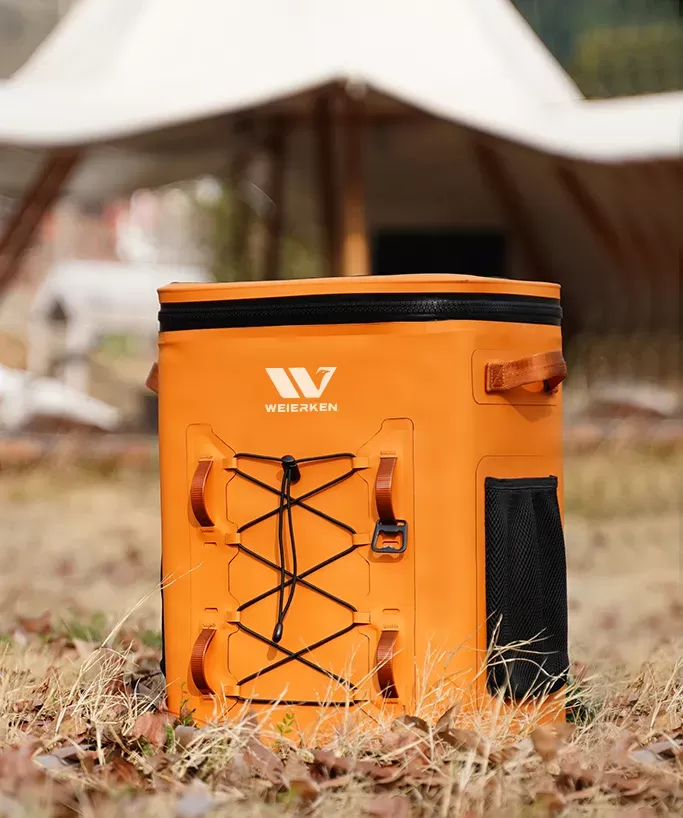

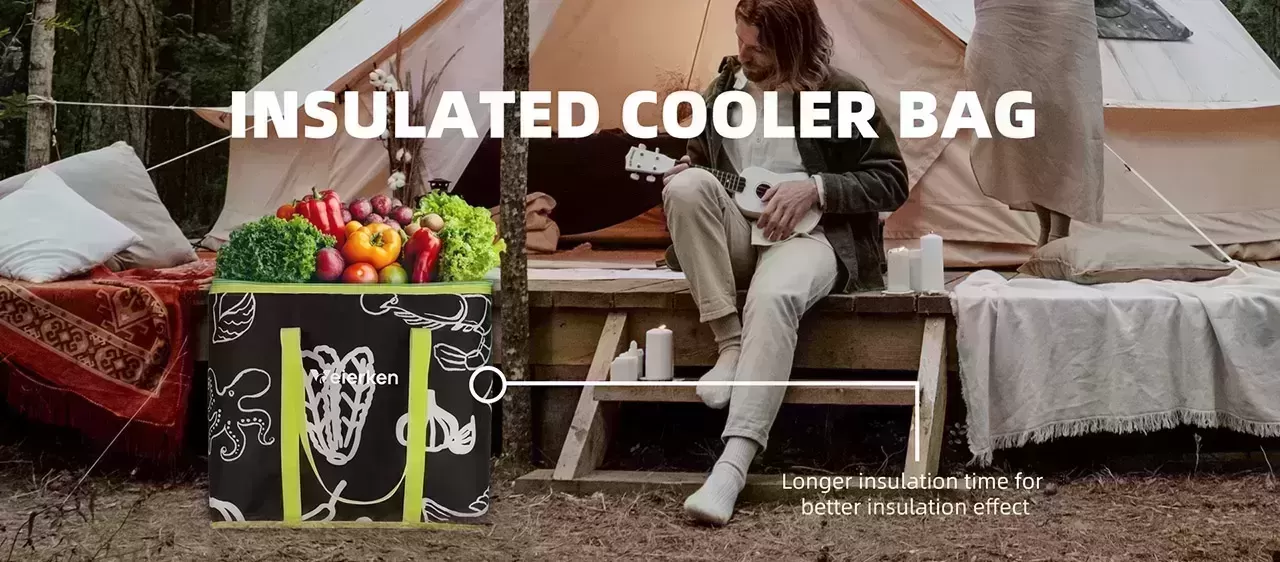
Buying stock insulation bags is simple, but developing a custom OEM thermal tote is different. For dairy brands, cold chain home-delivery services, and fresh food retailers, a custom tote is a vital part of the cold chain. It protects sensitive products like organic milk, fresh yogurt, and specialty cheeses from spoiling.
A failed thermal bag leads to sour milk, bad customer reviews, and lost revenue. When you transition to custom manufacturing, you must perform a strict supplier audit. Brands like weierken establish structured quality systems specifically to help B2B buyers navigate this process safely.
This article provides a practical framework for auditing a dairy insulated tote maker. We will focus on R&D capacity, material validation, assembly line technology, and quality control systems.
1. Assessing R&D and Rapid Prototyping Capabilities
A custom OEM project begins with a concept. You might provide a 3D CAD file, a hand-drawn sketch, or a physical mock-up of a milk bottle carton. Your prospective dairy insulated tote maker must have the engineering skill to translate these ideas into functional, mass-produced items.
During your audit, evaluate the manufacturer's sample room and engineering department. Look for these key capabilities:
Structural Engineering Staff: The factory should employ dedicated pattern makers who understand thermal dynamics, weight distribution, and fabric tension.
Fast Sample Turnaround: A professional custom OEM thermal bag factory should produce an initial physical prototype within 3 to 7 working days.
Tooling and Pattern Accuracy: Examine the sample room's output. Check if the prototype's stitching density, raw edge margins, and heat-sealed seams match the specifications of your design files.
If a supplier struggles to create an accurate sample, they will likely face quality issues during mass production. Ensure their R&D team can provide structural advice to improve thermal performance before tooling begins.
2. Material Library and Hardware Customization
Dairy products are heavy and prone to condensation. This means your cold chain bag manufacturer must have a well-stocked material library. They must source durable, food-grade materials that can withstand cold temperatures without cracking.
Outer and Inner Lining Options
A qualified dairy insulated tote maker should offer a wide range of material selections:
Outer Shells: Heavy-duty, water-resistant Oxford fabrics (600D or 1680D), durable Tarpaulin, or TPU-coated fabrics that resist tearing.
Thermal Core: Varying thicknesses of Expanded Polyethylene (EPE) foam, Cross-linked Polyethylene (XPE) foam, or high-performance sponge layers.
Food-Contact Linings: Food-grade PEVA, aluminum foil laminate, or thick TPU linings. These must be easy to clean and certified safe from heavy metals.
Hardware and Accessories Verification
The zipper is usually the first part of a thermal bag to fail. Auditing your supplier's hardware choices is critical for long-term product durability.
Ask if they supply brand-name zippers like YKK or custom waterproof zippers that prevent cold air from escaping. Check the load-bearing capacity of the plastic buckles, metal D-rings, and nylon webbing straps. These components must carry heavy milk bottles without failing.
Working with a supplier like weierken gives you access to tested, reliable hardware options. This ensures your custom tote survives hundreds of delivery cycles.
3. Production Equipment and Technical Competence
A factory visit is the best way to verify a supplier's manufacturing capabilities. Do not rely on beautiful website photos. Walk the production floor and inspect their machinery.
For custom dairy bags, look for two main manufacturing technologies:
High-Frequency Welding Machines
Stitched linings leak when condensation builds up inside the bag. To prevent this, a professional dairy insulated tote maker must use high-frequency welding machines.
This process uses electromagnetic energy to fuse the edges of PEVA or TPU lining sheets. It creates a 100% waterproof, seamless leak-proof lining. If a factory only offers stitched inner linings, they cannot guarantee a leak-proof product for heavy dairy deliveries.
Automation and Consistency
Human error leads to size variations and weak seams. Check if the factory uses computerized fabric cutting machines and automated sewing stations.
Automated cutting guarantees that every piece of fabric matches your pattern perfectly. Computerized sewing machines ensure consistent stitch patterns. This maintains uniform strength across all stress points on the bag.
4. Quality Control (QA/QC) and Testing Protocols
A reliable OEM partner must have a complete quality control system. Your factory audit checklist should verify their processes at every stage of production.
| QC Stage | Testing Actions | Acceptance Criteria |
|---|---|---|
| IQC (Incoming Quality Control) | Measure foam thickness; inspect foil reflectivity; test fabric tensile strength. | Zero tolerance for thin foam; material batch colors must match approved samples. |
| IPQC (In-Process Quality Control) | Check printing alignment; inspect heat-sealed seam strength; verify sewing stitch density. | No raw edges visible; heat-welded seams must withstand manual pulling. |
| FQC (Final Quality Control) | Conduct load-bearing drop tests; run zipper cycle tests; perform thermal camera inspections. | No structural tears after 1.2-meter drop; zippers must run smoothly under load. |
Ask the manufacturer if they have an in-house laboratory. They should have thermal testing chambers, tensile testers, and color boxes to verify dye lot consistency. If they lack testing equipment, ask how they verify performance parameters.
Intellectual Property Protection and Social Compliance
When you develop a custom bag, you invest in unique features, branding, and structural innovations. Protecting this intellectual property (IP) is crucial.
A trustworthy dairy insulated tote maker will sign a comprehensive Non-Disclosure Agreement (NDA) before you share any drawings. During your audit, check how they secure customer design files. Make sure they do not display custom client products in their public showrooms or online storefronts without permission.
Additionally, check their social compliance certifications. Global retail markets require suppliers to meet ethical manufacturing standards. Ensure the factory holds updated audit reports from recognized bodies like:
BSCI (Business Social Compliance Initiative)
Sedex (SMETA audit)
ISO 14001 (Environmental Management)
Your On-Site Factory Audit Checklist
Use these specific, technical questions during your next factory audit to evaluate potential suppliers:
"How do you store and secure our digital CAD files and custom design patterns?"
"What percentage of your production lines use automated cutting and sewing machinery?"
"How do you test the thermal performance of a finished custom tote? Can you provide a sample test report?"
"What is your tolerance standard for foam thickness variance during incoming quality inspections?"
"Do you have a metal detection process for finished bags before they are packed into export cartons?"
Frequently Asked Questions
1. What is the standard MOQ for a custom OEM dairy insulated tote?
For fully custom bags with bespoke sizing, custom-dyed fabrics, and private labeling, the minimum order quantity usually ranges from 1,000 to 2,000 pieces. This depends on raw material minimums.
2. How do factories print custom logos on insulated bags?
Factories use silk-screen printing for simple logos, rotogravure printing for complex multi-color designs, or heat transfer printing for photographic designs. Always ask about ink durability and migration testing to ensure food-grade safety.
3. Why is a seamless heat-pressed lining essential for dairy bags?
Cold dairy products produce condensation. Traditional stitched linings let moisture seep into the interior foam layer. This leads to mold, bacteria growth, and bad odors. Seamless heat-pressing keeps the liquid contained and easy to sanitize.
4. How can we verify if the insulation foam inside the bag is actually food-grade?
A reputable factory must provide REACH, RoHS, or FDA test reports from independent testing companies like SGS, Intertek, or TÜV. These reports prove the foam is free from toxic plasticizers.
5. What is the typical development cycle for a custom bag?
The entire development process takes about 45 to 60 days. This includes 3 to 7 days for prototyping, 15 days for material sourcing, and 30 days for mass production and quality inspections.
Auditing your manufacturing partner helps you avoid production delays, costly quality failures, and brand damage. A successful custom OEM project requires a partner who values technical precision and strict quality standards. Choosing an experienced dairy insulated tote maker like weierken ensures your custom design is manufactured to meet food safety guidelines and delivery conditions.
Do you need a custom thermal bag built to your exact specifications? Contact our engineering team today to review your drawings, request material swatches, or schedule a virtual factory tour.