

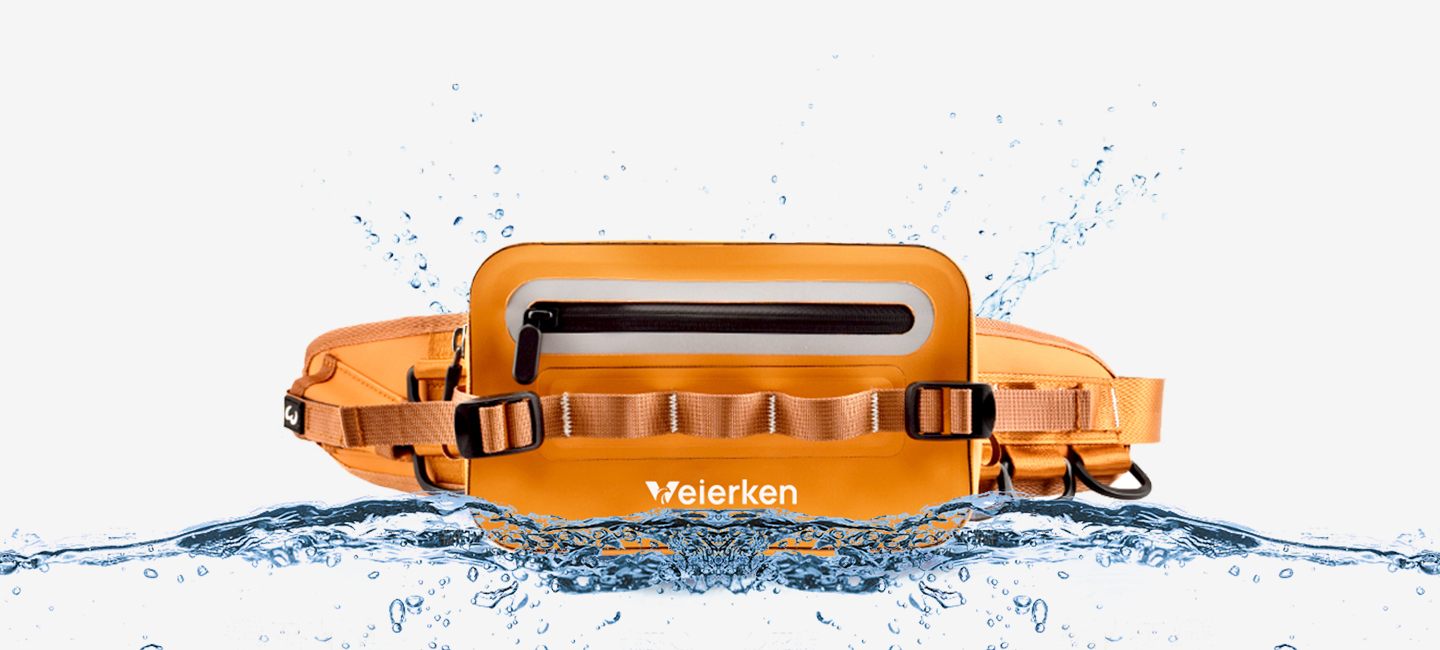
Waist packs have evolved from simple tourist accessories into highly functional gear used in street fashion, running, and outdoor adventure. Because of this shift, product managers must look beyond basic design aesthetics. A premium waist pack must withstand high physical stress while keeping its contents secure and dry.
When sourcing at scale, brands often find that cheap copies look identical to premium models in catalog photos. However, actual performance in the field reveals huge differences in durability. Experienced waist pack manufacturers like weierken rely on strict technical standards to ensure consistent quality across large production volumes.
This guide explains the six essential quality benchmarks that professional factories must meet to produce high-performance waist packs.
1. Stitch Density and Structural Reinforcement
The primary point of failure for any waist pack under load is its seams. High-stress activities like running or hiking pull at the strap attachments continuously.
Leading waist pack manufacturers manage this stress by maintaining strict sewing tolerances:
Stitch Density: Factories must maintain a stitch density of 8 to 10 Stitches Per Inch (SPI). Lower density speeds up assembly but results in weak seams that pull apart under tension.
Bar-Tack Stitching: Automated machines should apply dense bar-tacks at the junction where the waist strap joins the main pack body.
Box-X Stitch Patterns: For wide nylon webbing straps, workers must use double-box-X stitch patterns to distribute the weight across a larger fabric surface.
2. Hardware and Buckle Tensile Strength
A waist pack buckle must click securely and stay locked, even when the wearer moves rapidly or drops the pack. A broken buckle makes the entire product unusable.
To ensure reliability, a qualified custom fanny pack supplier tests all hardware to verify physical performance:
Brand Selection: Premium lines require reliable hardware brands like Duraflex, UTX-Flex, or YKK.
Buckle Tensile Strength Test: The primary buckle must pass a standard buckle tensile strength test. It should withstand a pulling force of 30 to 50 kg without cracking or releasing.
Cold-Weather Durability: Buckles must retain their flexibility and resist cracking even in temperatures below freezing.
3. Zipper Durability and Weather Resistance
Zippers on waist packs face constant use, dirt, and sweat. Because users wear these packs close to the body, moisture resistance is critical for protecting phones and keys.
When working with a running belt OEM, brands should check the zipper specifications:
Zipper Brands: Reliable factories use YKK or SBS self-lubricating zippers to ensure smooth operation over thousands of cycles.
Reverse-Coil Design: Exposed zipper coils attract dirt. A reverse-coil design keeps the teeth clean and reduces water ingress.
PU Waterproof Coatings: For outdoor and running gear, manufacturers use polyurethane-coated water-repellent zippers. This setup must pass a standard rain chamber test to prevent water from seeping through the teeth.
4. Fabric Integrity and Chemical Compliance
The base fabric determines how well the pack resists abrasion, tearing, and rain. Brands must verify that their factory uses authentic, raw materials that meet strict environmental standards.
A reputable wholesale waist bag factory verifies fabric quality using these standards:
Denier Consistency: The factory must verify fabric density, typically using durable materials like 420D ripstop nylon, 1000D Cordura, or recycled polyester.
Durable Water Repellent (DWR): The outer shell needs a non-toxic DWR coating that coaxes water to bead up and roll off the surface.
Regulatory Compliance: All materials, including dyes and plastic coatings, must comply with REACH and RoHS standards. For eco-conscious markets, factories should offer Bluesign or OEKO-TEX certified fabrics.
Partnering with a reliable factory like weierken ensures your materials are certified and safe for sale in strict European and North American markets.
5. Ergonomic Fit and Bounce Reduction
A poorly designed waist pack bounces during physical activity, causing chafing and discomfort. Good design balances the pack's weight against the body's center of gravity.
To ensure a comfortable fit, manufacturers use several key design principles when developing private label belt bags:
3D Air Mesh Panels: The side of the pack that rests against the wearer's body should feature breathable mesh padding. This channel allows air to flow and reduces sweat buildup.
Ergonomic Strap Angles: The waist strap should exit the pack body at a slight downward angle. This shape hugs the hips and keeps the pack from shifting when the user runs.
Compression Straps: Adjustable side straps keep the contents tight against the body, which reduces bounce and sway.
6. Comprehensive Quality Assurance Protocols
The final indicator of a premium manufacturer is their commitment to quality control (QC). Consistency during bulk production requires structured inspection steps at every stage.
High-quality waist pack manufacturers follow premium bag manufacturing standards through these internal checks:
In-Line Inspections: Quality control staff inspect cut panels and preliminary stitching lines before the bag is fully assembled.
Metal Detection: Every finished pack must pass through a sensitive needle detection machine to ensure no broken sewing needles remain inside the seams.
Zipper Cycle Testing: The QA team runs sample zippers through automated cycle machines to verify smooth movement under tension.
Transit Simulation: Packaged cartons undergo vibration testing to ensure the products arrive at your warehouse without damage.

How to Use These Benchmarks for Factory Auditing
Product managers can turn these six benchmarks into an actionable inspection checklist. When requesting samples or conducting an on-site factory audit, use this quick checklist to evaluate potential partners.
| Audit Step | What to Check | Acceptable Standard |
|---|---|---|
| Visual Check | Count the stitch density along the top zipper seam. | 8 to 10 Stitches Per Inch (SPI). |
| Stress Check | Pull hard on the main buckle connection point. | No slipping, warping, or cracking of the plastic tabs. |
| Water Check | Spray water directly onto the exterior zipper seam for 30 seconds. | Water beads off; no moisture penetrates the inner pocket. |
| Lab Check | Ask for material testing reports and environmental certificates. | Valid REACH, RoHS, or Bluesign certification papers. |
Conclusion and Sourcing Recommendations
Selecting the right manufacturing partner directly impacts your product's defect rate and your brand's reputation. By holding your suppliers to these six quality benchmarks, you reduce warranty claims and improve customer satisfaction.
A professional manufacturer should be happy to provide testing documentation and detailed material specifications. Partnering with a reliable factory like weierken gives your brand access to certified materials, automated production, and structured quality control processes.
Are you looking to develop a durable, high-performance waist pack line? Contact our engineering team today to request a technical review or get a sample quote.
Frequently Asked Questions
Q1: What is the typical MOQ for custom waist packs?
Most professional factories require a Minimum Order Quantity (MOQ) of 500 to 1,000 units per style. This quantity allows the factory to set up automated sewing lines and purchase custom-colored raw materials efficiently.
Q2: Can we customize the buckle color and shape for private label belt bags?
Yes. Factories can produce buckles in custom colors or mold unique shapes. However, custom plastic molds require a separate tooling fee and usually have a higher minimum order quantity.
Q3: What fabric is best for lightweight running belts?
For running belts, we recommend lightweight, elastic materials like Lycra or stretch nylon mesh. These fabrics fit snugly against the body and dry quickly when you sweat.
Q4: How does a factory test for broken needles in finished bags?
Finished bags pass through a conveyor-belt needle detector. This machine uses electromagnetic sensors to detect tiny metal fragments, ensuring the final product is completely safe for consumers.
Q5: How do eco-friendly fabrics like RPET compare to standard nylon?
Recycled Polyester (RPET) offers comparable tensile strength and durability to standard polyester when laminated correctly. It is an excellent way for brands to meet sustainability goals without sacrificing product life.