

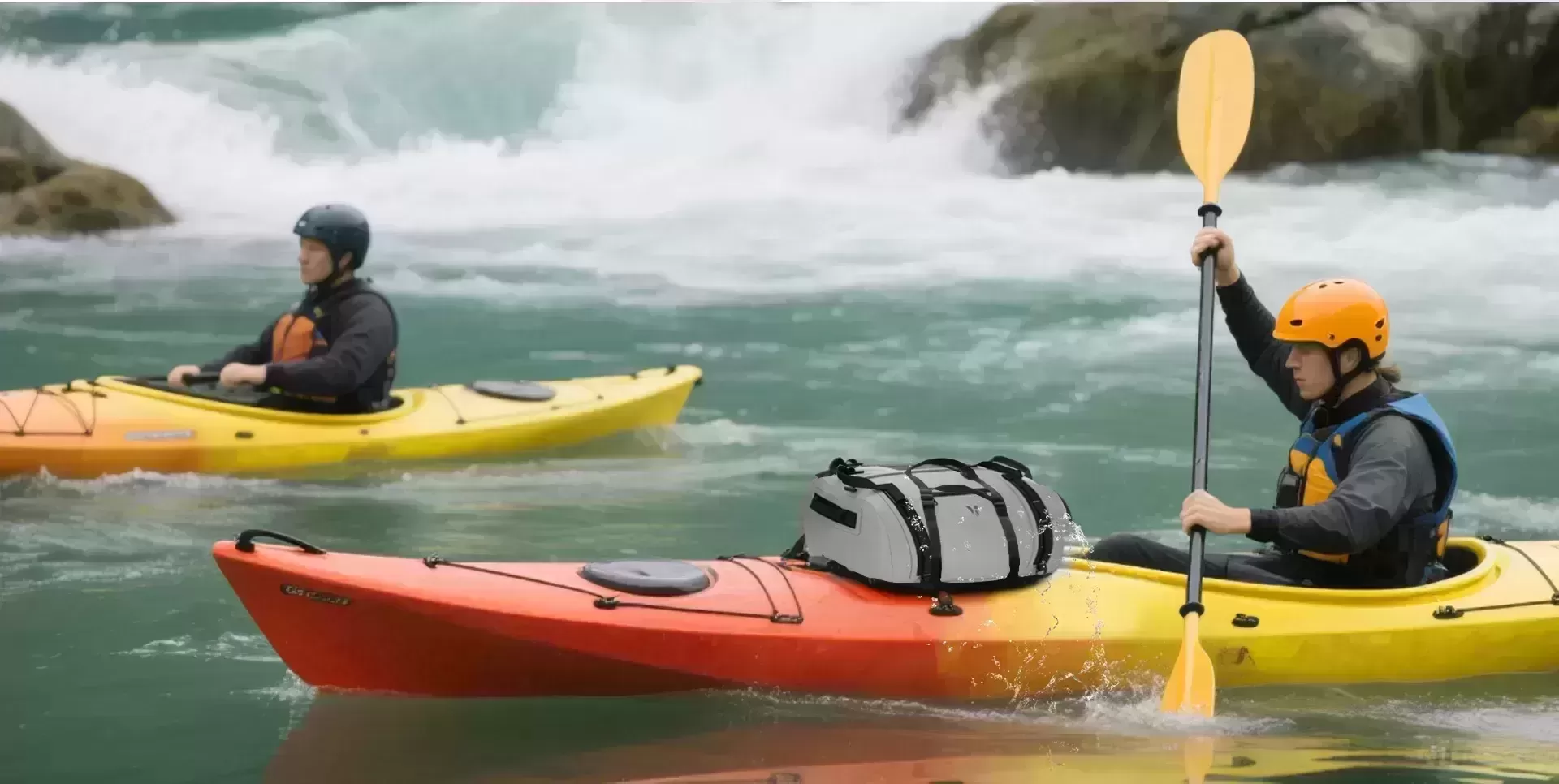
The global surge in water sports like paddleboarding, surfing, and open-water diving has increased the demand for specialized, high-performance bags. Outdoor brands must offer durable gear that stands up to harsh marine conditions. However, bringing these technical products to market is rarely simple.
Many brands procure their inventory through trading companies or generalist sourcing agents. While this approach seems easy at first, it often leads to high communication costs, slow prototyping cycles, and thin profit margins. Working directly with specialized watersports bag manufacturers like weierken helps brands bypass these issues and streamline their supply chain.
This article discusses the technical requirements of water sports gear, the business benefits of a direct OEM partnership, and how to verify a factory's manufacturing capabilities.
1. Why Watersports Bags Require Specialized Manufacturers
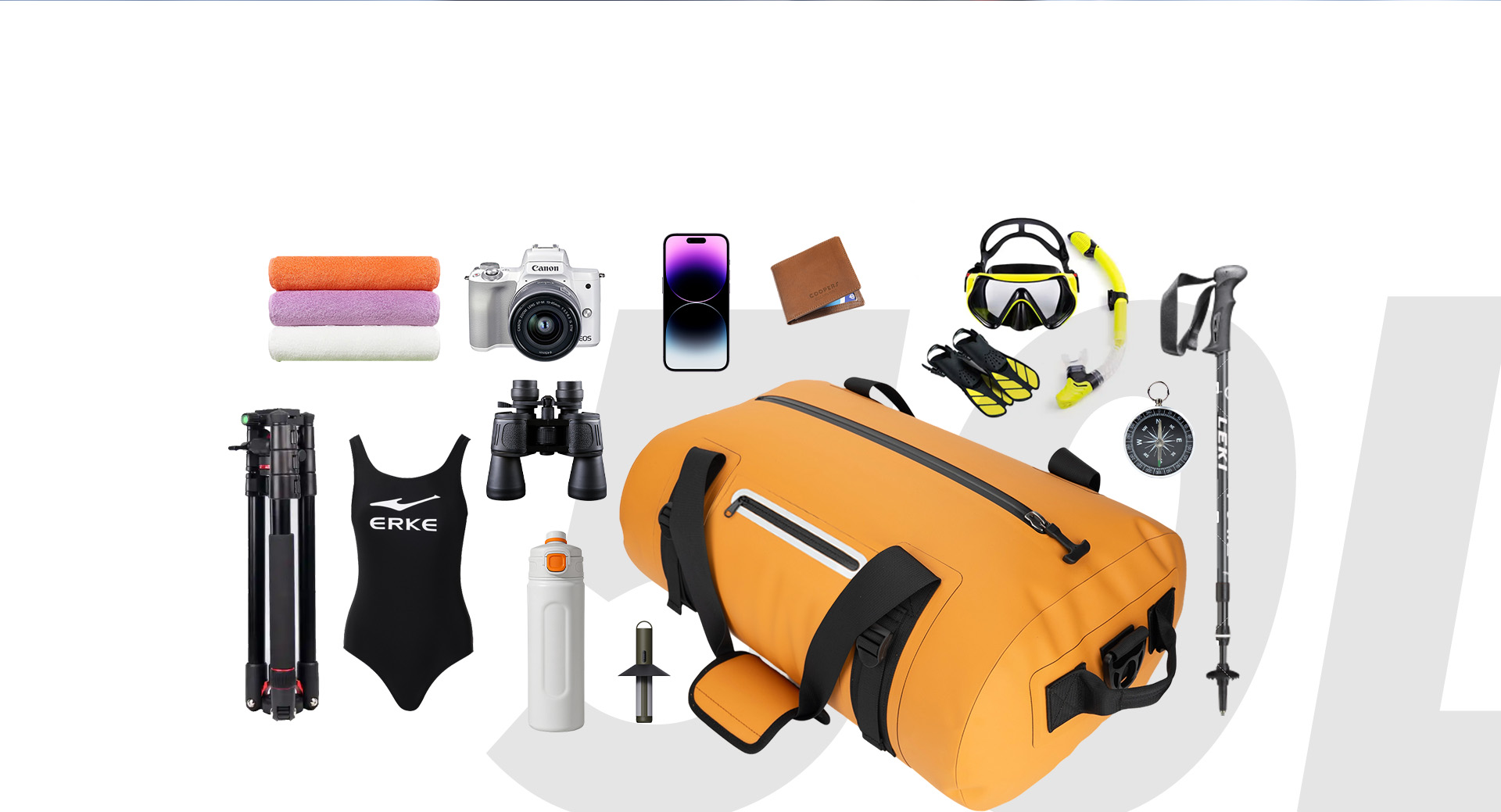
Standard backpack manufacturing relies on stitched seams and domestic fabrics. These methods fail quickly in marine environments. High-quality water sports gear must withstand saltwater, intense sunlight, and heavy loads of wet equipment. Professional watersports bag manufacturers design their production lines to meet these specific challenges.
Saltwater and Corrosion Resistance
Seawater accelerates the corrosion of metal components and degrades standard zipper coils. When sourcing marine-grade gear bags, brands must ensure the factory uses specialized materials.
Synthetic Hardware: Experienced factories replace standard metal d-rings and buckles with heavy-duty acetal (POM) plastics, which resist salt crystallization.
Plastic Zipper Coils: Traditional metal zippers jam quickly in salty environments. Specialized factories use injection-molded plastic zippers or coated, water-repellent zippers.
Rust-Proof Pullers: If metal pullers are required, they must undergo salt-spray testing to confirm their resistance to corrosion.
UV Protection and Weather Resistance
Water sports gear often sits on sunny boat decks or sandy beaches for hours. Direct exposure to solar radiation degrades untreated fabrics, causing colors to fade and laminations to peel.
To prevent this degradation, a reliable direct OEM dry bag factory uses fabrics treated with UV stabilizers. They often recommend Polyurethane (PU) or Thermoplastic Polyurethane (TPU) coatings over cheap PVC, as TPU remains flexible in cold weather and does not crack under prolonged sun exposure.
Dry-Wet Separation and Drainage Systems
Athletes need to keep their dry clothes separate from wet gear like wetsuits, towels, and regulators. This requirement demands complex interior panel layouts.
For example, mesh dive bag manufacturers design products with heavy-duty PVC mesh panels. These panels let water drain away freely and allow air to circulate, which prevents mold and odor. Specialized factories also install dry compartments featuring welded seams to keep electronics and dry clothing safe from splashes.
2. The Business Value of Direct OEM Services
When you work directly with watersports bag manufacturers rather than intermediaries, your brand gains several long-term operational advantages. Here is how direct integration improves your supply chain efficiency.
Disintermediation and Cost Optimization
Sourcing agents and trading companies add their own markups to every unit, which squeezes your margins. Direct cooperation with the source factory gives you access to competitive ex-factory prices.
These savings allow your brand to price products more competitively or reinvest those funds into product development. It also simplifies your pricing structure when negotiating bulk runs for a wholesale paddleboard bag or a custom line of surf packs.
Efficient Technical Communication
Waterproof bags rely on precise manufacturing techniques like High-Frequency (HF) welding. When you communicate through an agent, technical specifications often get lost in translation.
Working directly with the engineering team at weierken simplifies this process. You can discuss seam welding tolerances, TPU thickness, and custom mold requirements directly with the technicians. This direct feedback loop reduces prototyping errors and shortens development times by weeks.
Flexible Private Label Customization
Building a recognizable brand requires unique aesthetic details. Direct factories offer a wider variety of branding techniques designed for marine use.
High-Frequency Logo Embossing: Fuses the logo directly into TPU fabric, creating a durable, waterproof brand mark that won't peel off.
Silicone Badges: Provides a premium, three-dimensional look that resists saltwater and UV exposure.
Custom Screen Printing: Uses specialized elastic inks that stretch with the fabric without cracking.
These options help you build high-end private label watersports backpacks that stand out in a crowded market.
3. Vetting Direct Watersports Bag Manufacturers
Not all factories have the equipment or expertise needed to produce reliable waterproof gear. Brands should carefully evaluate a manufacturer's production capabilities and quality systems before placing an order.
| Evaluation Area | Required Machinery & Standards | Why It Matters |
|---|---|---|
| Seam Construction | High-Frequency (HF) Welders, Hot-Air Taping Machines | Standard sewing needles puncture the fabric. Waterproof bags require welded or taped seams to keep water out. |
| Testing Capabilities | Hydrostatic Tester, Salt-Spray Chamber, Tensile Tester | In-house testing ensures the bags meet IPX waterproof ratings and load-bearing requirements. |
| Social Compliance | BSCI, SMETA, ISO9001 Certification | Verifies ethical labor practices and consistent quality management systems. |
| Material Compliance | REACH, RoHS, Prop 65 Compliance | Ensures fabrics and plasticizers are safe for international markets. |
A reputable factory should readily provide material test sheets and invite clients to inspect their production floor. At weierken, we maintain strict quality control standards, checking seam strength and waterproof seals at multiple stages of assembly.
4. Optimizing Your Sourcing Strategy for Sea Freight
Water sports bags, especially those with foam padding or semi-rigid shapes, can take up a lot of space during transit. Working with experienced watersports bag manufacturers helps you optimize packaging to lower shipping costs.
During the design phase, you can ask the factory to:
Design Roll-Top Systems That Fold Flat: A flat roll-top dry bag pack takes up far less volume than a pre-stuffed bag.
Use Removable Back Panels: Removable foam inserts or frames allow the main body of the bag to lie flat during shipping.
Nest Smaller Bags Inside Larger Styles: Shipping multi-size dry bag kits nested together maximizes carton space.
These minor adjustments can significantly lower your ocean freight costs per unit, improving your overall profit margin.
5. Conclusion and Next Steps
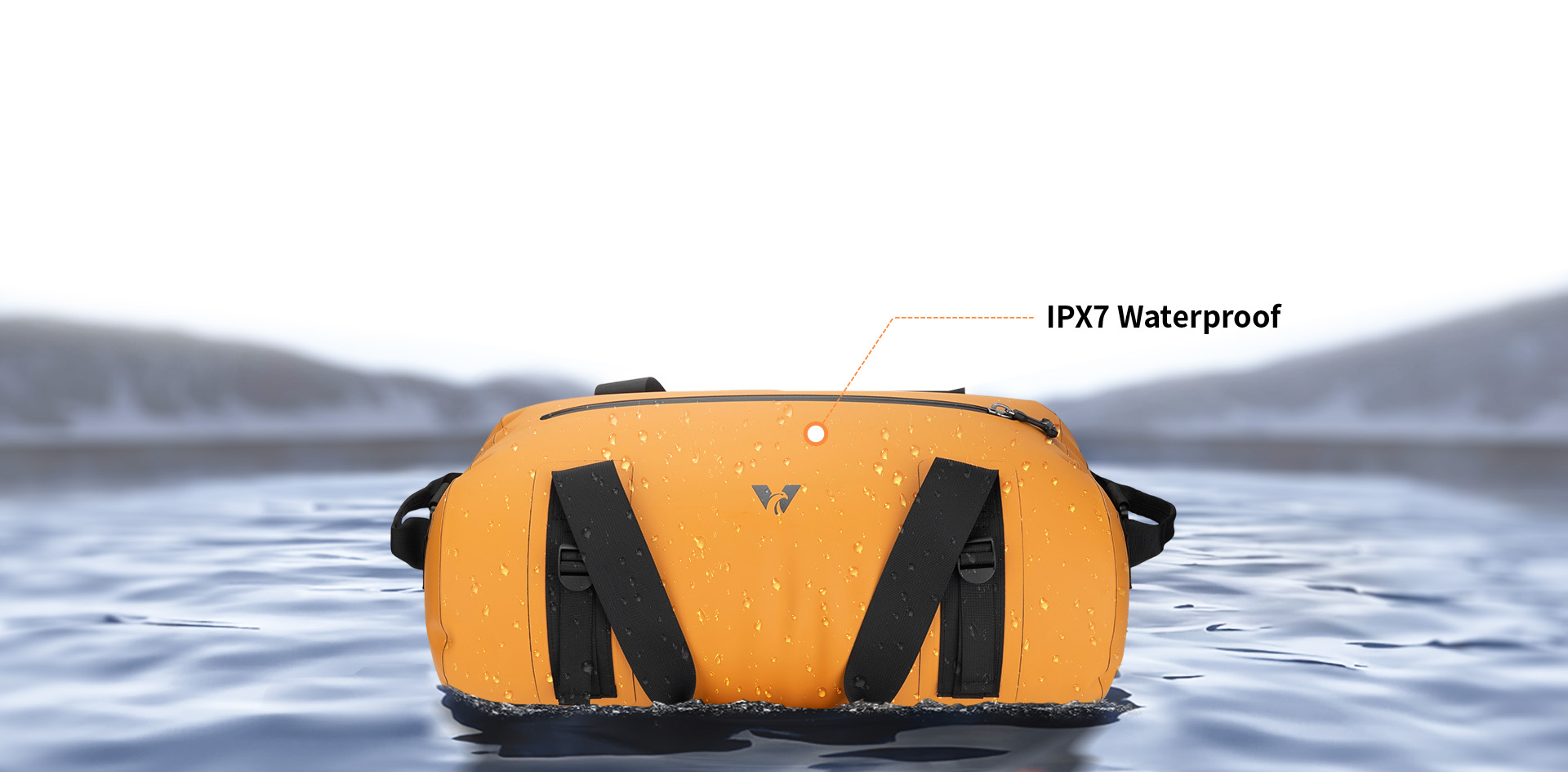
Expanding your brand's water sports catalog requires durable, well-engineered products. By partnering directly with specialized watersports bag manufacturers, you secure better pricing, speed up your prototyping, and ensure your products withstand harsh marine conditions.
A direct OEM partnership helps you avoid communication delays and gives you more control over your product's technical details. Working with a reliable manufacturer like weierken ensures your bags meet international environmental standards and performance requirements.
Are you looking to develop custom waterproof surf bags or expand your current product line? Send us your technical drawings or request a sample quote today to start collaborating with our engineering team.
Frequently Asked Questions
Q1: What is the standard MOQ for OEM water sports bags?
Minimum Order Quantities (MOQs) typically range from 500 to 1,000 units per style. This requirement varies depending on custom fabric choices, specific colorways, and custom molding requirements for welded components.
Q2: What is the difference between HF welding and sewing with taped seams?
High-Frequency (HF) welding uses electromagnetic energy to fuse TPU or PVC materials together at the molecular level, creating a permanent, leak-proof bond. Sewing with taped seams uses a needle and thread, then covers the seam with a hot-melt adhesive tape. Welded seams are generally more durable for fully submersible gear.
Q3: Do you offer eco-friendly fabric options for water sports gear?
Yes. Many modern brands use Recycled PET (RPET) fabrics laminated with biodegradable TPU coatings. These materials offer the same waterproof performance as virgin synthetics while reducing environmental impact.
Q4: How do you test the waterproof rating of dry bags?
We use hydrostatic pressure testers to measure the water resistance of the fabric and welded seams. For roll-top dry bags, we inflate the bag, submerge it in water, and apply pressure to check for escaping air bubbles.
Q5: Can you help us design custom mesh dive bags with drainage systems?
Yes. We can customize heavy-duty mesh panels, PVC-coated polyester mesh, and rustproof drain grommets to ensure your bags drain water quickly and dry efficiently after use.