

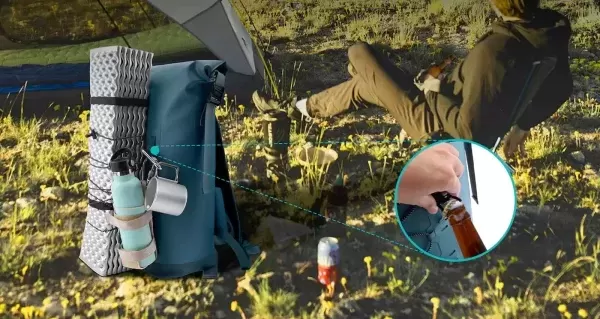
The outdoor gear industry is undergoing a significant shift. For product managers and sourcing directors, selecting the right production partners now requires a deep understanding of textile science. In 2026, the market demands gear that is lighter, more durable, and chemically compliant with international regulations.
Leading trekking bag manufacturers are no longer just cutting and sewing panels. Instead, they operate as technical integrators, working directly with material scientists to develop proprietary composites. Brands like weierken are actively adapting to these shifts, helping clients navigate the complex balance between raw material costs and consumer expectations.
To keep your product line competitive, you must know what materials are defining the high-end outdoor market. Below are five fabric innovations that professional manufacturers are integrating into their supply chains this year.
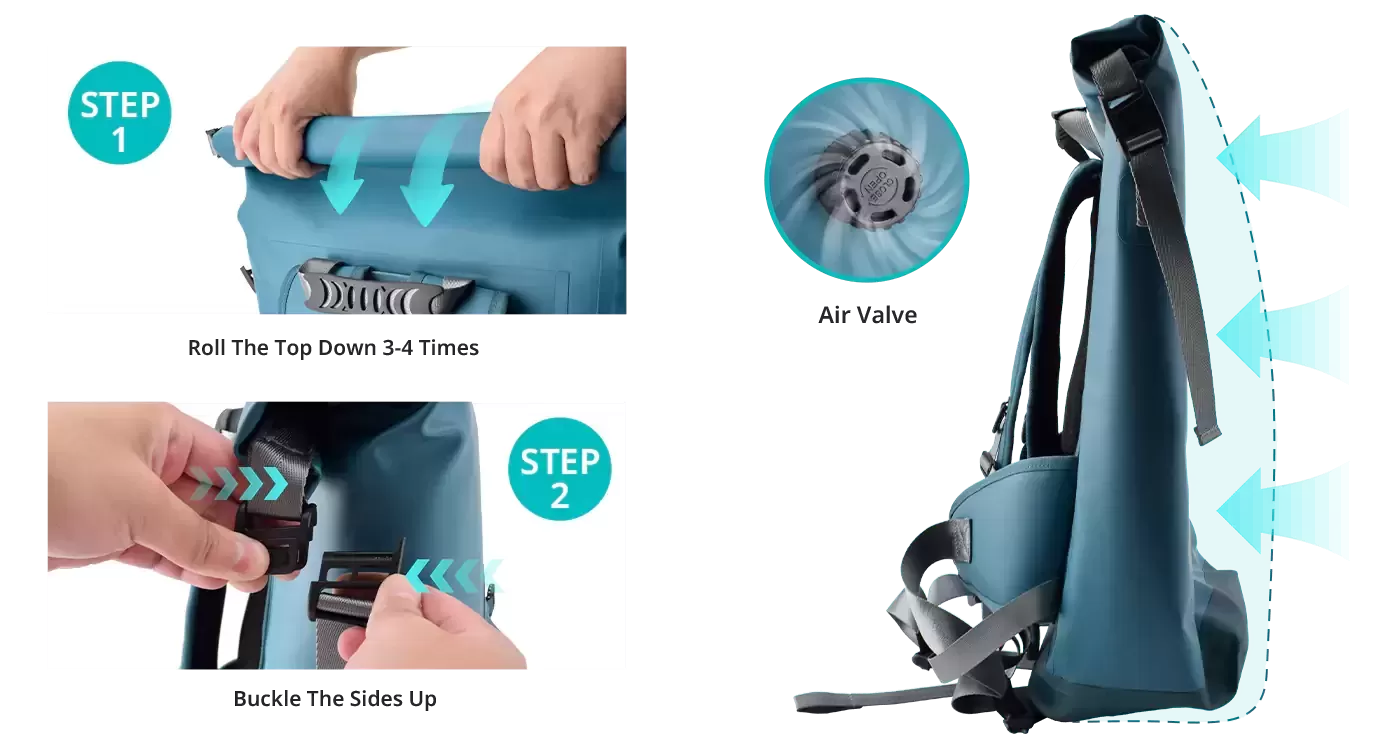
1. UHMWPE Blends (Ultra-High-Molecular-Weight Polyethylene)
Ultra-High-Molecular-Weight Polyethylene (UHMWPE) is reshaping the strength-to-weight ratio in outdoor gear. Often recognized under brand names like Dyneema or Spectra, this polymer features incredibly long molecular chains that transfer loads more effectively.
Experienced trekking bag manufacturers use these blends to construct high-stress areas. By weaving UHMWPE fibers with high-tenacity nylon or polyester, factories produce lightweight fabrics with exceptional puncture resistance.
Weight Reduction: These blends allow brands to trim valuable grams from the base weight of multi-day packs.
Abrasion Resistance: Typically placed on the bottom panel and side pockets, these fibers protect against sharp rock faces and dense brush.
Water Resistance: The tight weave and naturally hydrophobic nature of the polymer reduce water absorption during storms.
When searching for a lightweight trekking pack supplier, ask if they have experience laminating or weaving UHMWPE outdoor bags. Processing these slippery, high-strength fibers requires specialized cutting tools and specific stitching tension to prevent seam slippage.
2. PFAS-Free Advanced DWR (Durable Water Repellent)
Environmental regulations are rewriting the rules of fabric finishing. Traditional C6 and C8 fluorinated water repellents are being phased out globally due to their persistence in the environment. Sourcing departments must adapt quickly to meet these strict new laws.
To maintain high performance, advanced facilities have transitioned entirely to PFAS-free DWR fabrics. These new-generation finishes utilize silicones, plant-based waxes, or modified polyurethanes to shed water without relying on harmful fluorocarbons.
This transition requires careful adjustments in the manufacturing pipeline. Unfluorinated coatings behave differently during the curing phase, meaning the fabric mill must monitor temperatures closely to ensure even coverage.
Regulatory Compliance: Avoid costly customs delays and fines in North American and European markets.
Shedding Performance: Modern non-PFAS coatings maintain excellent water bead run-off, even after prolonged exposure to dirt and body oils.
Soft Hand Feel: Many plant-based alternatives yield a quieter, more flexible face fabric compared to stiff fluorinated treatments.
Choosing a partner well-versed in advanced backpack manufacturing ensures that your products remain compliant without losing their protective qualities. Ask your factory for verified spray-test reports to confirm the durability of their non-fluorinated finishes.
3. Mono-Material Constructions for Circularity
Traditionally, a hiking pack is a recycling nightmare. It contains nylon face fabrics, polyester mesh, polyoxymethylene (POM) buckles, and polyurethane coatings. Separating these materials at the end of the product's life cycle is nearly impossible, meaning most old packs end up in landfills.
To address this issue, forward-thinking trekking bag manufacturers are adopting mono-material construction. This design philosophy uses a single polymer family—typically Polyethylene Terephthalate (PET) or Polyamide (PA)—for the face fabric, sewing threads, webbing, and even the hardware.
Using a single polymer simplifies the recycling process. Once a bag is worn out, the consumer can send it back to be shredded and pelletized without manual disassembly.
Simplified Recycling: The entire bag can be chemically or mechanically recycled together, supporting true circularity.
Reduced Carbon Footprint: Sourcing recycled PET from ocean plastics or post-consumer bottles helps lower environmental impact.
Unified Material Properties: Using similar polymers ensures consistent dye uptake, uniform shrinkage during washing, and predictable aging.
Developing a circular product requires close cooperation with an experienced eco-friendly hiking backpack OEM. Companies like weierken are currently refining their component sourcing to provide fully recyclable, mono-material options for eco-conscious brands.
4. Bio-Based and Low-Carbon Synthetics
While recycling is highly beneficial, reducing the reliance on virgin fossil fuels from the start is even better. Bio-based synthetics are paving the way for low-carbon outdoor gear. These polymers are derived from renewable agricultural feedstocks, such as castor oil or industrial corn starch.
Bio-nylon (such as Nylon 56 or Nylon 410) offers mechanical properties that match or exceed those of traditional petroleum-based Nylon 6 or 66. It maintains high tensile strength, excellent elasticity, and superior resistance to heat and friction.
Renewable Sourcing: Replaces petroleum inputs with agricultural by-products, reducing overall resource depletion.
High Tensile Strength: Bio-nylons handle high-stress loads without stretching out of shape.
Premium Appeal: Perfect for brands targeting environmentally conscious consumers who expect high-end performance.
A capable lightweight trekking pack supplier can help you integrate bio-synthetics into your existing designs. These fibers drop directly into standard weaving looms, allowing you to transition your product line without altering your physical patterns.
5. Self-Healing Nano-Tech Ripstop Fabrics
For ultralight trekking packs, durability is always a concern. Thinner fabrics are susceptible to punctures from thorns, pine needles, and sharp branches. To resolve this issue, manufacturers are adopting self-healing nano-tech fabrics.
These materials feature a specialized, highly elastic nano-coating. When a small point punctures the fabric, it does not tear the fibers. Instead, the coating allows the threads to slide apart around the puncture.
By rubbing the area with your fingers, the friction generates heat. This heat relaxes the polymer coating, allowing the fibers to slide back into their original positions and closing the hole.
Extended Product Lifespan: Minor punctures seal themselves up, preventing small snags from turning into major rips.
Optimal for Ultralight Gear: Allows brands to use thinner, lighter fabrics without sacrificing field durability.
Reduced Return Rates: Fewer customer complaints regarding accidental punctures during early use.
Integrating these advanced materials into your collection requires a partner with deep technical expertise. Discussing these options with your manufacturing team can help you stay ahead of market trends.
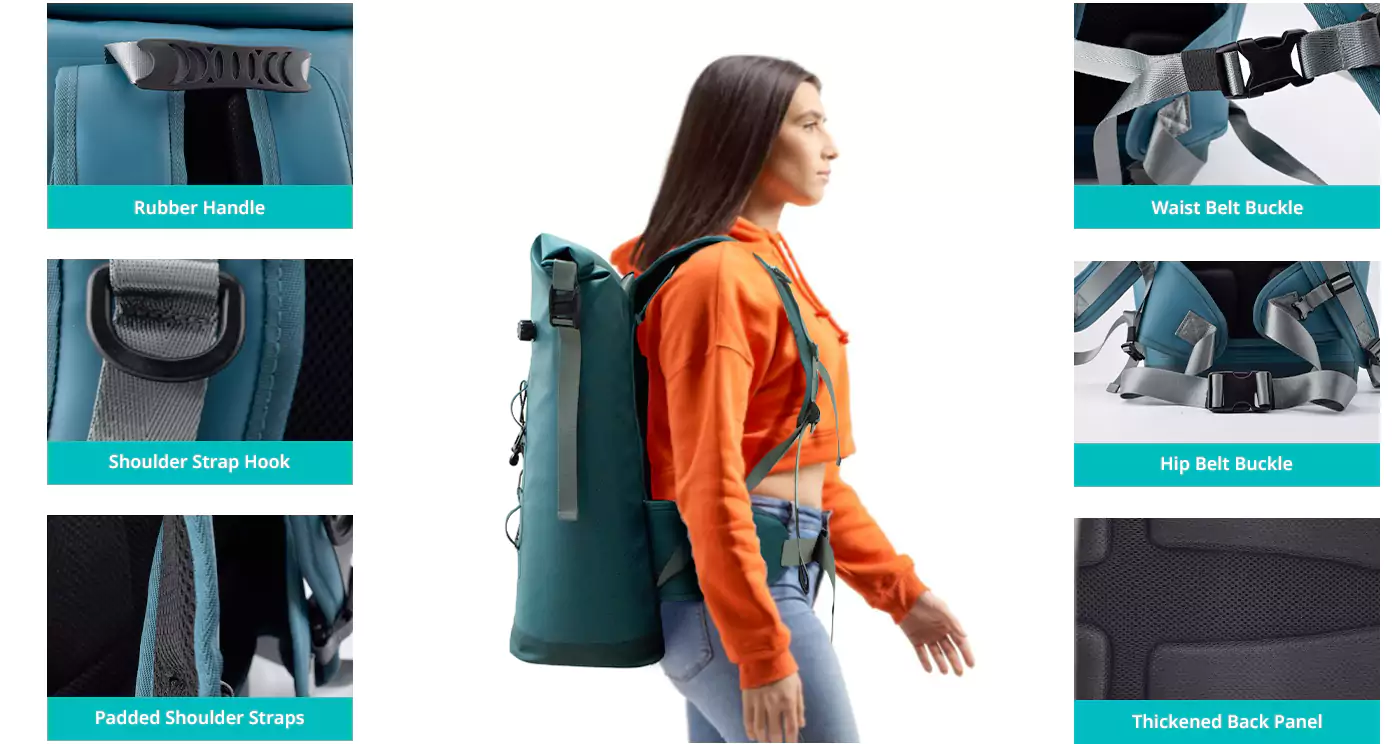
Sourcing Strategies: Selecting the Right Manufacturing Partner
Identifying the right fabric is only half the battle. To bring these innovations to market, you need a partner capable of handling advanced materials. When vetting potential trekking bag manufacturers, consider the following criteria:
Supply Chain Integration
Does the factory maintain active relationships with tier-one yarn and chemical suppliers? A manufacturer with strong supply chain ties can secure priority access to new fabric developments and offer better pricing on technical materials like sustainable marine-grade materials.
Green Certifications
Do not rely solely on verbal promises. Ensure your partner holds verified certifications to back up their environmental claims. Look for facilities with Global Recycled Standard (GRS) certification, OEKO-TEX compliance, and Bluesign system partnership.
Manufacturers like weierken work diligently to maintain these strict quality control and environmental compliance standards. This diligence ensures your finished products meet the strict import requirements of your target markets.
Conclusion & Call to Action
The outdoor gear market of 2026 demands more than attractive aesthetics and basic functionality. Success relies on material innovation, environmental responsibility, and structural durability. By partnering with a progressive lightweight trekking pack supplier, your brand can offer high-performance products that stand out on retail shelves.
Ready to upgrade your outdoor product line with the latest in fabric technology? Contact our team at weierken today. We can help you source advanced materials, create high-performance prototypes, and streamline your production process. Request a quote or ask for a fabric swatch book to start your next development cycle.
Frequently Asked Questions (FAQ)
1. How do PFAS-free DWR finishes compare to older C6 or C8 coatings?
Modern PFAS-free finishes offer excellent water repellency under normal conditions. While they may require slightly more frequent reapplication after heavy exposure to dirt and oils, they are fully compliant with global chemical bans, making them the safest choice for international distribution.
2. Are UHMWPE blends cost-effective for mid-tier hiking packs?
Because pure UHMWPE is expensive, manufacturers often use blends. Weaving a small percentage of UHMWPE with high-tenacity nylon allows you to protect high-wear areas, such as the base of the pack, without significantly increasing your overall production costs.
3. Can a mono-material backpack match the durability of a standard pack?
Yes. By carefully matching the properties of the face fabric, sewing thread, and hardware (such as using all-polyester components), manufacturers can achieve excellent structural integrity while ensuring the entire pack remains easy to recycle.
4. What certifications should I ask for when sourcing eco-friendly materials?
You should request Global Recycled Standard (GRS) certificates for recycled content, and Bluesign or OEKO-TEX Standard 100 certificates to verify that the fabrics are free from harmful chemicals.
5. Why is self-healing fabric useful for ultralight trekking packs?
Ultralight fabrics are thin and prone to micro-punctures. Self-healing technology allows the woven fibers to slide back into place after a minor puncture, preventing small holes from turning into larger tears and extending the pack's usable lifespan.