

_154315_172341.webp "7 Checklist Items for Your Pharmacy Thermal Carrier Maker")
Managing the pharmaceutical cold chain requires absolute precision. Temperature deviations during transit can ruin biological products, vaccines, and insulin. When these sensitive items lose their efficacy, the consequences go beyond financial loss. Patient safety and regulatory compliance are at stake.
Ordinary food delivery bags are not suitable for clinical logistics. Medical distribution requires specialized thermal performance and material safety. Finding a competent pharmacy thermal carrier maker is an essential step for procurement managers. Experienced manufacturers like Weierken understand these strict medical demands and design carriers to protect delicate life-science products.
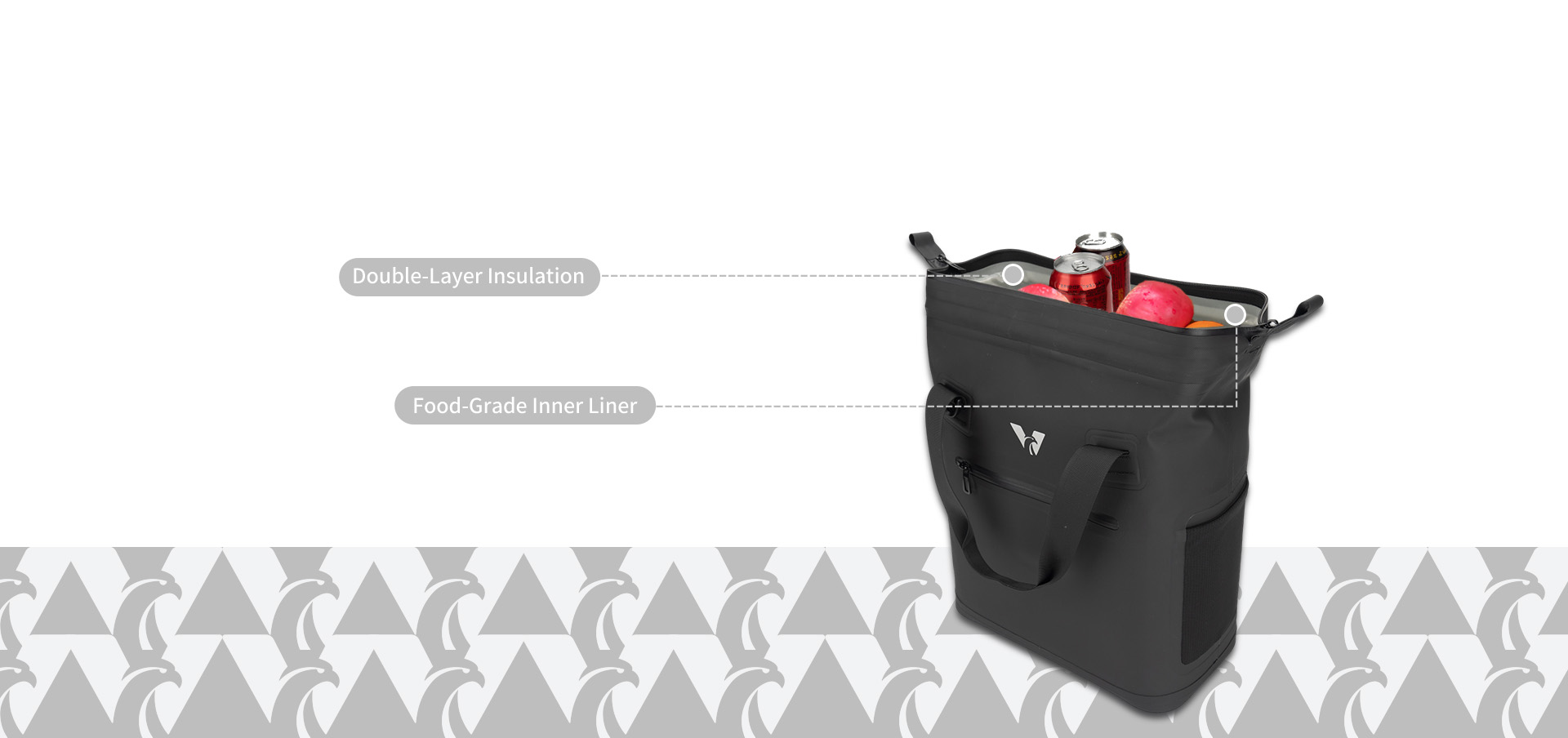
Why Medical Cold Chain Equipment Demands Strict Standards
Pharmaceutical transport is heavily regulated by global health authorities. Cold chain logistics must maintain specific temperature zones under extreme ambient conditions. If a carrier fails, the distributor faces regulatory fines, legal liability, and damaged medical inventory.
Choosing a generic bag supplier introduces unnecessary operational risks. A dedicated pharmacy thermal carrier maker builds products that comply with healthcare logistics standards. Our 7-item checklist helps B2B buyers evaluate potential manufacturing partners before placing a bulk order.
1. Thermal Performance Validation and Lab Reports
A reliable pharmacy thermal carrier maker must back up their performance claims with lab data. You should never purchase cold chain bags based on visual inspection alone. Ask the factory for third-party thermal validation reports.
Review the following thermal performance criteria with your manufacturer:
Precise temperature maintenance: The carrier must hold specific ranges like 2°C to 8°C, 15°C to 25°C, or below -20°C.
Duration under stress: The carrier must maintain these temperatures for specific intervals such as 24, 48, or 72 hours.
Environmental simulation: The factory should test products in chamber rooms that simulate both extreme summer heat and winter cold.
Using validated pharmaceutical cold chain bags ensures your products remain stable during transit.
2. Regulatory and Material Compliance
Materials that contact or sit near pharmaceutical packaging must meet safety standards. They must not contain hazardous substances or emit harmful chemicals. A trustworthy medical insulated bag manufacturer uses verified raw materials.
Verify that your supplier complies with the following material standards:
FDA compliance: Inner lining materials must be food-grade and safe for direct contact.
REACH and RoHS certification: The fabrics and plastic hardware must not contain restricted heavy metals or toxic plasticizers.
Odor-free fabrics: The inner thermal layers must not release chemical odors when heated or cooled.
3. Anti-Freezing and Structural Design
Many biological drugs are highly sensitive to freezing. If a vaccine vial touches an ice pack directly, it can freeze and become useless. The structural design must keep the medication safe from localized freezing.
A specialized pharmacy thermal carrier maker designs internal systems to prevent this issue. They build dedicated pockets or fabric barriers to keep the phase change materials (PCMs) or gel packs separate from the medicine. This design creates a stable air buffer inside the vaccine thermal carrier, ensuring even heat distribution.
4. Hermetic Sealing and High-Frequency Welding
Cold air escapes easily through standard stitched seams. Stitched holes also allow external moisture or condensation to seep into the insulation layer. Over time, trapped moisture ruins the insulation performance of the bag.
At Weierken, we solve this issue with advanced assembly techniques. We use high-frequency RF (Radio Frequency) welding instead of traditional stitching. This process melts the inner lining seams together, making them waterproof. Working with an ISO certified thermal bag factory guarantees that your carriers maintain their thermal seal over long cycles.
5. Resistance to Sanitizers and Easy Cleaning
Medical equipment requires frequent cleaning to prevent cross-contamination. Courier bags go from clinics to warehouses and must be sanitized after every shift. Cheap materials degrade quickly when exposed to medical disinfectants.
Your pharmacy thermal carrier maker should use durable, chemical-resistant materials. The outer shell and inner lining should withstand daily cleaning with:
Isopropyl alcohol (70% IPA): The standard sanitizer used in clinical environments.
Chlorine-based wipes: Used to clean medical spills and prevent bacterial growth.
Mild detergents: Used to clean dust and dirt without damaging the water-resistant coating.
Using durable materials ensures your insulated medicine courier bags remain hygienic and do not fade or crack.
6. Data Logger Integration Window
Modern clinical logistics require real-time temperature tracking. Couriers and quality control managers must check internal temperatures during transport. Opening the bag to read a thermometer lets cold air escape and disrupts the climate control.
To avoid this, a professional pharmacy thermal carrier maker adds a clear PVC slot on the outside of the bag. This pocket holds a digital temperature data logger. The courier can read the temperature screen or download tracking data via NFC or Bluetooth without opening the main compartment.
7. Quality Management Systems and Batch Traceability
Pharmaceutical buyers require consistency. Every bag in a batch of 1,000 must perform exactly like the tested sample. A factory without a formal quality control system cannot guarantee this level of consistency.
Ensure your manufacturing partner has a robust quality control process:
ISO 9001 Certification: This standard ensures consistent quality management throughout the manufacturing process.
ISO 13485 Compliance: Recommended if you are buying carriers for medical devices or clinical trial kits.
Batch tracking numbers: Every carrier should have a tracking label. This helps you identify and resolve issues with specific production batches.
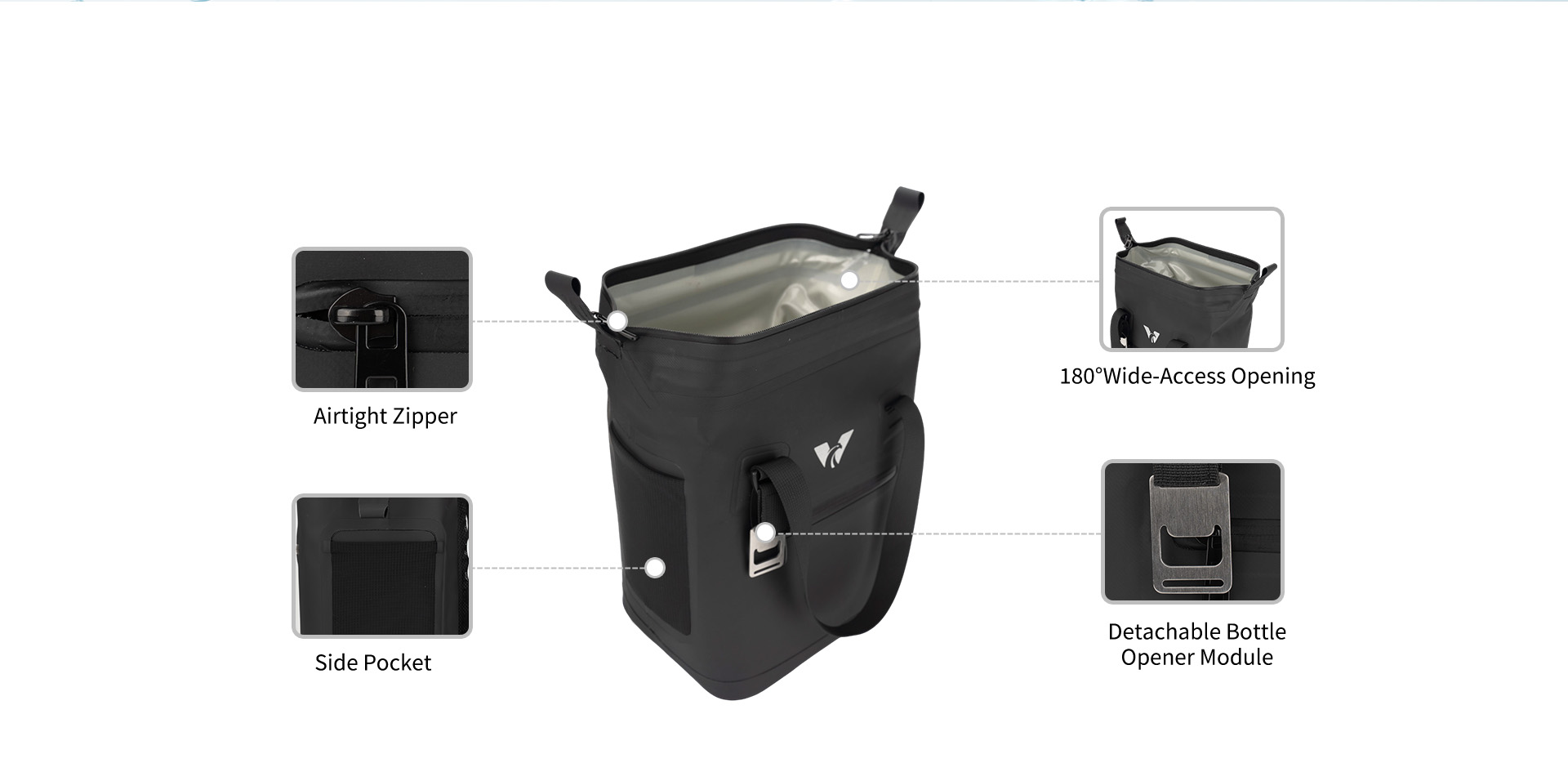
Choosing a Long-Term Manufacturing Partner
Sourcing high-performance medical equipment requires a professional manufacturing partner. A cheap consumer bag supplier cannot meet the strict demands of clinical distribution. Investing in certified equipment is the best way to reduce shipment losses and maintain compliance.
As a specialized supplier, Weierken designs and manufactures durable, compliant cold-chain solutions. We help healthcare providers, pharmaceutical companies, and clinical laboratories protect their high-value inventories during transport.
Submit an Inquiry for Your Custom Medical Carrier
Do you need to design a compliant, custom thermal carrier for your pharmaceutical operations? Contact our engineering team today to share your specifications, request a quote, or arrange physical sample testing.
Frequently Asked Questions
1. What temperature zones can a pharmacy thermal carrier maintain?
A professional manufacturer can design carriers for three standard temperature zones: frozen (below -15°C), chilled (2°C to 8°C), and controlled room temperature (15°C to 25°C). The performance depends on the internal PCM or gel packs used inside the bag.
2. Why is RF welding better than sewing for pharmaceutical cold chain bags?
RF welding fuses the fabric seams together using electromagnetic energy. This creates a seamless, leak-proof barrier. Traditional sewing leaves thousands of tiny needle holes that allow cold air to leak out and condensation to seep into the insulation foam.
3. How does a pharmacy thermal carrier maker prevent freezing of biologics?
The manufacturer designs built-in sleeves or mesh pockets that keep the cooling elements away from the medicine. They also configure the thickness of the internal air-gap insulation to ensure that temperatures stay safe and stable without localized freezing.
4. What is the standard lifespan of medical insulated courier bags?
With proper care and sanitation, a commercial-grade medical carrier can last between 12 to 24 months of daily use. Lifespan depends on fabric choice (such as heavy-duty tarpaulin), cleaning routines, and handling during transport.
5. Do your medical thermal carriers support electronic locks or security seals?
Yes. Manufacturers can install lockable zippers, tamper-evident seals, or integrated digital locks to secure high-value medications and controlled substances during transit.