

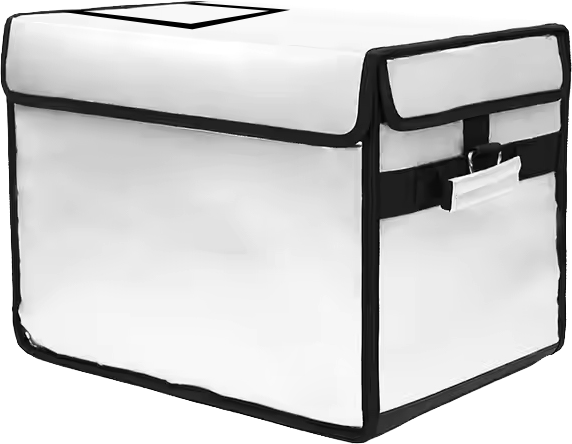
Food delivery operations face daily challenges that affect profitability. A cold pizza, a wet box, or a collapsed container can ruin a customer's experience. These delivery failures often lead to costly refunds, negative reviews, and lost loyalty. Many operators do not realize that their choice of delivery equipment is the root cause of these issues.
When delivery hardware fails, restaurant brands lose money quietly. Investing in quality equipment is key to protecting your food during transport. Working with a dedicated pizza delivery bag maker helps brands address these issues before they reach the customer's door. Manufacturers like Weierken focus on building highly durable thermal bags that preserve food quality over long distances.
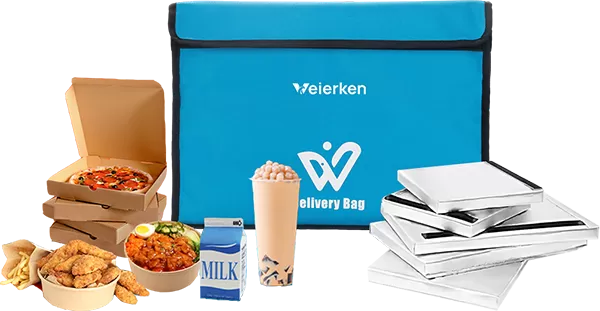
The Cost of Delivery Failures: More Than Just a Cold Meal
In the competitive food business, the last mile determines whether a customer orders again. If a pizza arrives lukewarm or soggy, the customer blames the restaurant, not the courier. These quality issues damage your brand's reputation and reduce repeat business.
Using poor-quality delivery bags leads to frequent equipment replacement. Cheap zippers split, straps tear, and insulation layers degrade after just a few weeks of use. A professional pizza delivery bag maker designs gear that withstands daily commercial use, helping you avoid repeated purchasing costs.
Core Pain Points & Engineering Solutions
To solve delivery issues, we must look at how bags are engineered. Let us examine the four most common transport failures and how a professional factory resolves them.
1. Rapid Temperature Loss
Pizzas lose heat quickly because of their flat shape and large surface area. Traditional bags rely on cheap open-cell foam that lets heat escape within minutes. The pizza arrives cold, and the cheese hardens.
A reliable pizza delivery bag maker uses multi-layer insulation technology. This design combines different materials to block heat transfer:
High-density closed-cell EPE foam: This layer creates a dense barrier that blocks heat transfer.
Reflective aluminum lining: This food-safe inner layer bounces heat back to the pizza box.
Insulated flap seals: Heavy-duty closures prevent hot air from leaking through the seams.
Using heavy-duty pizza warming bags keeps food hot during long delivery routes.
2. Wet and Soggy Crusts
Hot pizza releases moisture inside the box. If this steam cannot escape, it condenses on the cold inner walls of the bag. The moisture drips back onto the cardboard, making the crust soft and soggy.
To solve this, experienced manufacturers design ventilation systems. A professional pizza delivery bag maker installs small metal grommets or breathable mesh strips. These openings let steam escape while keeping the heat trapped inside. This balances moisture control and heat retention.
3. Crushed Boxes and Damaged Presentation
Riders often carry multiple orders at once. If a bag lacks structural support, it can bend under weight or collapse during sudden stops. This crushes the pizza boxes and causes toppings to slide off.
Manufacturers solve this structural issue by adding rigid supports to commercial food delivery bags. They build bags with internal frames to protect the food:
Removable PP (polypropylene) plastic panels: These lightweight sheets slip into side pockets to keep the bag upright.
Internal fiberglass rods: These rods provide a rigid skeleton that supports heavy loads.
Reinforced shelves: Removable dividers distribute weight evenly so bottom boxes do not collapse.
4. Fast Wear and Tear on Hardware
Delivery riders open and close bags hundreds of times each week. They carry heavy loads and expose the bags to rain, sun, and rough handling. Cheap seams, weak straps, and low-grade zippers break quickly under these conditions.
At Weierken, we address this issue by using industrial-strength components. A reliable pizza delivery bag maker uses heavy-duty fabrics like 1000D or 1680D Oxford polyester. They also use reinforced cross-stitching on all handle joints and install durable SBS or YKK zippers. This keeps your delivery gear in service longer.
How to Evaluate a Pizza Delivery Bag Maker
Not all suppliers offer the same quality or manufacturing standards. When choosing a partner for wholesale pizza delivery bags, check their technical capabilities and quality control processes.
OEM and ODM Capabilities
Your delivery model dictates the design of your bags. For example, scooter riders need backpack straps, while car drivers prefer flat-loading cases. A qualified custom thermal bag manufacturer can easily modify designs to fit your specific logistics model.
Strict Factory Quality Testing
Ask potential partners about their quality testing methods. A reliable factory tests their designs under realistic delivery conditions. Standard quality tests include:
Load-bearing pull tests: These tests ensure the handles can support heavy loads without tearing.
Zipper cycle tests: Machines open and close the zippers thousands of times to verify durability.
Thermal camera testing: This testing measures temperature drop over time to confirm insulation quality.
Food Safety Compliance
The interior of a delivery bag must be safe and easy to clean. Ensure your pizza delivery bag maker uses food-safe materials. Materials should comply with international standards like FDA, RoHS, or REACH, and should not release chemical odors when exposed to heat.
Production Scale and Delivery Reliability
Large chains need a supplier that can scale up production quickly. Check if the manufacturer has reliable material partners, consistent lead times, and a clear Minimum Order Quantity (MOQ). This ensures you get your equipment on time during peak seasons.
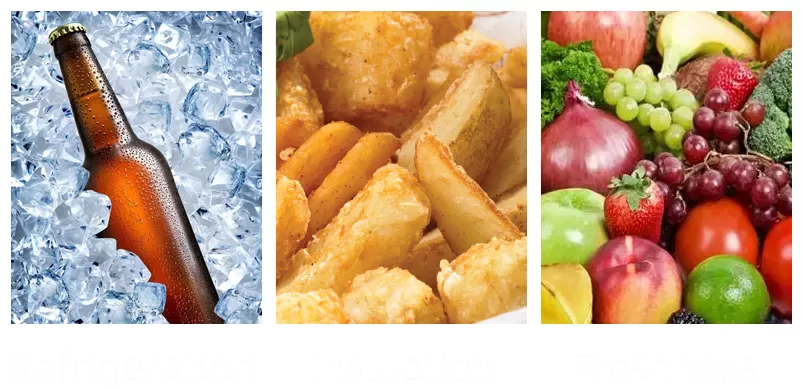
Protect Your Brand with Better Delivery Gear
High-quality delivery bags are a smart investment. They protect your food, lower your refund costs, and keep your customers happy. Working with a dedicated pizza delivery bag maker helps you build a more reliable delivery operation.
As an experienced manufacturer, Weierken helps commercial brands create durable thermal bags. We work with you to choose the right materials and designs for your specific delivery needs.
Submit an Inquiry for Your Custom Project
Ready to improve your delivery quality? Contact our design team today to discuss your specifications, request a quote, or order physical samples. Let us help you find the right equipment for your business.
Frequently Asked Questions
1. What materials are best for heavy-duty pizza warming bags?
The best outer fabrics are 1680D Oxford polyester or heavy PVC tarpaulin. For insulation, high-density EPE foam (15mm or thicker) works well. The interior should feature a food-safe reflective aluminum foil or woven polyester lining to retain heat.
2. How does a pizza delivery bag maker prevent internal condensation?
Manufacturers install ventilation grommets or moisture-venting mesh panels. These small openings let excess steam escape. This keeps the cardboard boxes dry and prevents the pizza crust from getting soggy during transport.
3. Can we order custom sizes to fit our specific pizza boxes?
Yes. A professional custom thermal bag manufacturer can build bags to fit any size, from small 10-inch personal boxes to extra-large 18-inch family trays. You can also customize the height to hold multiple boxes at once.
4. What is the standard production lead time for custom delivery bags?
For custom orders, sample production usually takes 5 to 7 working days. Once the sample is approved, bulk production typically takes 25 to 35 days, depending on the order size and factory schedule.
5. How should we clean commercial food delivery bags?
Wipe the interior and exterior with a damp cloth, warm water, and a mild sanitizer. Do not machine wash or submerge the bags in water. This prevents damage to the inner insulation foam and support panels.