

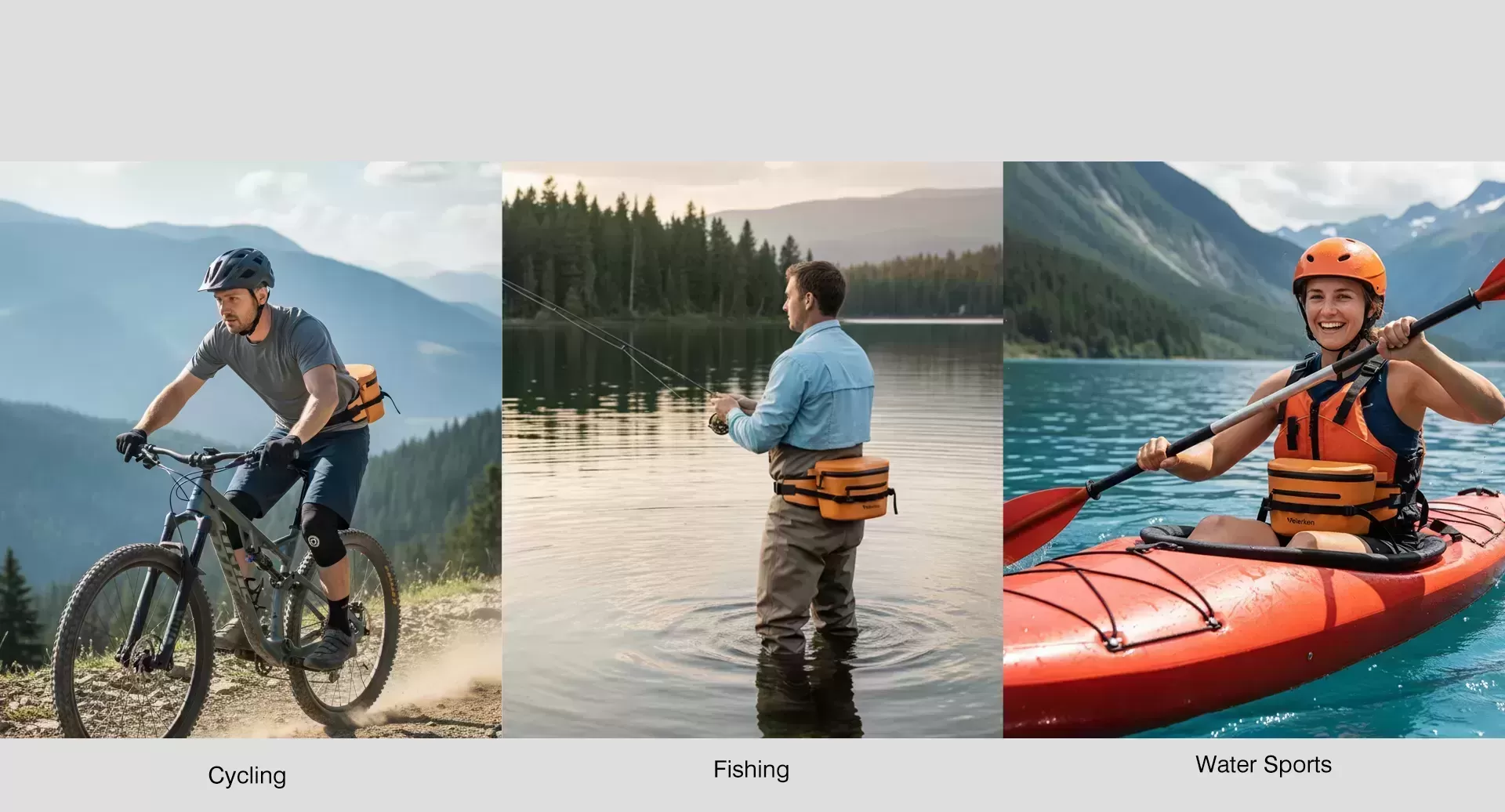
For water sports brands and outdoor gear distributors, product durability is not just a selling point. It directly impacts your bottom line. High return rates due to broken zippers, torn seams, or degraded fabrics can quickly eat into your profit margins and damage your brand reputation.
A reliable paddleboarding bag maker must look at bag construction through the lens of industrial durability and material science. Paddleboards are heavy, awkward to carry, and constantly exposed to harsh elements like salt, sand, and UV radiation.
To address these challenges, experienced manufacturers like weierken focus on engineering solutions that prevent premature wear. This guide explains how professional manufacturing practices solve these common durability pain points, helping B2B buyers choose the right production partner.
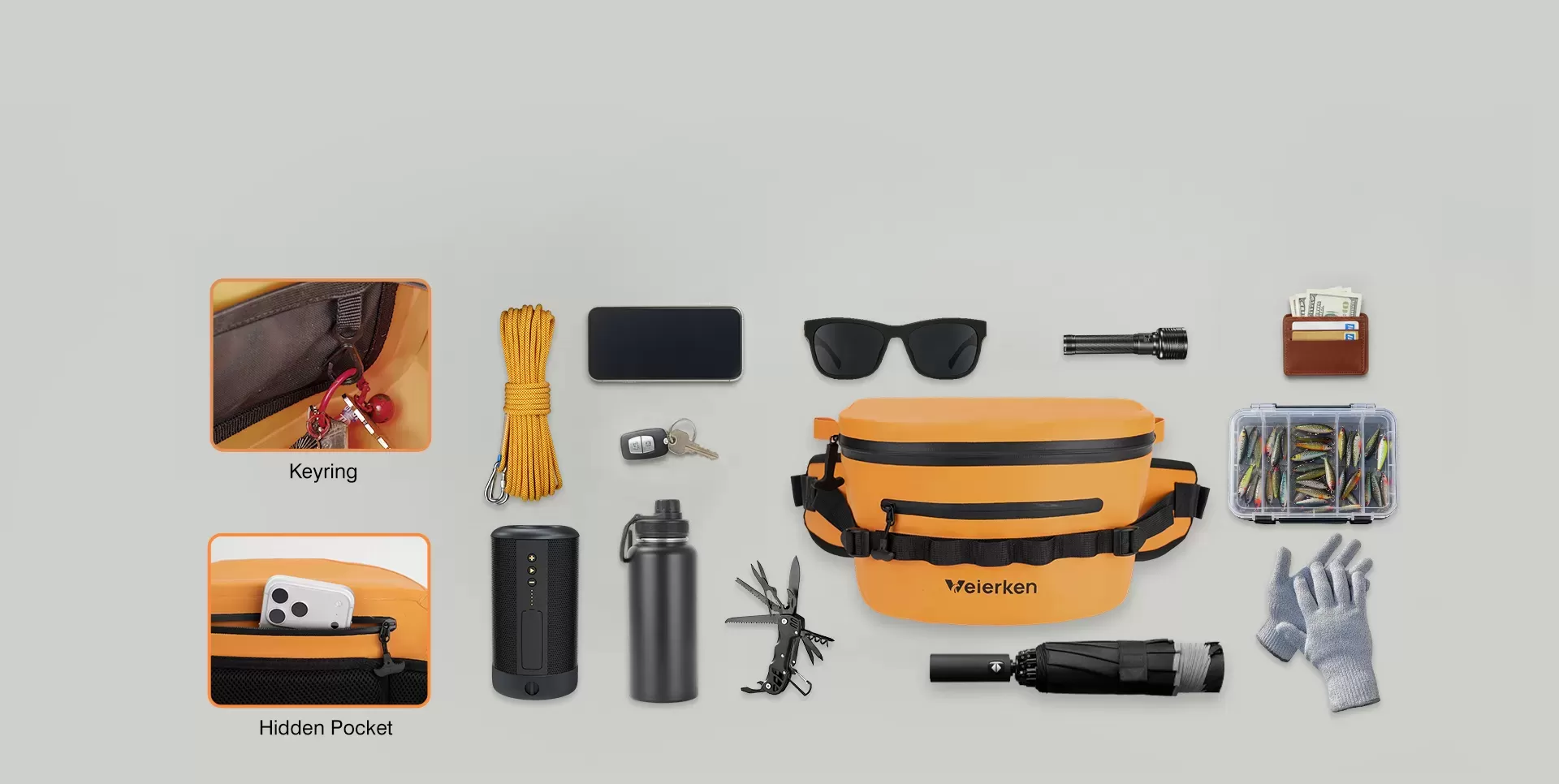
1. Material Selection: Defending Against the Elements
The first line of defense for any heavy-duty SUP bag is the exterior fabric. Standard nylon or polyester fabrics fail quickly when exposed to wet, sunny, and abrasive marine environments. Professional manufacturers select materials based on technical specifications rather than aesthetic appeal alone.
We analyze fabric performance under three main environmental threats: ultraviolet (UV) radiation, water penetration, and mechanical abrasion. Here is how we address these factors during the sourcing phase:
High-Denier Fabrics: We utilize 600D to 1680D polyester or nylon. These thick weaves offer the necessary tear resistance to withstand rough handling during transport.
Polyurethane Coating (PU): Applying a high-quality polyurethane coating to the inner side of the fabric prevents water from seeping through the fibers, protecting the board inside.
UV Inhibitors: Fabrics treated with UV-resistant chemical agents resist color fading and structural degradation caused by long hours of direct sunlight.
Heavy-Duty Tarpaulin: For the high-wear bottom panels, we often use thick, waterproof tarpaulin. This rubberized material resists scraping against sand, gravel, and concrete docks.
By specifying these raw materials, a custom paddleboard bag manufacturer ensures that the base product can survive years of outdoor use without tearing or leaking.
2. Stress Point Reinforcement: Structural Integrity
Most bag failures do not happen in the middle of a fabric panel. They occur at the connection points where handles, shoulder straps, and zippers meet the main body. When a user lifts a heavy stand-up paddleboard, hundreds of pounds of pressure concentrate on small stitched areas.
To prevent these areas from tearing, we employ specialized structural engineering techniques during the sewing process.
We replace standard straight stitching with structural sewing methods designed to distribute weight across a wider surface area. Our production lines implement several critical structural reinforcements:
Box-Stitch and Bartack Sewing: We secure all carry handles and shoulder strap anchors using box-stitching with inner reinforcing webbing. We apply bartack stitching to high-stress corners to stop threads from unraveling under tension.
Webbing Wrap Design: Instead of simply sewing handles to the surface fabric, we wrap the heavy-duty webbing completely around the circumference of the bag. This transfers the lifting load from the fabric to the high-tensile webbing system.
Internal Piping: We finish internal seams with durable bias tape or piping. This prevents the raw edges of the fabric from fraying over time due to friction against the board's rails.
At the weierken production facility, we apply these structural details to every order. This systematic reinforcement significantly reduces warranty claims for our global clients.
Need reliable manufacturing for your water sports brand? weierken provides custom OEM solutions designed for harsh marine environments.
3. Hardware That Resists Saltwater Corrosion
Saltwater is highly corrosive to metal. Standard metal zippers, buckles, and D-rings will rust and seize within a few weeks of exposure to ocean spray. For a marine-grade board bag OEM, hardware selection is critical to product longevity.
We replace vulnerable metal components with marine-grade alternatives specifically rated for saltwater environments. This simple upgrade prevents one of the most common consumer complaints: stuck or broken zippers.
Nylon Coil and Plastic Molded Zippers: We utilize oversized, heavy-duty YKK zippers made from molded plastic or nylon. These materials do not corrode, even when exposed to salt crust.
Saltwater-Resistant Pullers: We use plastic pull tabs or marine-grade stainless steel sliders coated with protective polymer layers to ensure smooth operation over long periods.
Heavy-Duty Polymer Buckles: Shoulder strap adjusters and D-rings are made from high-impact polyoxymethylene (POM) plastic, which retains its strength in freezing cold and high heat.
Using corrosion-resistant hardware ensures the bag remains functional for its entire intended lifecycle, preserving your brand's reputation for quality.
4. Advanced Seam Technologies: Sewing vs. RF Welding
Depending on the product specification, traditional sewing might not be the best option. For fully waterproof dry bags or premium inflatable SUP backpacks, needle holes represent a point of vulnerability where water can enter.
As a versatile paddleboarding bag maker, we offer both traditional mechanical sewing and advanced heat-sealing technologies to meet different market needs.
For applications requiring absolute waterproof performance, we utilize Radio Frequency (RF) welding. RF welding uses electromagnetic energy to fuse thermoplastic polyurethane (TPU) or PVC materials together at the molecular level. This process creates a single, continuous sheet of material, eliminating needle holes entirely.
For stitched bags, we use heavy-duty bonded nylon threads that do not rot when wet, and we apply waterproof seam tape over the stitched lines where necessary. This dual-track manufacturing capability allows us to customize the construction method to your specific target price and performance requirements.
5. Internal Protection: Cushioning and Heat Insulation
A paddleboard bag must protect the board from external impacts during travel, but it must also protect the board from internal heat buildup. Rigid epoxy boards can delaminate, and inflatable boards can over-inflate and burst if they get too hot inside a sealed bag left in the sun.
To address this dual threat, professional manufacturers design a multi-layer wall structure that provides both impact protection and thermal management:
EPE Foam Padding: We insert 5mm to 10mm of high-density EPE foam padding between the inner lining and outer shell. This closed-cell foam absorbs impacts during airport handling without absorbing water.
Heat-Reflective Bottom Linings: We line the bottom of premium travel bags with silver-coated reflective tarpaulin. This material reflects solar radiation, keeping the internal temperature of the bag significantly cooler when placed on hot sand.
Ventilation Grills: We install rubberized mesh vents to allow moisture and heat to escape, reducing the risk of mold growth and heat damage inside the bag.
6. Quality Control and Material Testing Standards
How do we verify that a bag design will actually hold up under real-world conditions? A professional factory does not rely on guesswork. We implement standardized physical testing procedures before, during, and after production.
Before any batch of bags leaves our facility, our quality control team subjects random samples to a series of rigorous stress tests:
Tensile Strength Test: We mount the carry straps and handles to a mechanical pulling machine to measure the exact force required to cause a structural failure. This ensures the bag can easily support weights far exceeding a standard paddleboard.
Salt Spray Chamber Testing: We place zippers and hardware into a highly concentrated salt fog chamber for up to 72 hours to verify their corrosion resistance.
Hydrostatic Pressure Testing: We test coated fabrics and sealed seams to measure their resistance to water penetration under pressure.
Load-Bearing Drop Tests: We pack the bag with weighted replica boards and drop it from various heights to simulate rough handling by airport baggage staff.
This systematic approach to quality control guarantees that when you partner with weierken, your shipment arrives matching your exact durability specifications.
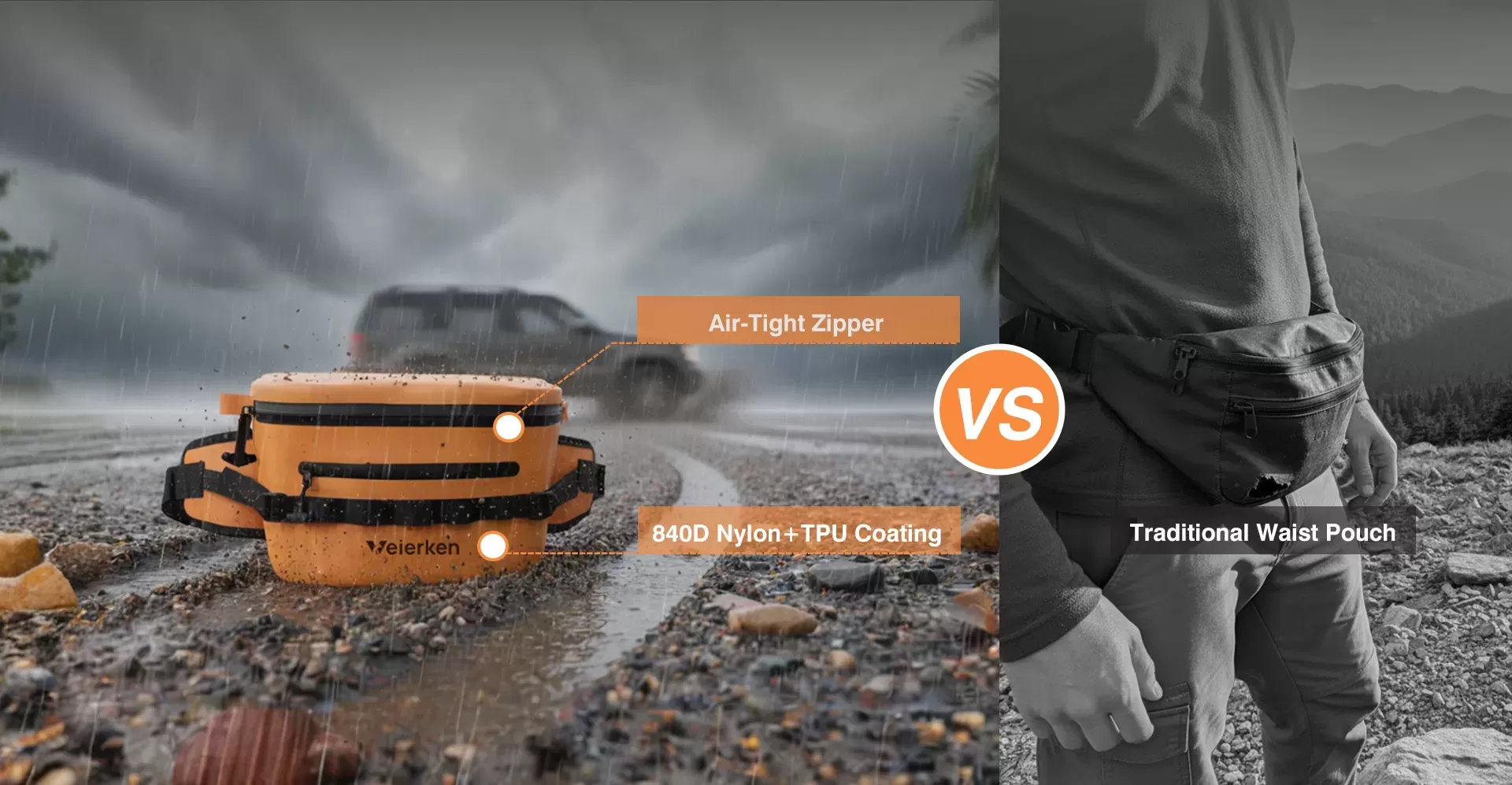
Choose a Manufacturer That Understands the Marine Environment
Building a durable paddleboard bag requires more than basic sewing machinery. It demands a deep understanding of marine textile science, structural engineering, and the real-world conditions that end-users face. Investing in better materials and reinforced construction reduces your long-term costs by lowering customer return rates and protecting your brand image.
Partnering with an experienced paddleboarding bag maker like weierken gives your business access to professional OEM/ODM manufacturing capabilities, reliable material sourcing, and proven quality control workflows. Let us help you design and manufacture gear that stands up to the elements.
Are you ready to improve your product durability? Contact our engineering and sales team today to discuss your custom specifications, request physical material samples, or get a detailed manufacturing quote.
Request a Manufacturing Quote
Contact us to discuss your custom paddleboard bag project. Our team will assist with material selection, technical drawings, and bulk pricing estimates.
Frequently Asked Questions (FAQ)
1. What is the minimum order quantity (MOQ) for custom paddleboard bags?
Our standard MOQ typically starts at 500 units per design. This allows us to source specialized high-denier fabrics and marine-grade hardware efficiently. However, we can discuss flexible quantities depending on your material choices and customization requirements.
2. What is the difference between PU and PVC coatings on board bags?
PU (polyurethane) coatings are lightweight, flexible in cold weather, and environmentally friendly. PVC (polyvinyl chloride) coatings offer excellent waterproofing and are highly cost-effective, but they add more weight to the bag. We help you choose the best coating based on your target market and weight limits.
3. Can you customize the thickness of the internal foam padding?
Yes. We offer closed-cell EPE foam padding in various thicknesses, typically ranging from 3mm for lightweight day bags to 10mm or 12mm for heavy-duty travel bags intended for airline transport. We can also use EVA foam in specific impact zones.
4. How do you ensure the plastic zippers do not split under heavy loads?
We use oversized molded plastic zippers with wide teeth (such as size #10 or #12). These zippers are designed to distribute lateral tension evenly. We also add protective fabric flaps over the zippers to prevent direct stress and stop sand from entering the track.
5. Do you offer eco-friendly or recycled fabric options?
Yes, we can source certified RPET (Recycled Polyethylene Terephthalate) fabrics made from post-consumer plastic bottles. These fabrics can be treated with water-resistant coatings to meet your durability requirements while supporting your brand's sustainability goals.
6. How long does the sample development process take?
Creating a custom sample typically takes 7 to 14 business days, depending on the complexity of the design and the availability of specific hardware. Once you approve the sample, we can proceed with bulk production scheduling.