

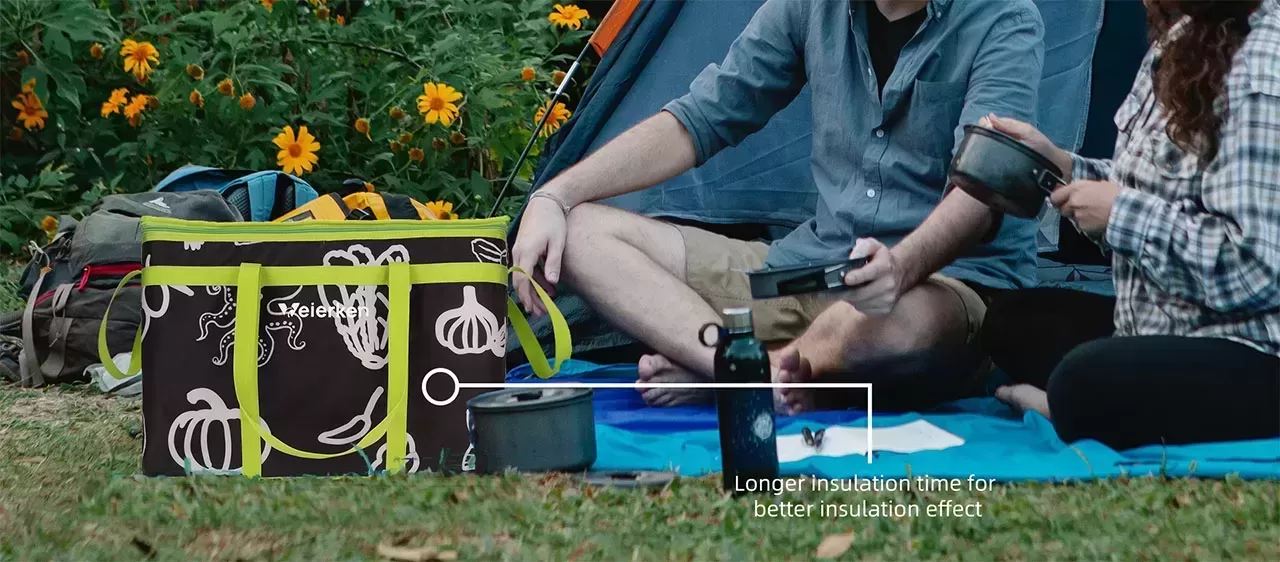
For retail chains, grocery stores, and promotional distributors, the right grocery shopping bag factory directly impacts product reliability, brand image, and supply chain consistency. Based on real procurement experience, this guide breaks down the critical checks—from material quality to customization depth—that separate dependable manufacturers from the rest. Whether you need reusable totes, non-woven carriers, or eco-friendly designs, these seven factors will help you make a confident decision.
1. Material Portfolio: Beyond Single-Use Options
Modern buyers rarely rely on a single bag type. A versatile grocery shopping bag factory should offer a range of materials suited for different use cases:
Non-woven polypropylene (NWPP): Durable, water-resistant, and cost-effective for high-volume reusable bags.
Canvas or cotton: Premium feel, biodegradable, and ideal for branded retail bags.
Recycled PET (rPET): Made from plastic bottles, supporting circular economy goals.
Biodegradable composites: PLA or starch-based films for short-life applications.
Experienced factories like weierken help clients match material properties to actual usage patterns — for example, suggesting NWPP for grocery pickup services and cotton canvas for boutique stores.
2. Customization Capabilities: From Size to Print
Off-the-shelf bags rarely fit unique brand requirements. A capable grocery shopping bag factory provides:
Dimension tailoring: Height, width, gusset, and handle length adjustments.
Printing methods: Screen printing, heat transfer, or UV printing for multi-color logos.
Handle styles: Die-cut, sewn webbing, or rope handles with reinforced stitching.
Add-on features: Zipper closures, inner pockets, or button flaps.
weierken routinely produces sample batches for client approval before mass production, ensuring Pantone matching and print placement are precisely executed.
3. Quality Control Protocols That Matter
Defective bags lead to customer complaints and returns. Ask potential factories for documented quality checks:
Fabric weight and tensile strength testing – ensures handles won't tear under load.
Stitch density inspection – typically 4–6 stitches per inch for non-woven bags.
Color fastness and rub tests – prevents logo fading from friction.
Functional checks – zipper smoothness, seam alignment, and bottom reinforcement.
A reliable grocery shopping bag factory will share test reports upon request. weierken provides in-line QC checklists and final inspection videos for every batch.
4. Sustainability Certifications and Material Sourcing
Retailers increasingly demand proof of eco-claims. Verify the factory's credentials:
GRS (Global Recycled Standard) for rPET materials.
FSC certification for paper-based bags.
GOTS or OEKO-TEX for organic cotton.
BSCI or SMETA audits for ethical production.
Without these, "eco-friendly" claims remain unverified. Factories that invest in certifications — like weierken with its GRS and BSCI compliance — offer traceable supply chains for environmentally conscious brands.
5. Production Capacity and Lead Time Transparency
Seasonal peaks or promotional deadlines require predictable output. When evaluating a grocery shopping bag factory, ask for:
Monthly output range (e.g., 200,000–500,000 units for medium-scale lines).
Lead time breakdown: material procurement, printing, sewing, packing, and loading.
Rush order policy – minimum notice and extra shift availability.
Standard custom orders take 30–45 days from sample approval to delivery. Factories with vertical integration (in-house printing and cutting) often achieve shorter cycles.
6. Printing Precision and Branding Options
Bag printing is a major touchpoint for brand visibility. Check the factory's equipment and prior work:
Color count and gradient support – advanced factories handle 6–8 spot colors or full-color digital prints.
Print durability – wash resistance for reusable bags.
Positioning accuracy – consistent logo placement across thousands of units.
weierken uses automatic screen-printing lines with registration sensors, ensuring high-definition logos even on textured non-woven surfaces.
7. Regulatory Compliance for Your Target Market
Different regions enforce distinct bag regulations. A professional grocery shopping bag factory should understand and comply with:
EU plastic bag directive – thickness requirements and labeling.
California bag ban (SB 270) – reusable bag criteria.
Food contact material standards – FDA or LFGB for produce bags.
Recycled content mandates – specific to certain states or retailers.
Ask factories to provide material declarations and compliance letters. weierken regularly exports to North America and Europe, maintaining up-to-date documentation for each destination's regulations.
What Modern Grocery Shopping Bag Factories Are Innovating
Beyond the basics, leading manufacturers are introducing practical features that solve real operational problems:
Reinforced bottom boards – prevents sagging when bags hold heavy items.
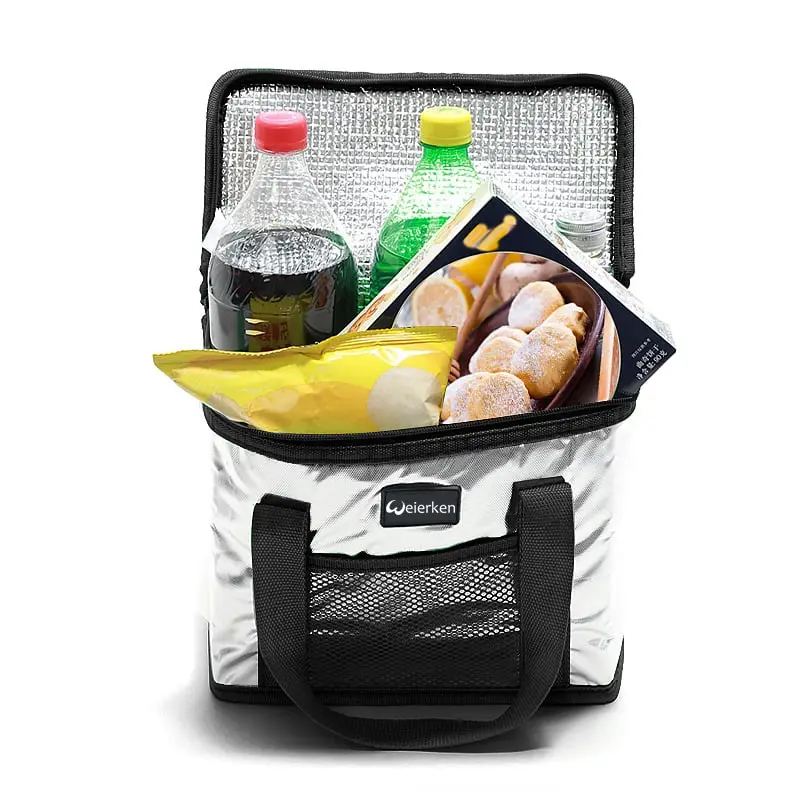
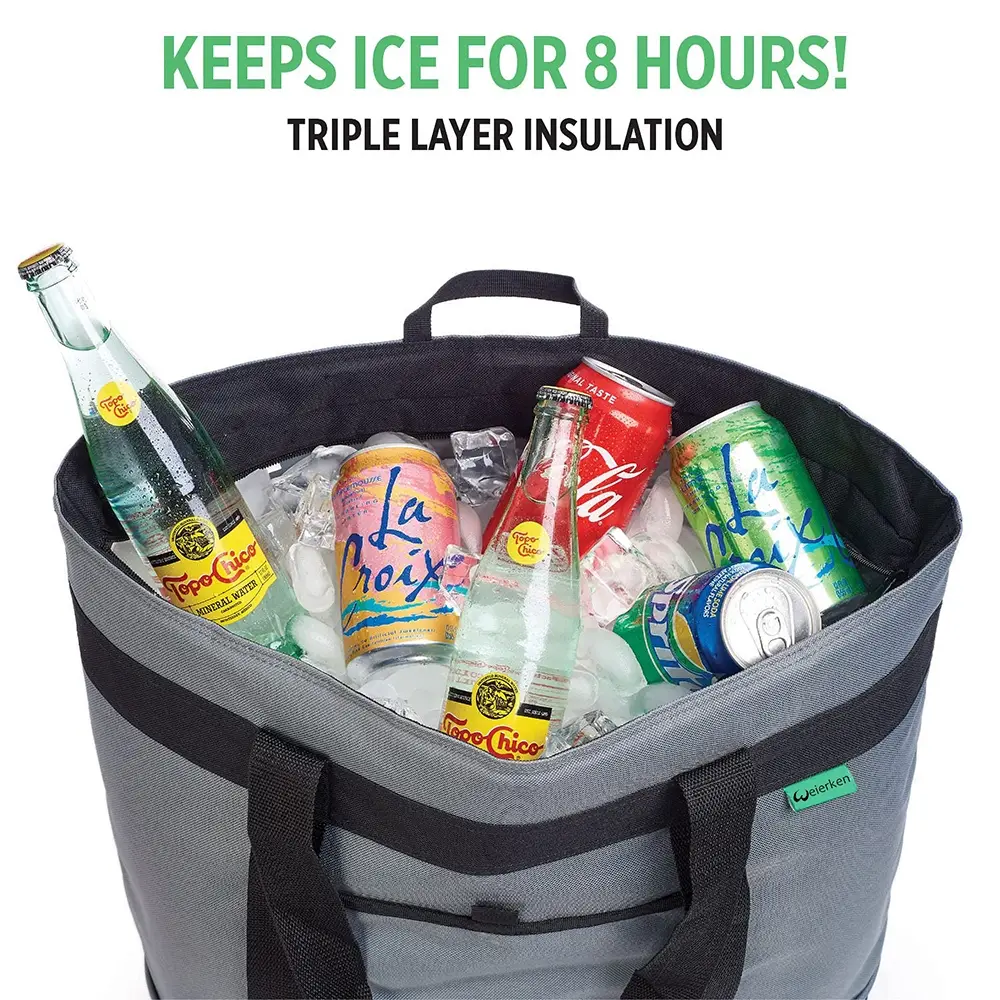
Leak-proof linings – ideal for fresh produce or frozen goods.
Folding designs with Velcro closure – compact storage for reusable bags.
RFID or QR code integration – for loyalty programs or inventory tracking.
These innovations reduce bag replacement frequency and enhance end-user satisfaction — key metrics for any B2B buyer.
Frequently Asked Questions (FAQ)
Choosing the right grocery shopping bag factory means balancing material quality, customization precision, production reliability, and compliance expertise. Whether you need high-volume non-woven carriers, premium cotton totes, or rPET promotional bags, a transparent manufacturing partner simplifies the entire sourcing process.
Ready to discuss your specific bag requirements? Get material samples, printing proofs, and a tailored production plan.