


For grocery chains, meal kit services, and food distributors, the performance of insulated bags directly affects product freshness and customer retention. Choosing the right grocery thermal bag factory goes beyond comparing specifications — it determines how reliably your cold chain holds up across thousands of deliveries. Based on real procurement experience, this guide walks you through the essential checks, material innovations, and operational safeguards that separate dependable manufacturers from the rest.
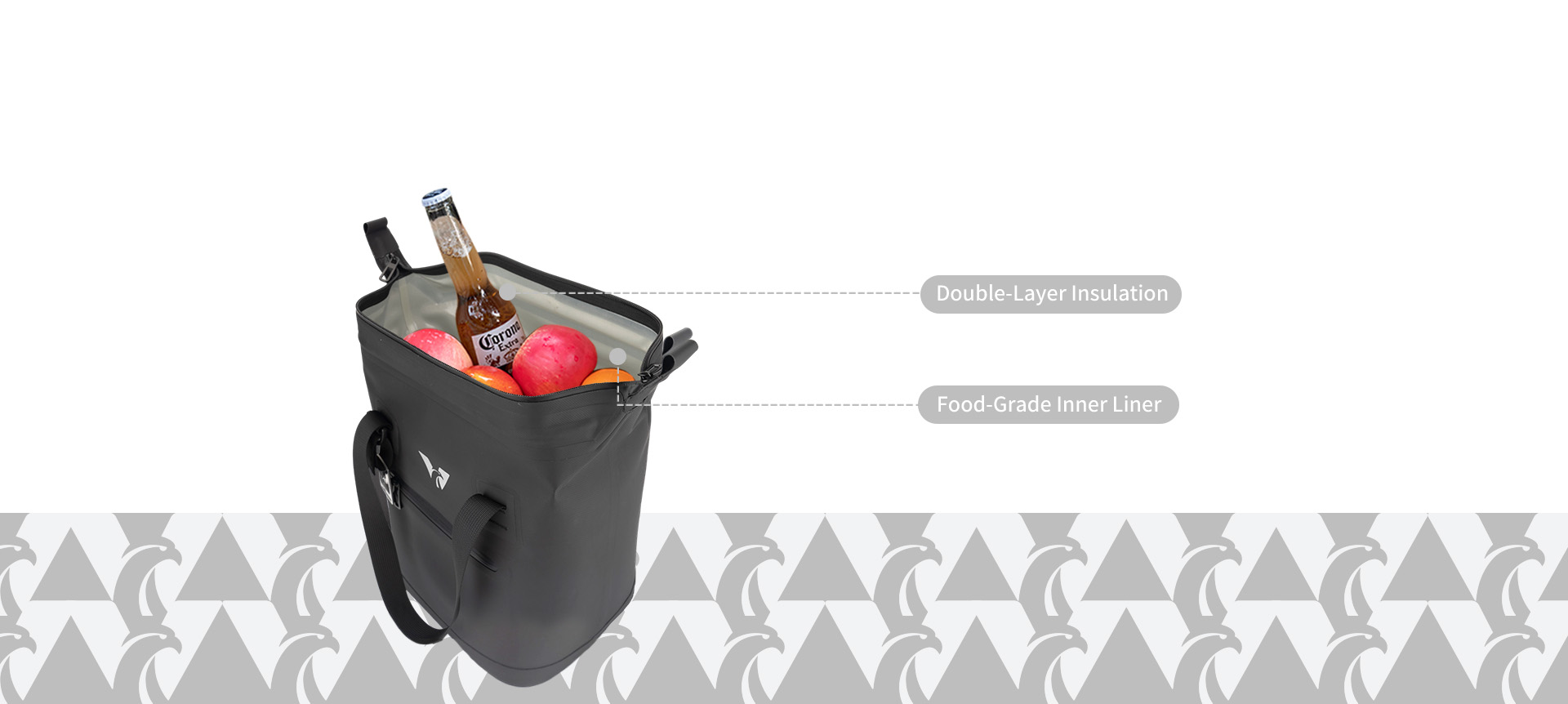
Why Your Choice of Grocery Thermal Bag Factory Affects Daily Operations
A poorly insulated bag can cause temperature fluctuations of over 10°C within two hours, leading to spoiled dairy, thawed frozen goods, and rejected shipments. According to food logistics research, quality insulation reduces temperature variation by up to 70%, keeping meat and produce safe for 4–6 hours. A professional grocery thermal bag factory designs every seam, liner, and closure to maintain stable internal conditions — not just for retail use but for repeated commercial handling.
Core Capabilities You Should Expect from a Reliable Factory
When evaluating potential partners, focus on these four manufacturing pillars. Factories that master them — like weierken — solve the real‑world problems of bag tearing, heat leakage, and short lifespan.
Material & Insulation Systems
Thermal core: High‑density foam (8–12mm) or reflective aluminum foil layers that block radiant heat.
Outer fabrics: Options include 600D polyester, non‑woven, or recycled PET (rPET) for tear resistance.
Leak‑proof liners: PEVA or PVC‑free coatings that withstand condensation and spills.
Closure types: Heavy‑duty zippers, hook‑and‑loop strips, or roll‑top buckles — each suited for different retention needs.
Customization Without Compromising Quality
Your brand identity requires specific colors, logo placement, size variations, and handle types. A capable grocery thermal bag factory provides sample‑based customization and allows adjustments to insulation thickness or pocket layouts. For instance, weierken works with B2B clients to match Pantone colors, add reinforced shoulder straps, and integrate transparent ID card windows — all while preserving the bag’s thermal performance.
Quality Assurance and Testing Protocols
Reliable factories operate with ISO 9001 systems and conduct in‑house cold chain simulations. Key tests include:
Temperature retention: Monitoring internal heat gain over 4, 6, and 8 hours.
Seam strength: Pull tests on handles and zipper attachments.
Water resistance: Hydrostatic pressure ratings (e.g., 3000mm for heavy use).
Material safety: Compliance with FDA or LFGB food‑contact standards.
Key Selection Criteria for a Grocery Thermal Bag Factory
Experienced buyers evaluate more than sample appearance. Use this checklist during factory audits.
Production Capacity & Lead Time Transparency
Ask for a clear production timeline: custom orders typically require 30–50 days from design approval to shipment. Medium‑sized factories should handle monthly volumes of 200,000–500,000 units. If a supplier hesitates to share bottleneck points (e.g., foam lamination or fabric sourcing), consider that a red flag.
Certifications and Compliance
Prioritize factories with documented certifications: ISO 9001:2015 for quality management, BSCI or SEDEX for social compliance, and material declarations (REACH, Prop 65). These documents prove traceability, especially for export orders.
Sustainability & Eco‑Material Options
Retailers increasingly demand rPET, PVA‑based biodegradable coatings, or non‑woven fabrics from recycled sources. A forward‑looking grocery thermal bag factory offers at least two sustainable alternatives without downgrading insulation life. weierken, for example, provides rPET linings and water‑based laminations that maintain strength after 50+ washes.
Supply Chain Stability
Raw material shortages or logistic disruptions can idle your inventory. Ask factories about their backup suppliers for foam, zippers, and fabric. Those with vertically integrated stitching and lamination lines are less vulnerable to external delays.
Modern Features That Solve Real Delivery Problems
Beyond basic insulation, innovative factories now integrate practical upgrades that reduce replacement frequency and improve user experience.
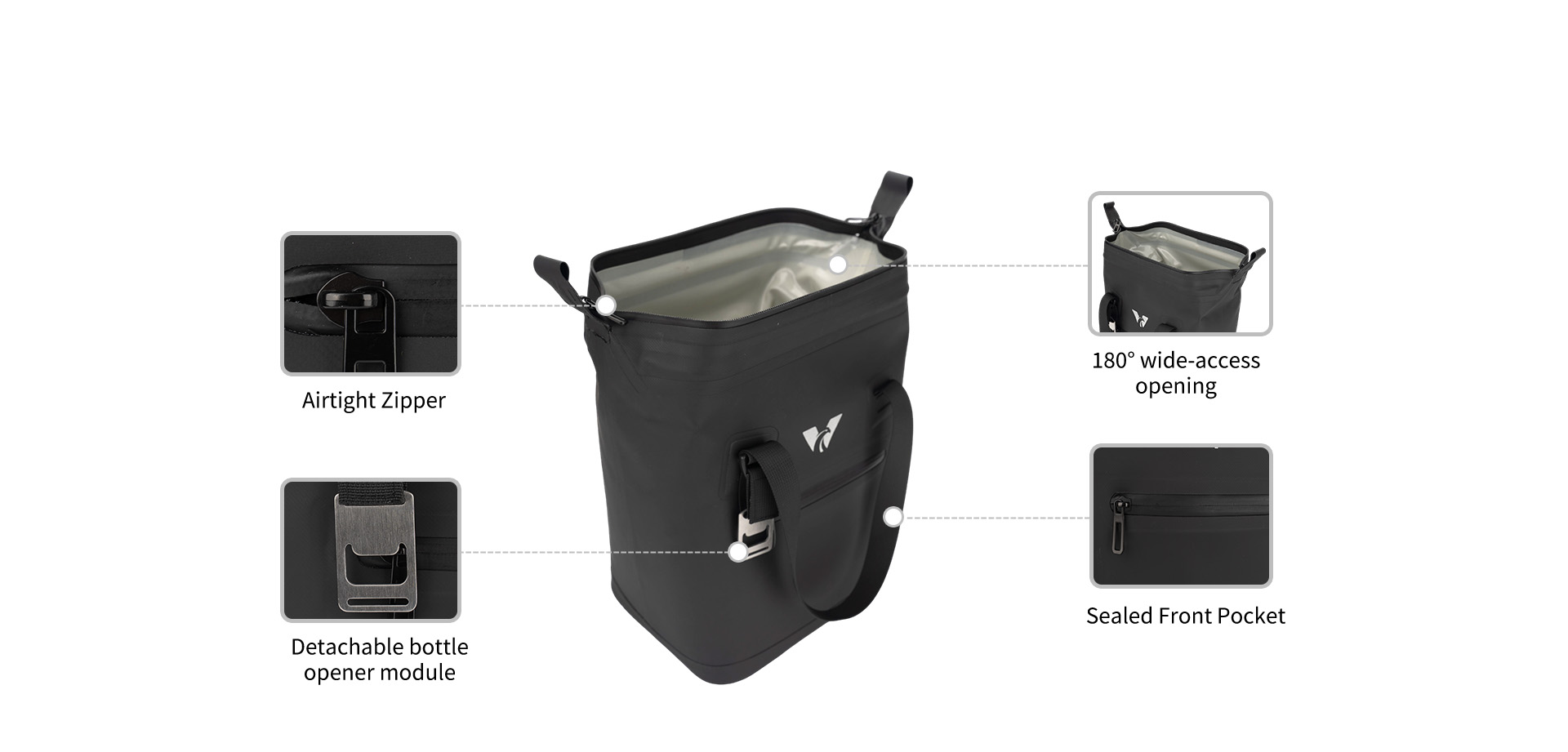
Reinforced stress points: Double stitching at handle joints and bottom corners prevents blowouts under heavy loads.
Leak‑proof base boards: Removable or sewn‑in PE boards keep the bag’s shape and contain spills.
Multi‑pocket designs: Exterior sleeves for receipts, phones, or thermal gel packs.
Convertible carry options: Detachable shoulder straps or tote‑to‑backpack conversions for delivery riders.
Market feedback shows that bags with reinforced zippers and waterproof outer coatings reduce replacement cycles by nearly 40% — a direct operational saving for delivery fleets.
How weierken Supports Professional Buyers
At weierken, we have spent years solving the most frequent complaints from grocery distributors: bags that lose heat after three months, zippers that jam, and inconsistent foam thickness across batches. Our approach starts with a detailed requirement form: target retention hours, expected load weight, closure style, and branding specifics. Then we produce pre‑production samples with material certificates and cold‑chamber test reports.
For each order, we assign a dedicated quality controller who monitors fabric lamination density, stitch count per inch, and zipper slider smoothness. This process has helped our B2B partners maintain consistent performance across thousands of thermal bags, even for last‑mile delivery in hot climates. Whether you need rPET‑lined totes or heavy‑duty zipper bags for frozen seafood, we provide clear specifications and transparent lead times — without hidden surprises.
Frequently Asked Questions (FAQ)
Selecting a grocery thermal bag factory that combines material expertise, consistent quality control, and responsive customization directly improves your cold chain reliability. Whether you need wholesale insulated totes, custom‑printed cooler bags, or eco‑friendly thermal liners, the right manufacturing partner becomes an extension of your logistics team.
Ready to discuss your specific requirements? Get detailed specifications, sample testing options, and a tailored manufacturing plan.
Request a Quote →