
In the food delivery chain, an insulated bag is more than a simple container. It serves as your brand's moving billboard and acts as the primary defense for food safety. Selecting a reliable take out thermal bag maker directly impacts your food quality, delivery success, and overall customer satisfaction.
At weierken, we know that commercial buyers need durable, cost-effective, and safe solutions. Before you sign a long-term contract or place a large bulk order, you must ask specific manufacturing questions. Asking these critical questions helps you avoid common pitfalls and secure the best value for your business.
Here are seven essential questions you should ask your take out thermal bag maker to protect your investment and build a reliable supply chain.
1. Which material combinations do you recommend to balance thermal insulation and unit cost?
Do not simply ask if a bag can keep food hot or cold. You need to understand the physical layers and raw material options. A knowledgeable take out thermal bag maker will explain how different material combinations affect thermal performance and production costs.
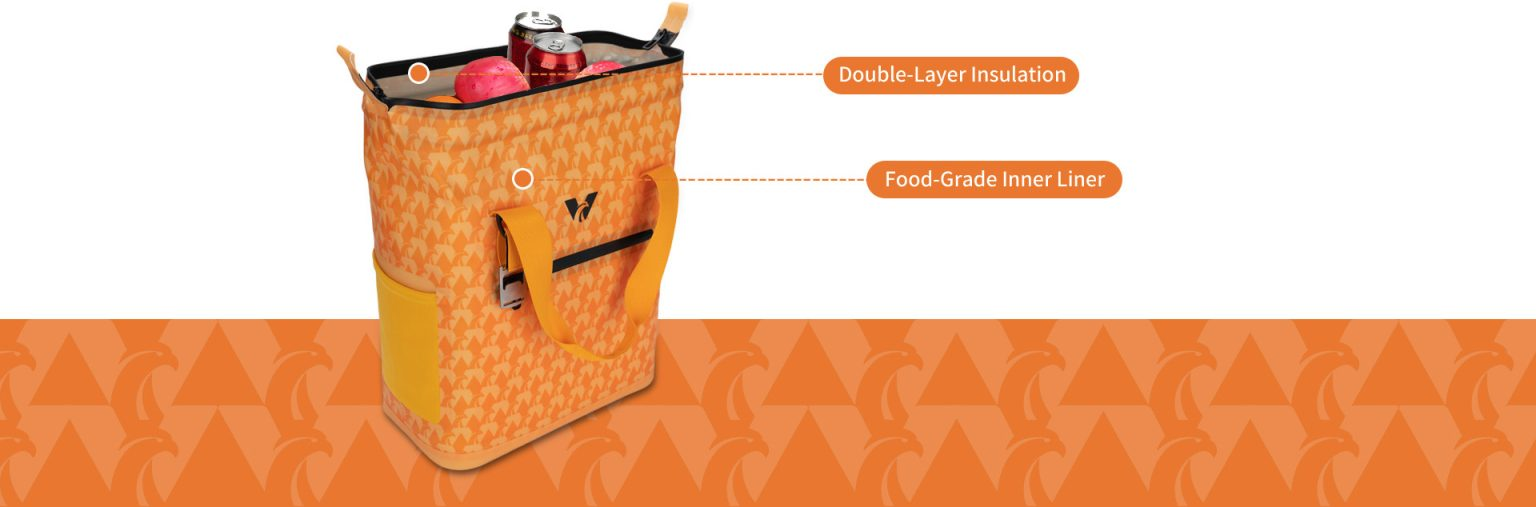
Ask your supplier about the exact structure of their insulation bags. Common configurations include:
Non-woven fabric combined with EPE foam and aluminum foil.
Oxford fabric paired with pearl cotton and woven foil liners.
Heavy-duty PVC outer shell with thick polyurethane board insulation.
Let your take out thermal bag maker know your average delivery times. If your average delivery takes 15 minutes, a lightweight 2mm EPE foam liner might suffice. For deliveries extending beyond 45 minutes, you will need a 5mm or 8mm high-density foam core with heat-sealed, leak-proof interior linings. Balancing these specifications prevents you from overpaying for unnecessary insulation or buying inadequate bags.
2. Do your materials comply with food contact safety standards, and can you provide certificates?
Food safety is a non-negotiable requirement for commercial food delivery. The interior lining of your bag directly and indirectly contacts steam, condensation, and food containers. Using low-grade materials can lead to chemical odors, physical contamination, and regulatory non-compliance.
Ask your take out thermal bag maker if they hold official compliance certificates. It is important to verify the safety of every material layer used in production.
Ask the supplier if they have the following credentials:
FDA or LFGB compliance reports for the inner aluminum foil liner.
REACH or RoHS certifications for the outer plastic, fabric, and dyes.
Odor-free test results for the hot-melt adhesives used in the lamination process.
Working with a certified partner like weierken ensures your packaging complies with international safety standards. Safe materials protect your customers and keep your brand out of legal trouble.
3. What reinforcement methods do you use to handle heavy loads and high-frequency use?
Delivery drivers handle thermal bags roughly during peak rush hours. Broken handles, torn shoulder straps, and split zippers are common causes of delivery disruptions and customer complaints. Your bag must withstand daily stress, heavy food trays, and constant friction.
Inquire about the specific mechanical reinforcements your take out thermal bag maker implements during assembly.
Ensure your supplier uses these heavy-duty construction methods:
Cross-stitching (X-stitching) at the handle attachment points.
Reinforced piping or heavy-duty webbing along all major load-bearing seams.
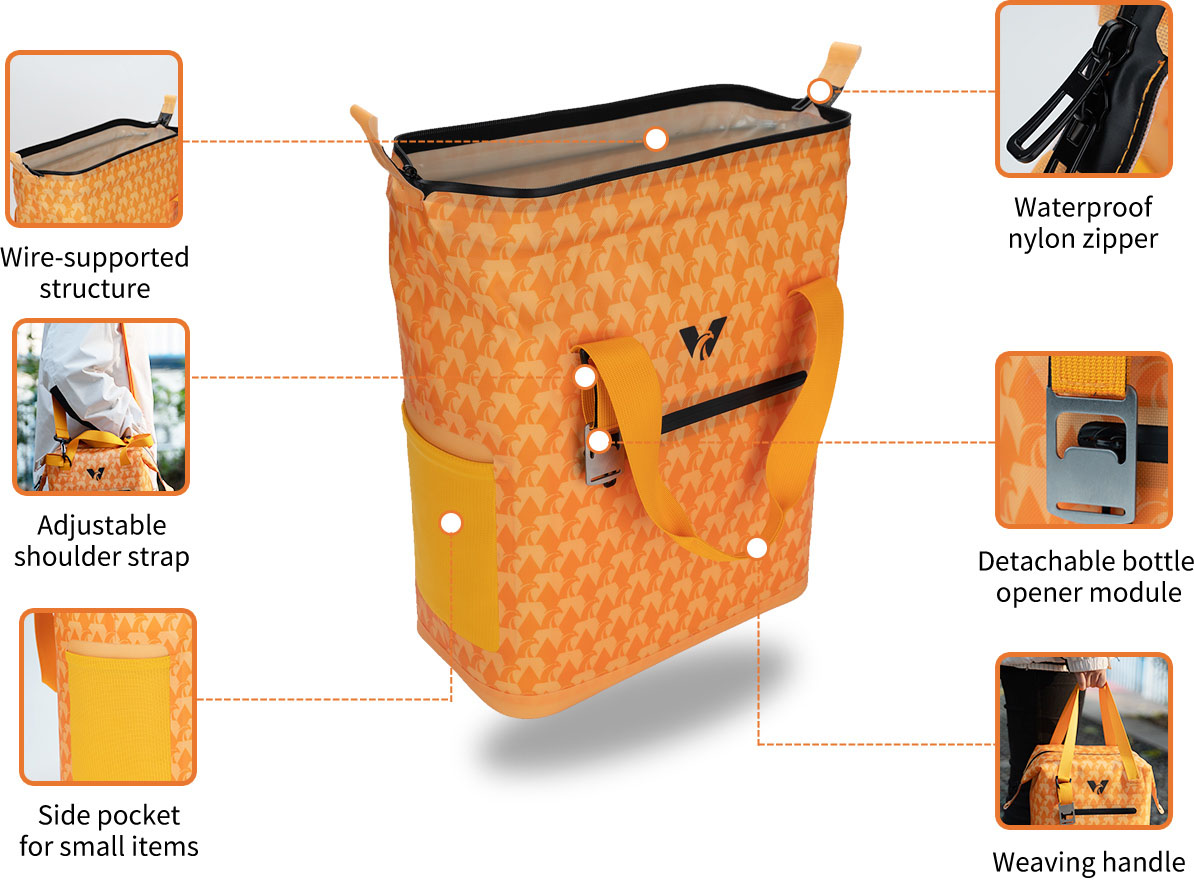
Branded, high-durability zippers, such as YKK or SBS, that are rated for thousands of open-and-close cycles.
Double-sided sewing thread made from high-tensile nylon to prevent rot and unraveling.
By securing these structural details early, you reduce the frequency of bag replacements. Durable construction keeps your delivery operations running smoothly and reduces long-term operational costs.
4. What printing technologies do you use, and how do you prevent logo fading and color deviation?
Your delivery fleet represents your brand on the street. A faded, peeling, or off-color logo can make your business look unprofessional. Customization is a key part of B2B thermal bag procurement.
Ask your take out thermal bag maker about their printing capabilities and quality control for artwork. At weierken, we carefully match printing methods to the design requirements of our clients.
Discuss these standard printing processes with your manufacturer:
Silk Screen Printing: Best for simple, solid-color logos with high contrast.
Rotogravure Printing: Ideal for complex, multi-colored designs that require high resolution.
Heat Transfer Printing: Perfect for small batches with photographic elements.
Ask how the factory ensures color accuracy across large production runs. A professional take out thermal bag maker will use Pantone color matching. They should also apply protective UV coatings to prevent your logo from fading under sunlight or wearing off in heavy rain.
5. What is your minimum order quantity (MOQ), and how are the pricing tiers structured?
Managing inventory and cash flow is a vital aspect of B2B procurement. High minimum order requirements can strain your budget, while low orders might increase your per-unit costs.
Ask your take out thermal bag maker to explain their MOQ policy and any extra setup costs.
Clarify how customization levels affect order requirements:
Standard stock bags with custom logo printing: These usually have a low MOQ of 100 to 300 pieces.
Fully customized bag shapes and custom dyed fabrics: These often require an MOQ of 1,000 pieces or more.
One-time fees: Ask about printing plate charges, knife mold fees, and sample development costs.
Understanding these pricing tiers helps you find the right balance between order volume and unit price. It also helps you plan your storage space and inventory rotation cycles.
6. What is your average production lead time, and how do you handle seasonal demand peaks?
The catering and food delivery industries experience major seasonal fluctuations. A delay in your thermal bag supply can disrupt your delivery capacity during your busiest times of the year.
Ask your take out thermal bag maker about their production schedule and capacity limits.
Get clear answers on the following points:
What is the standard production timeline after sample approval? (Usually 15 to 25 days).
How does the factory handle national holidays or peak winter demand?
What is their daily maximum production capacity for your specific bag style?
Do they maintain buffer stocks of raw materials to bypass global supply chain bottlenecks?
A reliable supplier should have contingency plans to maintain stable delivery times. Partnering with a manufacturer that offers consistent production schedules ensures your business never runs out of essential delivery bags.
7. What is your Quality Control (QC) process, and how do you handle defective items?
No manufacturing line is entirely free of defects. However, a professional manufacturer has strict testing protocols to catch mistakes before they leave the factory floor. You need to know what happens if you receive a shipment with defects.
Ask your take out thermal bag maker about their quality inspection standards and after-sales service.
Make sure you understand their quality and return policies:
Do they conduct 100% manual inspections, or do they rely on AQL (Acceptable Quality Limit) sampling?
How do they test thermal insulation and seam strength on completed bags?
What is the formal process for reporting sewing defects, broken zippers, or printing errors?
What are the compensation options? (e.g., partial refunds, replacement bags in the next shipment, or product returns).
Establishing clear quality terms protects your business from financial loss. A transparent manufacturer will readily share their QC checklists and offer a fair, written warranty policy.
Selecting a take out thermal bag maker involves more than finding the lowest price. It requires choosing a reliable manufacturing partner that understands food safety, durability, and brand consistency. Asking these seven questions helps you identify professional suppliers, reduce purchase risks, and secure high-quality delivery gear.
At weierken, we help food delivery brands, restaurants, and logistics platforms build durable, insulated transport bags. We focus on food safety compliance, reinforced assembly, and high-quality custom printing. We work closely with our clients to deliver reliable products that keep food warm and protect your brand image.
Are you ready to purchase custom insulated delivery bags for your fleet? Contact our sales team today to share your specifications, request a sample, or ask for a detailed quote.
Frequently Asked Questions
Q1: Can we print different designs on the front and back of the delivery bag?
Yes. Most professional manufacturers can print different logos, graphics, or social media handles on different sides of the bag. You should clarify if the manufacturer charges extra plate setup fees for multiple print designs before production starts.
Q2: How do I choose between a top-loading and front-loading delivery bag?
Top-loading bags are ideal for small food containers, soup bowls, and individual fast-food orders. Front-loading bags are better for pizza boxes, large catering trays, and stackable lunch boxes. Let your take out thermal bag maker know your typical food container sizes to find the best fit.
Q3: What are the benefits of using a hot-pressed inner liner over a sewn liner?
Hot-pressed or heat-sealed liners are completely seamless, making them 100% leak-proof. If a liquid spills inside, it will not seep into the insulation foam. Sewn liners have small needle holes that can let moisture through, making them harder to clean and sanitize.
Q4: How long can a standard insulated bag keep food above the safe temperature of 60°C?
With standard 5mm EPE foam and an aluminum foil lining, a quality bag keeps food hot for 45 to 60 minutes. If you need longer retention times, you can ask your manufacturer to use thicker 8mm foam, heated elements, or specialized thermal boards.
Q5: Can a take out thermal bag maker match our exact corporate Pantone colors?
Yes. Manufacturers can match your brand's Pantone colors for both the printing ink and the fabric trim. Make sure to provide the exact Pantone codes during the design phase to prevent color variations.
Q6: What is the typical lifespan of a commercial-grade delivery bag?
A well-made commercial delivery bag lasts between 6 to 12 months under daily, high-frequency use. Lifespan depends on material choice, weight loads, weather exposure, and how well the delivery drivers handle the bags.