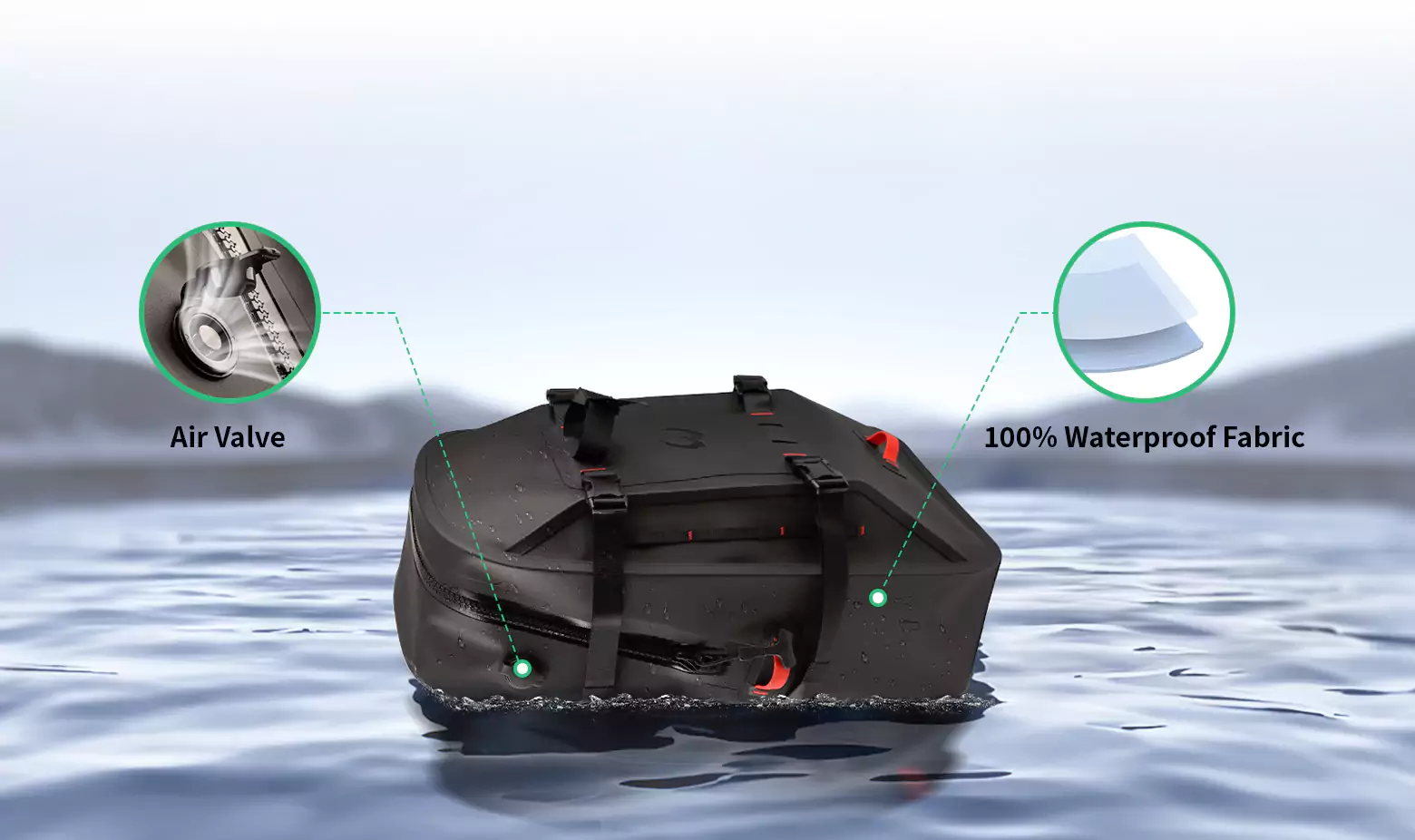
Fishing gear bags endure extreme punishment. Anglers subject them to sharp hooks, abrasive fishing lines, bait spills, and corrosive saltwater. Furthermore, frequent wading exposes the gear to constant moisture.
As a B2B buyer—whether you run a tackle brand, an outdoor retail chain, or a fishing club—your choice of manufacturer directly dictates your product’s reputation. A poorly constructed bag ruins a fishing trip and damages consumer trust. Established brands like weierken know that securing a capable manufacturing partner is the foundation of market success.
You need a specialized fishing bag fabricator, not just a generic sewing factory. This article details eight core metrics to help you systematically evaluate a manufacturer’s true capabilities.
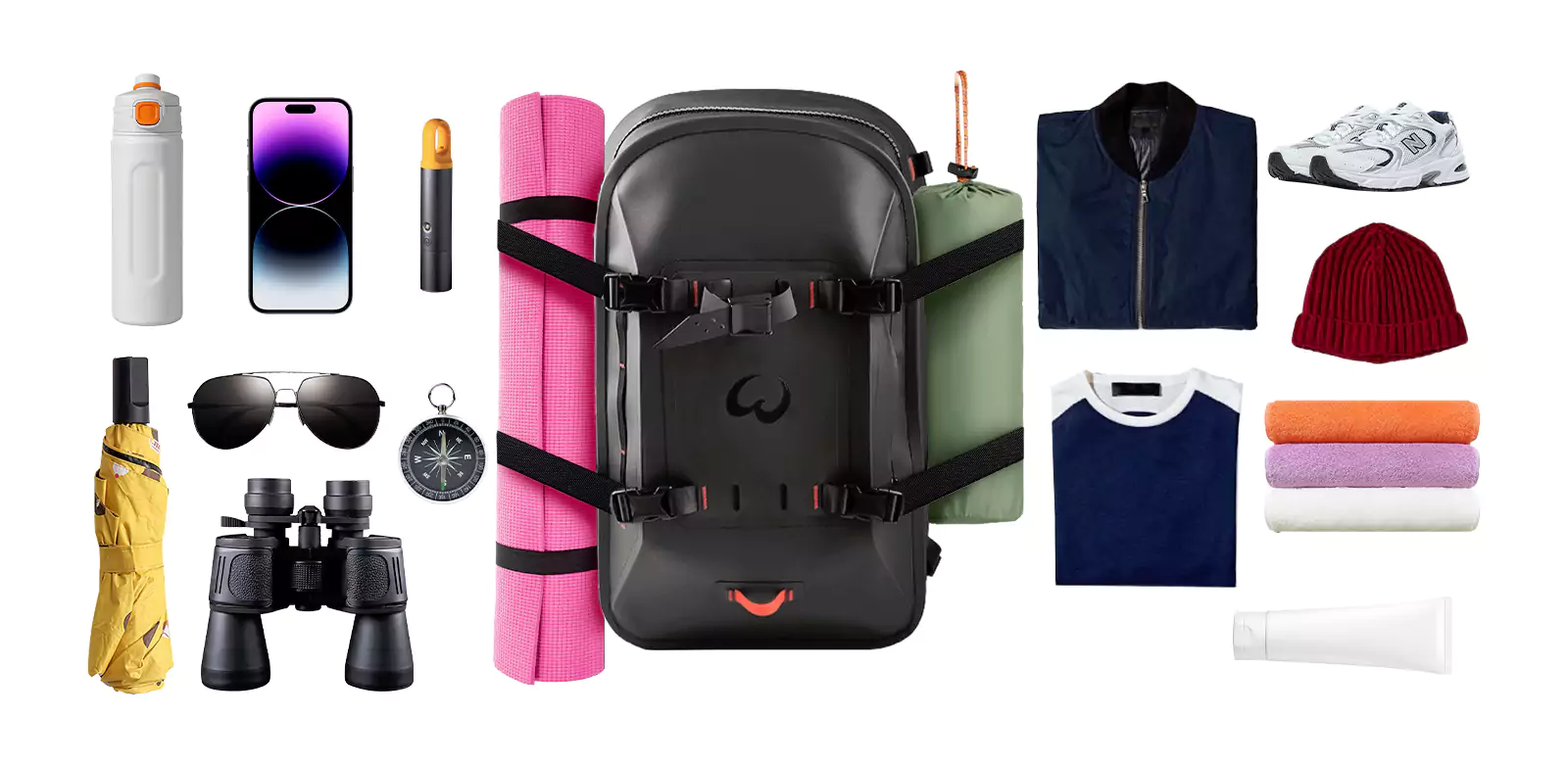
1. Material Professionalism and Weather Resistance
A fishing bag spends its life outdoors. Therefore, the raw materials must offer exceptional weather resistance. You must evaluate the factory’s supply chain for fabrics and hardware.
Ask the fishing bag fabricator specific questions about their material sourcing:
- Outer Fabric: Do they use high-tear-resistant nylon, such as 500D or 1000D Cordura®? Do they apply anti-UV and anti-mildew treatments to prevent sun degradation and mold?
- Waterproof Coatings: Are the fabrics treated with PU or TPU waterproof coatings? Ensure the fabric passes a hydrostatic pressure test with a rating of ≥3000mm.
- Corrosion Resistance: Saltwater destroys cheap metal. Are the zippers, D-rings, and buckles made from stainless steel or treated with anti-corrosion coatings?
How to Evaluate:
Demand third-party testing reports for tear strength, UV resistance, and hydrostatic pressure. Ask the fishing tackle bag manufacturer for material certificates verifying the hardware’s performance in salt spray chambers.
2. Functional Design Adaptability
Fishing environments vary drastically. Anglers fish from rocky shores, boats, and ice. The functional design of the bag must match these specific scenarios perfectly.
A professional fishing bag fabricator understands these nuances and builds targeted compartments. Look for the following design capabilities:
- Rod Holders: Does the bag feature secure rod straps or dedicated rod tubes? Can the design accommodate varying rod handle lengths and diameters?
- Reel Compartments: Does the factory include thickened, padded dividers to protect expensive reels from impact?
- Accessory Storage: Are there independent compartments for bait boxes, plier sheaths, and spool dispensers? A good factory organizes these zones logically for quick access.
- Live Fish Compatibility: Can the main compartment hold a live fish bag or a collapsible water bucket? Does the compartment feature a proper drainage system?
How to Evaluate:
Provide the factory with a specific user scenario, such as surf fishing. Ask the fishing backpack supplier to present past design cases that successfully addressed those exact environmental challenges.
3. Waterproofing and Drainage Design
Wading through rivers and dealing with heavy rain are normal parts of fishing. A premium bag must balance heavy-duty waterproofing with intelligent drainage.
Evaluate the factory’s technical approach to water management:
- Waterproof Ratings: Can the factory construct bags that meet IPX5 (water jet protection) or IPX7 (temporary submersion) standards?
- Seam Construction: Traditional stitching leaks. Does the fishing bag fabricator utilize high-frequency welding or seamless seam-taping technologies?
- Zipper Sealing: Do they source authentic waterproof zippers, such as YKK AquaGuard®? If standard zippers are used, do they design overlapping waterproof flaps to block rain?
- Drainage Systems: For non-waterproof tackle compartments, does the bag feature brass drainage grommets at the bottom? Do they use quick-dry mesh panels to prevent water pooling?
How to Evaluate:
Require the factory to supply formal IPX testing reports. Request a physical sample and inspect the welded seams and drainage grommet placements yourself.
4. Durability and Reinforcement Craftsmanship
Fishing bags often carry heavy lead sinkers, thick line spools, and heavy catches. Sharp tools like fillet knives and hooks constantly threaten the interior. Reinforcement craftsmanship is critical.
Check how the fishing bag fabricator handles stress points and high-wear areas:
- Stress Point Reinforcement: Are the shoulder strap connections and carry handles reinforced with bartack stitching? Do they use multi-layer sewing or heavy-duty metal rivets?
- Bottom Protection: The bottom of the bag scrapes against rocks and boat decks. Does the factory use a double-layer composite bottom, heavy PVC tarpaulin, or abrasion-resistant rubber pads?
- Puncture Resistance: Do they install puncture-resistant linings inside the tool pockets to stop hooks and knives from piercing the outer shell?
How to Evaluate:
Conduct extreme load-bearing tests. Fill the sample with heavy weights and suspend it by the handles. Drop the fully loaded bag to verify the durability of the composite bottom.
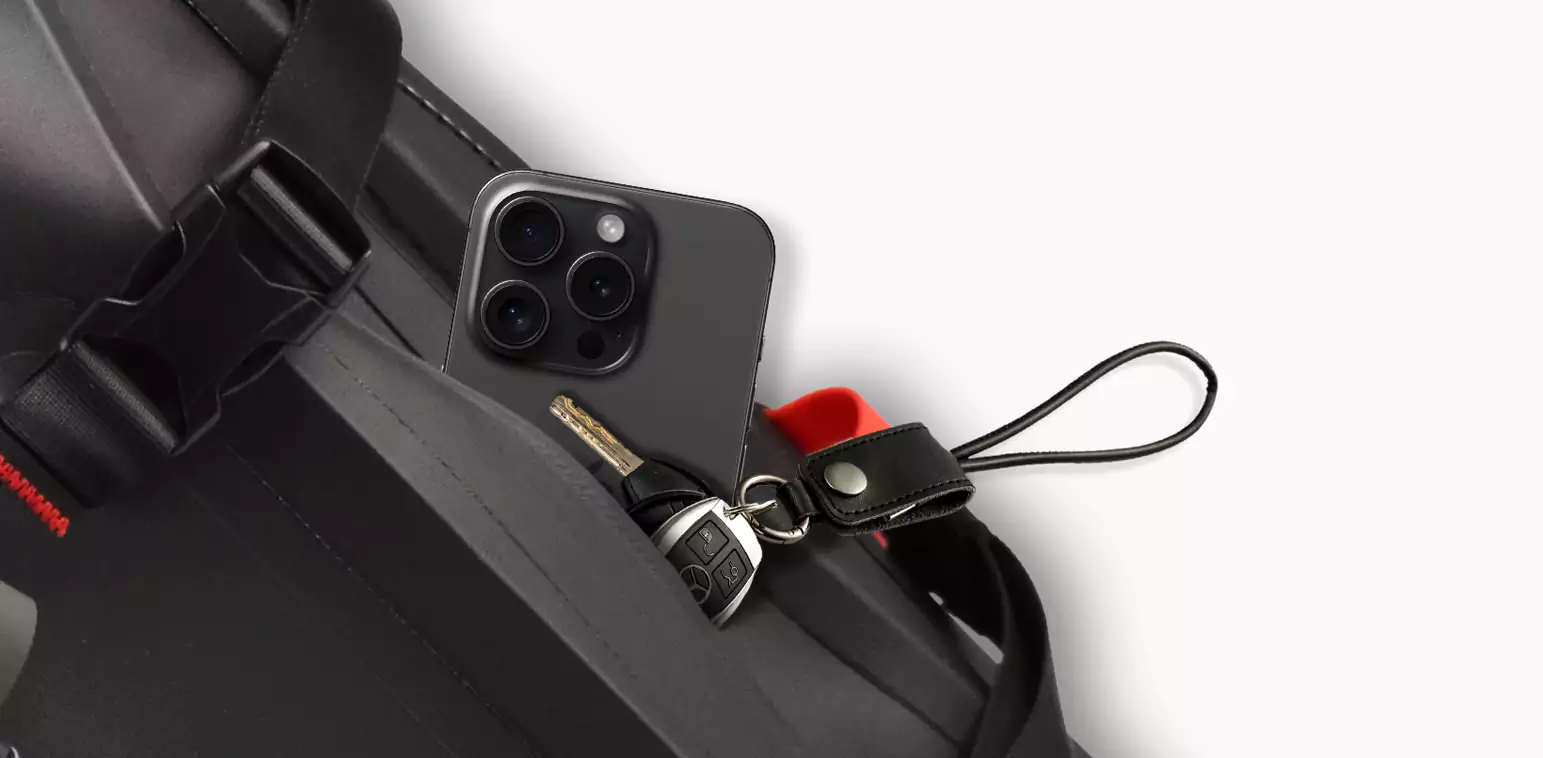
5. Ergonomics and Carrying Comfort
Anglers often hike long distances over uneven terrain to reach remote fishing spots. A poorly designed suspension system causes severe shoulder and back fatigue.
The fishing bag fabricator must prioritize ergonomic comfort. Look for these specific features:
- Back Panel Design: Does the back panel feature breathable 3D mesh? Are there molded air channels to promote ventilation and reduce sweating?
- Shoulder Straps: Are the straps contoured to fit the body? Do they use high-density, high-rebound EVA sponge for padding? The inner edges must be smooth to prevent neck chafing.
- Load Distribution: Does the factory include adjustable sternum straps and padded waist belts? These components are vital for transferring heavy tackle weight from the shoulders to the hips.
How to Evaluate:
Put the physical sample to the test. Load the backpack with 30 pounds of gear and wear it while walking. Check for stability, pressure points, and overall carrying comfort.
6. Comprehensive Customization (OEM/ODM) Services
B2B brands need unique products to stand out in a crowded market. Your manufacturer’s customization capabilities directly influence your competitive advantage. Brands like weierken rely on deep ODM partnerships to bring innovative designs to life efficiently.
Assess the depth of their OEM and ODM services:
- Basic OEM Customization: Can they easily adjust dimensions and match specific Pantone colors? Do they offer diverse logo applications like heat transfer, silk-screen printing, and heavy embroidery?
- Advanced ODM Development: Does the fishing bag fabricator have an in-house design team? Can they translate your rough conceptual sketches into functional prototypes?
- Custom Tooling: Can they develop new molds for proprietary plastic buckles or unique EVA molded hard-shell compartments?
How to Evaluate:
Ask to see a portfolio of their past custom projects. Discuss their prototyping lead times and ask for a clear breakdown of their custom mold fees.
7. Rigorous Quality Control (QC) Systems
Producing one perfect sample is easy. Manufacturing ten thousand identical units requires a rigorous quality control system. High defect rates lead to customer returns and brand damage.
Audit the factory’s internal quality management protocols:
- Full-Process QC: Do they strictly execute Incoming Quality Control (IQC) for raw materials, In-Process Quality Control (IPQC) during sewing, and Final Quality Control (FQC) before packaging?
- Testing Equipment: Does the fishing bag fabricator own professional testing machines? Look for tensile testing machines for straps, hydrostatic pressure testers for fabrics, and salt spray chambers for zippers.
- Traceability and Certification: Do they maintain comprehensive inspection records for every batch? Do they hold a valid ISO 9001 certification for quality management?
How to Evaluate:
Conduct a live video audit of their facility or hire a third-party inspector. Ask the factory manager to demonstrate their tensile testing machines during the tour.
8. Supply Chain Reliability and Delivery Capacity
Even the best product is useless if it arrives three months late. Reliable supply chains and punctual delivery are non-negotiable for retail brands.
Evaluate the commercial stability of the fishing bag fabricator:
- Production Capacity: Does their monthly production capacity comfortably exceed your peak order volume? Can they scale up operations during busy seasons?
- Material Inventory: Do they hold safety stock of critical raw materials, such as Cordura® fabrics and YKK zippers, to prevent sudden production delays?
- Lead Time Management: What is their standard lead time for mass production? Do they have a clear contingency plan for delayed shipments?
- Social Responsibility: Have they passed social compliance audits like BSCI or Sedex? These certifications are often mandatory if you sell to major European and American retailers.
How to Evaluate:
Request official capacity documentation and references from their current major clients. Ask how they handled sudden supply chain disruptions in the past.
By applying these eight metrics, you can separate amateur sewing factories from true professional manufacturers. A reliable fishing bag fabricator protects your brand reputation, ensures product longevity, and keeps your customers satisfied on every fishing trip. Companies like weierken prioritize these standards to build lasting market leadership. Secure your supply chain today by choosing a partner who understands the demands of the water.
Looking for a Professional Fishing Gear Manufacturer?
If you need a highly qualified fishing bag fabricator with robust QC systems, advanced RF welding capabilities, and reliable delivery, we are ready to partner with you. Send us your design concepts today, and let our engineering team optimize your next product line.
[Send an Inquiry Now]
Frequently Asked Questions (FAQs)
1. What is the difference between an OEM and an ODM fishing bag fabricator?
An OEM (Original Equipment Manufacturer) produces bags based strictly on the detailed tech packs and designs you provide. An ODM (Original Design Manufacturer) has an internal R&D team that helps you design the product from scratch based on your general concepts, offering pre-designed templates you can customize.
2. Why should a fishing bag have a hydrostatic pressure rating of ≥3000mm?
A 3000mm rating indicates that the fabric can withstand the pressure of a 3-meter column of water before leaking. This level of waterproofing ensures that the tackle bag remains completely dry inside during heavy rainstorms or when splashed heavily by boat wakes.
3. How do I verify if the factory’s zippers will survive in saltwater?
You should ask the fishing bag fabricator for a Salt Spray Test report. This standardized test exposes the zippers and metal hardware to a highly corrosive saline mist for 24 to 72 hours. If the hardware shows no signs of rust or functional jamming after the test, it is suitable for saltwater fishing.
4. What is a standard MOQ (Minimum Order Quantity) for custom fishing bags?
MOQs vary depending on the complexity of the bag and the materials used. Generally, a reputable fishing bag fabricator requires an MOQ of 500 to 1,000 pieces per style/color. However, some factories offer lower MOQs (e.g., 300 pieces) if you agree to use their standard, in-stock fabric colors.
5. Why is bartack stitching so important for fishing backpacks?
Bartack stitching is a series of dense, reinforced zigzag stitches used at high-stress points, such as where the shoulder straps meet the main bag body. Because fishing bags routinely carry dense, heavy items like lead weights and wet gear, bartacks prevent the straps from tearing away from the fabric under heavy loads.