
Success in the competitive retail and B2B market depends on more than just a good idea. You need a reliable partner to bring your vision to life. Working with an experienced light cooler factory like weierken ensures your products meet global standards while remaining cost-effective. Building a best-selling line requires a structured approach to design, sourcing, and quality control.
Whether you are targeting professional medical transport or casual beach-goers, the manufacturing process dictates your market reputation. Low-quality seams or poor insulation lead to high return rates. Follow these eight steps to streamline your production with a professional light cooler factory.
Step 1: Define Target Application and Core Performance Metrics
Every scenario demands different technical specifications. You cannot use a standard grocery bag for cold chain logistics. Your light cooler factory needs to know exactly how the end-user will interact with the product. Clear communication at this stage prevents costly redesigns later.
Outdoor Picnic: Prioritize lightweight construction, easy-to-clean surfaces, and 6-8 hours of thermal retention.
Medical Transport: Focus on constant temperatures (2-8℃), leak-proof heat-sealed seams, and antimicrobial liners.
Food Delivery: Emphasize abrasion-resistant fabrics, collapsible designs, and large openings for quick access.
Beach Gear: Ensure the materials are waterproof, sand-proof, and resistant to prolonged UV exposure.
Ask your light cooler factory to suggest specific material combinations. Confirm the required insulation duration, weight-bearing capacity, and closure methods before moving to the prototyping phase.
Step 2: Verify Factory Qualifications – FDA + BSCI + ISO9001
High-end B2B orders require strict compliance. You must verify three core certifications to protect your brand from legal and ethical risks. A reputable light cooler factory will provide these documents readily.
First, check for FDA-approved materials. Any liner, zipper, or PEVA/TPU compartment that touches food must have a food-grade test report. This is non-negotiable for North American and European markets. weierken understands that safety is the foundation of consumer trust.
Second, demand a BSCI (Business Social Compliance Initiative) report. This social responsibility audit is essential for exporting to Europe. It proves the factory treats workers fairly and maintains a safe environment. Finally, look for ISO9001 quality management to ensure batch consistency. Do not accept "application in progress" as an excuse; ask for the latest annual audit report.
Step 3: Design Customization – Structure and Insulation Layers
The secret of a high-performance thermal bag lies in the hidden layers. Most lightweight cooler bags use EPE foam combined with aluminum foil or non-woven fabric with EVA. Your light cooler factory should help you choose the right thickness based on the use case.
For food delivery bags, consider a single-layer insulation with a removable inner liner for easy washing. For medical-grade coolers, you need multi-layer thermal barriers and perhaps a temperature display window. Outdoor gear should stay under 300g to remain portable.
Request 3D design blueprints from your light cooler factory. Confirm both the folded volume for shipping efficiency and the expanded dimensions for consumer utility. Small adjustments in structural design can significantly lower your logistics costs.
Step 4: Mandatory Leak-proof Testing
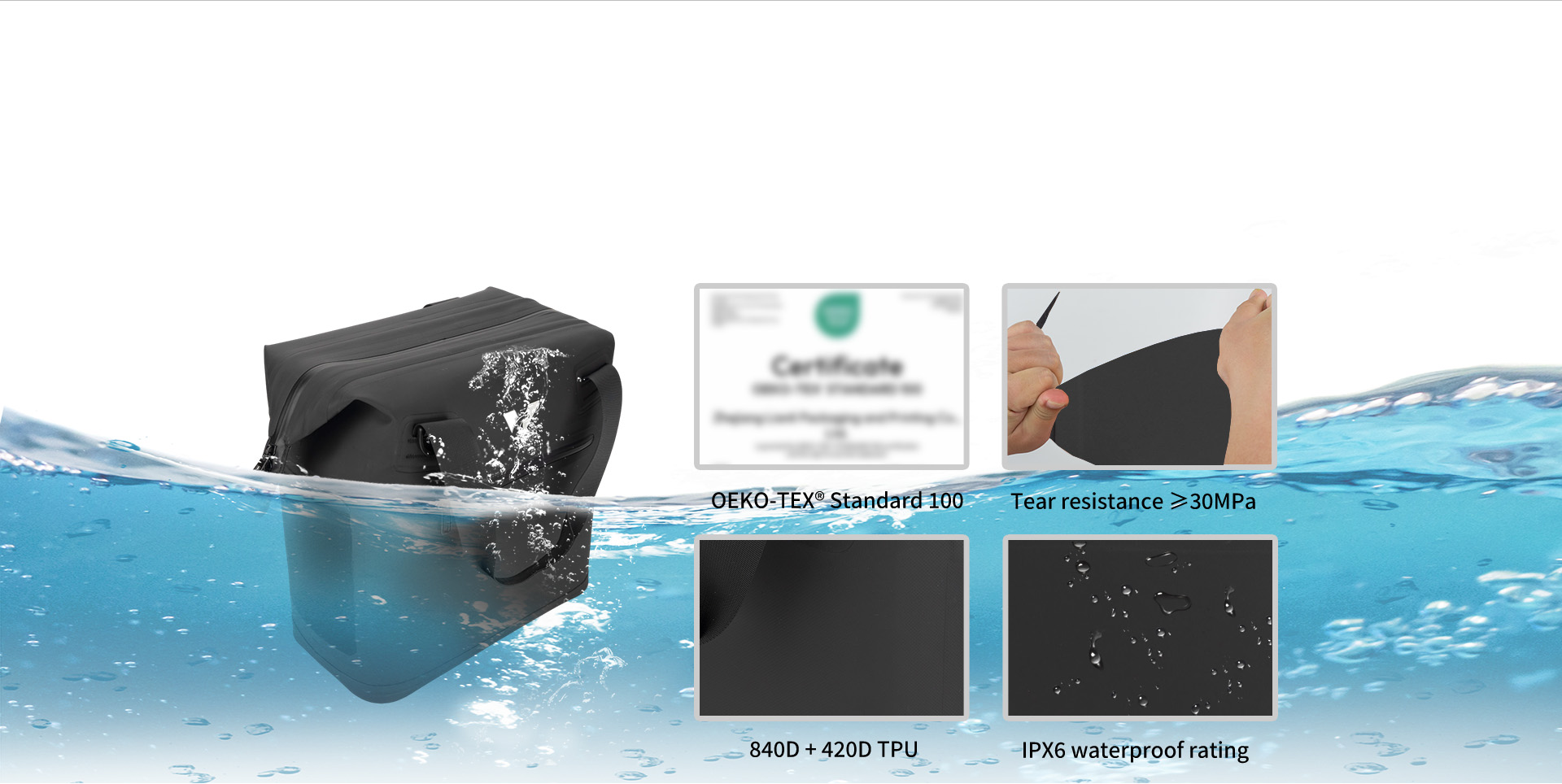
A leaking cooler bag is a retail disaster. It ruins clothes, car interiors, and customer loyalty. You must write specific leak-proof testing protocols into your quality agreement with the light cooler factory.
Demand that the factory performs hydrostatic pressure tests. This involves filling the bag with water and inverting it for one hour. There should be zero seepage. Another critical test is the dynamic shake test, which simulates transportation vibrations for 30 minutes to check if seams hold under stress.
Finally, perform sealing strip aging tests. Cycle the bag through high (50℃) and low (-10℃) temperatures ten times. The heat-sealed seams must remain intact. These standards must be signed by both parties and included in the batch sampling plan.
Step 5: Prototyping and Scene Simulation
A sample might look perfect on a desk, but it must perform in the field. Use the sampling phase to push the product to its limits. A professional light cooler factory like weierken will support rigorous performance validation.
Test internal temperature changes over 6 and 12 hours using standard ice packs.
Place containers filled with liquid inside and simulate bumpy logistics handling.
Conduct load-bearing tests on handles and shoulder straps (e.g., 5kg weight over 1000 lifting cycles).
Check zipper durability and Velcro strength after repeated use.
Only move to small-batch production after the sample passes these real-world simulations. If the handle fails after 100 lifts, your OEM cooler manufacturer needs to reinforce the stitching immediately.
Step 6: Small-Batch Trial and Full Inspection
Never jump straight into a massive order. Start with a trial run of 20-30% of your Minimum Order Quantity (MOQ). This allows the light cooler factory to refine the assembly line process and identify potential bottlenecks.
During this phase, implement a 100% inspection policy. Each bag must be checked for stitching precision, zipper smoothness, liner cleanliness, and seam integrity. The factory should also pull 3-5 random units per batch for destructive leak testing.
A reliable light cooler factory following ISO9001 standards will provide a First Article Report (FAR). These records ensure traceability if a defect is discovered later in the supply chain. Quality is not an accident; it is the result of standardized manufacturing.
Step 7: Delivery, Packaging, and Certification Paperwork
Exporting wholesale cooler bags requires a complete documentation package. Missing paperwork can lead to customs delays or fines. Ensure your light cooler factory prepares these files in advance.
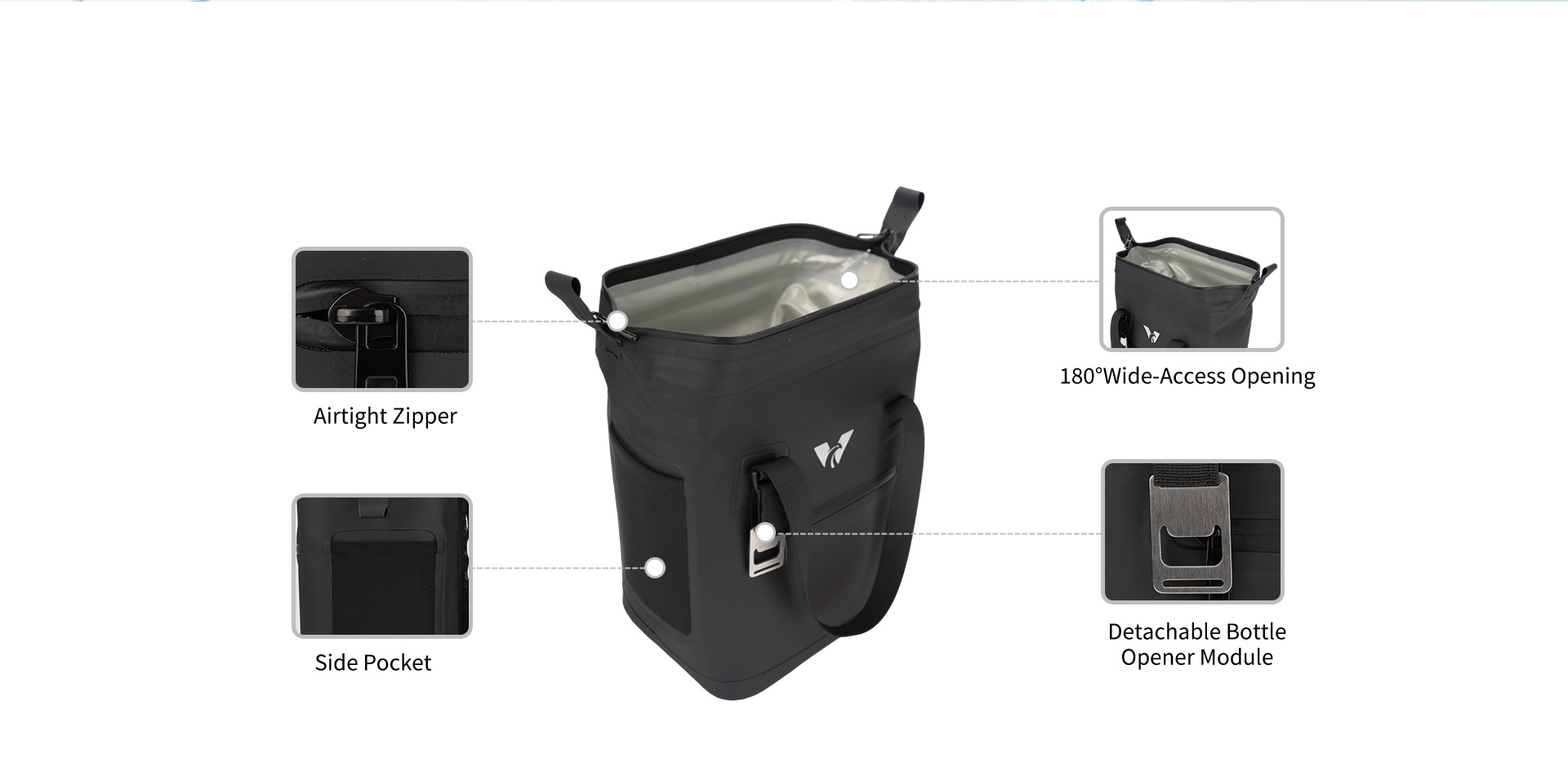
Each shipment should include an FDA Declaration of Conformity and updated BSCI/ISO certificates. You also need English-language test reports for leak-proofing and thermal performance. These documents are vital for B2B buyers and large retail chains.
Packaging matters too. Ask the factory to label outer cartons with batch numbers, quantities, and application categories (e.g., Medical / Food Delivery). This helps your warehouse team manage inventory distribution across different sales channels effectively.
Step 8: Long-term Iteration and Collaboration
The market changes, and your product line should too. Establish a quarterly review mechanism with your light cooler factory. Share customer feedback and complaint data regarding zipper failures or insulation degradation.
Explore new material technologies together. Perhaps your next line could use biodegradable insulation or self-sealing zippers. An innovative light cooler factory like weierken will suggest cost-saving improvements and help you update CE or FDA certifications as regulations evolve.
By building a strategic partnership rather than a transactional one, you gain priority in production scheduling and better unit pricing. Consistent communication turns a standard insulated bag manufacturer into a pillar of your business growth.
Frequently Asked Questions
1. What is the typical MOQ for a custom light cooler factory?
Most professional factories require a Minimum Order Quantity of 500 to 1,000 units per style. This allows the light cooler factory to source custom fabrics and set up specialized heat-sealing machinery efficiently.
2. How long does the thermal insulation usually last?
Performance depends on the insulation thickness and ambient temperature. Standard lightweight cooler bags provide 4-8 hours of cooling, while high-performance medical bags can maintain 2-8℃ for over 24 hours when used with PCM ice packs.
3. Is PEVA better than PVC for the inner liner?
Yes, PEVA (Polyethylene Vinyl Acetate) is the preferred choice for a food-grade light cooler factory. It is BPA-free, phthalate-free, and stays flexible in cold temperatures, unlike PVC which can crack and contains harmful chemicals.
4. Can the factory help with custom branding and logos?
Absolutely. A custom cooler bag factory offers various branding techniques, including silk-screen printing, heat transfer, embroidery, and rubber patches. Always ask for a pre-production sample to verify logo placement and color accuracy.
5. How do I ensure the bags are truly leak-proof?
You must specify high-frequency welding or heat-sealed seams rather than traditional stitching for the inner liner. Stitched seams have needle holes that will leak. A reputable light cooler factory will use seamless waterproof technology for the interior compartment.
6. What are the common lead times for bulk production?
Generally, mass production takes 30 to 45 days after sample approval and deposit receipt. This timeline includes material procurement, cutting, sewing, quality inspection, and packaging.
Ready to launch your next successful product line? Partnering with a specialized light cooler factory is the fastest way to ensure premium quality and market readiness. At weierken, we specialize in high-performance insulated solutions tailored to your specific industry needs.
Contact us today to discuss your project requirements. Request a quote and let our experts help you design the perfect cooler bag for your brand.
Inquiry Now: Get professional advice on material sourcing and thermal testing for your custom order.