


A canoe bag is not just another backpack. In the world of outdoor gear, these bags must survive harsh, wet, and unpredictable environments. They face constant exposure to UV rays, abrasive rocks, and full submersion in water. If the bag fails, the gear inside is ruined, and your brand’s reputation sinks with it.
At weierken, we understand that the logic behind a canoe bag is fundamentally different from standard luggage. You aren’t just looking for a factory to sew fabric together; you are looking for a technical partner. Choosing the right canoe bag fabricator is the first and most vital step toward a successful product launch.
Here are eight essential tips to help you navigate the process of selecting a manufacturing partner that truly understands the water-sports industry.
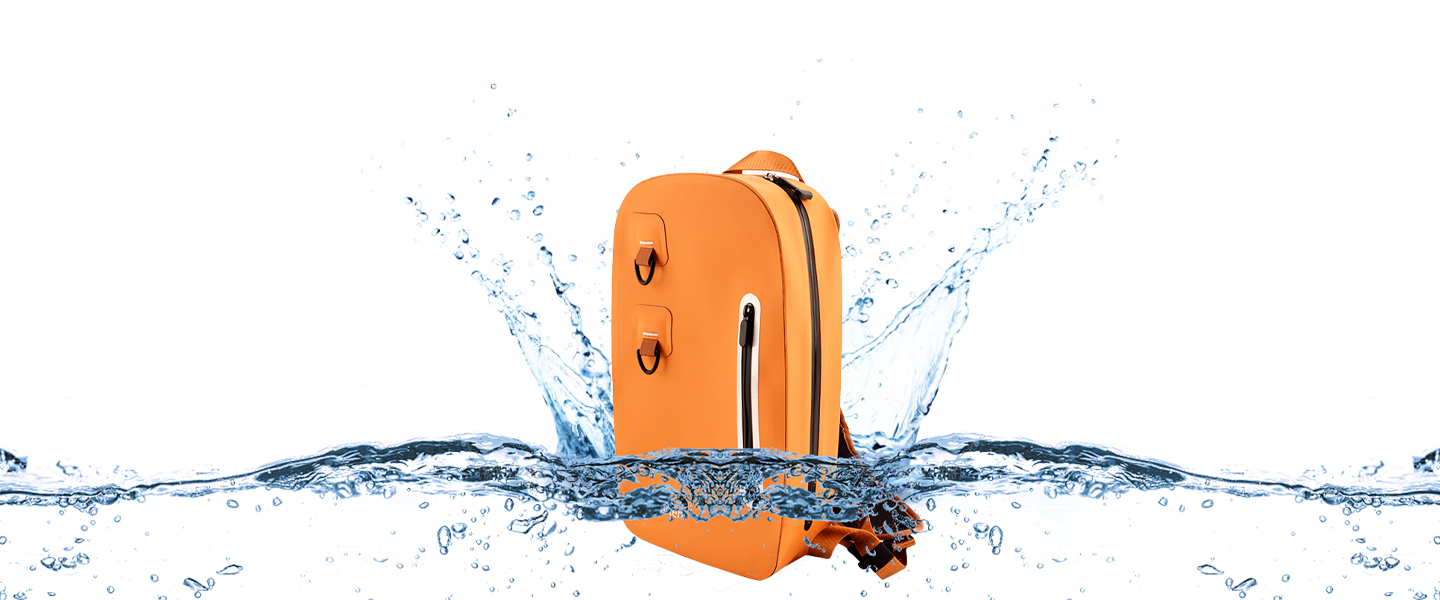
1. Verify Specialized Waterproof Construction Skills
The core of any canoe bag is its ability to keep water out. Standard sewing machines create thousands of tiny holes in the fabric. Even if the fabric is waterproof, the seams will leak. A professional canoe bag fabricator must possess specialized machinery that goes beyond traditional stitching.
The Necessity of RF Welding and Heat Sealing
Look for a manufacturer that utilizes Radio Frequency (RF) welding or high-frequency heat sealing. These processes fuse the layers of fabric together at a molecular level, creating a bond that is stronger than the material itself. This eliminates needle holes entirely.
If your design requires zippers, ask about their experience with TIZIP or other high-grade waterproof closures. A factory that mainly produces school bags or fashion totes will likely lack the precision required for these air-tight and water-tight applications.
2. Assess Experience in the Marine and Outdoor Sector
General bag factories often underestimate the stresses of a marine environment. You want a canoe bag fabricator that already speaks the language of paddlers and kayakers. Experience in this niche means they understand common pain points, such as how sand can jam a zipper or how salt water can degrade a buckle.
Why Portfolio Reviews Matter
Don’t just take their word for it. Request a portfolio specifically featuring dry bags, deck bags, or portage packs. Ask which brands they have worked with in the past. A manufacturer with a history in the outdoor sector will already have a refined assembly line for heavy-duty materials, reducing the learning curve for your specific project.
3. Focus on Corrosion Resistance in Hardware
In a canoe or kayak setting, hardware is constantly exposed to moisture. Standard steel rivets or cheap zinc-alloy zippers will rust within weeks. This doesn’t just look bad; it can lead to mechanical failure at the worst possible time.
A reliable canoe bag fabricator must have a strict sourcing standard for accessories. You should confirm that they use:
- Stainless Steel (316 Grade): Best for saltwater and freshwater resistance.
- Anodized Aluminum: Lightweight and highly resistant to oxidation.
- High-Impact Plastics: UV-stabilized acetal or nylon buckles that won’t become brittle after sun exposure.
Ask your canoe bag fabricator if they have a salt-spray testing protocol. This ensures that every D-ring and clip on your bag can withstand years of use on the water.
4. Define Material Tiers and Hydrostatic Standards
Not all waterproof fabrics are the same. A light rain cover is very different from a bag meant to be lashed to the front of a canoe during a Class III rapid. At weierken, we help our clients distinguish between different material “tiers” to match their brand positioning.
Common Materials for Canoe Bags:
- PVC Tarpaulin (Mesh Reinforced): Extremely durable and easy to weld, though slightly heavier.
- TPU-Coated Nylon: Lighter and more flexible than PVC, with excellent abrasion resistance and better environmental credentials.
- Waterproof Canvas: Offers a classic aesthetic but requires specialized internal coatings and seam taping to be truly functional.
Make sure your canoe bag fabricator specifies the “hydrostatic head” rating of the fabric. This measurement tells you exactly how much water pressure the material can handle before it leaks. High-end canoe bags typically require a rating of 10,000mm or higher.
5. Implement a “Wading Test” Sampling Mechanism
With a standard backpack, a sample is usually checked for aesthetics and dimensions. For a canoe bag, the sample must be tested for performance. You cannot rely on visual inspection alone.
Establish a formal testing protocol for the prototype phase. A professional canoe bag fabricator should be willing to perform:
- Submersion Tests: Holding the bag underwater for a set period to check for air bubbles or internal moisture.
- Load Bearing Tests: Ensuring the straps don’t rip when the bag is fully loaded and wet.
- Simulated Wading: Testing the roll-top seal against high-pressure splashes.
Both the brand and the fabricator should sign off on these test results before moving to mass production. This prevents expensive surprises when the bulk order arrives.
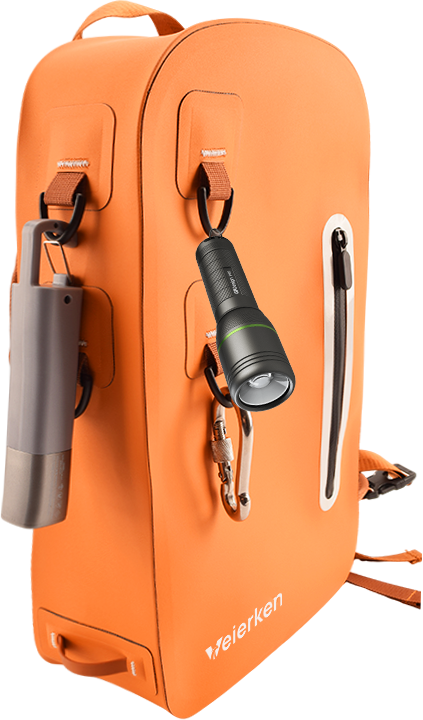
6. Prioritize Structural Design and Drainage Details
A bag that keeps water out can also accidentally keep water in. If a wave crashes over the boat, water might pool in the external pockets or under the base of the bag. A seasoned canoe bag fabricator will suggest design tweaks to prevent this.
Small Details, Big Difference:
- Drainage Holes: Mesh bottoms on external pockets allow water to escape instantly.
- Internal Waterproof Dividers: Keeps wet gear (like a wetsuit) separate from dry gear (如 a sleeping bag).
- Reinforced Bottoms: The base of a canoe bag takes the most abuse. Doubling the material or adding a high-friction “skid plate” can double the bag’s lifespan.
Discuss these structural nuances early in the design phase. A manufacturer that offers these suggestions proactively is a manufacturer that knows the product inside and out.
7. Build a Long-Term Collaborative Development Relationship
Canoe gear is a high-barrier industry. The development cycle is long, and the testing requirements are rigorous. Instead of treating your manufacturer as a “vendor,” treat them as a “supply chain partner.”
A long-term relationship with your canoe bag fabricator allows for continuous improvement. As new materials (like recycled TPU) become available, a partner like weierken can help you integrate them into your line. Long-term collaboration also leads to better pattern optimization, which reduces fabric waste and lowers your unit costs over time.
8. Clarify OEM/ODM Capabilities and Boundaries
Before signing a contract, you must understand the fabricator’s level of design support. Do you have complete technical drawings, or just a rough sketch?
- OEM (Original Equipment Manufacturer): You provide the blueprints; the canoe bag fabricator focuses on high-precision replication. This requires the factory to have excellent QC and material sourcing.
- ODM (Original Design Manufacturer): You provide the concept, and the factory handles the pattern making, material selection, and prototyping. This requires a manufacturer with an internal R&D team.
Clearly define who owns the intellectual property of the design and how many revisions are included in the development fee. A clear boundary here prevents delays and legal headaches later.
Why Professionalism in Manufacturing Wins
The outdoor market is crowded. Customers are willing to pay a premium for gear they can trust in the wilderness. If your canoe bag fabricator cuts corners on the welding temperature or the quality of the TPU coating, the bag might look perfect in the showroom but fail in the field.
At weierken, we specialize in the “hard” side of bag manufacturing. We know that a canoe bag is a piece of safety equipment. We apply rigorous standards to every weld and every seam, ensuring that your brand stands for reliability.
Frequently Asked Questions
1. What is the difference between heat sealing and sewing with seam tape?
Heat sealing or RF welding actually melts the fabric together, creating a permanent, waterproof bond. Seam taping involves sewing the bag first and then sticking a waterproof tape over the holes. While seam tape works for jackets, RF welding is much more durable for heavy-duty bags that will be tossed around in a boat.
2. What is the typical MOQ for a custom canoe bag?
Most professional canoe bag fabricators set a Minimum Order Quantity (MOQ) between 500 and 1,000 pieces. This is due to the setup time required for RF welding molds and the minimum fabric orders from specialized waterproof material mills.
3. Can I use recycled materials for a waterproof canoe bag?
Yes. Many manufacturers now offer recycled TPU or rPET with waterproof coatings. However, you must ensure that the recycling process hasn’t compromised the fabric’s ability to be welded. Always request a weld-strength test for recycled materials.
4. How do I know if a bag is truly submersible?
Truly submersible bags often use airtight zippers (like those on dry suits) rather than roll-tops. If a canoe bag fabricator claims a bag is submersible, it should have an IPX7 or IPX8 rating, meaning it can stay underwater at a specific depth for a specific time without leaking.
5. How long does the prototyping process take for a technical bag?
Because of the specialized tooling and testing involved, expect the prototyping phase to take 3 to 6 weeks. This allows time for the fabricator to source the specific hardware and perform the necessary waterproof tests.
6. Do you provide warranty support for manufacturing defects?
A reputable canoe bag fabricator should offer a warranty against manufacturing defects (like weld failure). Usually, this is defined as a specific percentage of the total order or a replacement policy for defective units found during the first year of use.
Partner with a Specialist for Your Next Outdoor Project
Building a brand in the water-sports industry requires grit and high-quality gear. Don’t leave your product’s performance to chance by choosing a general-purpose factory. You need a canoe bag fabricator that understands the power of the water and the needs of the paddler.
weierken is ready to help you develop a product line that stands the test of time and tide. From initial material consultation to final waterproof testing, we provide the expertise you need to lead the market.
Reach out to our technical team today to discuss your canoe bag design and receive a professional manufacturing consultation.]
Inquiry Now


