


OEM Sourcing: 6 Reasons to Hire an Insulin Cooler Bag Fabricator

The primary function of an insulin cooler bag is non-negotiable. It must maintain a constant low temperature of 2-8°C to guarantee drug activity and patient safety. Any leakage or temperature failure ruins the insulin and directly threatens patient health. Therefore, the quality control standards for medical cold-chain packaging are drastically stricter than those for ordinary waterproof bags.

As a B2B buyer—whether you represent a pharmaceutical company, a cold chain logistics provider, or a medical device brand—understanding these standards is critical. At weierken, we know that finding the right manufacturing partner heavily reduces your risk. You need a facility that treats medical packaging with the seriousness it deserves. Below are the core reasons and QC standards that explain why hiring a specialized insulin cooler bag fabricator is essential for your supply chain.

Reason 1: Strict Material Inspection for Biocompatibility and Sealing

Insulin bags often come into direct contact with primary drug packaging. The materials used must be entirely safe, non-toxic, and offer outstanding barrier performance. A professional insulin cooler bag fabricator tests every batch of raw materials before assembly begins. They refuse to let inferior plastics compromise the end product.

Testing Standards

  • Biocompatibility Testing (ISO 10993): Technicians test inner lining materials for cytotoxicity, sensitization, and skin irritation. This ensures no harmful substances migrate when contacting medicine packaging.
  • Material Barrier Testing: The factory verifies the inner lining’s ability to block water vapor and oxygen. High-grade medical bags typically require a Water Vapor Transmission Rate (WVTR) of ≤5g/m²/24h.
  • Low-Temperature Brittleness (ASTM D746): Workers test materials to ensure they remain flexible and crack-free under cold storage conditions ranging from 2-8°C down to freezing temperatures.
  • Seam Tape Adhesion Testing: Quality teams test the peeling strength of the waterproof seam tape strictly in a 2-8°C environment. The standard requires an adhesion strength of ≥5N/mm, which is notably higher than standard dry bags.

The B2B Value

Strict material screening ensures the bags maintain superior sealing performance even in freezing environments. You eliminate the risk of structural leaks caused by cold-induced material embrittlement. Partnering with a strict insulin cooler bag fabricator protects your brand from disastrous product recalls and liability issues.

Reason 2: In-Process Dual-Zone Airtightness Testing

Many modern insulin cooler bags feature a dual-zone design. This includes a refrigerated zone (2-8°C) and a frozen zone for ice packs (≤-20°C). Production teams must verify the sealing structure of each specific temperature zone separately. A dedicated insulin cooler bag fabricator builds this complex testing directly into their assembly line.

Testing Standards

  • Zonal Airtightness Testing: Technicians inflate the refrigerated and frozen zones separately. They monitor the pressure drop over time. The medical standard demands a pressure drop of ≤3%/min, much stricter than standard commercial bags.
  • Partition Seal Testing: Inspectors verify that the divider between the two temperature zones isolates the air completely. They ensure absolutely no gas exchange occurs between the compartments.
  • PCM Ice Pack Integrity Testing: The factory conducts vacuum decay tests on Phase Change Material (PCM) ice packs. This ensures zero leakage, preventing chemical gel from flowing out and contaminating the medicine.

The B2B Value

Validating the dual-zone design prevents cold air crossover. If the zones leak into one another, you get severe temperature fluctuations that destroy insulin. A competent insulin cooler bag fabricator guarantees reliable temperature partitioning, giving your end-users peace of mind.

Reason 3: Comprehensive Finished Product Sampling

Before shipping, the factory must verify both waterproof performance and temperature retention simultaneously. One cannot exist without the other in medical logistics. We firmly believe at weierken that strict AQL sampling separates premium medical bags from cheap alternatives. A reliable insulin cooler bag fabricator performs these combined tests on every bulk order.

Testing Standards

  • Static Immersion Testing (IEC 60529 IPX7): The QA team submerges complete samples in a 1-meter deep water tank for 30 minutes. They retrieve the bag and confirm the internal medical compartment is completely dry.
  • Temperature Retention Testing: After the immersion test, workers place pre-frozen ice packs inside the bag. They place the bag in a 35°C incubator for 8-12 hours. Internal sensors record the temperature curve to confirm it holds the required 2-8°C.
  • Condensation Testing: Technicians move the bag from a cold environment to a room-temperature space. They check the inner walls for condensation and verify that the lining absorbs or manages the moisture safely.
  • Weight Variation Method: Workers weigh the bag before and after the water immersion. A pass requires a weight increase of ≤0.5%, significantly stricter than the 1% allowed for normal waterproof bags.
  • Sampling Standards: Medical bags follow an AQL 0.65 standard. The factory maintains absolute zero tolerance for critical defects like water ingress or temperature failure.

The B2B Value

Combined testing validates both insulation and waterproofing under realistic conditions. You secure products that actually perform in the hands of patients. Working with a verified insulin cooler bag fabricator ensures that every batch meets the exact same high standards.

Reason 4: Dynamic Simulation Under Transport Vibration

Insulin faces a rough journey during distribution. Transport vehicles create constant vibration, and logistics centers apply heavy stacking pressure. These dynamic factors cause weak seams to suffer fatigue failure. A specialized insulin cooler bag fabricator simulates these harsh logistics conditions before finalizing the design.

Testing Standards

  • Vibration Testing (ISTA 7D / ASTM D4169): Machines simulate the specific vibration frequencies of long-haul trucking. After two continuous hours of shaking, technicians inspect the seams and run another water immersion test.
  • Stacking Pressure Testing: Workers stack fully loaded insulin bags up to a standard height, such as 1.5 meters. They apply heavy pressure for 24 hours. They then inspect the bottom bags for zipper failure or structural deformation.
  • Drop Testing: The team drops a fully loaded bag from a 1-meter height freely onto solid concrete. They check for internal and external damage before running a final temperature retention test.
  • Repeated Fatigue Testing: Dedicated machines open and close zippers or roll-top seals 500 times consecutively. Following this mechanical wear, the bag undergoes standard leak testing.

The B2B Value

Dynamic simulations replicate the exact hazards of the cold-chain distribution network. You drastically lower the risk of broken seals during transit. An expert insulin cooler bag fabricator builds bags tough enough to survive aggressive shipping routes without compromising the medicine inside.

Reason 5: Aging and Extreme Environmental Testing

Medical cooler bags travel globally. They move from tropical heat to freezing northern climates. Extreme weather accelerates material aging. A trusted insulin cooler bag fabricator uses environmental simulation chambers to prove their products will survive years of use.

Testing Standards

  • Heat Aging Testing (70°C, 7 days): Ovens simulate long-term exposure to high heat. After seven days, inspectors test the waterproof performance and structural seam strength.
  • Thermal Shock Testing (-20°C to 60°C): Chambers cycle the bags rapidly between freezing and extreme heat five times. Workers then check the internal linings and outer shells for cracking or delamination.
  • UV Aging Testing (ISO 4892-2): Specialized UV lamps blast the exterior fabrics for 200 straight hours. Technicians inspect the material for brittleness and check if seam tapes remain fully attached.
  • Hydrolysis Aging Testing: The bag sits in a high-humidity chamber (40°C/95% RH) for seven days. A passing grade requires the fabric to retain at least 90% of its original tensile strength.

The B2B Value

Aging tests guarantee long-term reliability in severe weather conditions. Patients rely on these bags daily, and premature material failure is unacceptable. A top-tier insulin cooler bag fabricator ensures your products protect life-saving drugs throughout their entire lifecycle.

Reason 6: Providing an Actionable B2B Checklist for Buyer Assurance

Hiring a professional insulin cooler bag fabricator gives you access to a fully transparent quality control process. They don’t just promise quality; they provide the data to back it up. B2B buyers should actively use this checklist to audit their suppliers and secure foolproof medical packaging.

The Buyer’s Action List

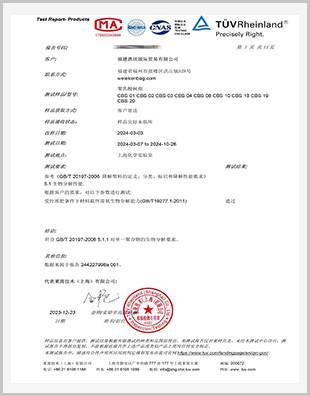
  • Request Medical-Grade Test Reports: Always demand third-party testing reports covering the five critical standards. Focus heavily on biocompatibility, low-temperature flexibility, and temperature retention data.
  • Witness Comprehensive Testing On-Site: Hire a third-party inspector or visit the factory personally. Watch the technicians run the joint temperature and leak tests in real time.
  • Track Retained Samples: Ensure the factory keeps sample bags from every bulk production run. Periodically retest these retained samples to monitor the long-term stability of the batch.
  • Formalize Contracts: Write the specific QC test standards directly into your purchasing agreements. Clearly define the penalty mechanisms for any batch that fails to meet the strict AQL 0.65 standard.
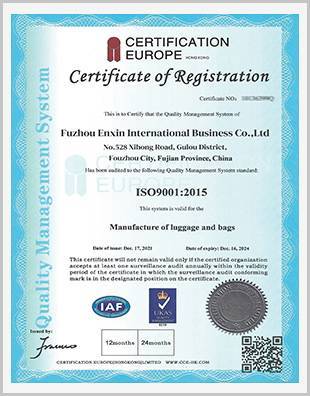
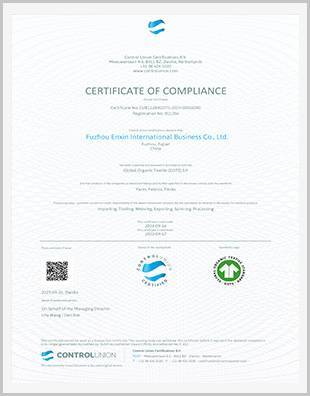
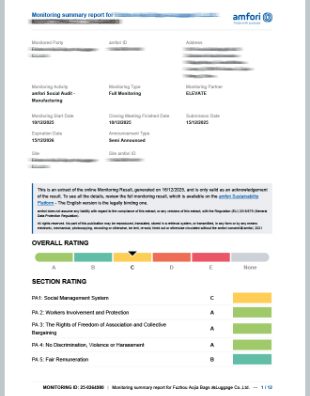
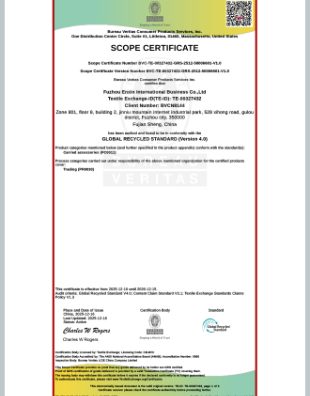
  • Verify Industry Certifications: Confirm that the insulin cooler bag fabricator holds an active ISO 13485 certification for medical device quality management. Ask to see their past collaboration cases within the pharmaceutical industry.

Frequently Asked Questions (FAQ)

Q1: Why is leak testing stricter for insulin bags than normal dry bags?
A: Normal dry bags protect clothes or electronics, where minor moisture causes annoyance. Insulin bags protect life-saving medicine. A tiny leak alters the internal temperature, destroying the drug’s efficacy and directly harming the patient.

Q2: What is a dual-zone design in medical cooler bags?
A: A dual-zone design separates the internal space into two specific areas. One section holds the frozen ice packs (≤-20°C), while an insulated barrier protects the medicine in a separate zone (2-8°C). This prevents the insulin from freezing while utilizing the ice pack’s cooling power.

Q3: How does an insulin cooler bag fabricator prevent condensation issues?
A: Professionals use multi-layered insulation and moisture-absorbing inner linings. They rigorously test the bag by moving it from cold to hot environments. This ensures the lining captures any condensation before it can pool around the medicine boxes.

Q4: What certifications should I look for in a medical bag supplier?
A: You should prioritize factories holding ISO 13485 (Medical Device Quality Management Systems). Additionally, look for compliance with ISO 10993 for biocompatibility and ISTA 7D for cold chain transport testing.

Q5: Can I request custom temperature retention times for my bulk order?
A: Yes. An experienced insulin cooler bag fabricator can adjust the insulation thickness, PCM ice pack volume, and bag dimensions. They will engineer the bag to maintain 2-8°C for specific durations, ranging from 8 hours to over 36 hours.

Partner With a Trusted Medical Fabricator Today

Protecting temperature-sensitive medicine requires absolute precision in manufacturing. You cannot afford to partner with a factory that guesses on quality control. You need a dedicated facility that treats every seam and zipper with medical-grade scrutiny.

At weierken, we provide comprehensive testing data, transparent manufacturing processes, and unmatched reliability for cold-chain packaging. We build products designed to protect health and secure your brand’s reputation in the pharmaceutical market. If you need a certified insulin cooler bag fabricator who understands strict compliance, we are ready to assist.

Do not compromise on your medical cold-chain supplies. Send your inquiry today to discuss your project specifications and receive a detailed, custom quotation from our expert team.

Facebook
Twitter
LinkedIn
X
Reddit

Recent Posts

Contact Us Now!

Simply submit your email for a custom quote (response within 12 hours)

Related Topics