


Dairy products like fresh milk, yogurt, and artisanal cheese are highly sensitive to temperature fluctuations. Unlike standard fast-food deliveries, keeping dairy fresh requires a strict cold chain environment, usually between 2°C and 8°C. Even a brief spike in temperature can cause bacterial growth, spoilage, and brand damage.
Choosing a reliable dairy thermal bag maker is a critical decision for your supply chain. You are not just buying a bag; you are investing in the safety of your products. Industry specialists like weierken design thermal packaging specifically to address these delicate transit needs.
This guide outlines the critical criteria for evaluating potential B2B manufacturing partners. We will examine material science, factory compliance, customization limits, and quality control standards.
1. Materials and Insulation Efficiency
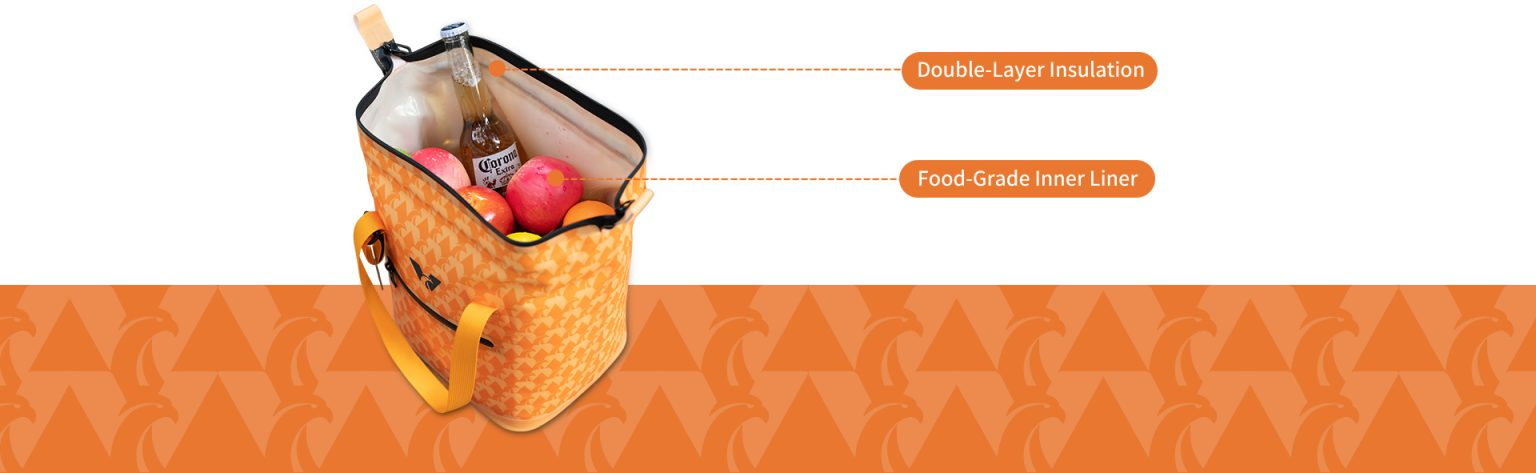
The core value of any cold chain packaging lies in its thermal barrier. When you evaluate a dairy thermal bag maker, ask for a detailed breakdown of their material layers. A standard foil bag is rarely sufficient for commercial dairy distribution.
Multi-Layer Composite Structures
High-performing thermal bags utilize multiple layers to combat radiation, convection, and conduction. Look for manufacturers that offer:
Reflective Outer Layers: Pure aluminum foil or metalized polyester (MPET) to reflect radiant heat.
Insulation Core: High-density Expanded Polyethylene (EPE) or Cross-linked Polyethylene (XPE) foam. Foam thickness typically ranges from 2mm to 5mm depending on the required transit duration.
Food-Safe Inner Liners: Non-toxic polyethylene (PE) or chlorinated polyethylene (CPE) films that handle direct contact with cold items.
Seamless Heat-Pressing Process
Stitched seams contain tiny needle holes. These holes allow cold air to escape and warm ambient air to enter. A professional dairy thermal bag maker should offer a seamless heat-pressing process.
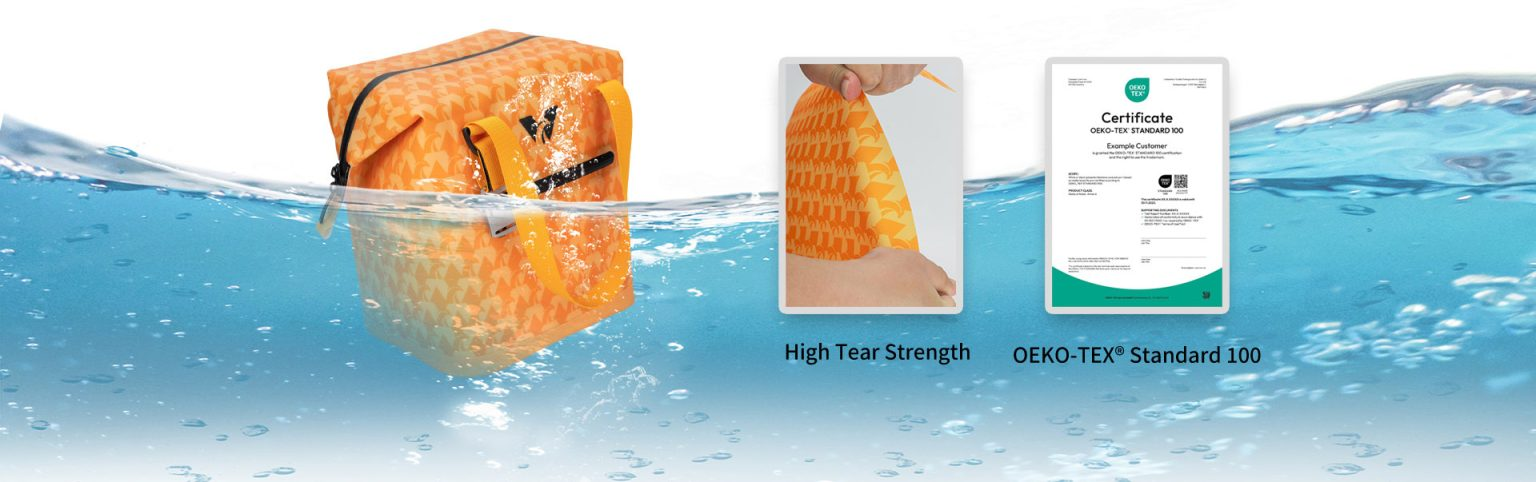
High-frequency welding or heat-sealing fuses the inner lining panels together. This creates a leak-proof barrier. It prevents melted ice pack water from dripping out and stops external moisture from seeping in.
Our production analysis shows that heat-sealed seams improve temperature retention by up to 25% compared to traditional stitched bags. For heavy liquid products like milk cartons, welded seams also distribute weight more evenly, reducing the risk of bottom blowouts during transport.
Antimicrobial and Odor Control properties
Spills happen during dairy transport. If milk leaks inside a standard bag, bacteria multiply rapidly, creating sour odors. Ask if the manufacturer can integrate antimicrobial additives into the inner lining material. This helps maintain clean, reusable shipping environments.
2. Compliance and Factory Certifications
Food safety regulations are strict worldwide. You cannot risk using packaging that contains harmful chemical residues. A qualified B2B dairy thermal bag maker must provide verified documentation of their compliance.
When shortlisting suppliers, request the following certifications:
Food Contact Safety: FDA (US Food and Drug Administration) compliance or LFGB (European food-grade standard) test reports for all inner lining materials.
Quality Management Systems: ISO 9001 certification to ensure consistent production runs.
Food Safety Management: ISO 22000 or BRC (British Retail Consortium) certification, which proves the factory maintains clean manufacturing environments free from physical or chemical contaminants.
A reputable supplier like weierken maintains up-to-date testing records. They readily share these documents with procurement teams during the initial vetting phase.
3. Customization Limits and Manufacturing Capacity
Your packaging must fit your specific distribution model. A retail home-delivery program requires different bag dimensions than bulk wholesale transport. Ensure your prospective dairy thermal bag maker has robust design and manufacturing capabilities.
| Capability Metric | Standard Supplier Level | Professional Supplier Level |
|---|---|---|
| Minimum Order Quantity (MOQ) | Rigid high MOQs (e.g., 5,000+ units) | Flexible options starting at 1,000 to 2,000 units |
| Printing Technology | Basic screen printing, prone to flaking | Water-based eco-friendly inks, high-precision rotogravure |
| Structural Design | Pre-made stock sizes only | Custom mockups, CAD drawings, bespoke compartments |
| Peak Capacity | Slow lead times during summer surges | Scalable automated lines with guaranteed seasonal lead times |
Dairy consumption fluctuates seasonally, often peaking in warmer months when cold beverages and yogurts are in high demand. Your partner must demonstrate production elasticity. Ask them how they manage raw material inventory during peak seasons to prevent production delays.
4. Quality Control and Cold Chain Testing
A reliable manufacturer does not guess how long a bag will keep milk cold. They test it. Professional quality control involves specialized machinery and real-world simulation.
Before placing a large order, ask the dairy thermal bag maker if they perform these critical tests:
Thermal Performance Testing
The factory should use environmental testing chambers. These chambers simulate hot summer days (e.g., 35°C or higher) to track how fast the interior temperature of the bag rises. They should provide data sheets showing temperature curves over 4, 8, or 12 hours with specified ice pack configurations.
Load-Bearing and Tensile Strength Testing
Dairy is heavy. A gallon of milk weighs about 3.8 kilograms. Handles, zippers, and shoulder straps must withstand continuous tension. Quality control teams use tensile testing machines to pull handles to their breaking points. This ensures the bags do not fail while being carried by delivery drivers or customers.
They should also conduct drop tests. This involves packing the bag to its maximum weight capacity and dropping it from a height of one meter to verify that the seams remain intact.
Sourcing Red Flags to Avoid
The commercial packaging market has many low-cost competitors. To offer rock-bottom prices, some factories cut corners in ways that can ruin your cold chain. Watch out for these common warning signs:
Use of Recycled Foam or Off-grade Plastics: Cheap recycled insulation foam often has inconsistent cell structures. This leads to poor thermal performance. Worse, it can emit chemical odors that ruin the fresh appeal of your dairy products.
Inaccurate Thickness Specifications: A supplier might quote you a 3mm foam core but deliver a 2mm product to save on material costs. Always use a digital micrometer to verify samples against bulk shipments.
Weak Edge Sealing: Check the edges of the bag. If the heat-pressed border is too thin or uneven, it will split open under pressure. High-quality bags feature wide, uniform seal borders.
Vague Compliance Claims: If a sales representative claims their materials are "food-grade" but cannot show a third-party testing report with matching batch numbers, look elsewhere.
Professional RFQ/RFI Questions for Your Supplier
When you contact a potential dairy thermal bag maker, sending generic questions will yield generic answers. Use these specific, technical questions to show you understand the industry:
"Could you provide the FDA or LFGB food-contact safety test reports for the specific PE inner liner used in this model?"
"What is the maximum tensile strength of the handle seams, and have they been tested with a static load of 10 kilograms?"
"Under an ambient temperature of 30°C, using two 200g gel packs, how many hours can this bag maintain an internal temperature below 8°C?"
"Do you use solvent-based inks or eco-friendly water-based inks for external custom printing?"
"What is your factory's average lead time during the peak summer months of June through August?"
Frequently Asked Questions
1. How long can a professional dairy thermal bag keep milk below 8°C?
Depending on the foam thickness (typically 3mm to 5mm) and the number of ice packs used, a high-quality bag can maintain temperatures below 8°C for 4 to 12 hours. This easily covers last-mile delivery windows.
2. Why is EPE foam preferred over bubble wrap layers for dairy?
EPE foam contains closed air cells that provide superior structural support and thermal resistance compared to standard bubble wraps. Bubble wraps can easily pop under the heavy weight of milk bottles, losing their insulating properties.
3. Can we get custom sizes to fit our specific yogurt cups?
Yes. A professional dairy thermal bag maker can customize the height, width, and gusset depth. This ensures your products fit snugly, which minimizes dead air space and improves overall thermal efficiency.
4. Are these thermal bags washable and reusable?
Most commercial-grade thermal bags are designed for multiple uses. The smooth inner PE or PVC linings can be wiped down easily with sanitizing sprays. Fusing the lining with a seamless heat-pressing process prevents dirty water from collecting inside the seams.
5. What is the standard production lead time for custom printed orders?
Typically, custom production takes between 25 and 35 days after design approval. This timeline can vary depending on the season and the complexity of the bag structure.
Conclusion and Next Steps
Sourcing the right cold chain packaging requires balancing cost, performance, and compliance. Protecting your dairy products from temperature abuse preserves your brand reputation and prevents costly inventory losses. Selecting an experienced dairy thermal bag maker like weierken ensures your last-mile deliveries remain secure, compliant, and professional.
Ready to secure your cold chain? Contact our technical team today to discuss your design specifications, request material samples, or receive a detailed quotation for your project.