

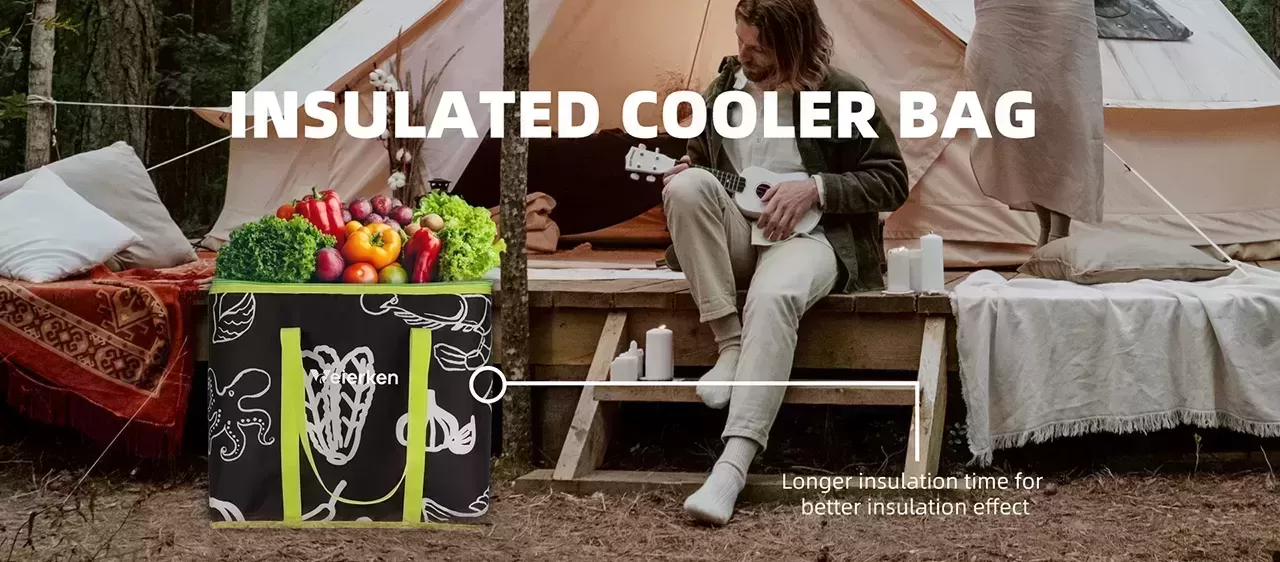
The global shift toward sustainability has created a massive surge in demand for eco-friendly packaging. Whether you need grocery totes, thermal food delivery bags, or durable express mailers, finding a reliable reusable bag factory is the first step toward a successful product launch. However, the process is fraught with potential pitfalls that can ruin your budget and your brand reputation.
Many procurement managers make the mistake of focusing solely on the lowest price or the quality of a single “golden sample.” At Weierken, we have seen how these shortcuts lead to long-term headaches. Identifying these risks early allows you to build a resilient supply chain and avoid costly disputes.
Risk 1: Material Discrepancies and Quality Degradation
The most frequent issue in the industry is “cutting corners” on materials. A factory might send you a beautiful prototype made of high-grade 600D Oxford cloth with a thick, supportive insulated lining. But when the mass production order arrives, the bags feel flimsy.
How Factories Mislead Buyers
Some manufacturers substitute high-density fabrics for lower GSM (grams per square meter) alternatives. For example, they might promise an 80g/㎡ non-woven polypropylene fabric but deliver 60g/㎡ instead. They often blame “batch differences” or “supplier fluctuations” if caught.
Another common tactic involves the recycled content ratio. If you ordered 30% rPET (recycled polyethylene terephthalate) to meet sustainability goals, an unethical reusable bag factory might use virgin plastic instead because it is cheaper and easier to process.
The Consequences for Your Brand
When materials don’t meet specs, the bags fail in the field. Straps snap under weight. Thermal layers lose their temperature-retention properties. Your customers will notice the poor quality, leading to negative reviews and a high return rate.
How to Mitigate This Risk
Define Specifications in the Contract: Don’t just say “canvas” or “nylon.” Specify the denier count, fabric weight, and the exact type of PEVA or EPP insulation.
Implement a Sealed Sample Agreement: Both parties should sign and seal the approved sample. This physical reference serves as the legal standard for the entire production run.
Third-Party Lab Testing: Require random samples from the bulk production to be sent to labs like SGS or Intertek. Check for tensile strength, color fastness, and material composition.
Risk 2: Uncontrolled Lead Times and Delivery Delays
Timing is everything in retail and promotions. If you are ordering custom bags for a Black Friday event or a new store opening, a delay of even one week can be catastrophic. Many buyers find that a reusable bag factory promises a 30-day turnaround but takes 60 days to ship.
The Source of the Delay
Delays rarely happen for just one reason. Often, small factories overbook their capacity and then prioritize larger clients. Alternatively, they might act as a middleman, outsourcing production to a secondary workshop that they cannot control.
Raw material shortages also play a role. If the factory doesn’t secure the PP woven fabric or specific zipper pulls immediately after you pay the deposit, they may get stuck waiting for their own suppliers.
The Financial Impact
Missing a seasonal window means you are stuck with inventory that won’t move until next year. If you are desperate to meet a deadline, you might be forced to switch from sea freight to expensive air freight, which can triple your logistics costs. Weierken understands that reliability is just as important as the product itself.
How to Mitigate This Risk
Audit the Production Line: Choose a factory that owns its machinery. Ask for a factory floor plan and photos of their current production schedule to verify they have the bandwidth.
Penalty Clauses: Include a tiered penalty system in your purchase order. For example, deduct 1% of the total cost for every day the shipment is late. This keeps the factory focused on your deadline.
Buffer Periods: Always build a 10-to-14-day buffer into your internal timeline. Even the best reusable bag factory can face unforeseen port strikes or weather delays.
Risk 3: Hidden Costs and Opaque Pricing Structures
The “too good to be true” quote is a classic trap. You receive a low unit price, but as soon as the project moves forward, the “extra” invoices start piling up. This lack of transparency can destroy your profit margins.
Common Hidden Fees
You might be hit with plate-making fees for printing, molding costs for custom rubber logos, or sampling charges that were supposedly “free.” Some factories also add “small order surcharges” if your final quantity fluctuates slightly below the MOQ (Minimum Order Quantity).
In some cases, the factory provides an Ex-Works (EXW) price while you were expecting FOB (Free On Board). This means you suddenly have to cover the cost of trucking the goods to the port and handling export documentation.
The Budget Breakdown
Without a clear understanding of the landed cost, you cannot accurately price your products for the consumer. At Weierken, we advocate for total transparency so there are no surprises when the final bill arrives.
How to Mitigate This Risk
Request an All-Inclusive Quote: Ask for a breakdown that includes printing plates, packaging materials, domestic hauling, and export clearance.
Itemized Costing: Demand a “Cost of Goods Sold” (COGS) breakdown. This should list the cost of the main fabric, inner lining, labor, and factory margin.
Lock-in Clauses: Add a clause stating that no additional fees will be accepted unless there is a written change to the product specifications.
Risk 4: Compliance Failures and Fraudulent Certifications
For brands exporting to the US, EU, or Japan, compliance is non-negotiable. A reusable bag factory might claim their products are REACH compliant or FDA approved for food contact, but they often lack the paperwork to back it up.
The Risk of Fake Certificates
Some manufacturers provide expired certificates or documents belonging to a different company. Worse, they might use recycled materials contaminated with lead, phthalates, or azo dyes. These substances are strictly regulated and can lead to immediate shipment seizures at the border.
Legal and Brand Exposure
If your bags are found to be non-compliant, you could face heavy fines from customs authorities. Even more damaging is the public relations nightmare if a consumer group tests your “eco-friendly” bag and finds toxic chemicals.
How to Mitigate This Risk
Verify GRS and TC Documentation: If you are buying Global Recycled Standard (GRS) products, ask for the Transaction Certificate (TC) for your specific batch. This is the only way to prove the chain of custody.
Verify Testing Dates: Ensure all third-party test reports are less than 12 months old. Check that the product name on the report matches your order exactly.
Indemnity Agreements: Include a clause in your contract stating that the reusable bag factory is liable for all losses, including legal fees and fines, if the goods fail to meet local safety and environmental regulations.
Technical Considerations for Reusable Bag Production
When you speak with a reusable bag factory, using the right terminology helps you sound like an expert and ensures better results. You should consider the stitching technique—is it a standard single stitch or a reinforced X-stitch at the handles for extra weight capacity?
The printing method also matters. Silk screen printing is cost-effective for simple logos, while heat transfer printing or rotogravure lamination is necessary for complex, full-color photographic designs. If you need a washable reusable bag, ensure the factory uses sublimation inks that won’t fade after multiple cycles.
Furthermore, consider the closure systems. High-quality YKK zippers or heavy-duty Velcro can significantly extend the life of a thermal bag. A professional reusable bag factory will offer these options as upgrades to ensure your product stands out in a crowded market.
Common Questions About Working with a Reusable Bag Factory
1. What is the typical MOQ for a custom reusable bag order?
Most factories require a Minimum Order Quantity (MOQ) of 500 to 1,000 pieces for standard materials. However, if you require custom-dyed fabric or a unique rPET material, the MOQ may increase to 3,000 pieces or more to satisfy the fabric mill’s requirements.
2. How can I tell if a factory is a direct manufacturer or a trading company?
Ask for their business license and check the “scope of business.” A direct reusable bag factory will list “manufacturing” or “production.” You can also request a live video tour of the sewing lines and cutting rooms during peak working hours.
3. Why do prices vary so much between different factories for the “same” bag?
The difference usually lies in the details you can’t see. One factory might use recycled scrap material in the middle of a laminated bag, while another uses 100% virgin material. Differences in stitch density (SPI – stitches per inch) and the quality of the thread also impact the price and durability.
4. Can I get a sample before placing a bulk order?
Yes, any reputable reusable bag factory will provide a pre-production sample (PPS). While there is usually a small fee for custom tooling and printing plates, this is a vital step to ensure the logo placement, handle length, and material feel meet your expectations.
5. How do I ensure my brand colors are matched accurately?
Always provide Pantone (PMS) color codes rather than just saying “light blue.” The factory should provide a “lab dip” or a printed swatch for your approval before they start the full production run.
Build a Reliable Supply Chain with Weierken
Navigating the complexities of overseas manufacturing doesn’t have to be a gamble. By focusing on material transparency, strict delivery schedules, and rigorous compliance, you can turn your packaging into a powerful brand asset.
As a leading reusable bag factory, Weierken is committed to eliminating these risks for our partners. We combine technical expertise in high-performance fabrics with a transparent communication style that keeps you in control of your project from the first sketch to the final delivery.
Don’t let your brand be compromised by poor quality or hidden fees. Partner with a manufacturer that values your reputation as much as you do.
Ready to start your next project?
[Inquiry Now] to get a detailed quote and a professional consultation on your reusable bag designs.